


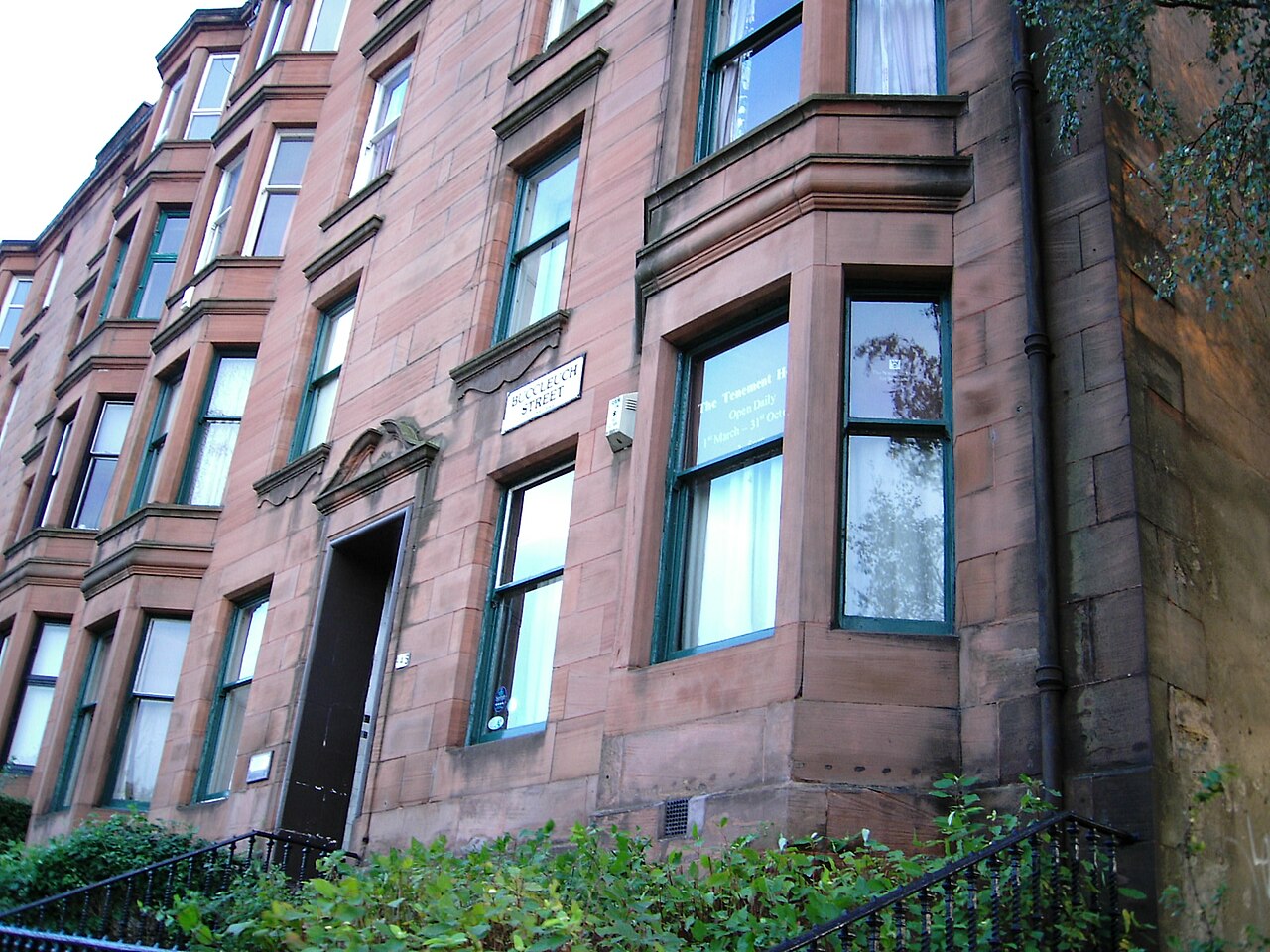
2 min walk
Tenement House
- Must see
- Museum
Language · 11 published
Place of worship · Glasgow
Reviewed by Elena Voss · Roavina Travel Editor
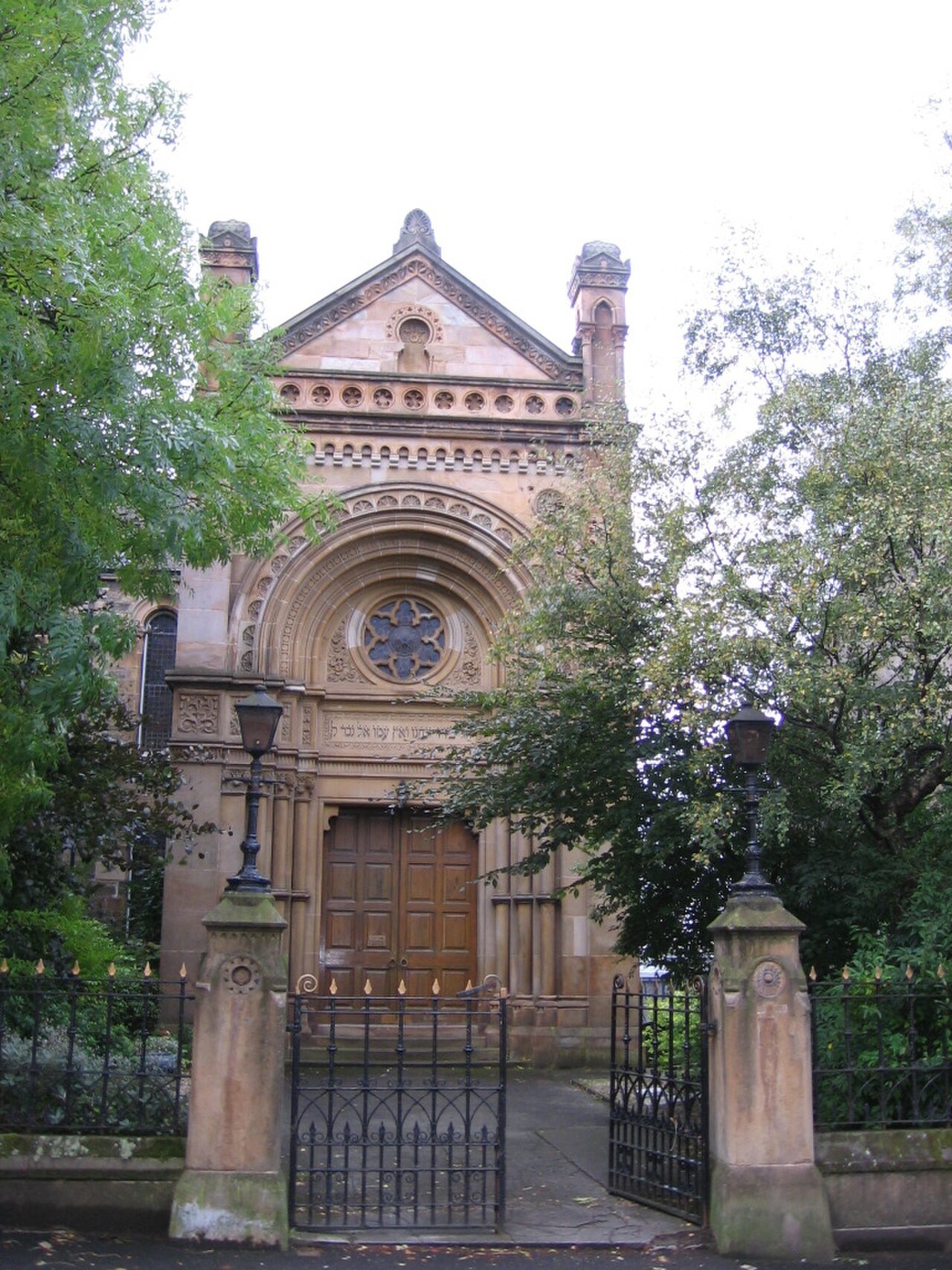
This place is a Place of worship. It was established in 1881. It was built in the Byzantine Revival architecture style. It was designed by John McLeod. It carries the category A listed building heritage designation.
Garnethill Synagogue is a historic Jewish place of worship in Glasgow’s Garnethill district, close to the city centre. It is recognised as the oldest surviving synagogue in Scotland and remains connected with the city’s Jewish community. The building is both an architectural landmark and an active religious setting. For travellers, its importance comes from the meeting of Victorian Glasgow, Jewish heritage and a living congregation rather than from a conventional museum-style visitor experience. Garnethill Synagogue is a historic Jewish place of worship located in Glasgow, Scotland. It stands as the oldest surviving synagogue in Scotland, representing significant heritage for the Jewish community in the city. The building occupies a prominent position in the Garnethill area, an elevated district near Glasgow city centre. Its architectural presence reflects the Victorian era when Glasgow's Jewish population established this permanent religious home. The synagogue serves as both an active place of worship and a symbol of the long-standing Jewish contribution to Glasgow's multicultural identity. Interior access depends on current community arrangements and religious schedules. It is an active place of worship, not primarily a tourist venue. Visitors should contact community representatives in advance rather than arriving unannounced.
Checked 2026-08-26 · Source
The synagogue contains spaces shaped for Jewish worship, including an ark for Torah scrolls, a bimah for reading scripture and seating for congregational prayer. Decorative details reflect the building’s period and religious purpose. Because it is an active synagogue, interior access can be affected by services and community use. Visitors should treat the space as a functioning place of worship, not as an unrestricted exhibition, and keep their attention on respectful observation. The interior of Garnethill Synagogue contains traditional features associated with Jewish worship spaces. These typically include an ark for Torah scrolls, a bimah for reading scripture, and seating arranged for congregational participation. Decorative elements may reflect the period of construction and community traditions.
Checked 2026-08-26 · Source
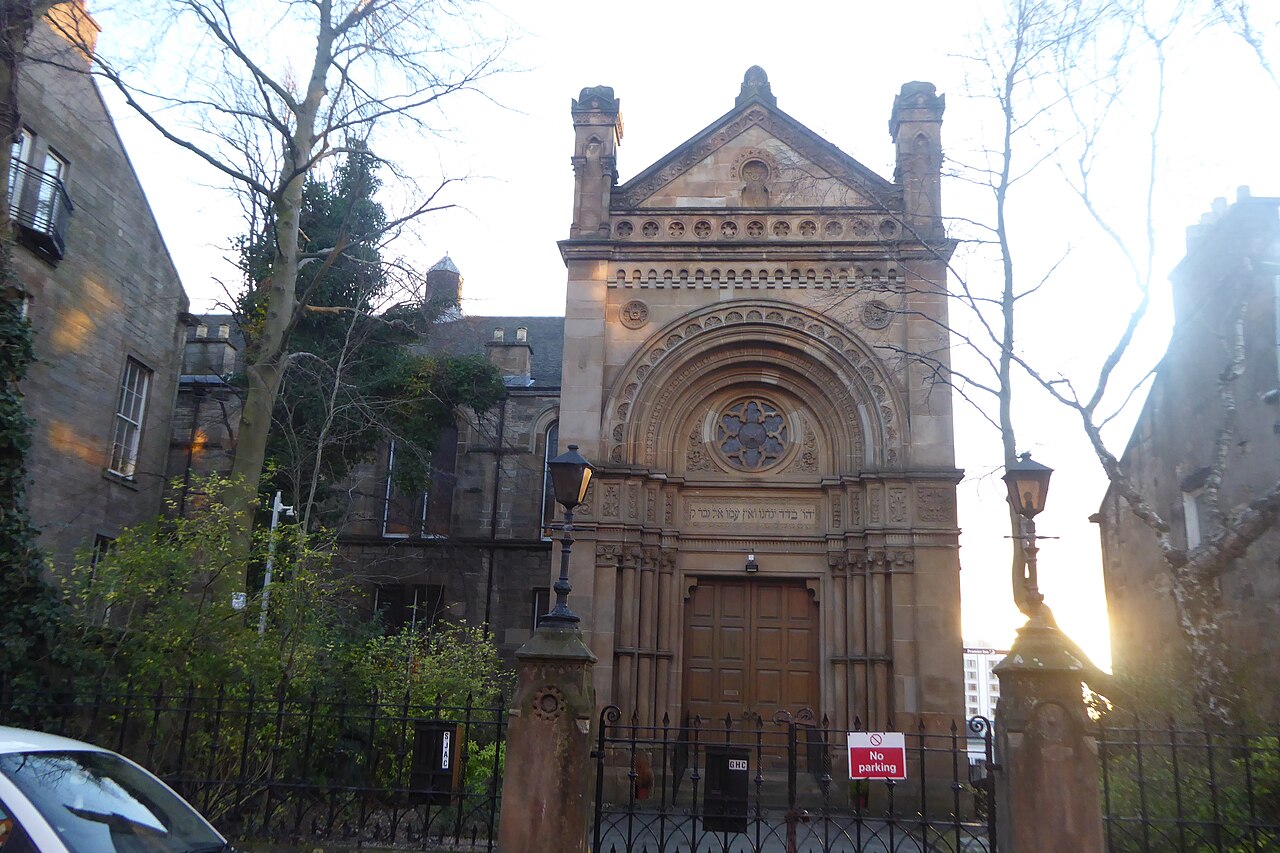
An exterior visit can take around fifteen to thirty minutes, giving you time to view the architecture from the public street and place it within Garnethill’s urban setting. An arranged interior visit may take longer according to the purpose of the visit and the community schedule. Combine the synagogue with a walk through the surrounding central neighbourhood rather than treating it as a long, self-guided museum stop. A quiet, attentive visit suits the building best.
Checked 2026-08-26 · Source
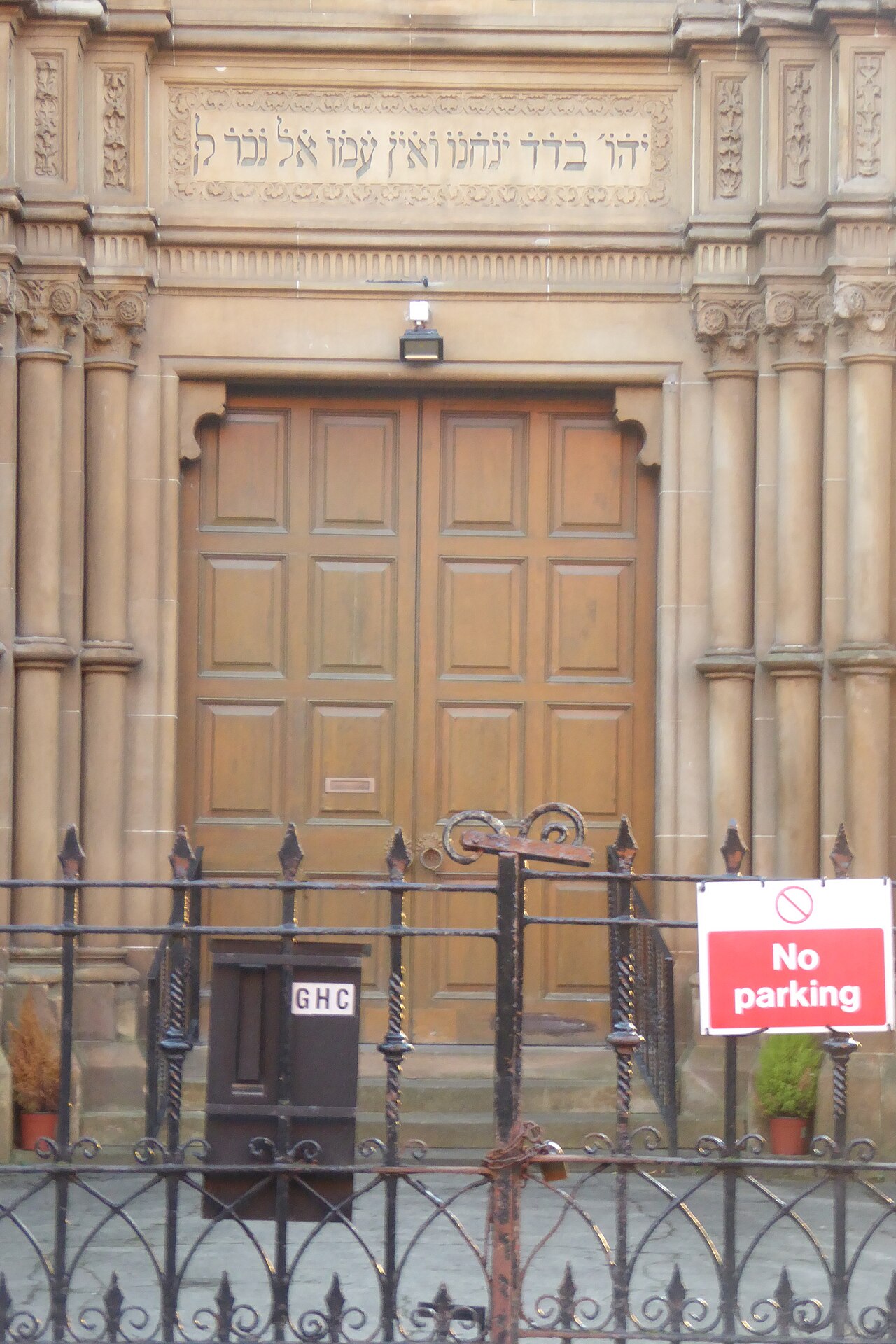
The synagogue follows Jewish worship rhythms, with the Sabbath running from Friday evening to Saturday evening and major festivals affecting community activity. Exterior viewing from public streets is a straightforward way to appreciate the building without interrupting worship. If you have arranged interior access, plan around the congregation’s religious calendar and arrive at the agreed time. Weekday daylight is useful for exterior details, while a quiet approach matters more than a particular season.
Checked 2026-08-26 · Source
Garnethill Synagogue is a community religious institution rather than a standard ticketed attraction. The most natural visit is an exterior appreciation from the public street, while any interior heritage access depends on arrangements with the synagogue community. Do not plan it like a museum with a fixed ticket desk or continuous tourist entry. If a visit has been arranged, follow the terms given by the community and treat any contribution as part of that arrangement.
Checked 2026-08-26 · Source
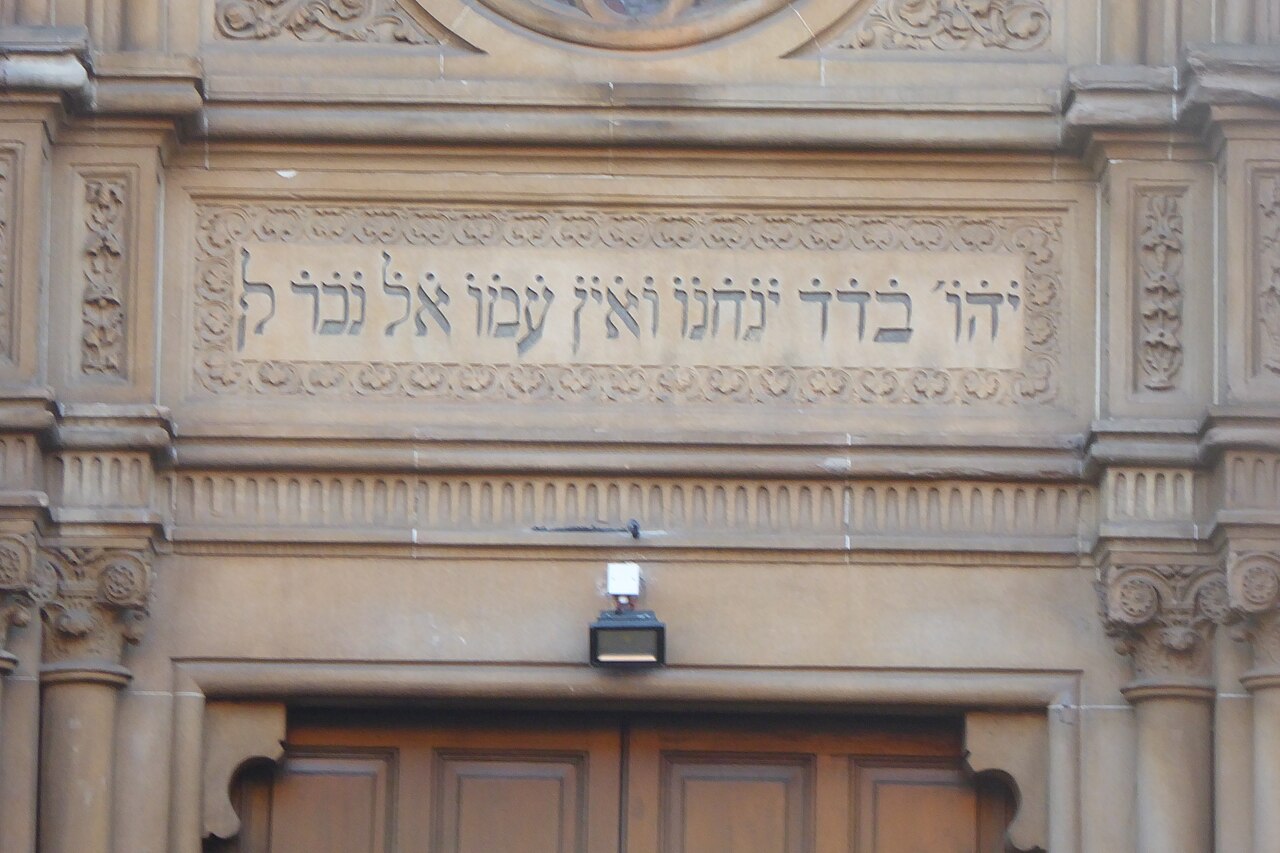
The synagogue stands in Garnethill, within walking distance of Glasgow’s central streets. Charing Cross and Cowcaddens subway stations serve the surrounding area, and buses run through nearby parts of the city. Approaches from the centre include uphill sections because Garnethill sits above the flatter central streets. Central Glasgow parking is limited and commonly regulated, making public transport or walking practical choices for a short architectural stop.
Checked 2026-08-26 · Source
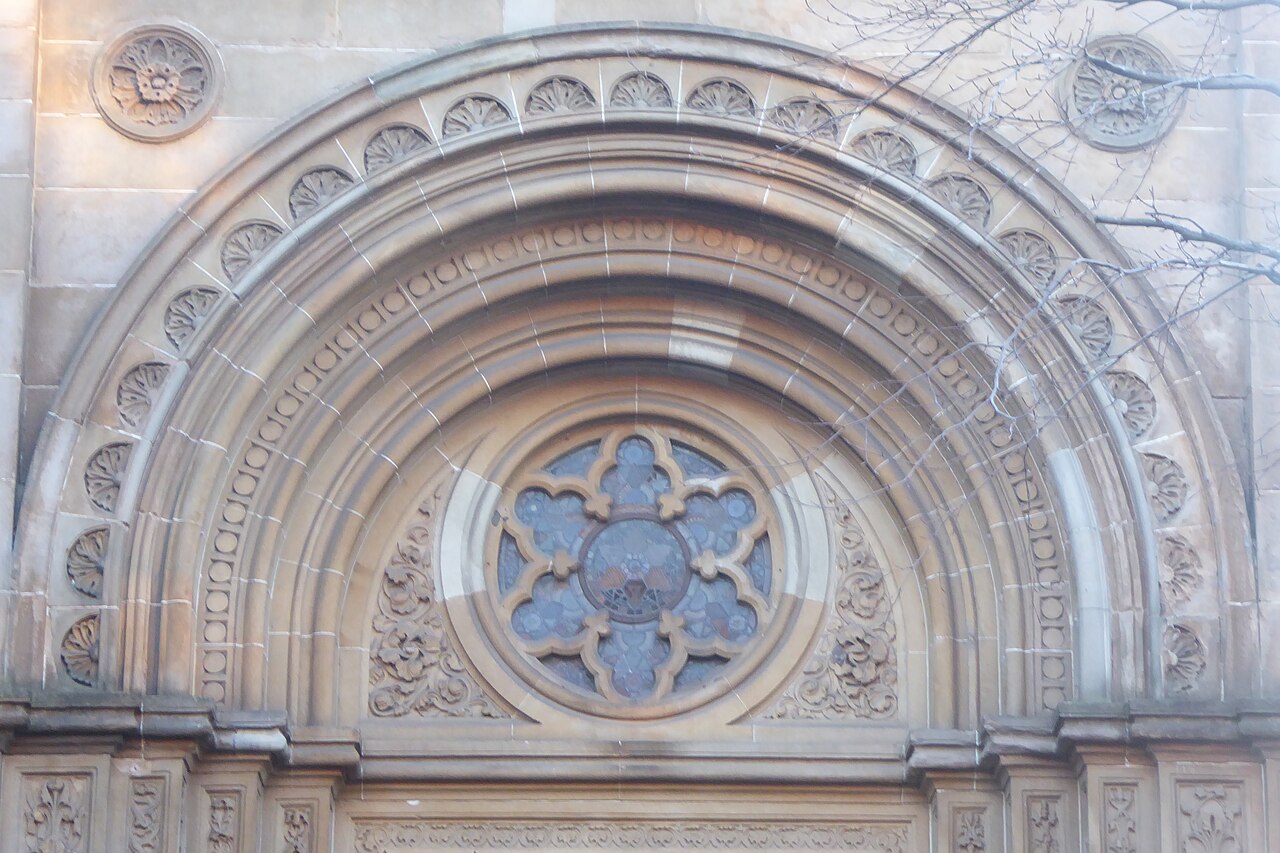
Remember that Garnethill Synagogue is an active place of worship. Dress modestly, keep your voice low and never enter during a service unless you have been invited. Do not photograph worshippers, staff or private activity without clear permission. Steep streets around Garnethill may make the approach tiring, and Glasgow weather can change quickly. Security arrangements at a religious building deserve patience. A considerate visitor gives the congregation priority throughout the stop.
Checked 2026-08-26 · Source
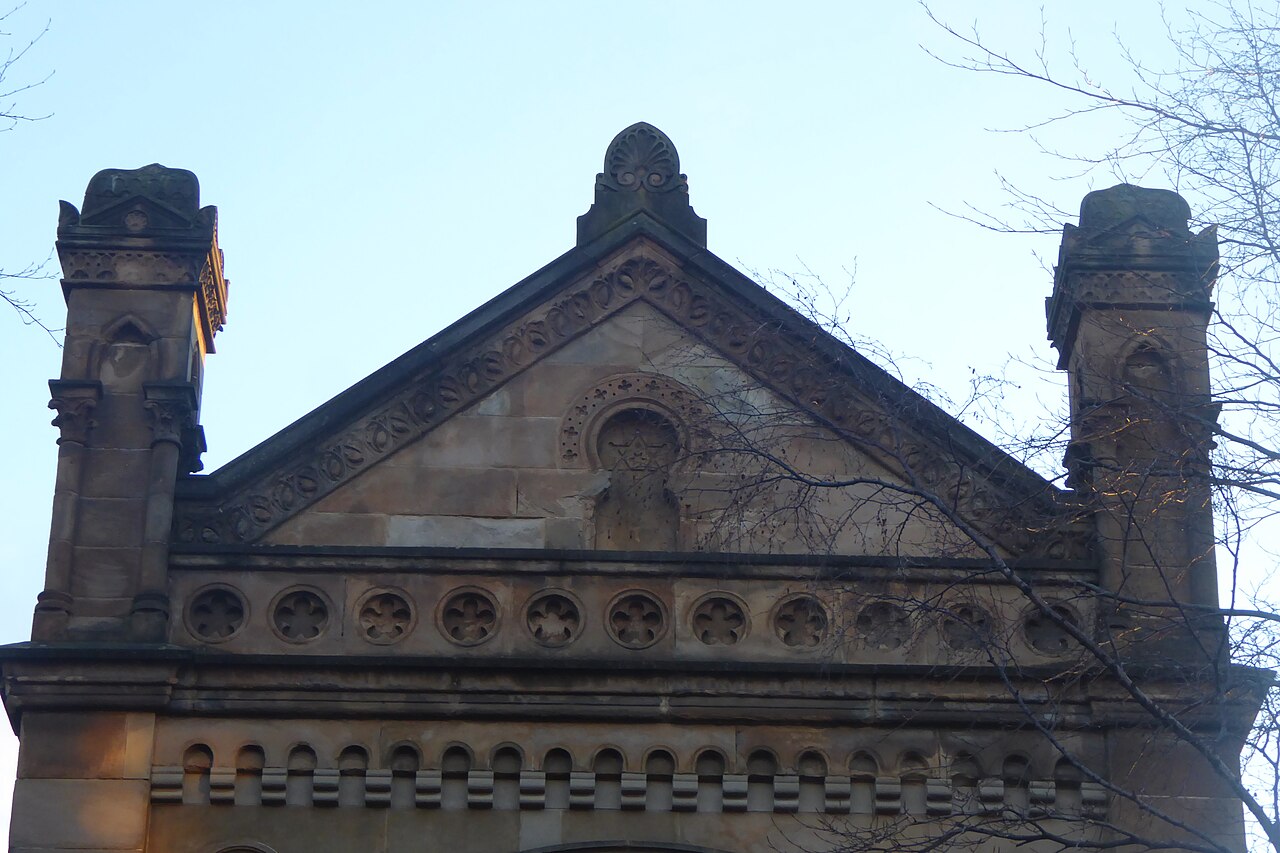
The exterior can be photographed from public streets, with Garnethill’s slope providing useful context for the building’s position. Interior photography requires explicit permission and should never take precedence over worship. Avoid flash, tripods that obstruct the pavement and images of people engaged in religious activity. Early or later daylight can bring out architectural texture, but a respectful distance and quiet presence matter more than elaborate equipment at this working synagogue.
Checked 2026-08-26 · Source
It is known as the oldest surviving synagogue in Scotland and as an active centre of Jewish worship and community life in Glasgow.
It is in Garnethill, an elevated district close to Glasgow city centre. Charing Cross and Cowcaddens subway stations serve the surrounding area.
Yes. The building can be appreciated from the public street, where its architecture can be seen within the Garnethill streetscape.
Choose modest clothing suitable for a religious building. Quiet, respectful behaviour is important, particularly when worshippers are nearby.
Allow approximately fifteen to thirty minutes to view the exterior and photograph the building from the public street.
Avoid attempting entry during the Sabbath, major Jewish festivals or an active service unless the congregation has invited you. Exterior viewing remains the considerate option at those times.
Loading the interactive map…
The interactive map could not be loaded.

Last updated:
Source: OpenStreetMap contributors, Wikidata ·