
5 min walk
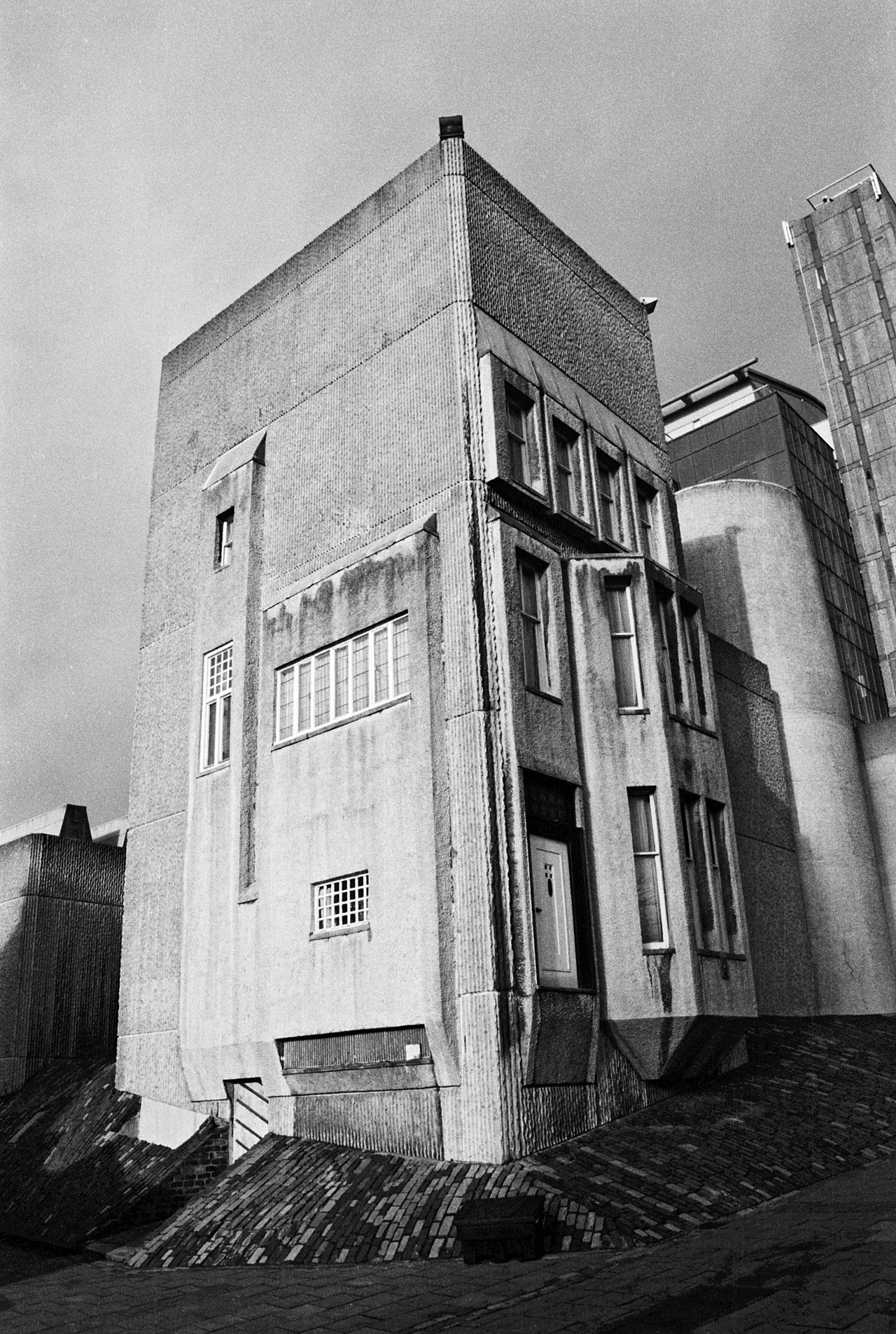
The Mackintosh House
- Must see
- Museum
Language · 11 published
Entertainment venue · Glasgow
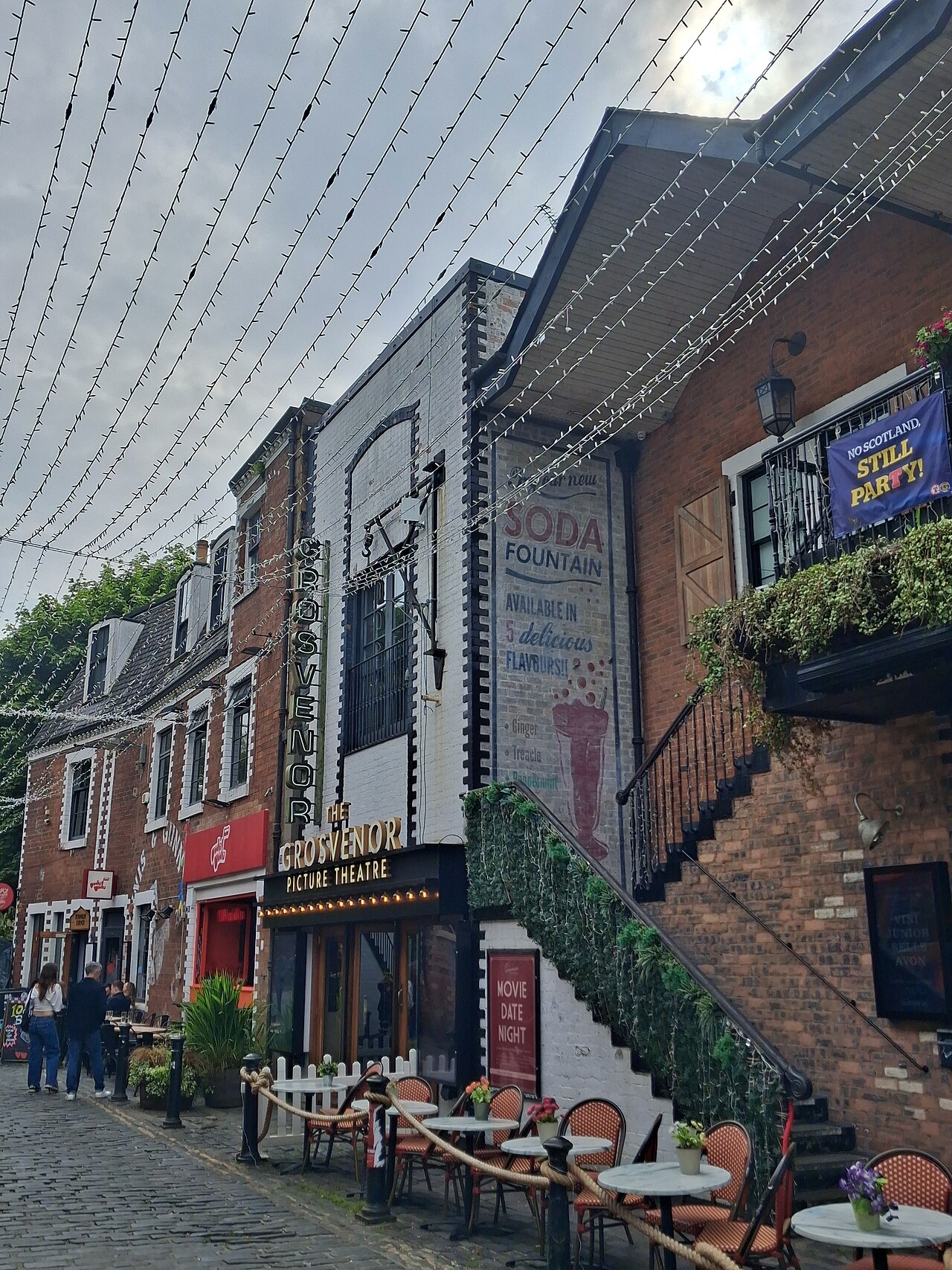
The Grosvenor Cinema
Reviewed by Elena Voss · Roavina Travel Editor
| Monday | 12:00 – 22:00 |
|---|---|
| Tuesday | 12:00 – 22:00 |
| Wednesday | 12:00 – 22:00 |
| Thursday | 12:00 – 22:00 |
| Friday | 12:00 – 22:00 |
| Saturday | 10:00 – 22:00 |
| Sunday | 10:00 – 22:00 |
Parsed from OpenStreetMap opening hours on 2026-09-09.
This place is a Cinema.
Grosvenor Cinema is a film venue in Glasgow, Scotland, where visitors can spend an evening watching a programme on a large screen in a dedicated cinema setting. It suits travellers looking for indoor entertainment, a relaxed break from sightseeing, or a straightforward cultural stop within Glasgow’s leisure scene. The experience centres on the screening itself rather than a museum collection or guided tour. The Grosvenor Cinema is a cinema located in Glasgow, Scotland. It operates under the local name The Grosvenor Cinema. The venue functions as a place for public film screenings. The cinema serves as an entertainment destination within the city. Visitors attend to watch films on a large screen in a dedicated theatrical setting. The establishment contributes to Glasgow's cultural and leisure offerings. Visitors should check directly with the venue for screening schedules.
Checked 2026-08-26 · Source
Inside, visitors should expect the basic arrangement associated with a cinema: an auditorium, a screen, projection equipment, and sound designed for film viewing. The venue is intended for public screenings, so the main activity is sitting through a selected film in a theatrical environment. The practical character of the interior is different from a gallery or heritage building; the screening programme determines what most of your visit will involve. The interior of The Grosvenor Cinema contains screening facilities designed for film presentation. The venue's configuration supports the primary function of showing films to paying customers. Visitors should expect a conventional cinema environment adapted to its particular building and operational style.
Checked 2026-08-26 · Source
Allow the full running time of the film you choose, with additional time for arrival, finding your seat, trailers, and leaving after the credits if you wish. A feature screening commonly takes a substantial part of an evening, while a shorter programme can fit more easily between other Glasgow plans. Build your itinerary around the screening rather than treating the cinema as a quick pass-through stop. The duration of a visit to The Grosvenor Cinema depends entirely on the film selected by the patron. Standard feature films typically run between ninety minutes and three hours, including any attached trailers or advertisements. Visitors should plan their time according to their chosen screening. No information is recorded regarding recommended arrival time before showings. The total visit encompasses travel to the venue, waiting period, the screening itself, and departure. Individual scheduling will vary based on personal circumstances and film selection.
Checked 2026-08-26 · Source
Choose a visit time that matches the film programme and the pace of your day. Evening screenings work naturally after city-centre sightseeing or dinner, while daytime shows provide an indoor option when Glasgow weather is unpleasant. The cinema is especially useful when you want a planned, seated activity with a clear start and finish. Arrive with enough time to enter calmly before the feature begins.
Checked 2026-08-26 · Source
Admission is tied to the individual film screening rather than to a general sightseeing entrance. Select the film and session that fit your plans, then allow time for the booking or purchase process before the start. Children and adults may have different suitability requirements depending on the film classification. Keep your visit focused on the chosen session, since the screening is the central reason to come.
Checked 2026-08-26 · Source
Grosvenor Cinema is in Glasgow and works best as part of an urban day planned around the city’s streets, shops, restaurants, and other leisure venues. Use the cinema’s mapped position as the destination when planning your route. Walking, public transport, taxi travel, cycling, or driving may suit different starting points, but the most useful choice depends on where you are staying and the screening time.
Checked 2026-08-26 · Source
Film screenings require consideration for other audience members. Silence your phone, keep conversation low, and avoid blocking the view when entering or leaving. Film classifications matter, particularly for families choosing a programme. Dark auditoriums can make movement awkward, so take care around steps and seat rows. If you leave during the screening, do so quietly and follow staff directions around the auditorium.
Checked 2026-08-26 · Source
Treat the auditorium as a viewing space rather than a place for extensive photography. Do not record the film, and avoid using flash during a screening because it distracts the audience. Exterior photographs can help document your Glasgow route, while interior images should remain considerate of other patrons and staff. Put the camera away once the film starts so the room stays comfortable for everyone.
Checked 2026-08-26 · Source
It is a cinema venue for public film screenings, offering an indoor entertainment stop centred on watching a film in an auditorium.
Visitors should expect an auditorium, screen, projection equipment, and sound designed for film presentation.
Allow the running time of the selected film plus extra time for arrival, seating, trailers, and departure.
It provides a planned indoor activity during the day or evening, especially after sightseeing or when the weather is unpleasant.
Silence your phone, keep conversation low, respect film classifications, and move quietly if you enter or leave during the film.
Avoid recording the film or using flash during screenings; exterior photography is the least disruptive option.
Loading the interactive map…
The interactive map could not be loaded.
Last updated:
Source: OpenStreetMap contributors, Wikidata ·