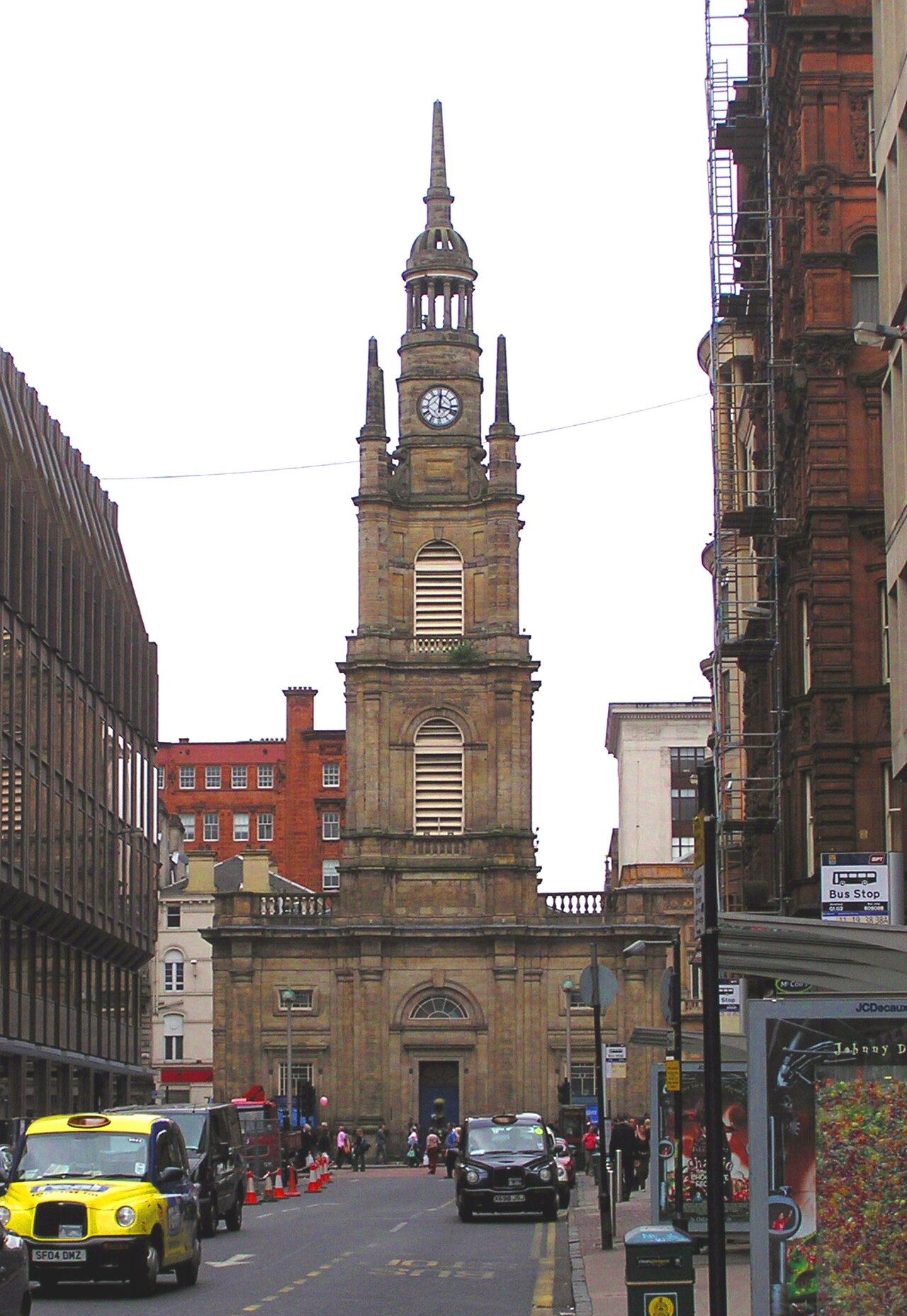
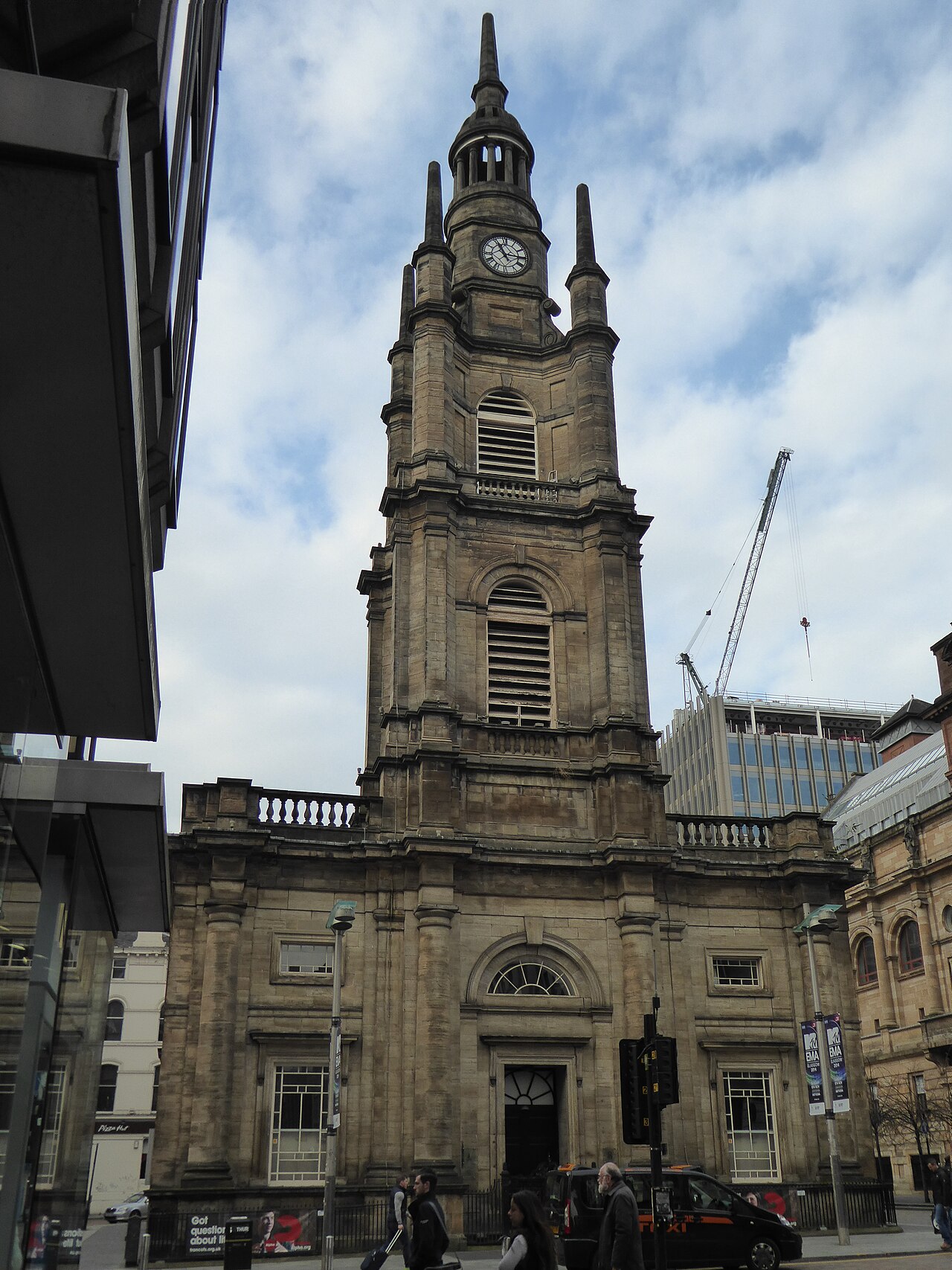
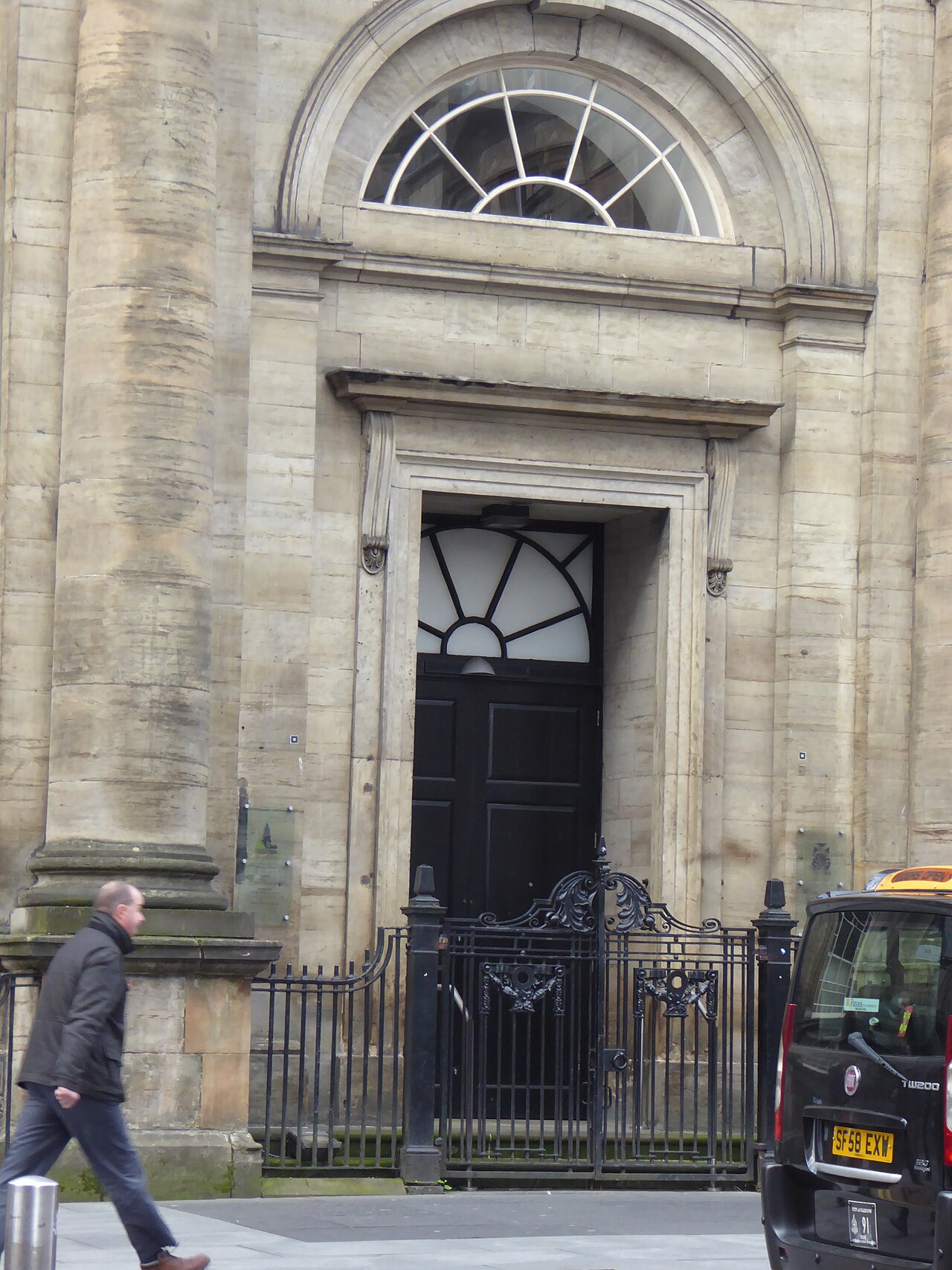
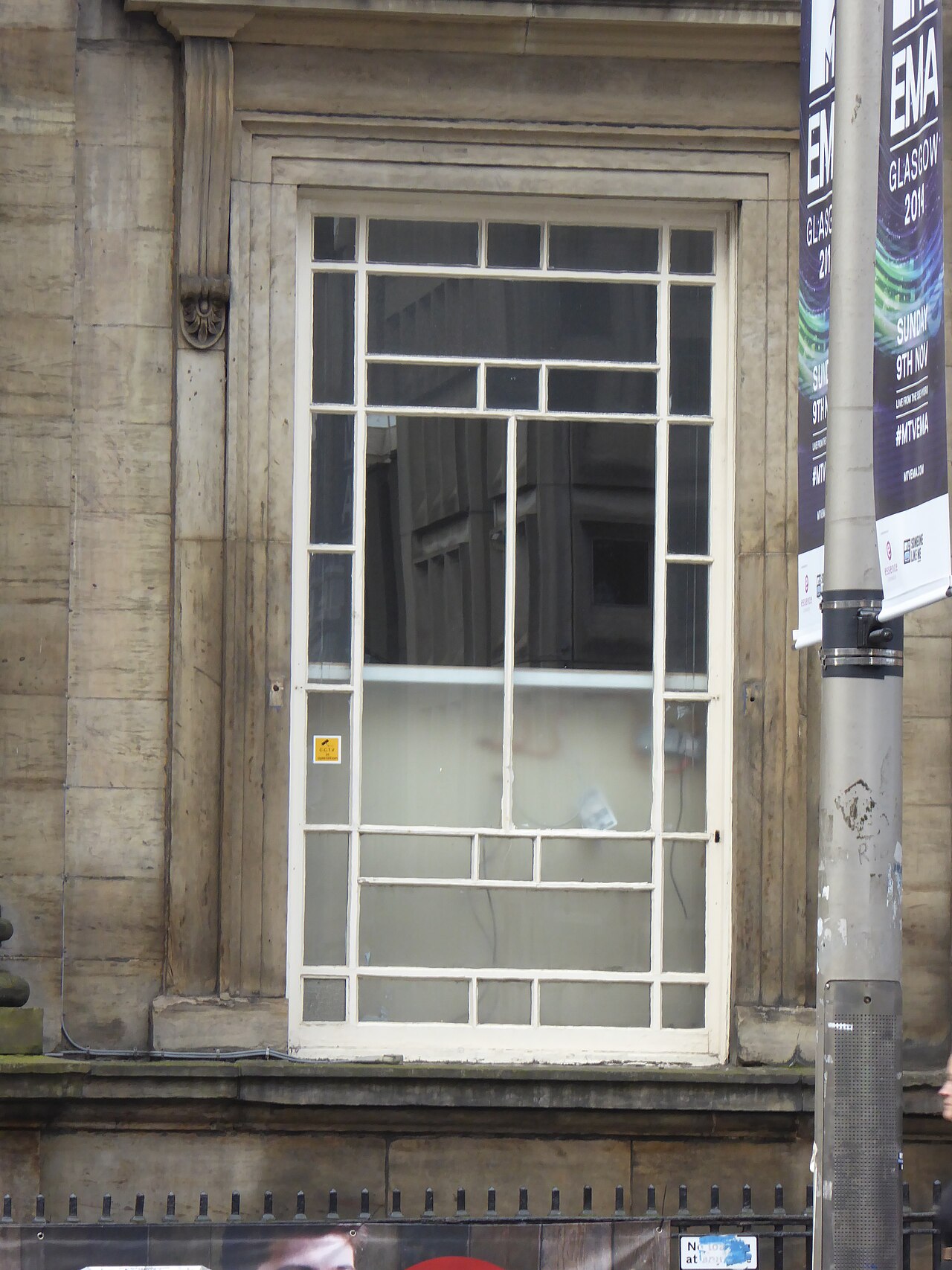
St George's-Tron Church, also known as St George's Tron Parish Church, stands at the junction of Buchanan Street and Nelson Mandela Place in central Glasgow. It remains a Church of Scotland place of worship rather than a museum created solely for sightseeing. Its prominent corner position makes it an easy landmark while walking through the city's retail and commercial core. Travellers can combine the exterior with a respectful interior visit when the building is open and no service or private ceremony is taking place. St George's-Tron Church, locally known as St George's Tron Parish Church, stands in Glasgow city centre. The building occupies a prominent position at the junction of Buchanan Street and Nelson Mandela Place. It serves as a place of Christian worship within the Church of Scotland tradition. As an active parish church, opening for casual visitors depends on service schedules and congregational activities. Verification before visiting is advisable.
Inside, the church provides a main worship space arranged for congregational use, with pews and a chancel area forming the central visual structure. The interior should be approached as a functioning religious setting, not as a gallery with a fixed visitor route. Architectural details, memorial elements and long-used fixtures contribute to the atmosphere of the building. If you enter during a quiet period, take time to observe the proportions, light and arrangement of the worship space without disturbing people who have come to pray.
Allow fifteen to thirty minutes for a quiet look at the exterior, interior arrangement and central worship space when casual entry is possible. A service requires the full worship period and should take priority over sightseeing. The church's city-centre location makes it an easy short stop between Buchanan Street, Nelson Mandela Place and nearby railway or subway connections. Visitors interested in ecclesiastical architecture may stay longer to take in the details, but the building can be appreciated without turning the visit into a long detour.
The best moment for an interior visit is a quiet period when no worship service, wedding, funeral or private congregation event is underway. The exterior can be seen while walking through central Glasgow, including outside the hours used for worship. Weekday visits fit naturally with a walk along Buchanan Street, though the surrounding retail core can be busy. Natural light changes with the season and weather, influencing the exterior and any permitted interior photography. Keep your visit flexible and give priority to the church's religious use.
St George's-Tron Church is a functioning parish church, so worship attendance and quiet visitation are not presented as a commercial museum experience. Ordinary entry is therefore approached differently from a ticketed attraction. Donations may support the congregation and building, while a concert or special event can have its own arrangement. When you visit, follow any entrance or donation guidance provided by the church and remember that access is subject to the needs of worship, ceremonies and congregational activity.
The church is in central Glasgow at Buchanan Street and Nelson Mandela Place. Buchanan Street Subway station is within a short walk, and Glasgow Central and Glasgow Queen Street stations can both be reached on foot through the city centre. Bus routes serve the surrounding streets. The pedestrianised parts of Buchanan Street make walking the simplest final approach. Car travel is less convenient because central parking is limited and costly, so the church works particularly well as a stop during a public-transport or walking itinerary.
St George's-Tron Church is first a place of worship. Enter quietly, dress respectfully and avoid interrupting services, prayer or private ceremonies. Doors may be unavailable for casual visitors during funerals, weddings or other congregation events. Traditional pews and steps can make movement harder for some visitors. Inside photography may be restricted, so follow instructions from church staff. Around the entrance, use ordinary city-centre awareness: Buchanan Street is busy, and pedestrians, traffic and crowds can change quickly around the junction.
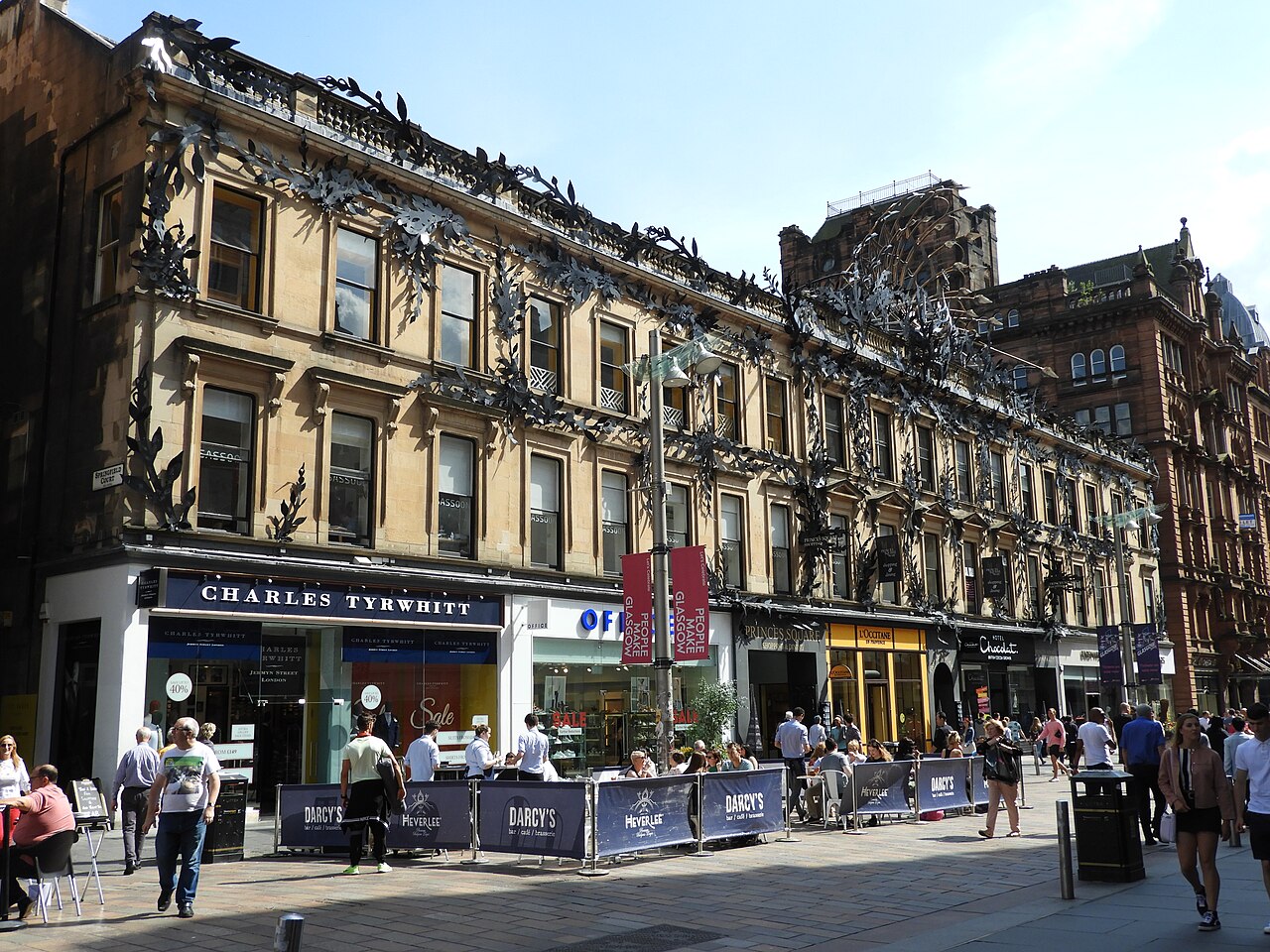
The church's corner position gives photographers several exterior viewpoints from Buchanan Street and Nelson Mandela Place. Historic ecclesiastical architecture can be framed against the modern commercial setting of central Glasgow, creating a clear contrast between the church and its surroundings. Interior photography requires permission and sensitivity because the building is an active worship space. Avoid flash or tripod use unless expressly permitted. Early or late daylight can soften the exterior, while overcast weather can reduce reflections on stone and make architectural outlines easier to read.
It stands at the junction of Buchanan Street and Nelson Mandela Place in central Glasgow, within walking distance of the city's two main railway stations.
Can visitors attend a service at St George's-Tron Church?
Yes. It is a Church of Scotland place of worship, and visitors can attend public worship respectfully when a service is taking place.
How long does a visit take?
Allow fifteen to thirty minutes for a quiet architectural visit. Attending a service requires the duration of that worship period.
How do I reach the church by public transport?
Buchanan Street Subway station is a short walk away. Glasgow Central and Glasgow Queen Street stations are also within walking distance, and buses serve nearby streets.
Is St George's-Tron Church a museum?
No. It is an active Church of Scotland parish church. Visitors should treat the interior as a functioning place of worship rather than a museum gallery.
Where can I photograph the church?
The exterior can be photographed from Buchanan Street and Nelson Mandela Place. Interior photography is subject to permission and the needs of worshippers.