

3 min walk
Websters Theatre
- High · Heritage site
- Art and culture venue
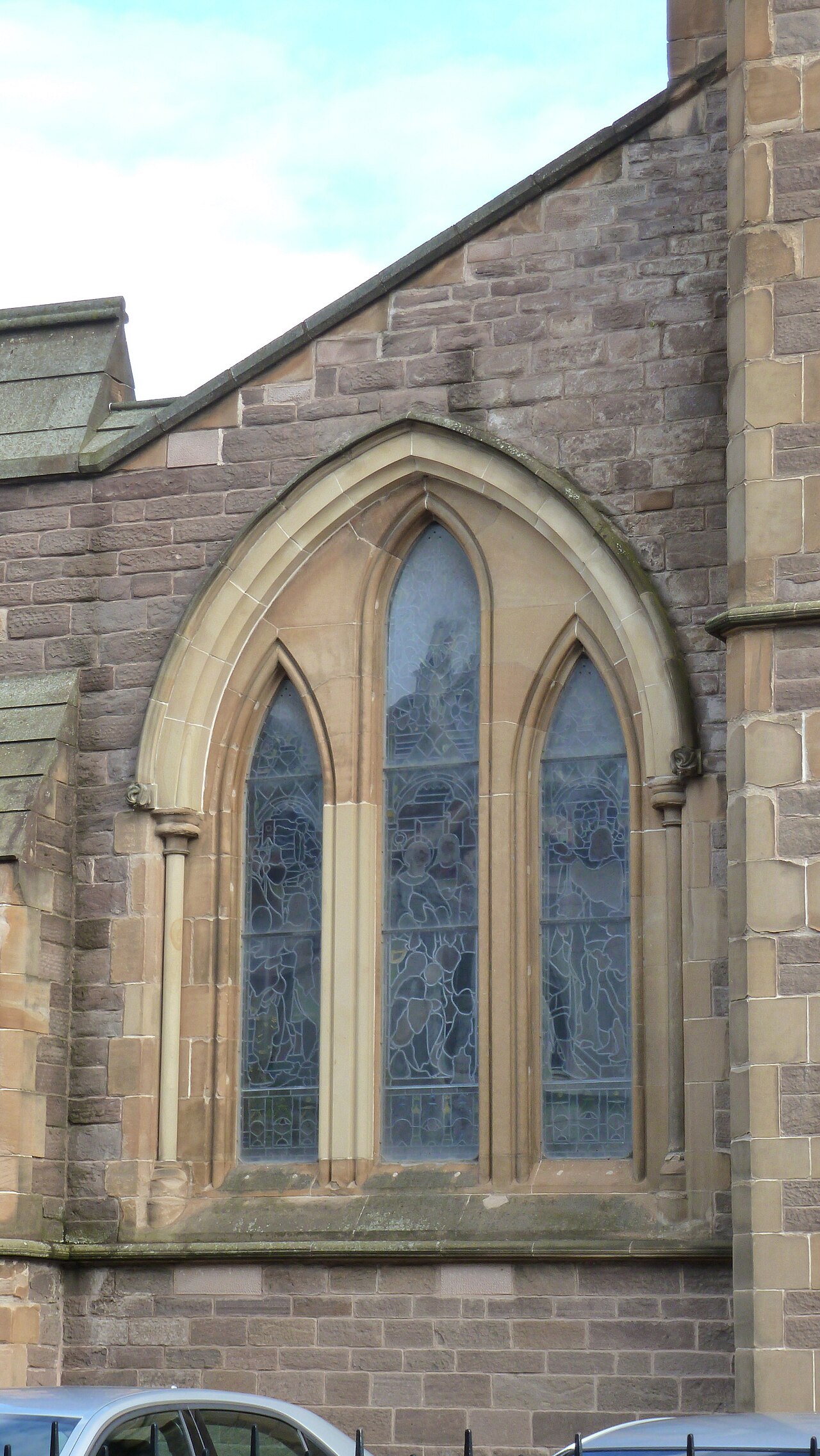
Place of worship · Glasgow
St Mary's Episcopal Cathedral
St Mary’s Cathedral is a Gothic Revival cathedral in Glasgow’s West End and the cathedral church of the Diocese of Glasgow and Galloway within the Scottish Episcopal Church. The nineteenth-century building is both an active place of worship and an important piece of Glasgow’s architectural heritage. Its prominent spire gives the cathedral a strong presence in the city skyline. Visitors interested in Gothic Revival design, religious buildings or Glasgow’s built history can use the cathedral as a focused architectural stop. The experience is quieter and more contemplative than a conventional museum visit, with the building’s religious purpose shaping how travellers should move through the space.
Checked 2026-08-26 · Source
Inside St Mary’s Cathedral, look for Gothic Revival features including pointed arches, stone vaulting, stained glass, choir stalls, an organ and memorials. The nave, chancel and transepts create the traditional cruciform arrangement associated with a cathedral interior. Decorative stonework rewards a slower look than a quick photograph from the entrance. The building continues to serve worship and ceremonial purposes, so the interior is not simply an architectural display. Visitors can appreciate the relationship between structure, light, furnishings and devotional use. Stained glass and the vertical emphasis of the Gothic Revival design give the interior its main visual character.
Checked 2026-08-26 · Source
Allow thirty to sixty minutes for a first visit to St Mary’s Cathedral. That time gives an architecture-focused visitor space to move through the interior, study the pointed arches and stonework, and pause at the stained glass, choir stalls, organ and memorials. Visitors with a deeper interest in religious history or Gothic Revival design can stay longer. A service or ceremony changes the character of the visit and may require quiet attendance rather than active sightseeing. The cathedral also fits neatly into a West End walking day, where its interior provides a calm contrast with Glasgow’s busier streets.
Checked 2026-08-26 · Source
St Mary’s Cathedral remains a functioning place of worship, so services, ceremonies and religious observances shape visitor access. A quieter sightseeing visit works best when worship is not taking place, while attending a service offers a different way to experience the cathedral’s Episcopal character. The West End setting makes the cathedral useful in any season, and the interior provides shelter during Glasgow’s wet weather. Leave room in the day for a respectful, unhurried visit rather than treating the cathedral as a quick exterior landmark. Service activity takes precedence over tourist photography and casual movement inside.
Checked 2026-08-26 · Source
The supplied guide identifies St Mary’s Cathedral as a functioning Scottish Episcopal cathedral but gives no fixed admission amount. Treat the visit as a religious and architectural stop rather than planning around a confirmed ticket price. The cathedral’s value comes from its Gothic Revival interior, stained glass, stone vaulting, choir stalls, organ and memorials. Build flexibility into the visit because worship and ceremonies are part of the cathedral’s ordinary purpose.
Checked 2026-08-26 · Source
St Mary’s Cathedral stands in Glasgow’s West End, an area served by buses and the Glasgow Subway. Glasgow Central and Glasgow Queen Street stations connect the city with national rail services, and the cathedral can form part of a walking route from the centre for visitors comfortable with the distance. West End parking is limited and often restricted, making public transport and walking useful choices. Cyclists can approach through the city’s street network. A practical day plan can pair the cathedral with other West End stops, using the Subway and local buses to reduce the need for a car.
Checked 2026-08-26 · Source
St Mary’s Cathedral is a place of worship, so dress and conduct should be respectful. Keep voices low, give way to worshippers and follow staff or posted directions during services and ceremonies. Historic interiors may include steps, uneven floors and movement constraints, so visitors should take care on arrival. Children benefit from close supervision in the quiet interior. Photography can pause or become restricted while worship is taking place. Locate exits as you enter and avoid blocking circulation routes. The cathedral’s religious function is the central practical consideration for every sightseeing visit.
Checked 2026-08-26 · Source
St Mary’s Cathedral provides strong subjects for architectural photography: pointed arches, stone vaulting, stained glass, choir stalls, the organ, memorials and decorative stonework. Interior light can change across the nave, chancel and transepts, so a slower visit helps reveal details that are easy to miss from one position. Worshippers and ceremonies deserve privacy and quiet. Follow any signs or staff directions about cameras, flash or video, and put the camera away during services if requested. The cathedral’s spire also makes a notable exterior subject within the West End streetscape.
Checked 2026-08-26 · Source
St Mary’s Cathedral belongs to the Scottish Episcopal Church and serves as the cathedral church of the Diocese of Glasgow and Galloway.
The cathedral is a major example of nineteenth-century Gothic Revival architecture, with pointed arches, stone vaulting, stained glass and a prominent spire.
The interior includes stained glass, stone vaulting, choir stalls, an organ, memorials, pointed arches and decorative stonework arranged around a nave, chancel and transepts.
The cathedral holds regular religious services and ceremonies. Visitors should behave respectfully and give worship precedence over sightseeing activity.
Allow thirty to sixty minutes for the interior, with additional time for close study of the architecture, religious history, stained glass or memorials.
The cathedral is in Glasgow’s West End, served by buses and the Glasgow Subway. Glasgow Central and Queen Street stations connect with the national rail network.
Loading the interactive map…
The interactive map could not be loaded.
Last updated:
Source: OpenStreetMap contributors, Wikidata ·