


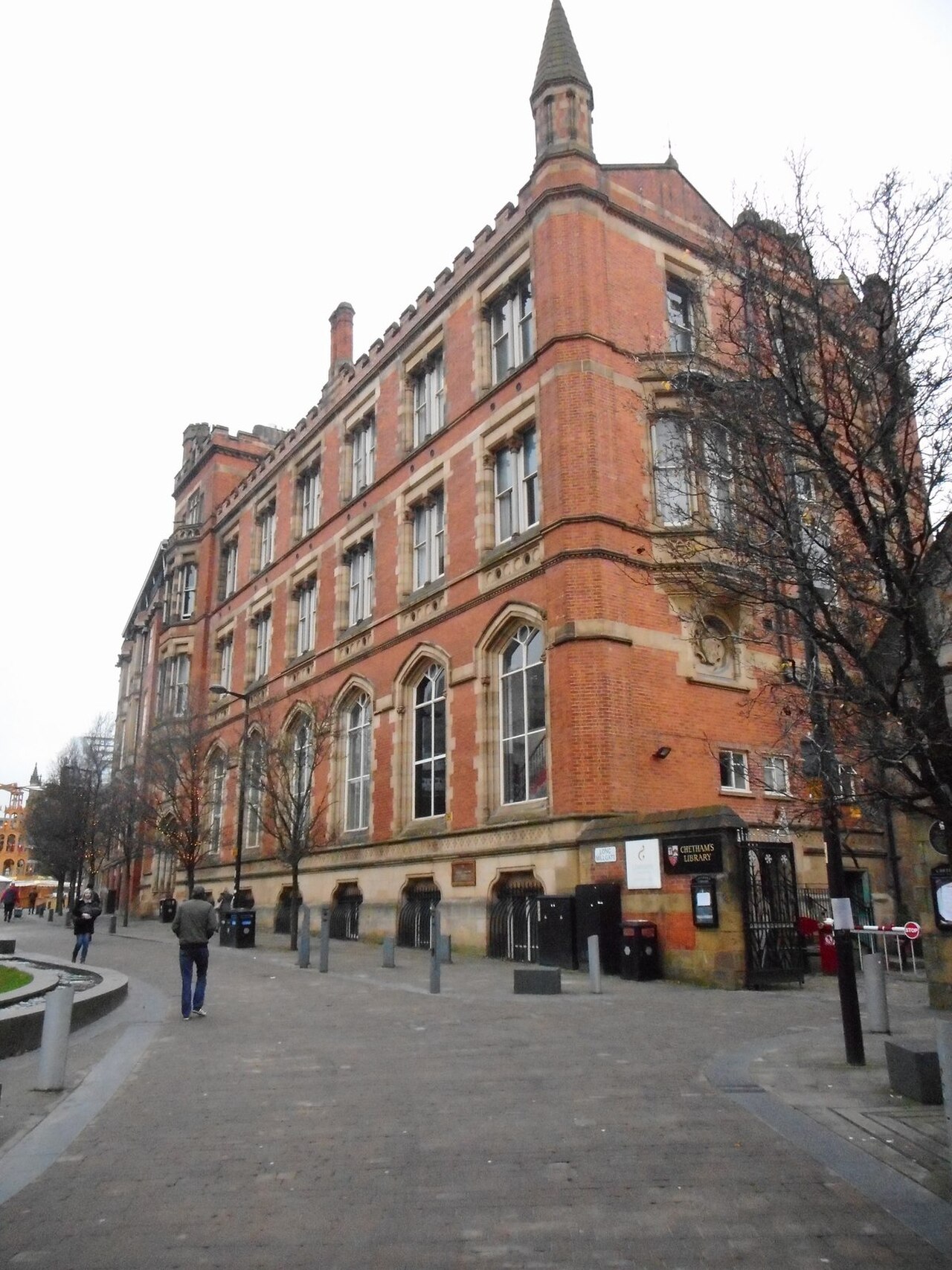
1 min walk
Chetham's Hospital
- Must see
- Historic monument
Language · 11 published
Nature site · Manchester
Reviewed by Elena Voss · Roavina Travel Editor
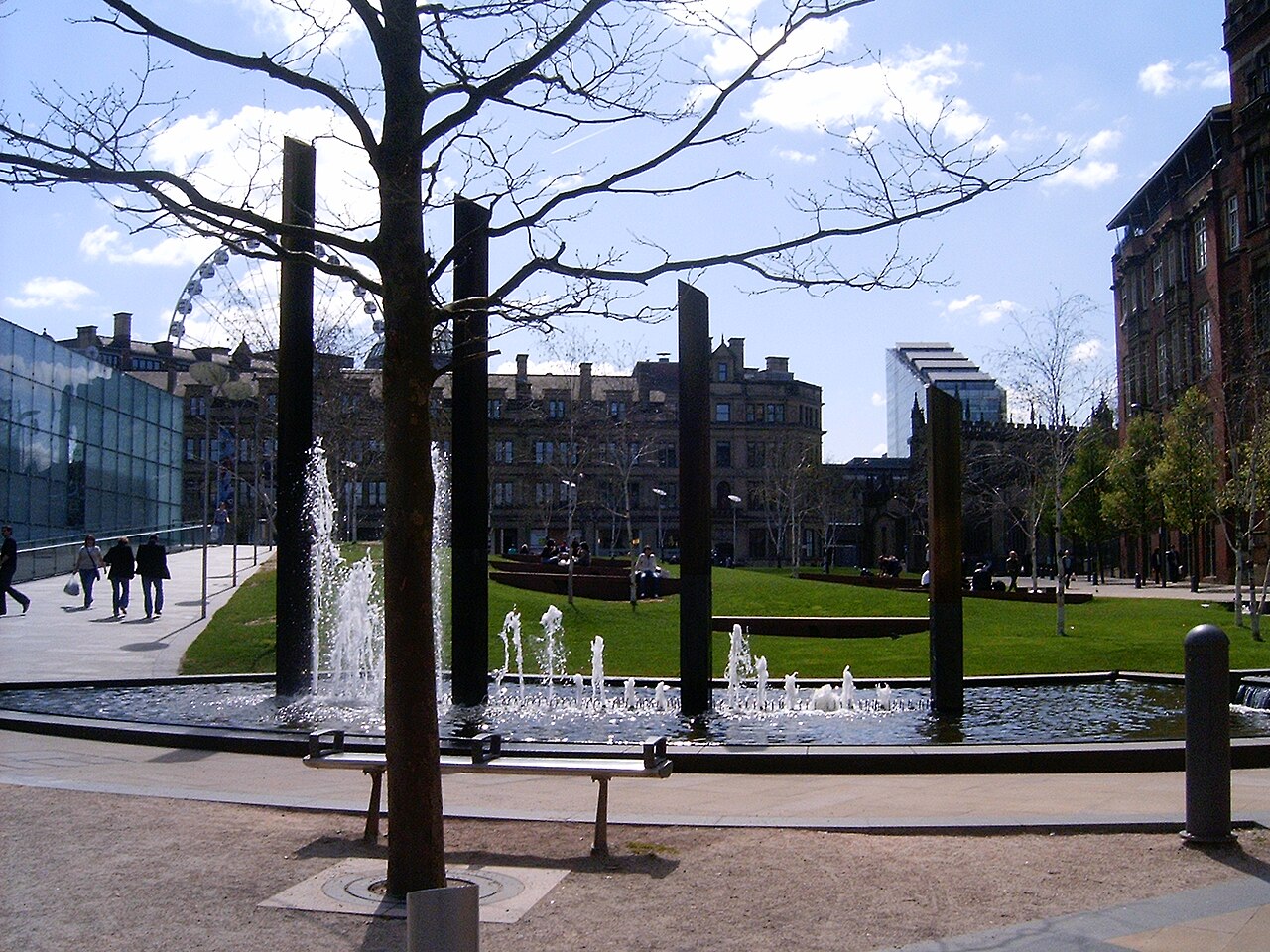
This place is a Park.
Cathedral Gardens is an open public green space in Manchester’s city centre, beside Manchester Cathedral. It forms part of the Cathedral Quarter and offers a break from the surrounding streets, shops and urban movement. Lawns, paths and seating make it useful both as a destination and as a pause between attractions. Its position beside the historic cathedral creates a clear contrast between Manchester’s medieval core and its modern city centre. Cathedral Gardens is an open public green space in Manchester city centre, adjacent to Manchester Cathedral. The gardens form part of the broader Cathedral Quarter area. The space serves as a pedestrian-friendly zone connecting various parts of the city centre. It features lawns, pathways, and seating areas. The gardens occupy a site with historical significance, lying near the medieval core of Manchester. The area has undergone redevelopment as part of urban regeneration efforts. It functions as both a thoroughfare and a place for rest. No. Cathedral Gardens is the public open space adjacent to Manchester Cathedral. The cathedral is a separate Grade I listed building. The gardens provide outdoor space near the cathedral but are distinct from it.
Checked 2026-08-26 · Source
The gardens are made up of landscaped green areas, paved walkways, planted sections and seating. There is no enclosed attraction within the gardens themselves, which keeps the experience simple and open. Manchester Cathedral stands immediately beside the space, while the National Football Museum is nearby. Look across the gardens for views that combine historic stonework, contemporary buildings and the movement of the city. It is a place for atmosphere, rest and urban orientation. The gardens contain landscaped green areas with grass lawns and paved walkways. Seating is provided for visitors. The space includes trees and planted areas. Adjacent to the gardens stands Manchester Cathedral, a Grade I listed building.
Checked 2026-08-26 · Source
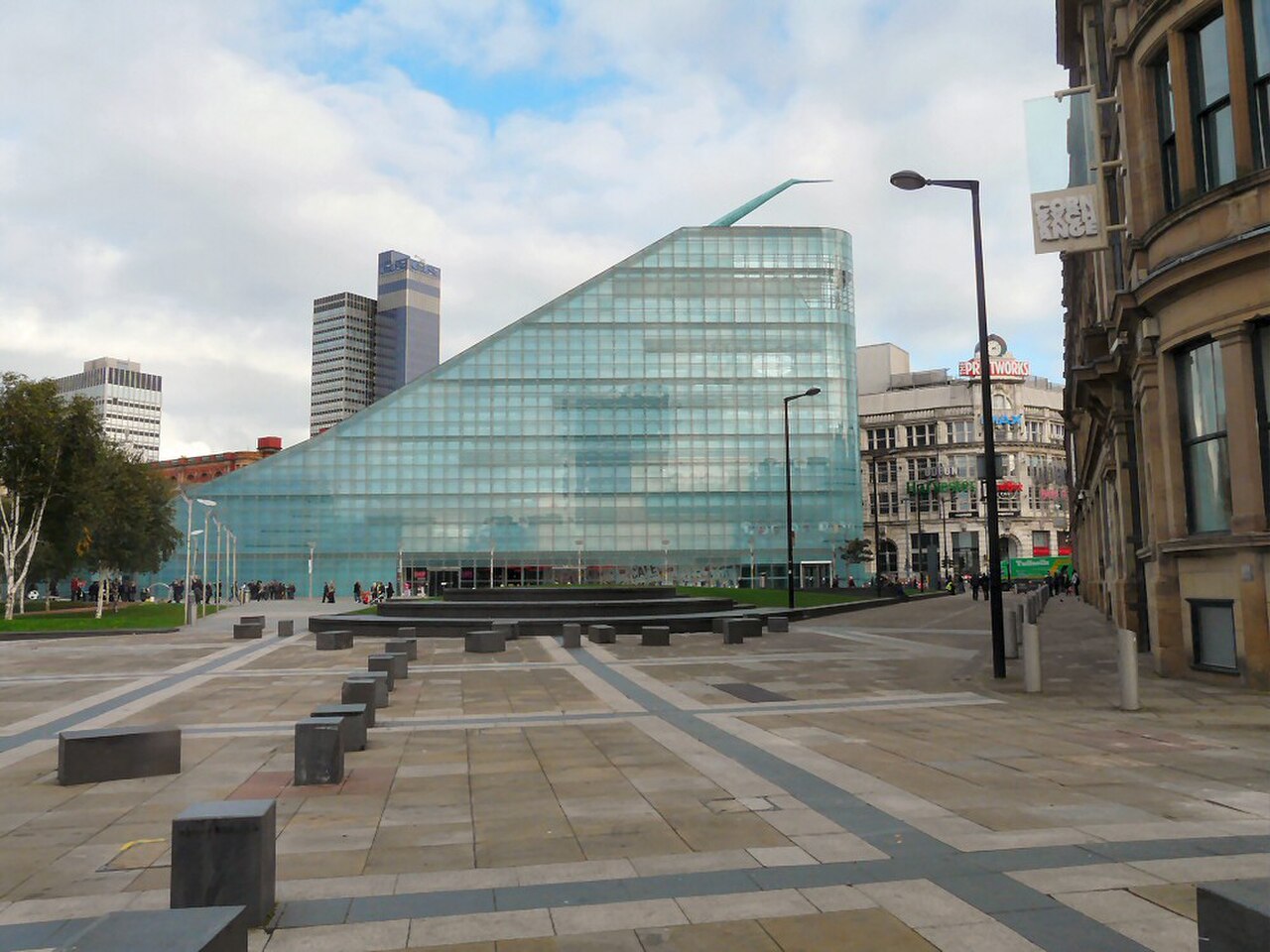
A short stop of around fifteen minutes is enough to cross the gardens, sit briefly and take in the cathedral setting. Allow longer if you want a relaxed pause, architectural photographs or time beside the nearby attractions. Cathedral Gardens is easy to include without restructuring a full day because it functions naturally as a link between city-centre sights. Use it as breathing space between indoor visits, shopping or a walk around the Cathedral Quarter.
Checked 2026-08-26 · Source
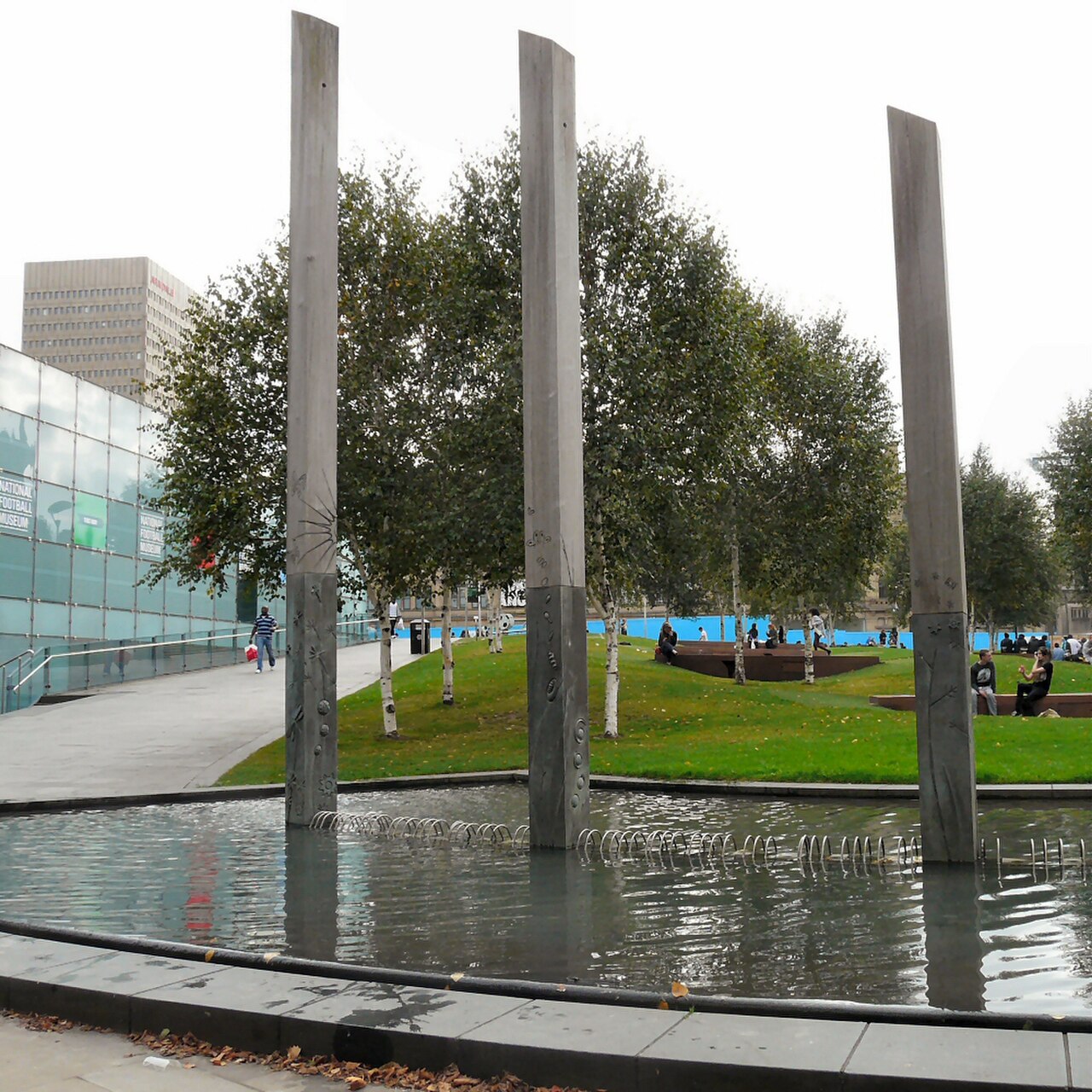
The gardens are most enjoyable when the weather allows you to use the lawns, paths and seating comfortably. Daytime gives the clearest view of Manchester Cathedral and the surrounding architecture. Lunch periods and weekends can bring more activity because the space sits in a busy central district. A quieter visit can make the gardens feel more restful, while busier moments reveal their role as a lively connection through the city centre.
Checked 2026-08-26 · Source
Cathedral Gardens is a public outdoor space and can be enjoyed without treating it as a ticketed attraction. The gardens themselves are a free place to pause, walk and view the surrounding architecture. Nearby destinations have their own arrangements, so separate time and planning may be needed for Manchester Cathedral or the National Football Museum. The gardens work particularly well as an open-air component of a day built around indoor cultural visits.
Checked 2026-08-26 · Source
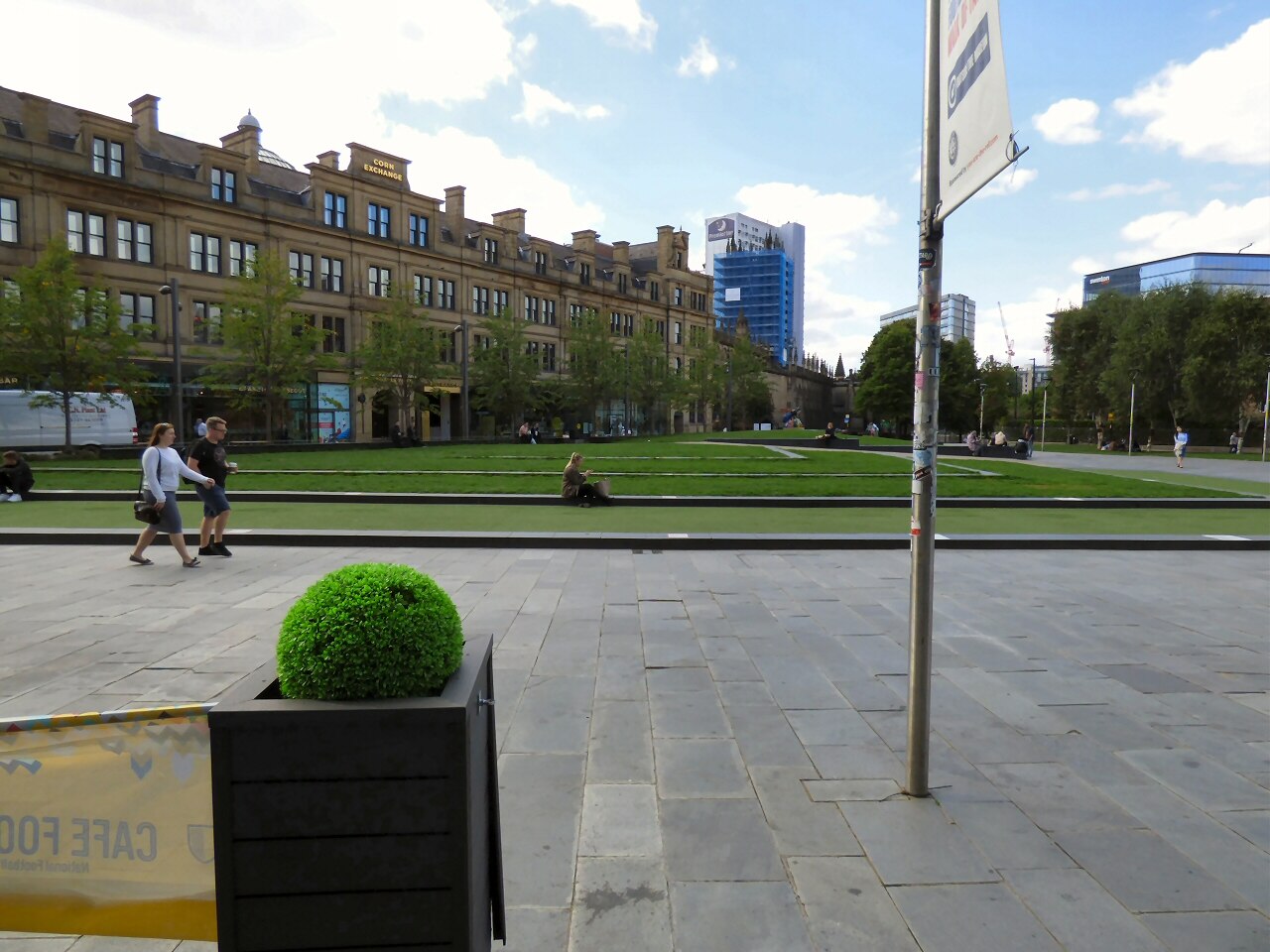
Cathedral Gardens is centrally placed beside Manchester Cathedral and close to Manchester Victoria railway station. It is also within walking distance of Exchange Square, Shudehill and the principal retail streets. This makes it a practical stop for a walking itinerary through central Manchester. Arriving by public transport keeps the visit straightforward, while drivers should plan around the city-centre setting. Once there, the gardens provide an easy visual link between several nearby landmarks.
Checked 2026-08-26 · Source
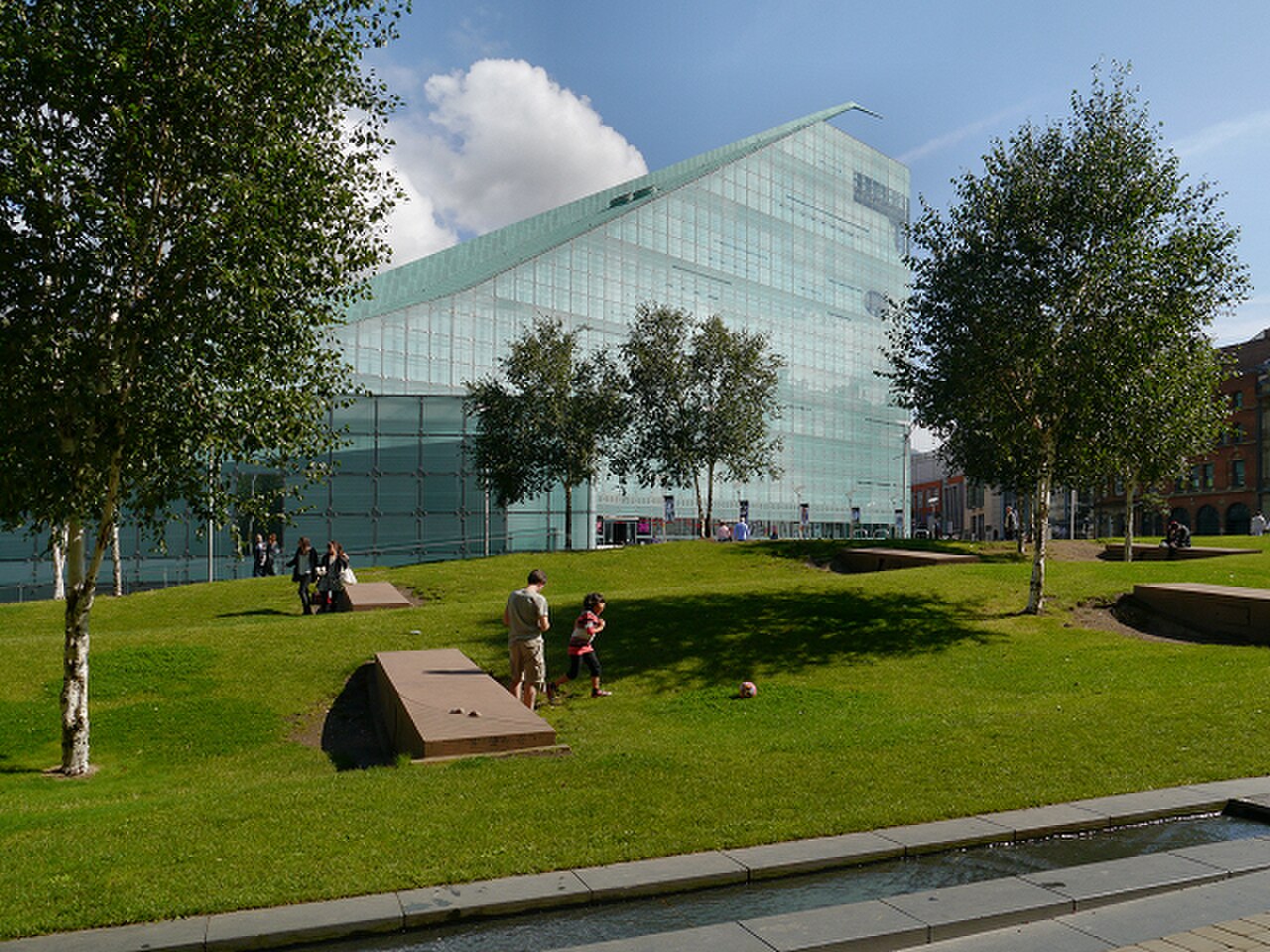
The gardens are exposed to Manchester weather, with limited shelter if rain or strong sun arrives. Paved and grassy surfaces create different walking conditions, particularly for visitors using wheels or pushchairs. The surrounding city centre can be busy, and gatherings may change the atmosphere or available seating. Keep ordinary urban awareness while moving through the space. In the evening, choose your route with care because lighting may not be uniform across every part of the gardens.
Checked 2026-08-26 · Source
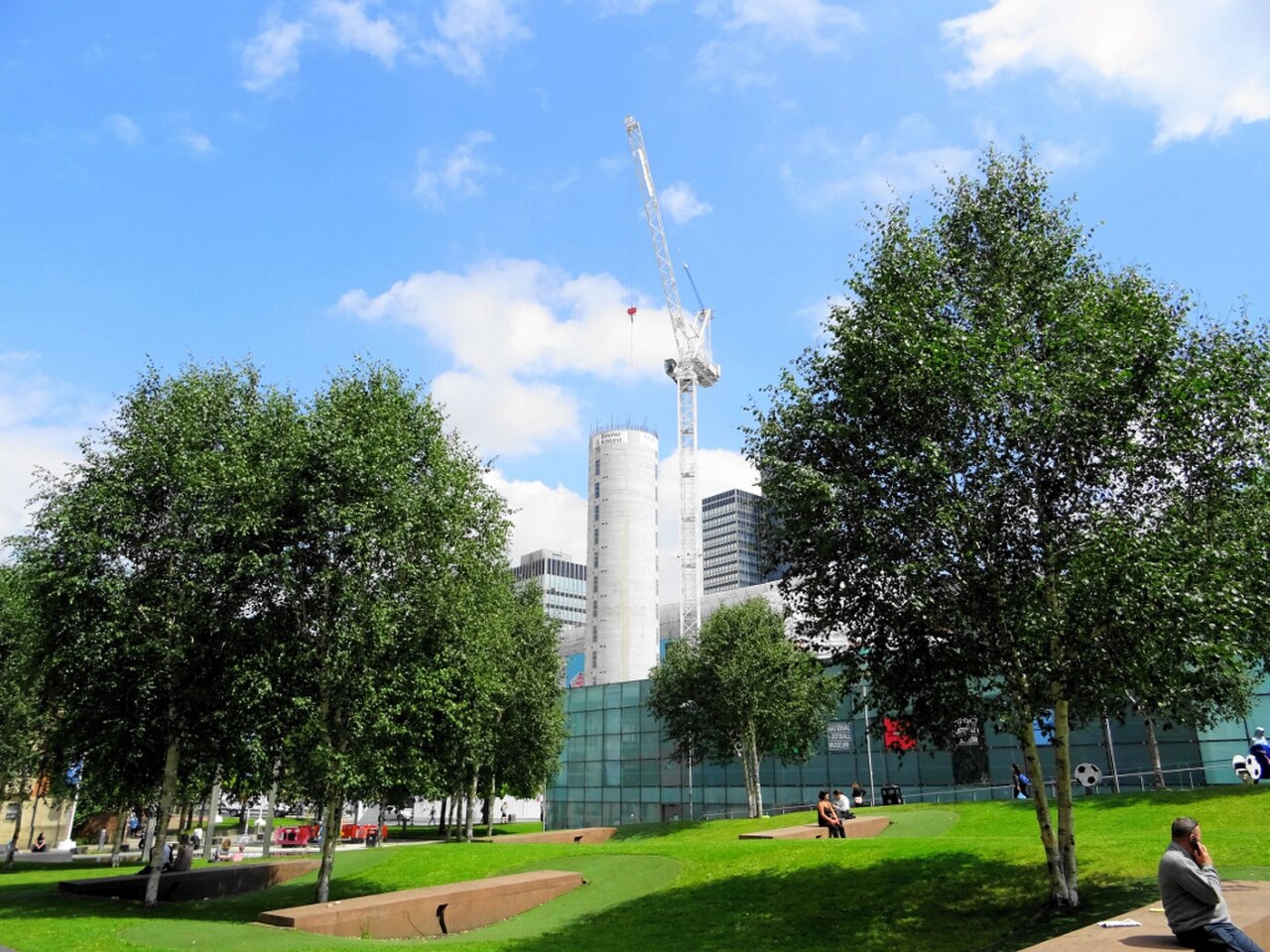
Cathedral Gardens offers strong urban compositions, particularly where the historic Manchester Cathedral meets modern buildings and open lawns. Use the paths and seating to vary your viewpoint, and look for architectural details rather than photographing only the broad square. Daylight helps show the stonework and planted areas clearly. Other visitors are part of the city-centre scene, so frame with consideration. The gardens are especially useful for photographs that place Manchester’s history within its present-day streetscape.
Checked 2026-08-26 · Source
No. Cathedral Gardens is the adjacent public green space, while Manchester Cathedral is a separate historic building beside it.
You can see Manchester Cathedral, surrounding historic and modern architecture, landscaped greenery and the nearby Cathedral Quarter streets.
Yes. Lawns, paths and seating make it a convenient pause between Manchester Cathedral, the National Football Museum and other central attractions.
The open space can provide a break during a family walk, although its city-centre setting means children need close supervision.
Allow about fifteen minutes for a quick pause, or longer if you want to sit, enjoy the setting and take photographs.
Its appeal is the combination of open green space, Manchester Cathedral and the contrast between the city’s historic and modern architecture.
Loading the interactive map…
The interactive map could not be loaded.

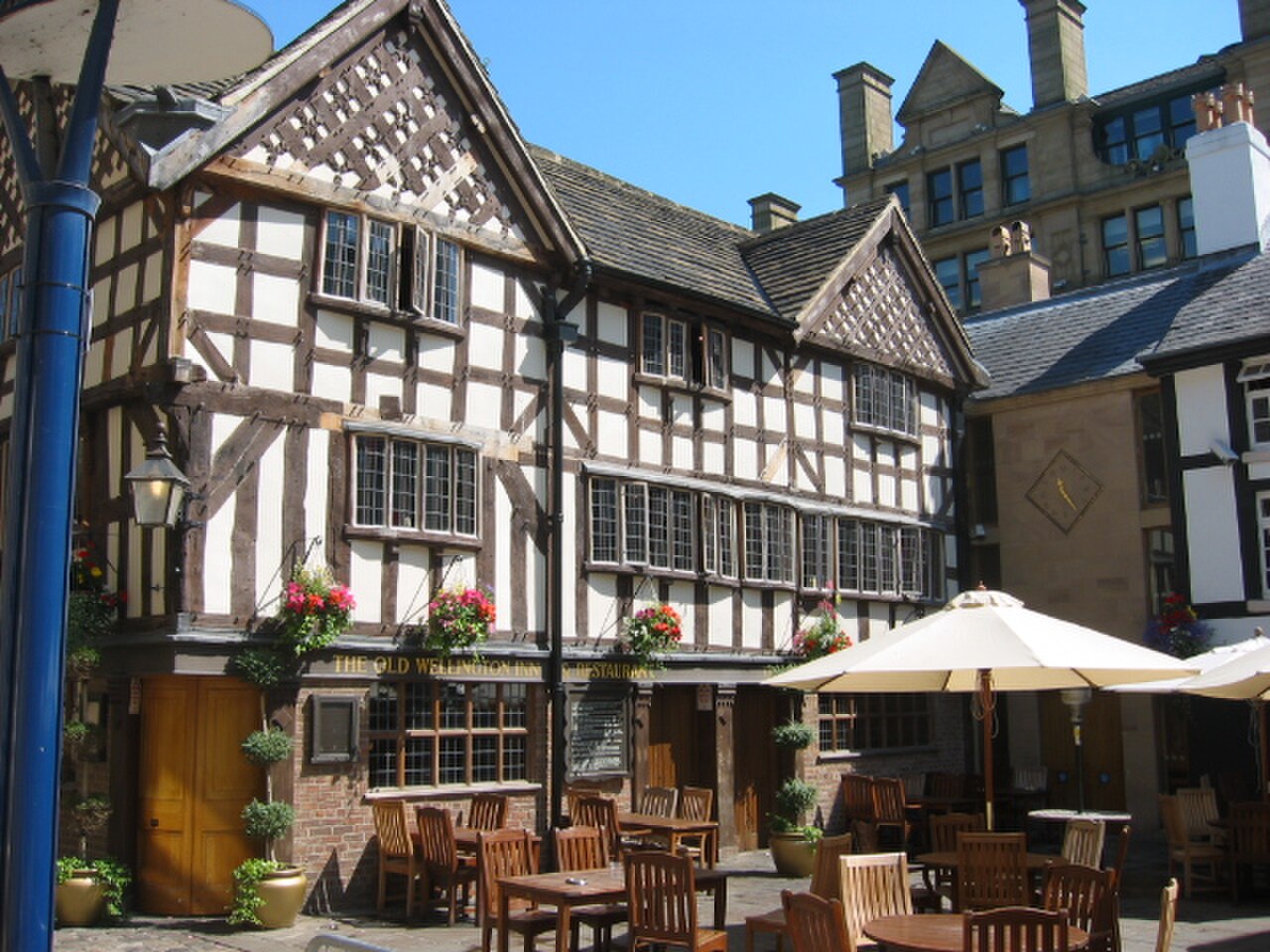
Last updated:
Source: OpenStreetMap contributors, Wikidata ·