


.jpg)
27 min walk
Alexandra Park, Manchester
- High · Heritage site
- Nature site
Historic monument · Manchester
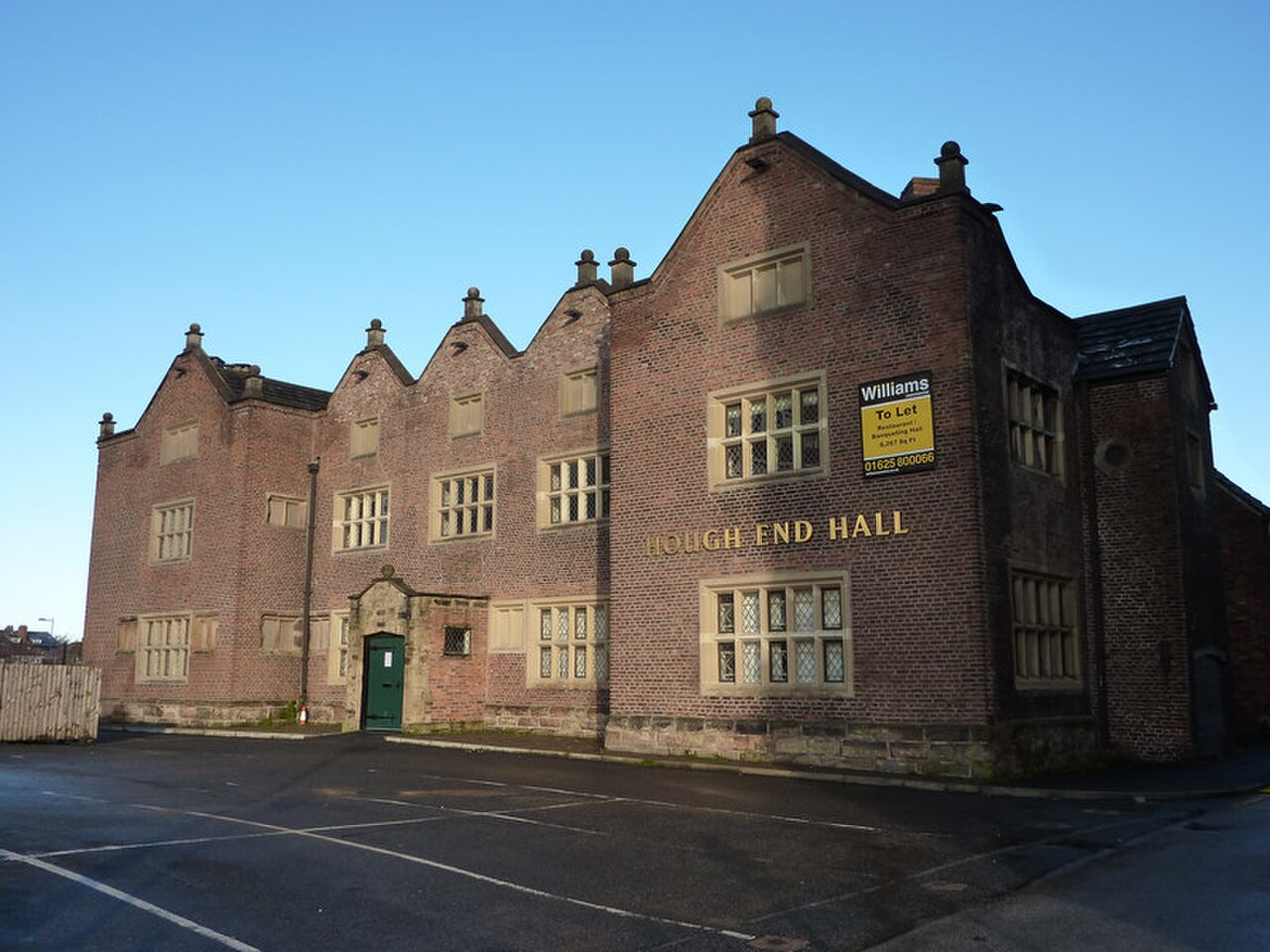
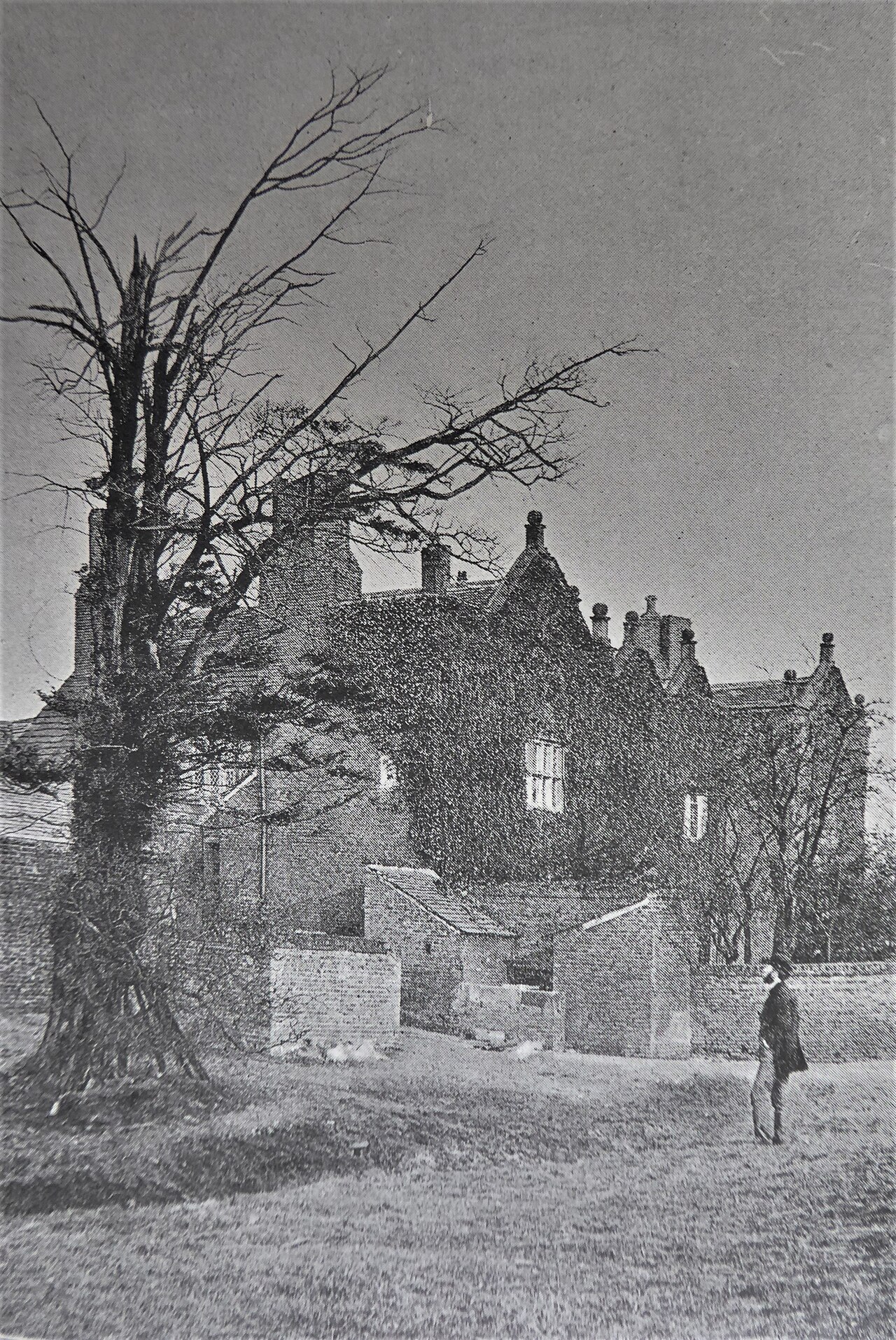
Hough End Hall is a historic building in the Chorlton-cum-Hardy area of south Manchester. Its protected listed status marks it as a building of heritage importance within the local landscape. The hall represents an earlier form of English domestic architecture and connects the modern district with Manchester’s landed history. For travellers, it is primarily an architectural and streetscape sight: a place to appreciate from public surroundings while walking through Chorlton-cum-Hardy. Hough End Hall is a historic building located in Manchester, England. The structure represents a significant example of English architectural heritage within the Greater Manchester area. As a listed building, it holds protected status recognising its historical importance. The hall dates from an earlier period of English domestic architecture, serving as a reminder of the region's landed gentry history. Its presence in the Chorlton-cum-Hardy area contributes to the local historical landscape. Visitors interested in Manchester's architectural heritage may find this site noteworthy. The building's exterior presents characteristic features of its construction period, though specific architectural details require specialist assessment. The building's current use and management arrangements are unclear. Direct enquiry to Manchester heritage services is required before visiting.
Checked 2026-08-26 · Source
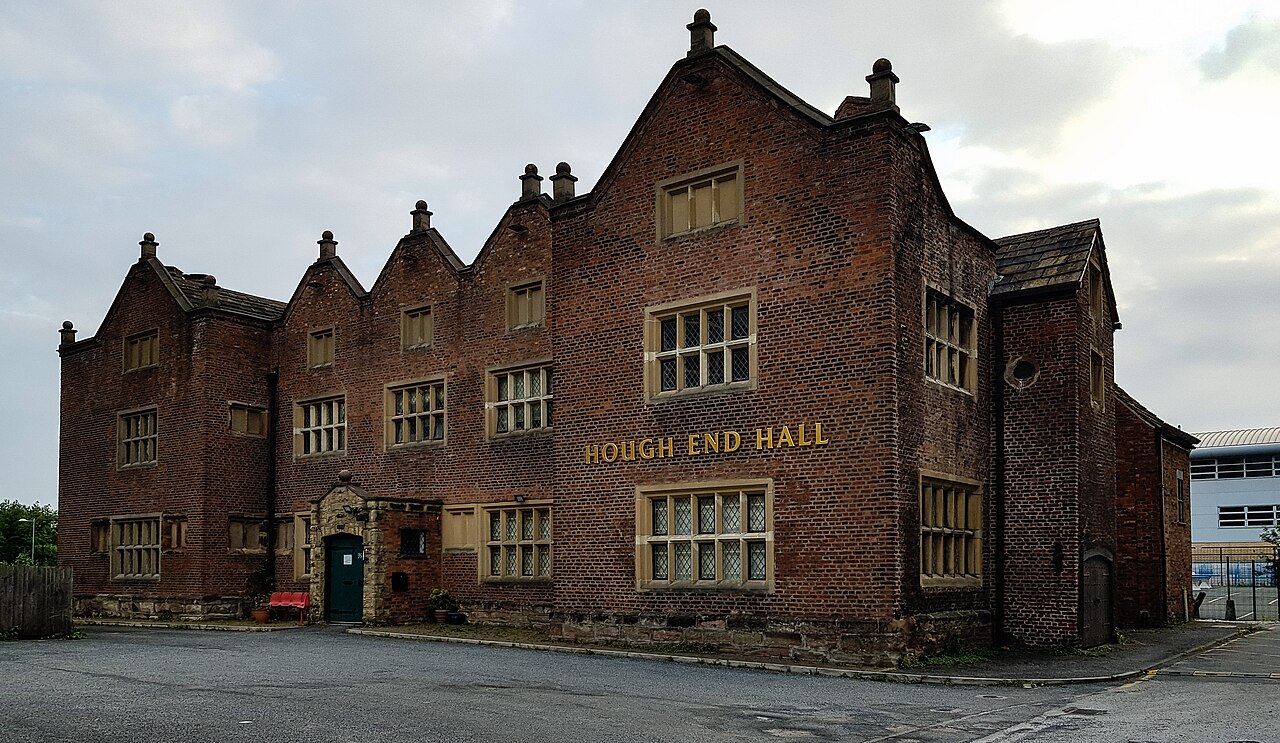
The hall’s heritage value lies in its historic building fabric and exterior presence. Features associated with an older English hall can include a composed façade, period windows, roofline, masonry, and other architectural details visible from outside. The building is not presented as a conventional museum with a public exhibition route. Plan around the exterior setting and the surrounding streets, where the hall’s relationship with Chorlton-cum-Hardy becomes part of the experience.
Checked 2026-08-26 · Source
Allow fifteen to thirty minutes for an exterior-focused stop and architectural photographs from public roads or paths. A longer visit makes sense when you combine the hall with a walk through Chorlton-cum-Hardy or nearby Manchester cycle routes. The site is best treated as one element in a south Manchester outing rather than as a full-day attraction. Keep the pace respectful and allow time to view the building from permitted public positions.
Checked 2026-08-26 · Source
Visit in daylight, when the exterior and architectural details are easiest to see. Manchester’s changeable weather makes a waterproof layer useful for an outdoor viewing stop, and sturdy footwear helps if you reach the area on foot or by cycle route. Weekdays, weekends, and bank holidays may change the feel of the surrounding streets, but the hall remains a sight best approached as part of a flexible local walk. Leave room in the plan for wet-weather pauses nearby.
Checked 2026-08-26 · Source
There is no standard ticket for viewing Hough End Hall from public streets or rights-of-way. The building is not described as a regular ticketed museum, so an exterior visit can be included without an admission payment. If a heritage event or specially arranged interior opening takes place, that would be a separate experience with its own conditions. Keep the visit focused on the publicly visible architecture unless an authorised arrangement specifically provides access inside.
Checked 2026-08-26 · Source

Hough End Hall is in Chorlton-cum-Hardy, south Manchester. Reach the area by bus from the city centre or by Metrolink to Chorlton, followed by a walk. The Fallowfield Loop and other Manchester cycle routes offer a practical approach for cyclists. Walking from Chorlton centre takes roughly fifteen to twenty minutes. Road access connects with the wider Manchester network, including the M60, but parking beside the hall is not confirmed, so public transport or walking is the simpler plan.
Checked 2026-08-26 · Source
Treat Hough End Hall as a heritage building in a lived-in area. Stay on public paths and do not cross boundaries or enter doors, grounds, or buildings without clear permission. Busy roads around the district require care when crossing. Manchester rain can leave walking routes wet, so waterproof clothing and secure footwear are useful. The hall itself is not described with visitor toilets, refreshments, or seating. If interior access is offered separately, older buildings may include steps, uneven surfaces, and narrow doorways.
Checked 2026-08-26 · Source
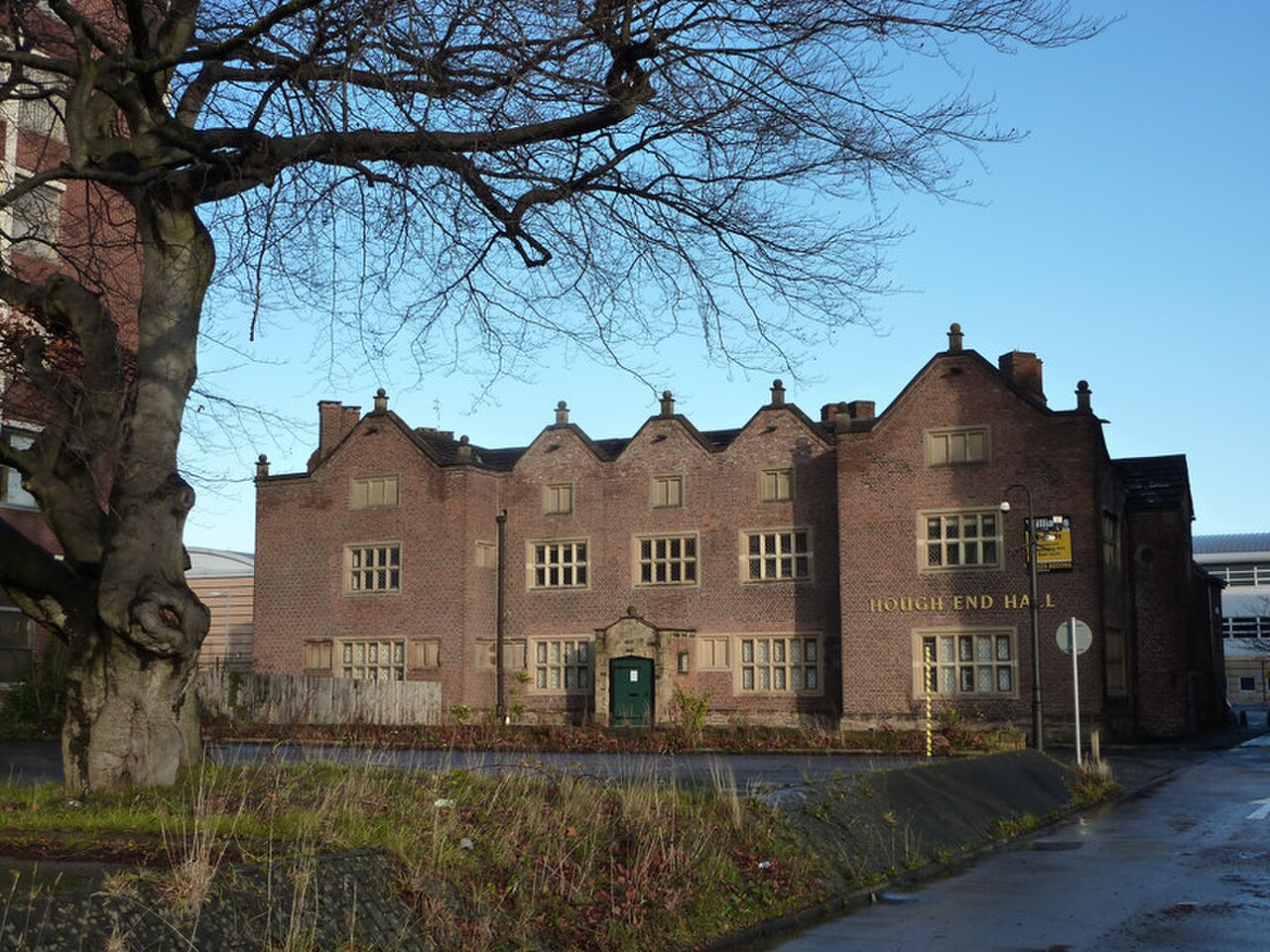
Photograph the hall’s façade, windows, roofline, and relationship with the surrounding streets from public positions. Morning and late-afternoon light can reveal masonry and architectural relief, while Manchester’s overcast skies often create even illumination. A wide lens helps when boundaries limit distance from the building. Keep a tripod out of the way of pedestrians, and be discreet if the property is occupied. Interior and aerial photography require separate permission and should not be treated as part of an ordinary exterior visit.
Checked 2026-08-26 · Source
It is a listed historic building in Chorlton-cum-Hardy, valued for its heritage character and earlier English domestic architecture.
Allow fifteen to thirty minutes for viewing and photographs, with extra time if you add a walk through Chorlton-cum-Hardy.
Use bus services to Chorlton-cum-Hardy or the Metrolink to Chorlton, then continue on foot; cycling via the Fallowfield Loop is another option.
Exterior photography from public roads and rights-of-way is suitable; remain outside private boundaries and respect the privacy of occupants.
It is presented as a historic listed building rather than a conventional museum with a regular exhibition route.
No ticket is needed for exterior viewing from public streets or rights-of-way.
Loading the interactive map…
The interactive map could not be loaded.

Last updated:
Source: OpenStreetMap contributors, Wikidata ·