.jpg)


5 min walk
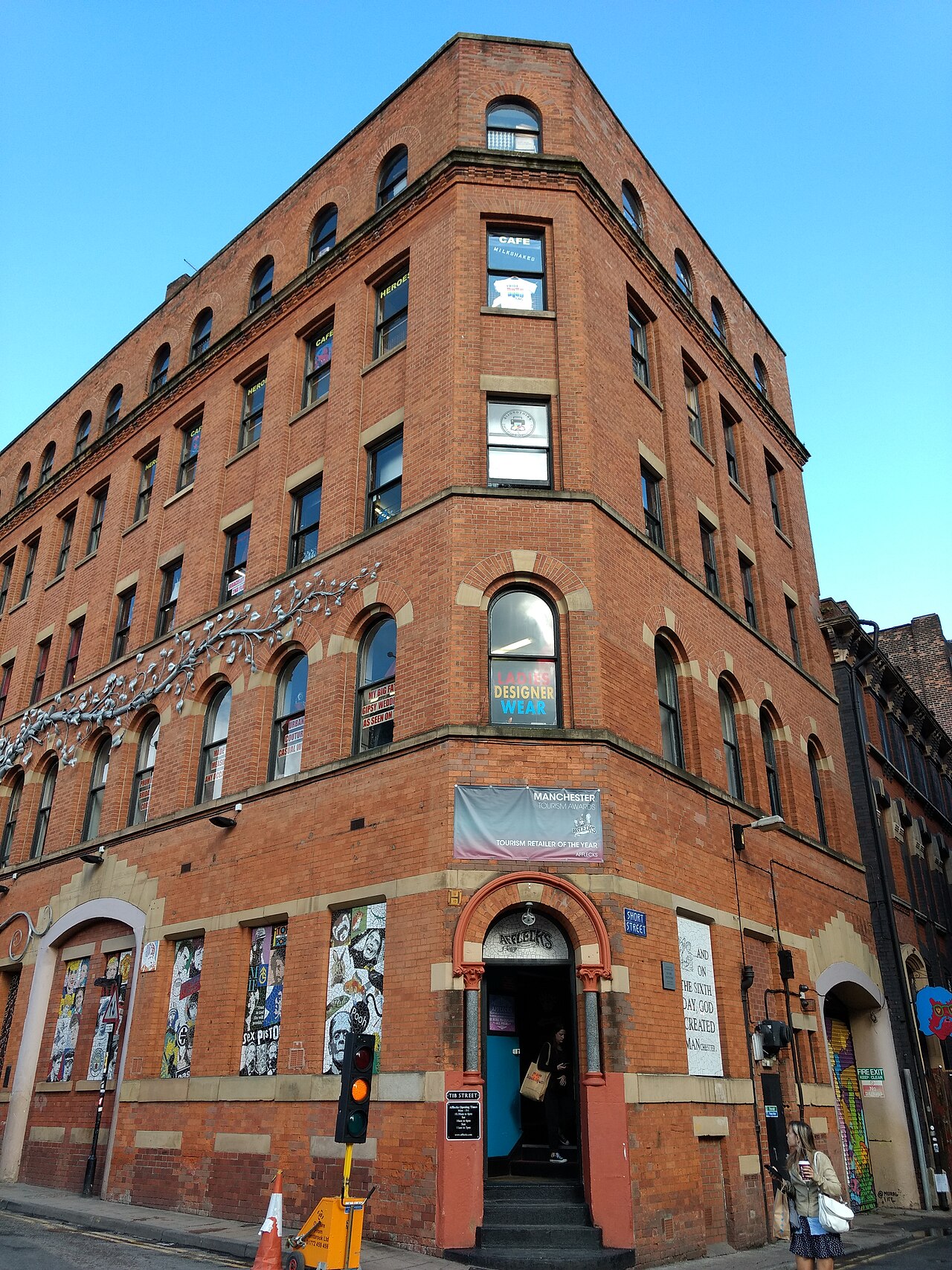
Afflecks
- Must see
- Market
Historic monument · Manchester
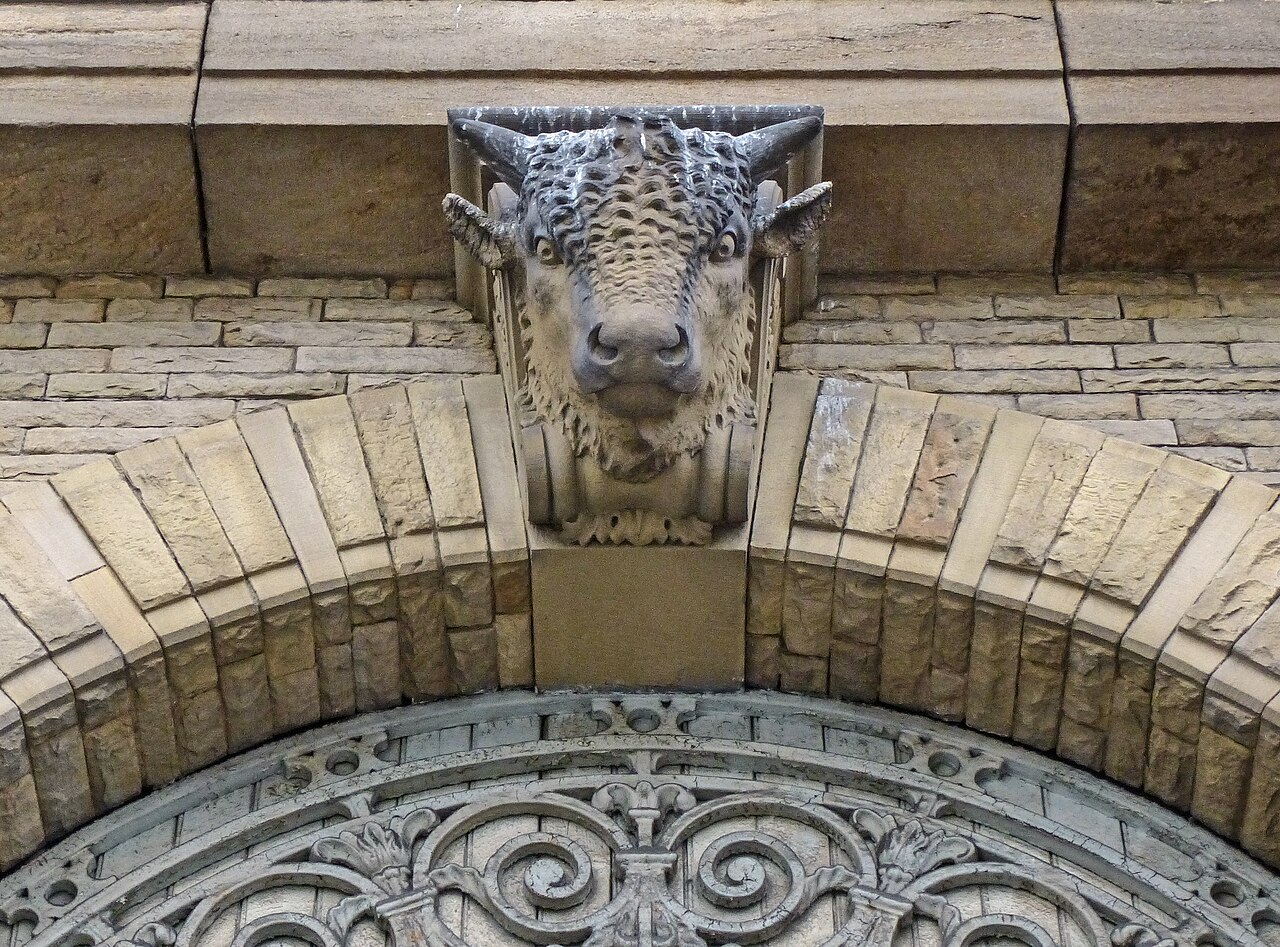
Smithfield Market Hall is a historic market building in Manchester and a reminder of the city’s commercial and industrial past. Its identity comes from the market function associated with the building and the role such halls played in urban trade. Travellers interested in Manchester’s built heritage can use it as a short architectural stop, especially when exploring the city centre on foot. The hall is best understood through its structure and setting rather than through a guaranteed visitor programme. Smithfield Market Hall is a historic market building in Manchester, England. It stands as a significant example of Victorian market architecture in the city centre. The structure has served as a commercial hub for trade and commerce over multiple generations. Its designation as a notable city place reflects its enduring role in Manchester's urban fabric. The building represents an important layer of the city's industrial and mercantile heritage, contributing to the distinctive character of this part of Manchester. Visitors must verify accessibility directly with Manchester authorities or current operators before travelling.
Checked 2026-08-26 · Source
The hall was designed around market activity, with an open interior suited to vendors, customers and the movement of goods. Its historical character is connected to the practical needs of trading rather than to a gallery collection. Architectural details associated with Victorian market construction can make the building rewarding to study from outside and, where entry is available, from within. Treat any present interior activity as part of the building’s current use, not as a staged exhibition for visitors.
Checked 2026-08-26 · Source
Allow fifteen to thirty minutes for an exterior visit and a short architectural study. If the interior can be entered, forty-five minutes to an hour gives more time to look at the hall’s scale, structure and relationship with market activity. The stop can be brief when included between other central Manchester landmarks. Visitors who enjoy architectural photography may stay longer, but the building does not need to occupy an entire morning unless a specific event or commercial purpose brings you there.
Checked 2026-08-26 · Source
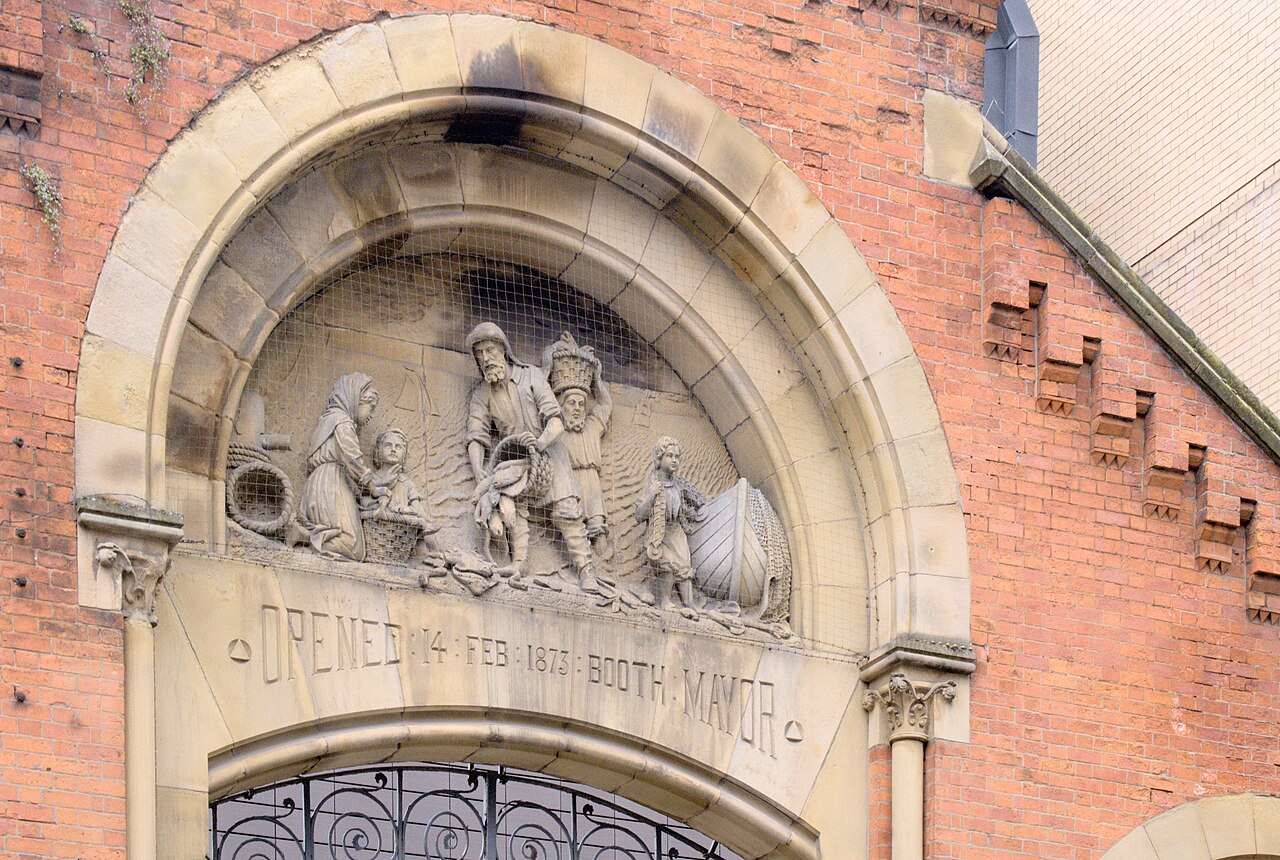
Daylight is the most useful time for appreciating the hall’s exterior form and photographing its relationship with the surrounding city streets. If your purpose is to see inside, plan the stop around the building’s active use rather than treating it like a museum with a fixed gallery schedule. Manchester’s rain and wind can make exterior viewing uncomfortable, so keep the visit flexible. The hall works especially well as part of a central walking day with nearby historic streets and markets.
Checked 2026-08-26 · Source
Smithfield Market Hall is a heritage building rather than a standard ticketed attraction. An exterior visit does not require an admission ticket. Entry arrangements inside may depend on the building’s current use, while any event or commercial activity can have its own conditions. Plan the architectural stop without a ticket, and treat organised activities as separate occasions. The hall’s interest comes from its historic market character and Manchester setting, not from a conventional paid museum circuit.
Checked 2026-08-26 · Source
Smithfield Market Hall is in central Manchester, where it can be reached as part of a walking route through the city. Manchester Piccadilly and Manchester Victoria provide major rail connections, and the city centre’s tram and bus network supports onward travel. Use current mapping for the final approach and the most convenient stop. Walking is often the simplest way to understand the hall in context because surrounding streets and other historic commercial buildings form part of the experience.
Checked 2026-08-26 · Source
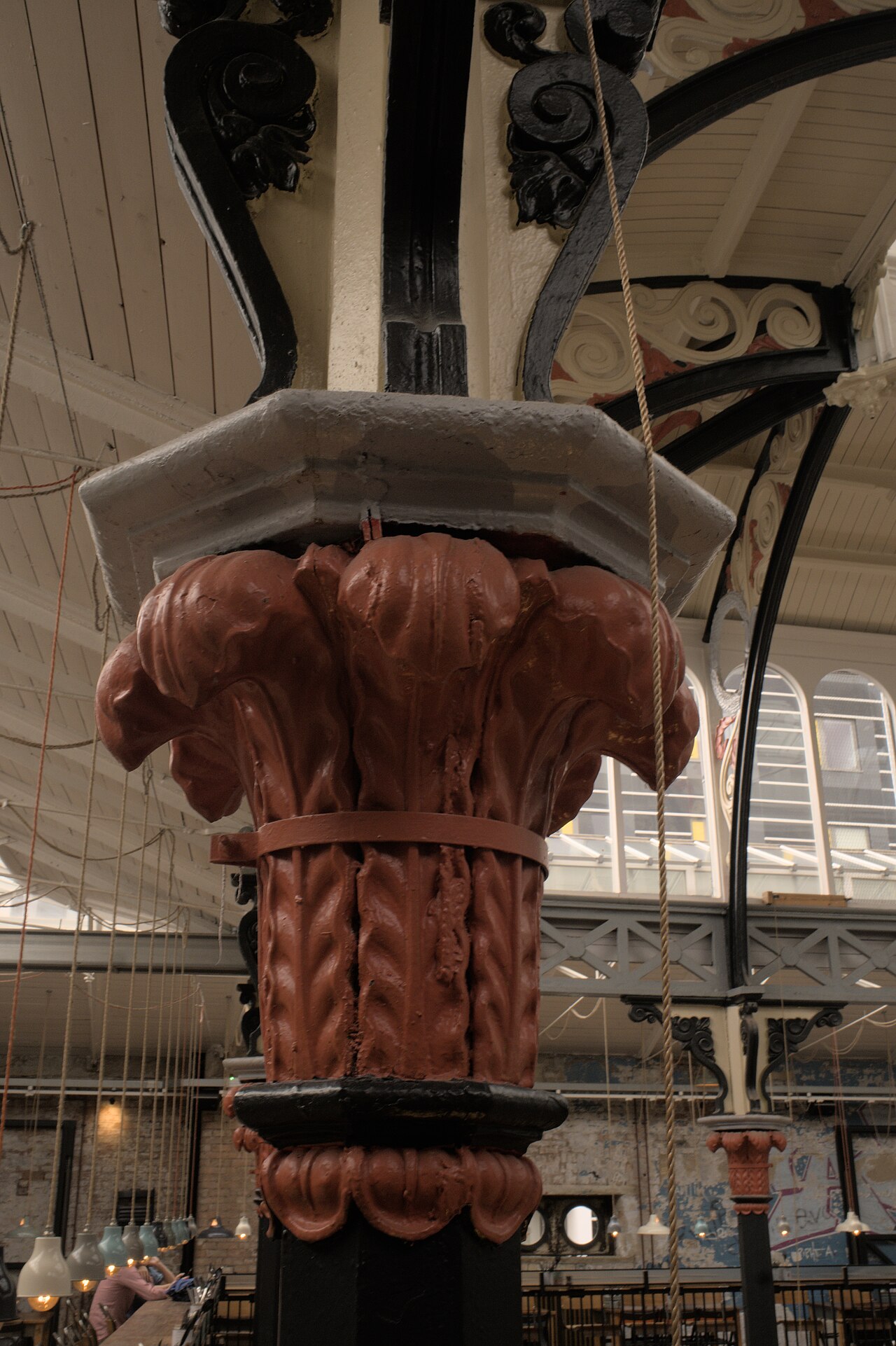
Historic market buildings can have hard surfaces, steps and uneven transitions, so move carefully and consider the needs of anyone with reduced mobility. If trading or other commercial activity is taking place, leave clear space for workers and customers. Keep belongings secure in busy city streets and dress for Manchester’s changeable weather. Follow signs inside the building and do not enter operational areas. The hall rewards patient observation, but it is still part of a working urban environment.
Checked 2026-08-26 · Source
Smithfield Market Hall offers strong subject matter for documenting Manchester’s market architecture. Photograph the exterior from public streets, using the roofline, structure and surrounding façades to show the building in context. Inside, ask before photographing traders, customers, goods or commercial activity. Keep tripods and large equipment out of circulation routes, and respect any posted restrictions. Overcast Manchester light can bring out texture in brick, stone and metal, making a simple daytime walk productive for architectural images.
Checked 2026-08-26 · Source
It represents Manchester’s Victorian market architecture and the commercial role of historic urban trading halls.
Allow fifteen to thirty minutes outside, or up to an hour when interior access and detailed architectural study are available.
It is in central Manchester and can be included in a walking route linking historic commercial streets and other city landmarks.
An exterior visit does not require an attraction ticket; separate events or commercial activities may have their own arrangements.
Exterior photography suits the building; inside, ask before photographing traders, customers, goods or operational areas.
Look at its market-oriented scale, structural character and relationship with the surrounding streets of Manchester’s historic commercial centre.
Loading the interactive map…
The interactive map could not be loaded.
Last updated:
Source: OpenStreetMap contributors, Wikidata ·