
2 min walk
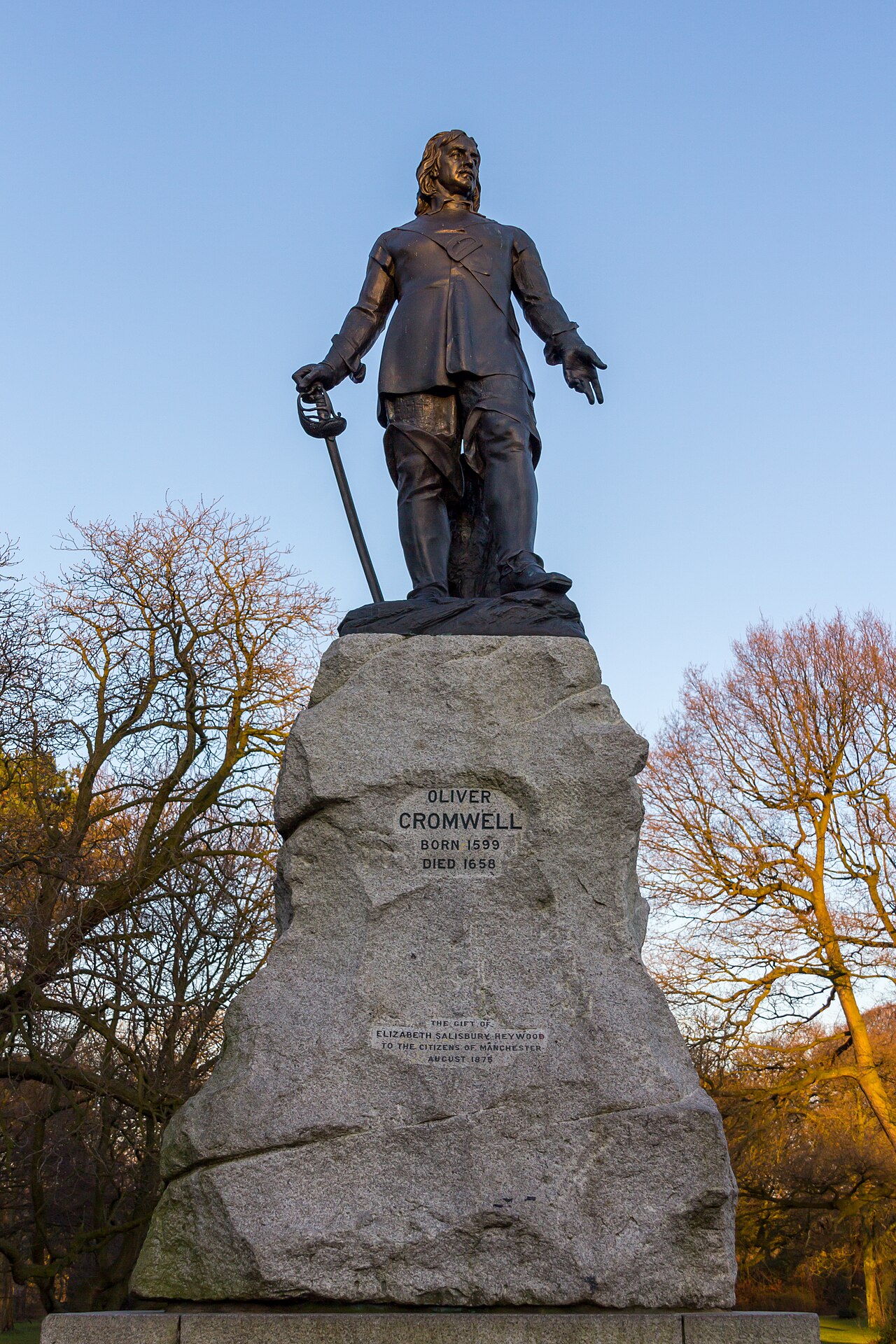
Statue of Oliver Cromwell
- High · Heritage site
- Art and culture venue
Historic monument · Manchester
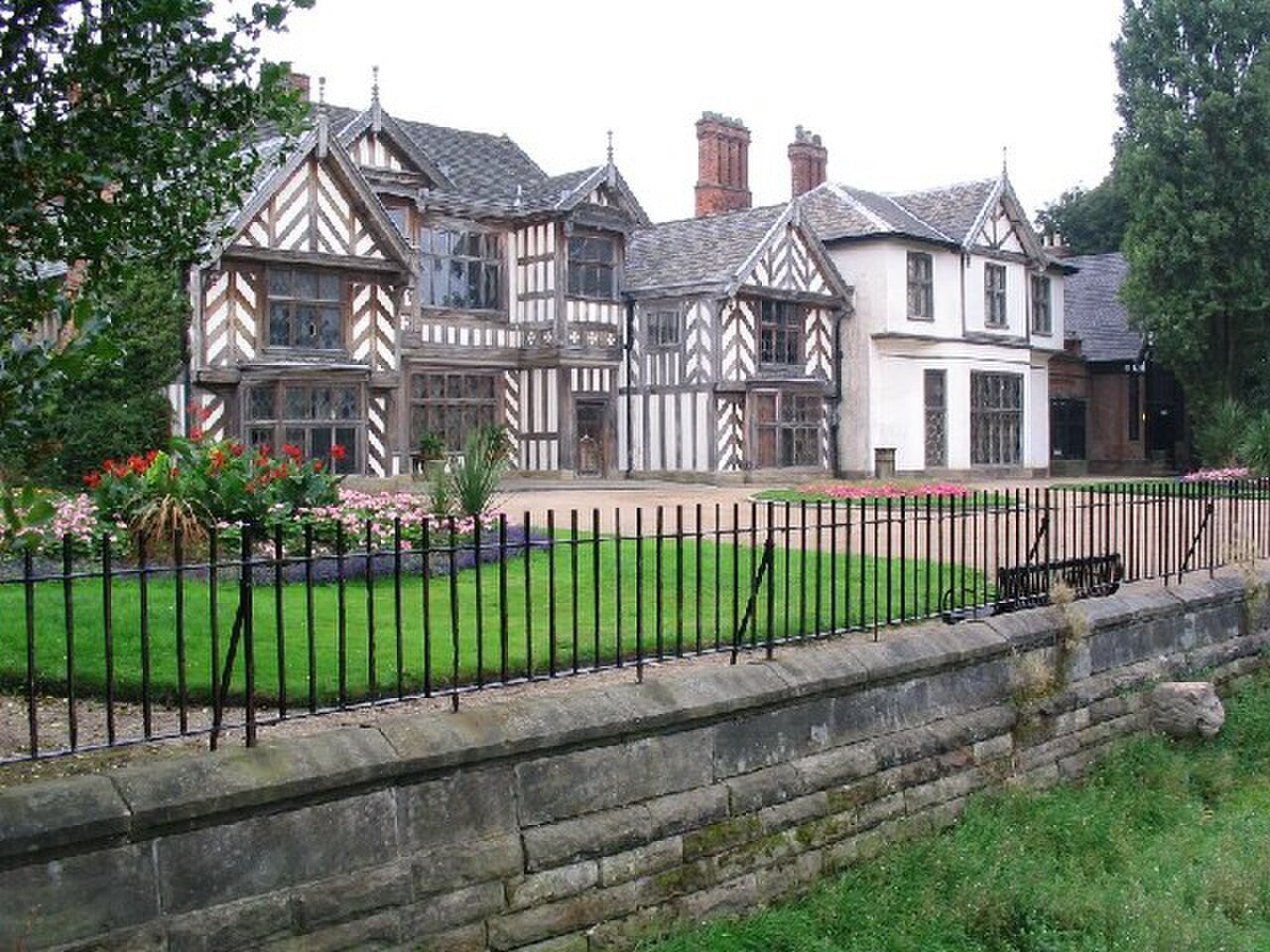
Wythenshawe Hall is a sixteenth-century timber-framed manor house in Wythenshawe Park, south Manchester. Later additions give the building a layered appearance, while its setting in substantial parkland connects the historic house with a much larger public landscape. The hall represents the domestic and architectural history of the region rather than Manchester's better-known industrial story. Restoration after fire damage is part of its modern history. For travellers, the attraction combines a heritage building with open green space, making it suitable for a half-day outing beyond the city centre.
Checked 2026-08-26 · Source
Inside Wythenshawe Hall, the main points of interest are the timber framing, plasterwork and details from different phases of the building's development. These features show how a historic manor house changed over time rather than presenting one perfectly uniform architectural moment. Look closely at the structure and decorative surfaces, then compare the interior with the exterior form visible from the park. The hall's historic fabric carries much of the story, while any additional rooms or displays should be treated as part of the wider architectural experience. The surrounding park supplies the essential landscape context.
Checked 2026-08-26 · Source
Allow enough time for both the hall and Wythenshawe Park. A focused look at the building and its exterior can form a shorter visit, while combining the house with a walk through the park creates a more relaxed half-day outing. The parkland changes the rhythm of the visit: after examining timber framing and historic details indoors, you can step outside to see the hall in its wider landscape. Photographers and visitors interested in architecture may want extra time for changing viewpoints. Families can also treat the park as part of the attraction rather than simply a route to the entrance.
Checked 2026-08-26 · Source
Choose a day when you can enjoy both the building and the parkland. Dry weather gives you more freedom to explore the grounds and see the hall in context, while the historic house provides an indoor focus when Manchester's weather turns wet. Seasonal changes alter the surrounding vegetation and the views across the park. The site is particularly rewarding for visitors who prefer combining heritage with a walk rather than spending the whole day in galleries. Plan the return journey with the park's wider setting in mind, especially if your visit extends into the later part of the day.
Checked 2026-08-26 · Source
Wythenshawe Hall is best understood as part of Wythenshawe Park, not as a standalone interior attraction. The historic building provides the architectural focus, while the surrounding grounds add space for walking and exterior views. This combination makes the visit worthwhile for travellers with different interests: architecture enthusiasts can study the timber framing and later additions, while others can spend more time outdoors. The hall's restoration history adds another layer to the visit, showing that heritage buildings remain vulnerable and require continuing care. Allow the park setting to shape the pace of your day.
Checked 2026-08-26 · Source
Wythenshawe Hall stands within Wythenshawe Park in south Manchester, away from the central tourist core. Bus services connect the surrounding district, followed by a walk through the park to the building. Road access uses local streets into Wythenshawe, and cyclists can approach through the area's wider network. The parkland approach is part of the experience, so allow more time than the direct distance to the hall might suggest. Use the supplied map point to distinguish the hall from other destinations in Wythenshawe, then follow the park paths toward the historic building.
Checked 2026-08-26 · Source
The hall's historic construction means that stairs, uneven floors and narrow doorways may shape the interior visit. Outside, park paths can become less comfortable after rain, and natural features require ordinary care, particularly when travelling with children. Wear shoes suited to both a heritage building and a walk through open grounds. The distance from central Manchester also makes this a destination worth planning as a complete outing rather than an improvised detour. Keep the hall and the return route in view when exploring the park, since the grounds are considerably broader than the building itself.
Checked 2026-08-26 · Source
Wythenshawe Hall is especially photogenic when shown within its parkland setting. Step back across the grounds to include the timber-framed façade, trees and open space, then move closer for details in the framing, plasterwork and later additions. Seasonal foliage changes the balance between building and landscape, while softer light can emphasise the textures of the historic exterior. Inside, architectural details such as joinery and room openings provide more useful subjects than crowded wide shots. Keep paths clear and treat the hall's restored fabric with care while photographing it.
Checked 2026-08-26 · Source
It is a sixteenth-century timber-framed manor house in Wythenshawe Park, south Manchester, with later additions and a history of restoration after fire damage.
The visit focuses on timber framing, plasterwork and architectural details from different stages of the building's development, together with views of the hall in its parkland setting.
Yes. The hall stands within Wythenshawe Park, and walking through the grounds adds landscape context and extra time to the heritage visit.
Allow longer than a brief look at the building if you want to explore the surrounding park. The hall and grounds together work well as a relaxed half-day outing.
Bus services reach the surrounding Wythenshawe area, followed by a walk through Wythenshawe Park. Road and cycle approaches are also available through the district's local network.
It preserves a regional example of domestic timber-framed architecture and shows how a manor house developed through later additions, restoration and changing use.
Loading the interactive map…
The interactive map could not be loaded.
Last updated:
Source: OpenStreetMap contributors, Wikidata ·