
01
1 hr 30 min
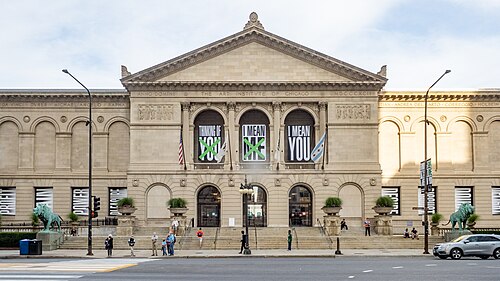
Art Institute of Chicago
The Art Institute of Chicago
Art Institute of Chicago is an encyclopedic art museum beside Grant Park, with historic galleries and the Modern Wing.
- Must see
- Museum
City guide · United States
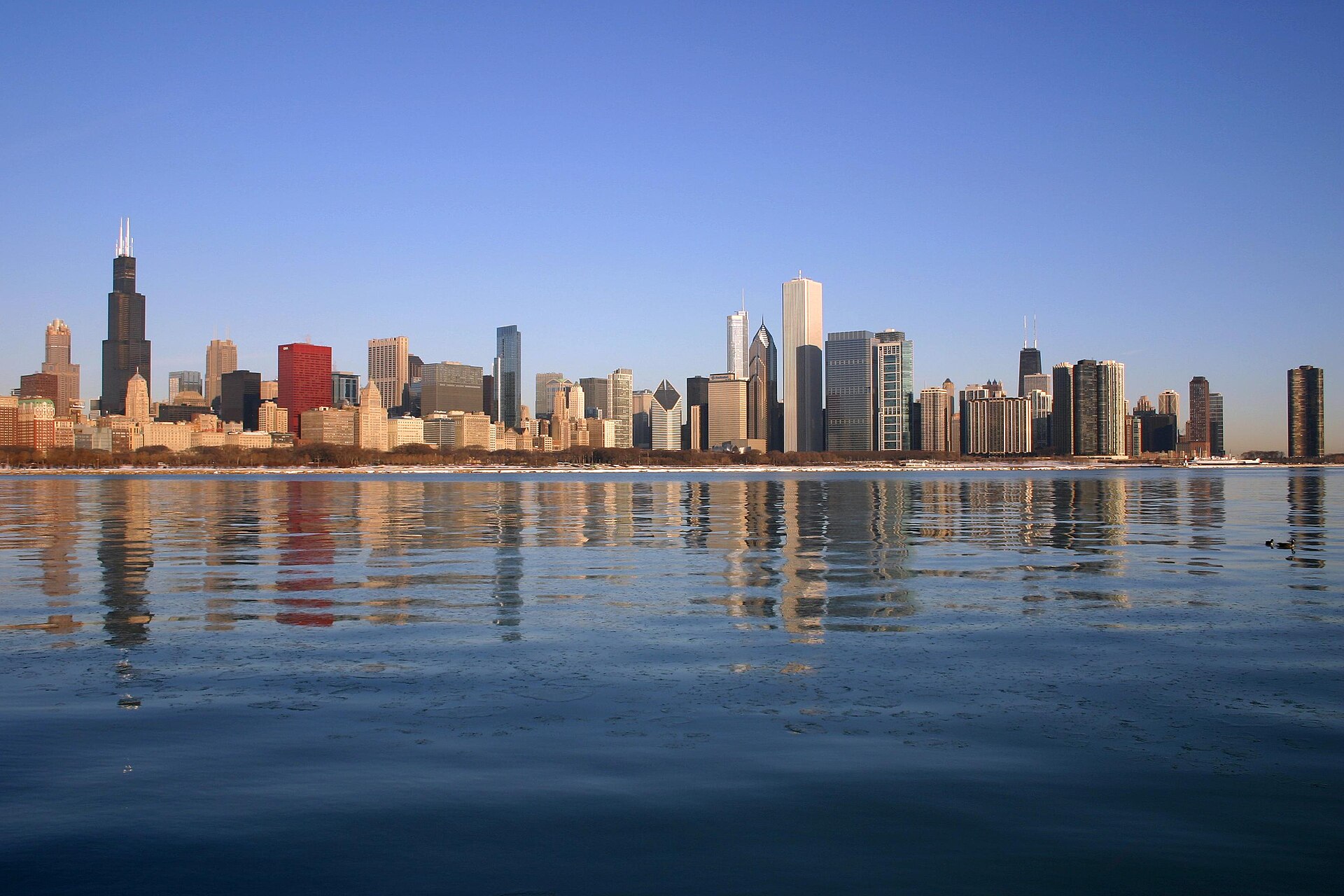
Chicago is organised around Lake Michigan, the Chicago River and a regular street grid. The Loop contains the central business district, major architecture and...
Photograph · J. Crocker · Attribution
Set your days, your pace and the hours you actually want to be out. The planner works around closing days and travel time, and leaves room to eat.
Editorial responsibility: Elena Voss · Roavina Travel Editor
Chicago is organised around Lake Michigan, the Chicago River and a regular street grid. The Loop contains the central business district, major architecture and Millennium Park; museum campuses and lakefront parks extend south, while River North, Lincoln Park and neighbourhood centres continue north and west. A first visit works best when downtown sights are grouped together and separate time is reserved for one or two neighbourhoods beyond the Loop.
Checked 2026-08-26
November · November falls to a 48.4°F mean high in Chicago and averages 1.8 inches of snow, making cold-weather flexibility important.
Ranked by importance — sitelinks, pageviews and heritage status, not editor preference.
9 places match
Category
Typical visit duration
Good for
Interests
The Art Institute of Chicago
Art Institute of Chicago is an encyclopedic art museum beside Grant Park, with historic galleries and the Modern Wing.
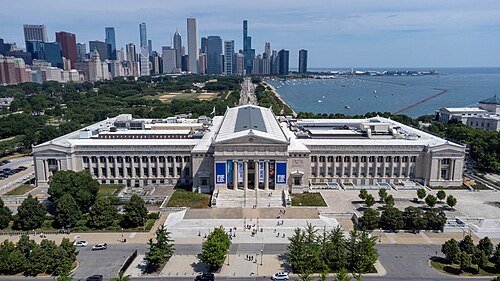
Field Museum
Field Museum is Chicago's major natural-history museum, developed from World's Columbian Exposition collections. Its visitor experience is defined by Stanley Field Hall, Máximo, SUE, dinosaurs, evolving life, ancient Americas, Egypt, gems, and cultural collections.
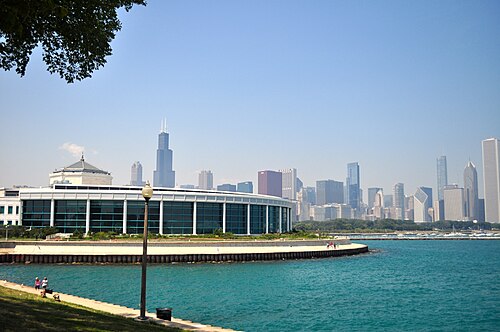
Shedd Aquarium is a public aquarium on Museum Campus joining freshwater and marine conservation. Its visitor experience is defined by Caribbean Reef, Wild Reef, Polar Play Zone, Abbott Oceanarium, sharks, rays, otters, penguins, and Great Lakes ecology.
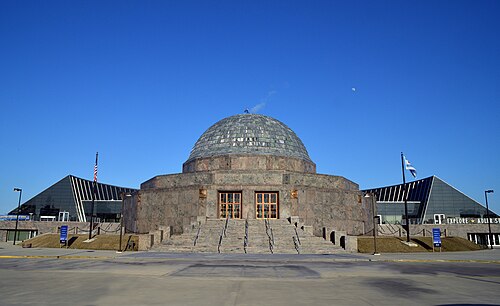
The Adler Planetarium is a public museum dedicated to astronomy and astrophysics.
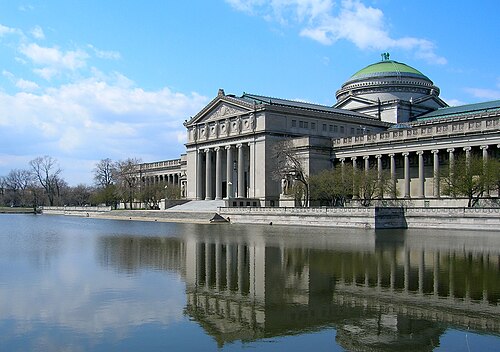
Griffin Museum of Science and Industry
Griffin Museum of Science and Industry is a hands-on science museum in Hyde Park's former Palace of Fine Arts. Its visitor experience is defined by U-505, the coal mine, Science Storms, transport halls, genetics, farming, and the model railway.

Lincoln Park Zoo is a free public zoo founded in 1868 within landscaped Lincoln Park. Its visitor experience is defined by large mammals, primates, African habitats, farm animals, birds, indoor houses, gardens, and Nature Boardwalk.
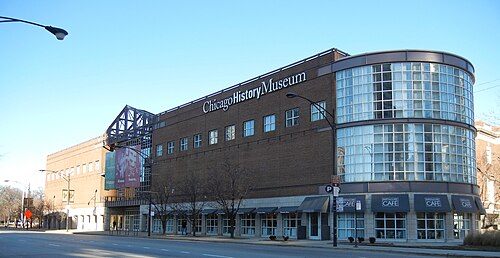
The Chicago History Museum is the principal museum dedicated to the social and civic history of Chicago. Located in the Lincoln Park neighborhood, it serves as the city's primary institution for preserving and interpreting its past.
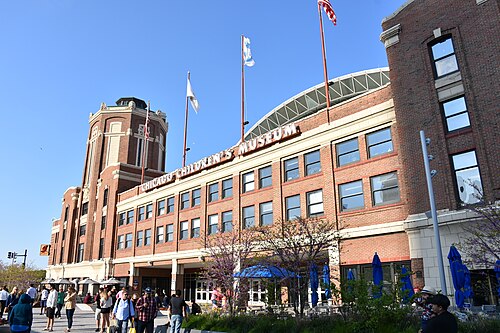
The Chicago Children's Museum is Navy Pier's principal hands-on museum for children. Located on Chicago's lakefront at one of the city's most visited destinations, this institution serves young visitors through interactive exhibits designed for play-based learning.
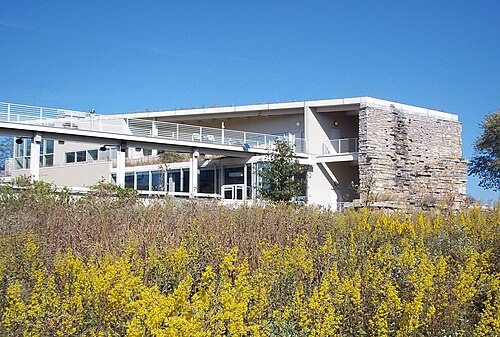
The Peggy Notebaert Nature Museum
The Peggy Notebaert Nature Museum is a natural history museum in Chicago operated by the Chicago Academy of Sciences. It focuses on the nature and ecology of the Midwest region.
State Street and Madison Street form the reference point for Chicago's address grid. The Loop sits beside the river and lake, with the Magnificent Mile and River North immediately north. Museum Campus, Hyde Park and Bronzeville lie south; West Loop, Pilsen and Wicker Park extend west and northwest. The lakefront is a continuous orientation line, but neighbourhood distances are substantial, so a map that appears compact can still represent several miles of travel.
Checked 2026-08-26
Walk within the Loop and along the central riverfront, then use CTA trains and buses for neighbourhoods and the airports. The colour-coded rail network connects downtown with the North, West and South Sides; the Blue Line serves O'Hare and the Orange Line serves Midway. Metra is useful for farther suburban trips rather than most central sightseeing. Check the official service map and alerts before travel because planned work can alter routes.
Checked 2026-08-26
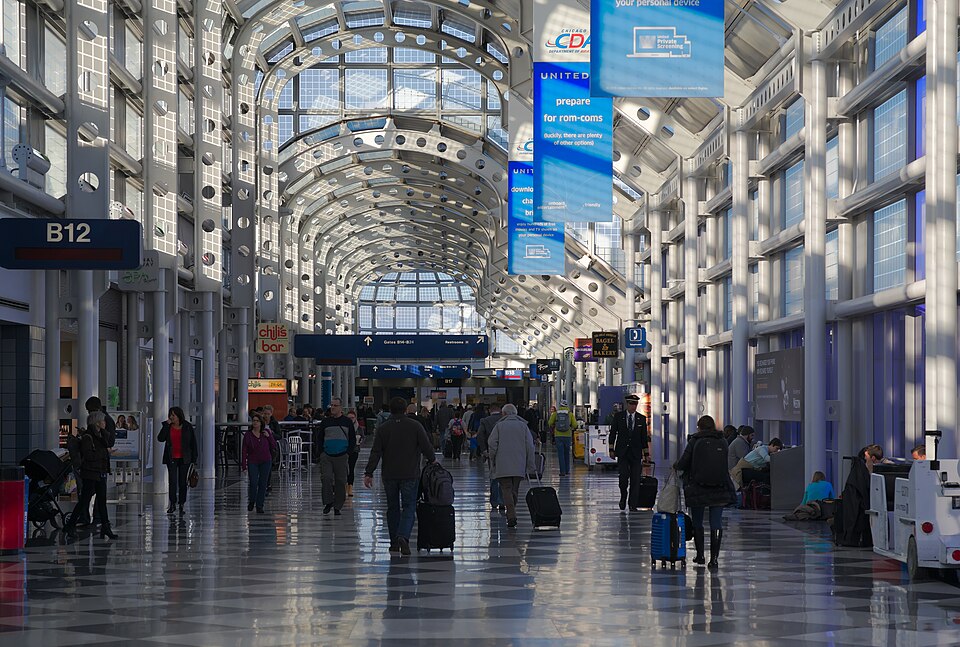

Suggested stay for a first visit: 3–4 days. Plan one block for the Loop and river, one for the lakefront museums, and additional time for the neighbourhoods that match your interests.
The Loop is the practical centre, bounded by elevated rail tracks and set beside the river and Lake Michigan. River North and the Magnificent Mile begin immediately north.
Yes. Walk downtown and use CTA trains and buses for the lakefront, neighbourhoods and airports. Metra is mainly useful for destinations farther beyond the central city.
The CTA Blue Line connects O'Hare International Airport with downtown. Consult CTA service alerts before departure because construction or maintenance can affect the normal route.
Not always. The grid makes orientation simple, but the city extends a long way along the lake. Group nearby districts and use transit between the North, West and South Sides.

