
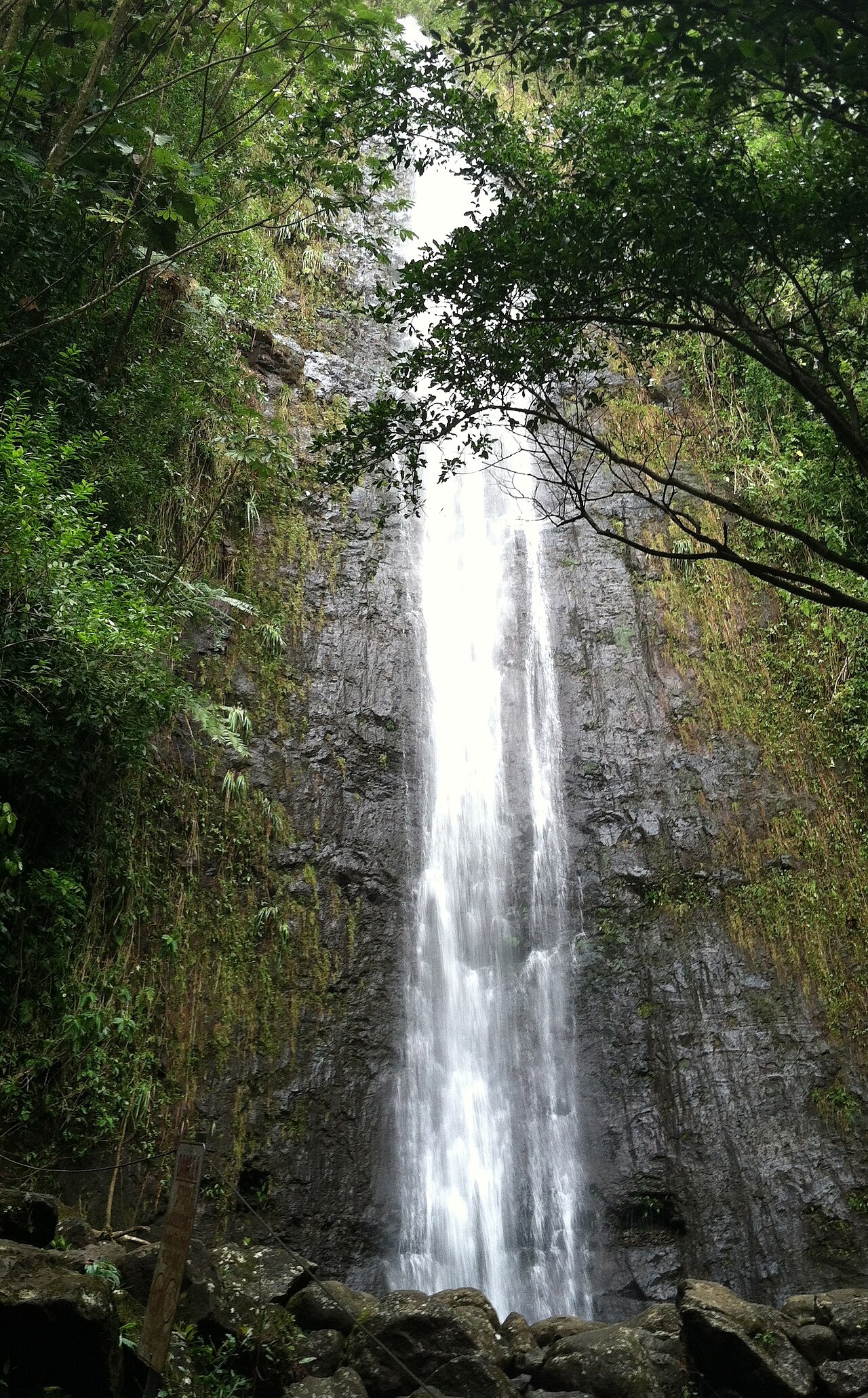
14 min walk
Manoa Falls
- Must see
- Viewpoint
Language · 11 published
Nature site · Honolulu
Lyon Arboretum and Botanical Garden
Reviewed by Elena Voss · Roavina Travel Editor
This place is a Garden. It was established in 1918.
Harold L. Lyon Arboretum is a University of Hawaiʻi at Mānoa botanical garden in Mānoa Valley on Oʻahu. It combines tropical plant collections, rainforest habitat, conservation work, horticultural study, and public education. The setting feels very different from central Honolulu: the valley is green, humid, and enclosed by steep slopes. This is a place for visitors who enjoy plants, quiet walking, and Hawaiian ecology more than conventional city sightseeing. The arboretum also gives a clear sense of Mānoa’s lush inland landscape, where frequent rain supports dense vegetation and a living collection of native and introduced tropical species. Yes, the Harold L. Lyon Arboretum is operated by the University of Hawaiʻi at Mānoa as a research and educational botanical facility.
Checked 2026-08-26 · Source
The grounds contain rainforest trails and cultivated botanical collections spread through the valley landscape. Visitors can look for Hawaiian plants, palms, heliconias, mature canopy growth, and other tropical species growing in contrasting garden and forest settings. Stream features and the surrounding rainforest add movement and atmosphere to the walk. The arboretum functions as a living laboratory, so the experience is closer to exploring a working botanical landscape than entering a conventional museum. Allow time to pause beside plants, read interpretive material where provided, and notice how the cultivated collections meet the natural valley environment.
Checked 2026-08-26 · Source
Plan several hours if you want to walk the trails slowly, observe plants, and photograph the forest. A shorter visit can focus on the accessible grounds and nearby collections, while a longer stay suits visitors interested in plant identification, conservation, or tropical ecology. Rain, humidity, elevation changes, and uneven natural surfaces can alter walking speed. The arboretum rewards an unhurried pace: stopping to compare leaves, flowers, palms, and canopy layers is part of the experience. Build in flexibility rather than treating the visit as a quick photo stop.
Checked 2026-08-26 · Source
Mānoa Valley’s rainfall is central to the arboretum’s character and can change trail comfort during the day. A morning visit offers a useful starting point for walking before fatigue and heat build. Overcast weather can make the forest comfortable and bring out rich green tones, while rain may leave surfaces muddy or slippery. The collections retain interest throughout the year because the garden brings together tropical vegetation in a rainforest setting. Leave room in your schedule for weather-related pauses and slower progress on wet ground.
Checked 2026-08-26 · Source
The arboretum is a University botanical garden and a public educational landscape rather than a ticketed museum experience. The supplied place record does not establish an admission charge, so this guide does not assign a price. Programmes, workshops, or guided experiences may have arrangements separate from simply visiting the grounds, but no amount is stated here. Plan the stop around the landscape, trails, and collections, and keep payment expectations separate from any event booking that may be offered by the university.
Checked 2026-08-26 · Source
Lyon Arboretum lies inland in Mānoa Valley, away from Honolulu’s dense beachfront districts. From Waikīkī or downtown, the journey heads toward Mānoa Valley and continues along roads that become more residential and winding as they enter the valley. A car or ride service is the simplest practical choice from many visitor bases. The destination should be entered carefully because university buildings and residential streets surround the valley. Once there, expect a natural setting rather than a central urban plaza, with walking continuing after arrival.
Checked 2026-08-26 · Source
Rainforest conditions shape the visit. Wet ground can become muddy and slippery, and some trails may include uneven surfaces or elevation changes. Wear shoes with dependable traction, carry water, and protect yourself from sun and insects. Stream areas require particular care after rainfall because water and footing can change. Stay on established paths to protect plants and keep the walk manageable. Treat the grounds as a natural landscape: allow more time for humid weather, keep belongings secure, and avoid rushing through sections where the terrain demands attention.
Checked 2026-08-26 · Source
The arboretum offers layered rainforest scenes, close botanical details, stream textures, and changing light beneath the canopy. A macro lens suits leaves, flowers, and unusual tropical forms, while a wider lens captures the relationship between cultivated collections and Mānoa Valley’s forest. Cloudy conditions can soften contrast and enrich greens; rain protection is valuable for cameras and phones. Move carefully around research areas and planted collections, and keep paths clear for other walkers. Early visits can provide gentler light and a quieter atmosphere for detailed observation.
Checked 2026-08-26 · Source
It is in Mānoa Valley on Oʻahu and is operated by the University of Hawaiʻi at Mānoa.
Rainforest trails, tropical plant collections, Hawaiian plants, palms, heliconias, mature canopy, and stream features form the main experience.
Several hours suit visitors who want to explore the trails and botanical collections at a relaxed pace.
Wear footwear with good traction because rain can leave rainforest paths muddy or slippery.
Frequent rainfall supports the valley’s lush rainforest vegetation and helps sustain the arboretum’s tropical collections.
It is a botanical garden and research landscape, with living plant collections and rainforest trails instead of enclosed exhibition galleries.
Loading the interactive map…
The interactive map could not be loaded.

Last updated:
Source: OpenStreetMap contributors, Wikidata ·