


3 min walk
Martin Luther King, Jr. Memorial
- Must see
- Nature site
Historic monument · Washington
DC War Memorial
| Monday | 00:00 – 23:59 |
|---|---|
| Tuesday | 00:00 – 23:59 |
| Wednesday | 00:00 – 23:59 |
| Thursday | 00:00 – 23:59 |
| Friday | 00:00 – 23:59 |
| Saturday | 00:00 – 23:59 |
| Sunday | 00:00 – 23:59 |
Checked 2026-08-31 · Source
| Per person | Free entry |
|---|
Checked 2026-08-31 · Source
Read from the OpenStreetMap access tags; anything not listed has no tag recorded.
Set the group type to family in the planner and the day window contracts to about three quarters of a solo day.
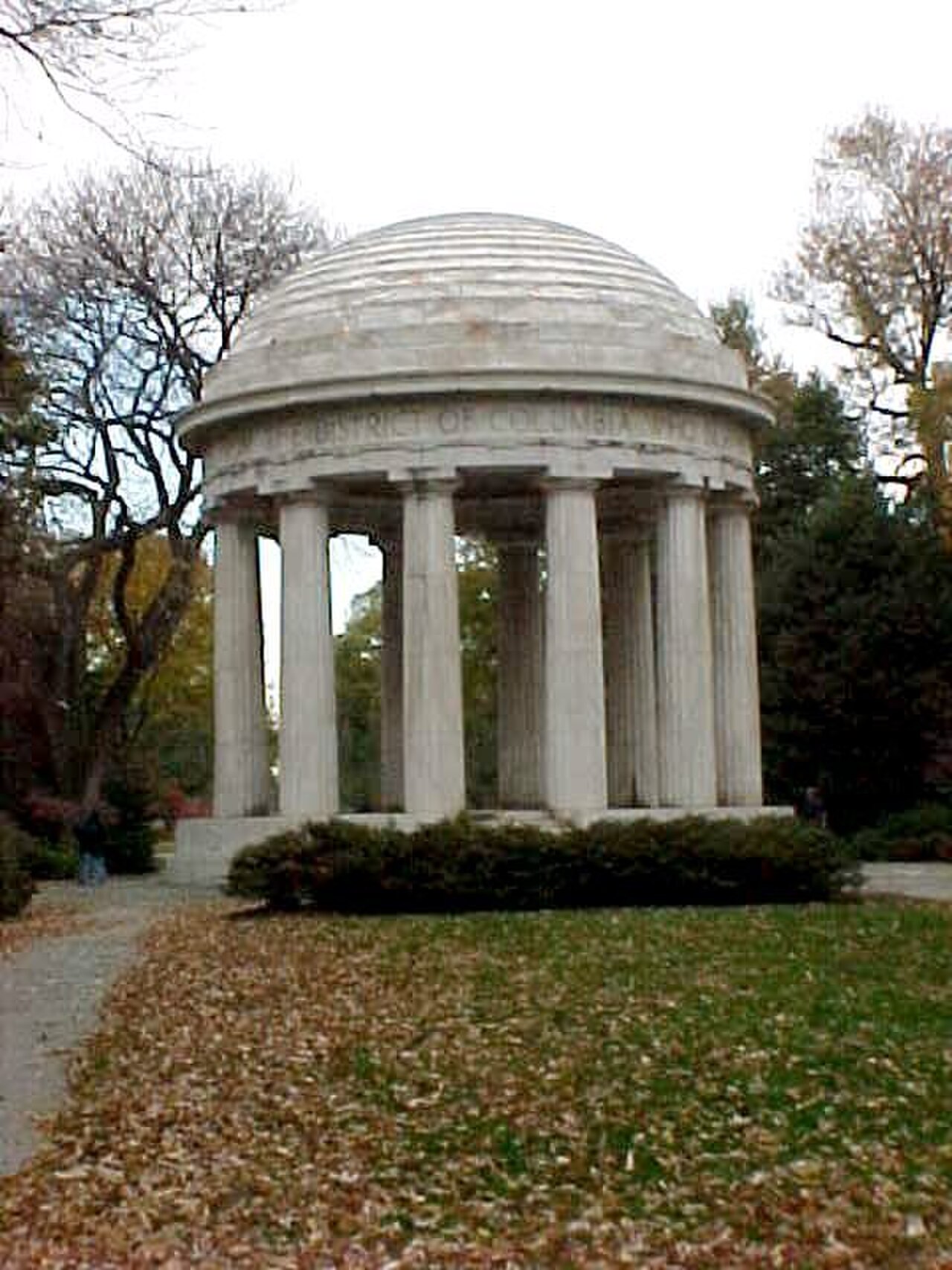
The District of Columbia War Memorial, often called the DC War Memorial, stands on the National Mall in Washington, D.C. It honors District of Columbia residents who served in World War I and is the only District-specific memorial on the Mall. Dedicated in 1931, the structure is a circular Vermont marble temple with a domed roof and Doric columns. Its smaller scale and local focus create a quieter commemorative experience beside the much larger national landmarks nearby. The District of Columbia War Memorial, locally known as the DC War Memorial, stands on the National Mall in Washington, D.C. It commemorates the residents of the District of Columbia who served in World War I. No. The DC War Memorial specifically honors District of Columbia residents who served in World War I. The national World War I Memorial, created by converting Pershing Park, is a separate site elsewhere in Washington, D.C.
Checked 2026-08-26 · Source
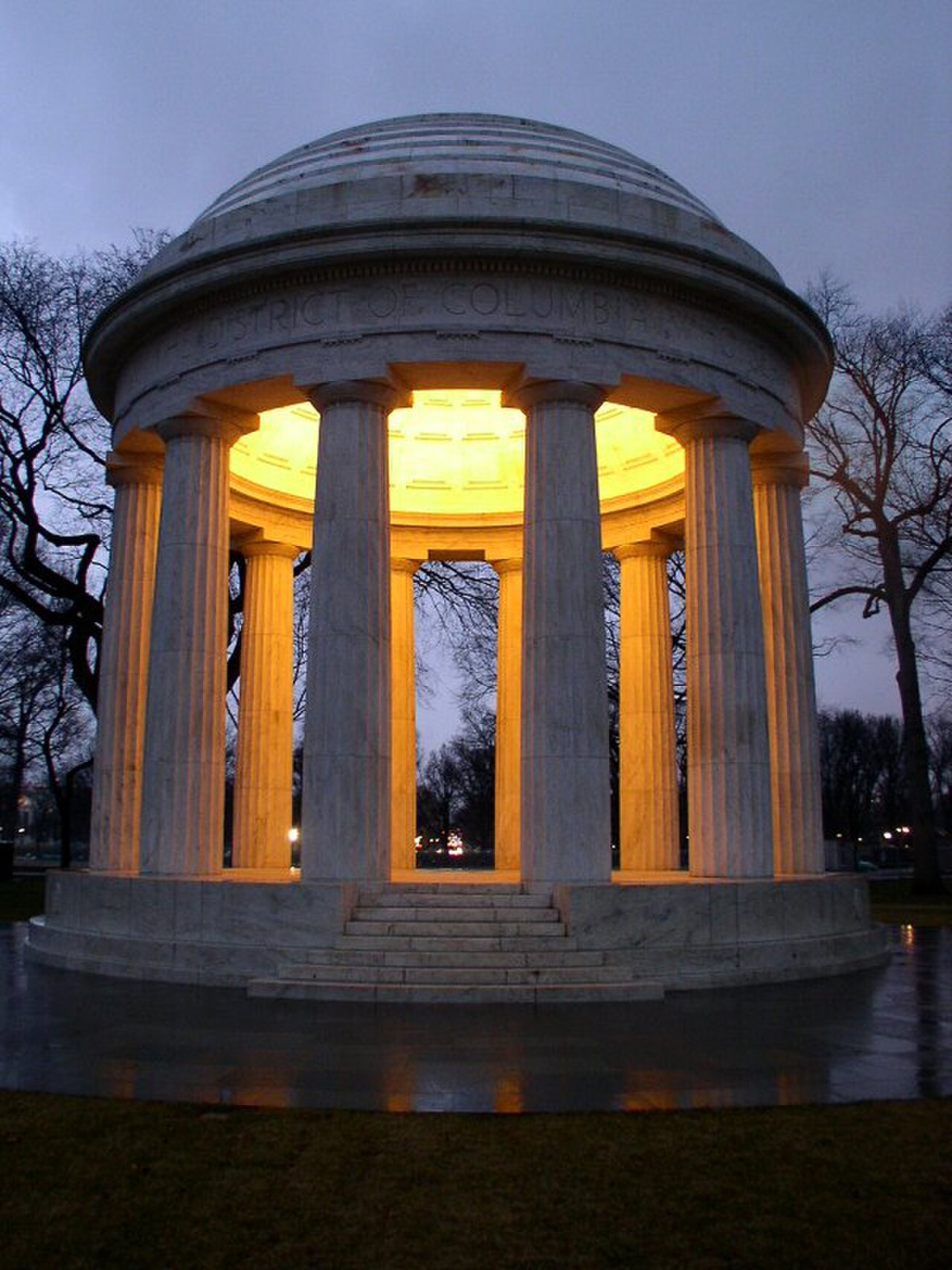
Twelve Doric columns form the memorial's circular colonnade and support the dome. The base carries the names of 499 District of Columbia residents who died in World War I. An interior fountain forms part of the design, while the open chamber provides a sheltered place to pause within the larger National Mall landscape. Visitors can move around the circular structure, read the commemorative names, and study the marble architecture. There is no enclosed museum display; the memorial communicates through its form, inscriptions, and solemn setting.
Checked 2026-08-26 · Source

Set aside fifteen to thirty minutes for a normal visit. The compact structure lets you walk around the colonnade, read the names, inspect the dome and columns, and take photographs without a long detour from the National Mall route. Visitors researching District of Columbia service in World War I may spend longer studying the inscriptions. The memorial also works as a contemplative pause between larger Mall attractions. Its scale rewards a deliberate circuit around the base rather than a quick view from one side.
Checked 2026-08-26 · Source
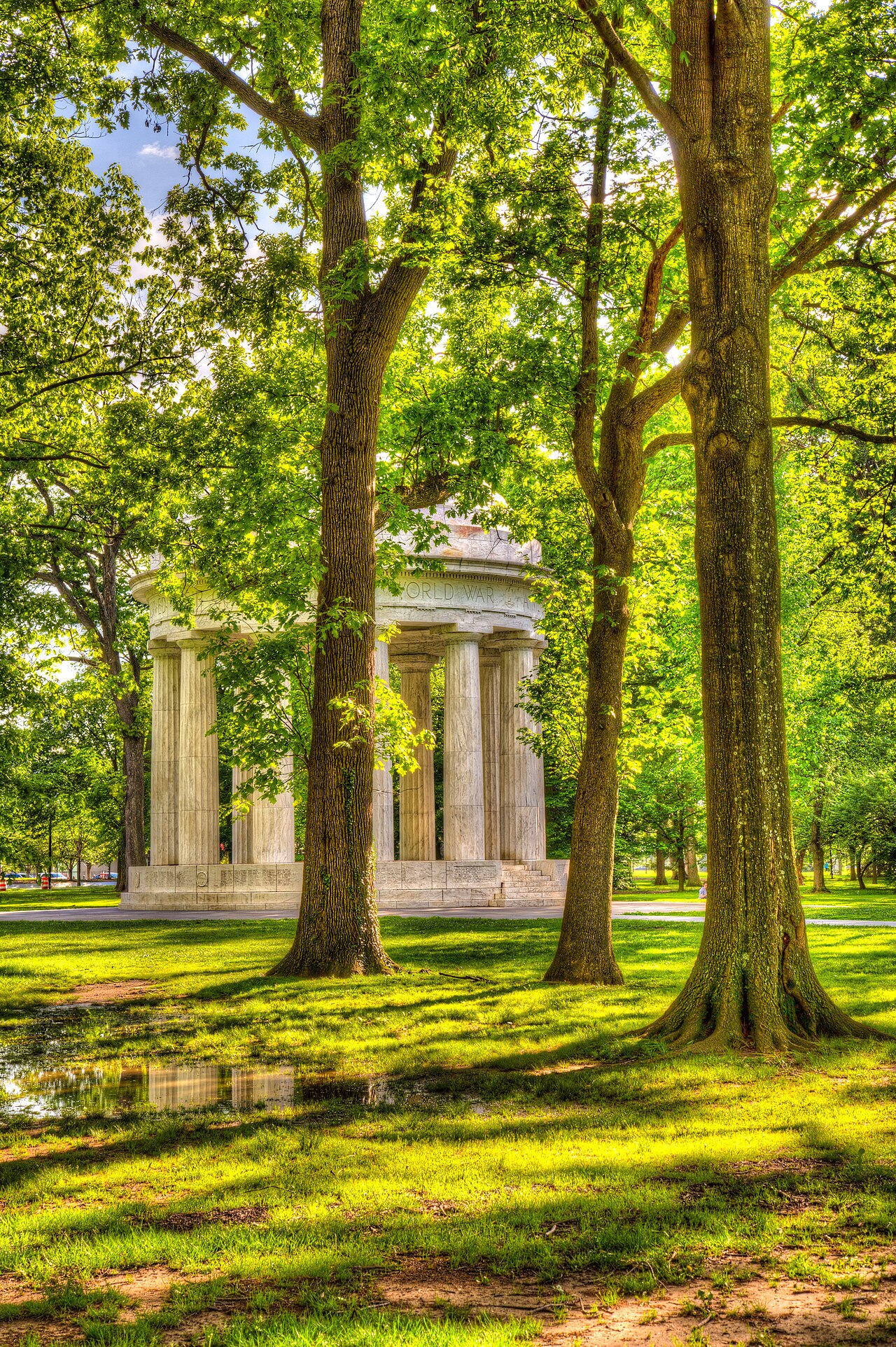
Visit during daylight for the clearest view of the marble, column capitals, dome, and names around the base. Spring and autumn are comfortable for crossing the National Mall on foot. Summer brings heat and humidity, while winter winds can make the open Mall feel colder than nearby streets. The dome offers partial shelter, but the memorial remains an outdoor structure. Morning can provide a calmer atmosphere for reading the inscriptions, while later light can emphasize the circular form and columns in photographs.
Checked 2026-08-26 · Source
The DC War Memorial is free to visit. It is an open-air monument on the National Mall, with no ticketed entrance, timed admission, or reservation for an ordinary individual visit. Include it in a walking itinerary without allocating money for entry. Transport, food, and admission to nearby museums are separate expenses. Major national events or maintenance can alter access around the Mall, but normal viewing of the memorial does not involve a ticket.
Checked 2026-08-26 · Source
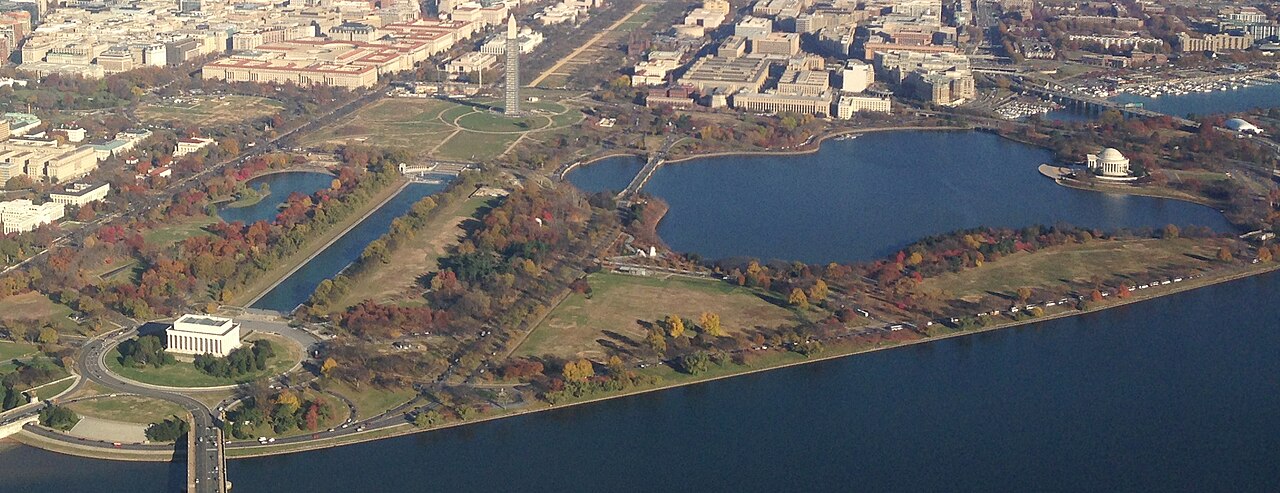
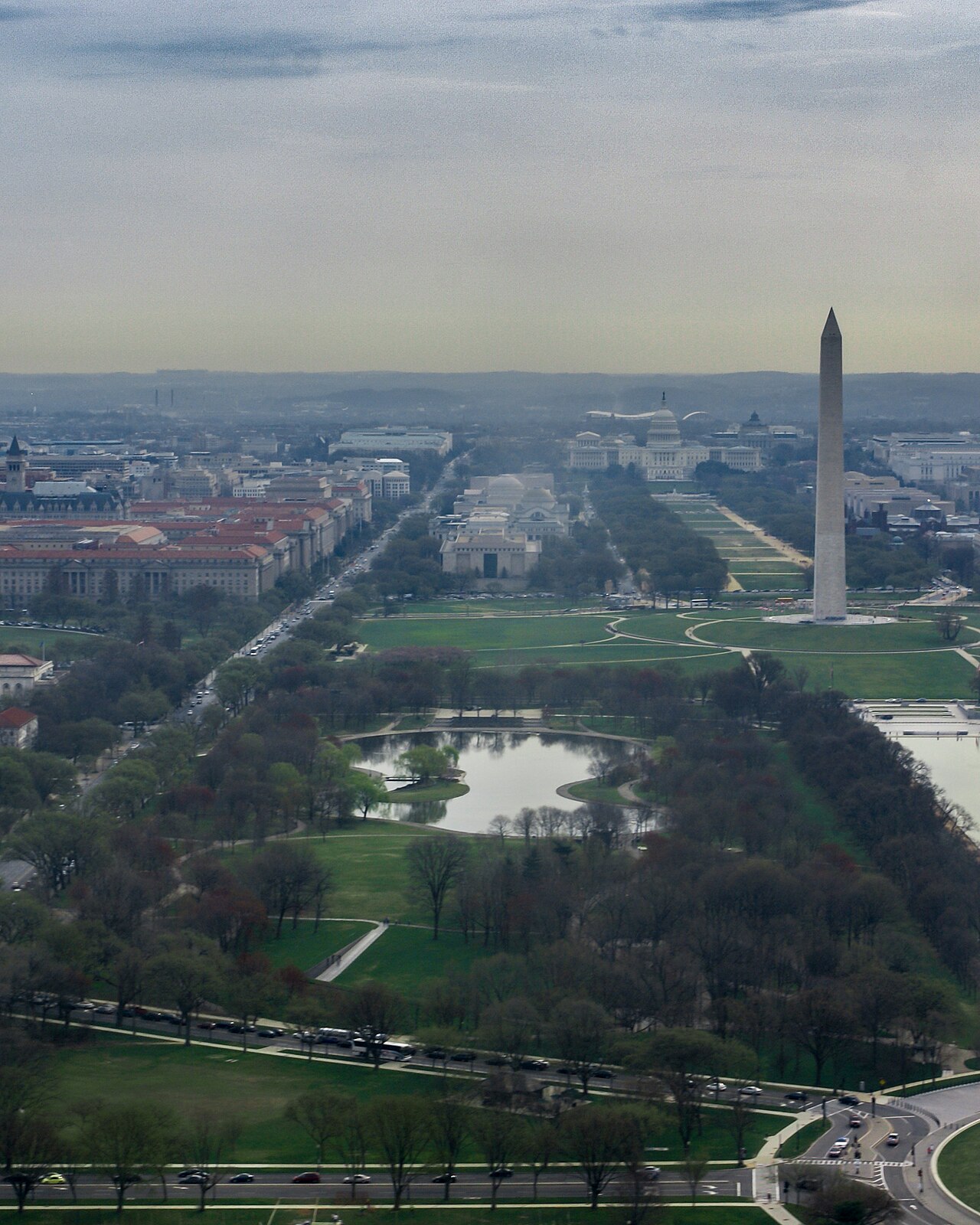
The memorial stands on the National Mall south of the Reflecting Pool and east of the Potomac River. Smithsonian and Federal Triangle are the nearby Metro stations identified for reaching the Mall, followed by a walk across the open grounds. Bus routes serve the adjacent streets, and bicycle-share stations support journeys through the central district. Parking near the Mall is limited and demand rises during tourist seasons and national celebrations. Travelers already walking between the Lincoln Memorial and Washington Monument can include the DC War Memorial along the route.
Checked 2026-08-26 · Source
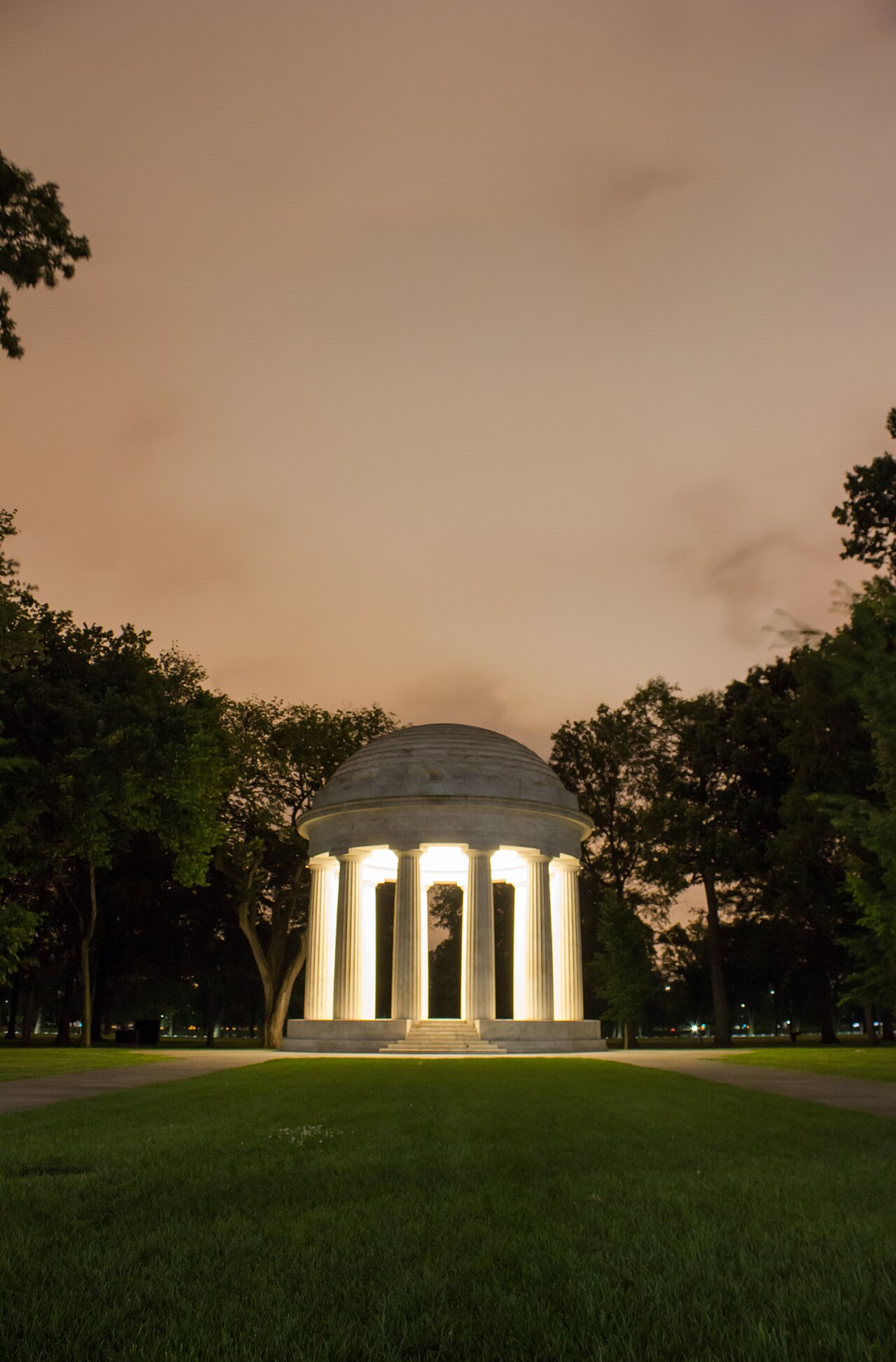
The fountain may be dry or inactive during a visit, so treat the marble architecture and inscriptions as the reliable focus of the stop. Wet marble can be slippery. The open Mall exposes visitors to sun, wind, rain, and cold, while nearby facilities such as water, food, and restrooms require a walk to other visitor locations. After dark, limited lighting reduces the clarity of inscriptions and the comfort of a long stay. Plan the memorial as part of a route with supplies and breaks arranged elsewhere on the Mall.
Checked 2026-08-26 · Source
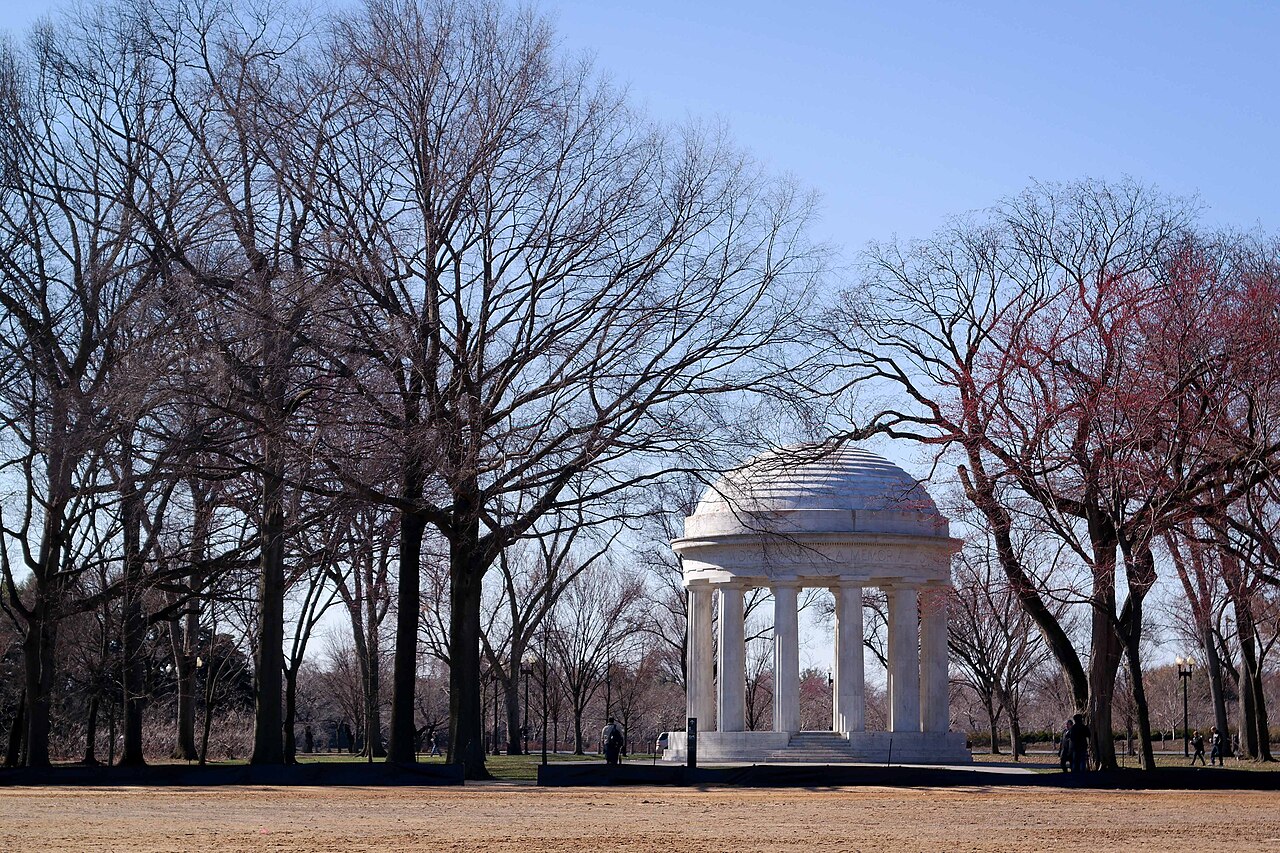
The circular colonnade, domed roof, Vermont marble, and inscribed base offer several photographic approaches. Walk around the structure for repeated columns and changing views through the open chamber. Close images can focus on the names and architectural details, while wider frames place the memorial within the National Mall. Morning light may reduce harsh contrast on the marble, and later light can emphasize depth beneath the dome. Keep the memorial's commemorative purpose in mind when photographing people or inscriptions, and leave the circulation space clear for other visitors.
Checked 2026-08-26 · Source
It honors District of Columbia residents who served in World War I and commemorates the local dead of that conflict.
The base carries the names of 499 District of Columbia residents who died in World War I.
No. The DC War Memorial is a separate monument focused on District of Columbia residents; the national World War I Memorial is elsewhere in Washington.
Fifteen to thirty minutes is enough to circle the structure, read the names, and study its marble architecture.
No. Ordinary individual visits to this open-air National Mall memorial are free and do not require a ticket.
Look for the circular plan, twelve Doric columns, Vermont marble, domed roof, inscribed base, and open chamber with its fountain.
Loading the interactive map…
The interactive map could not be loaded.
Last updated:
Source: OpenStreetMap contributors, Wikidata ·