
4 min walk
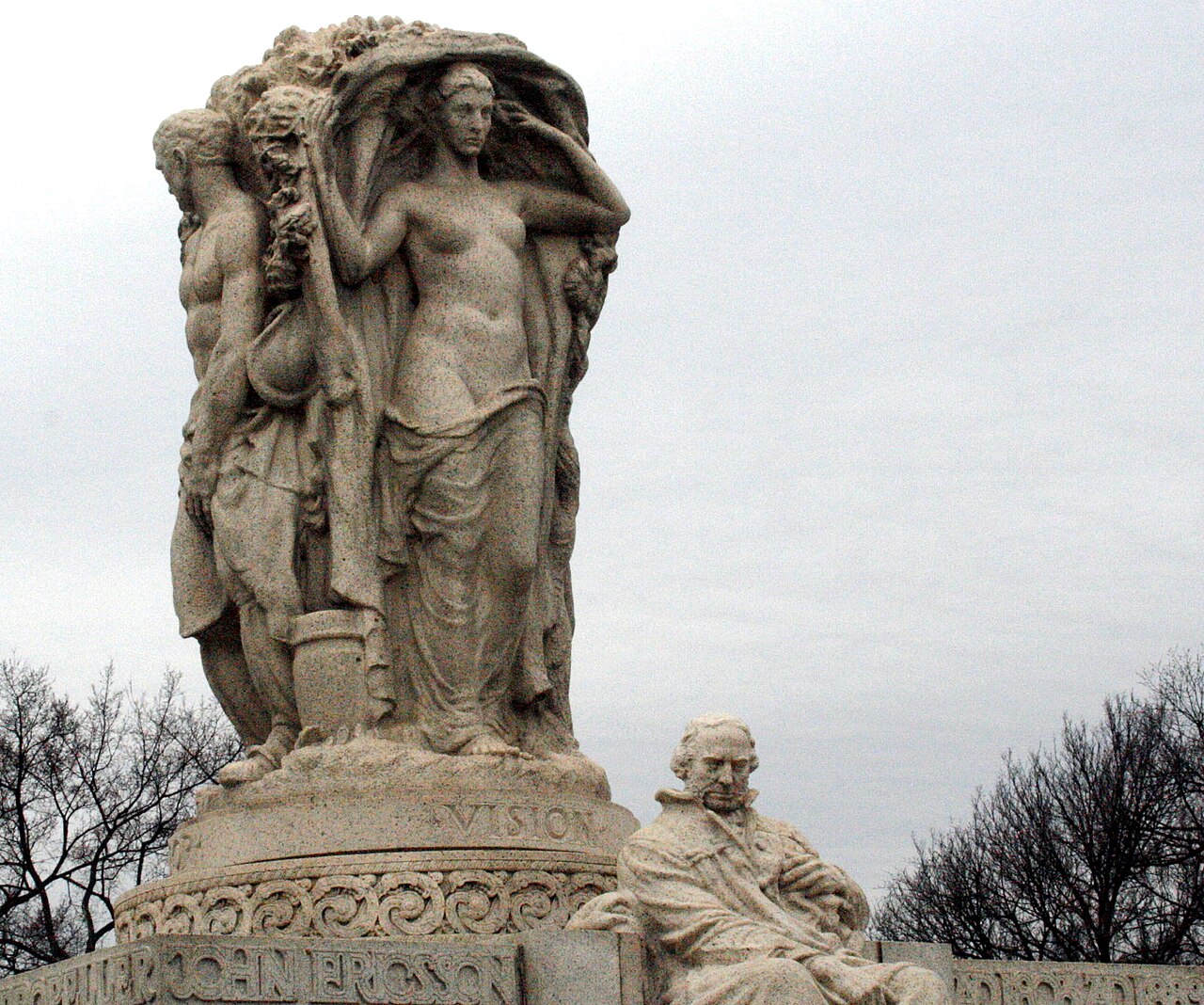
John Ericsson National Memorial
- High
- Historic monument
Language · 11 published
Historic monument · Washington
Reviewed by Elena Voss · Roavina Travel Editor
| Monday | 00:00 – 23:59 |
|---|---|
| Tuesday | 00:00 – 23:59 |
| Wednesday | 00:00 – 23:59 |
| Thursday | 00:00 – 23:59 |
| Friday | 00:00 – 23:59 |
| Saturday | 00:00 – 23:59 |
| Sunday | 00:00 – 23:59 |
Checked 2026-08-31 · Source
Read from the OpenStreetMap access tags; anything not listed has no tag recorded.
Set the group type to family in the planner and the day window contracts to about three quarters of a solo day.
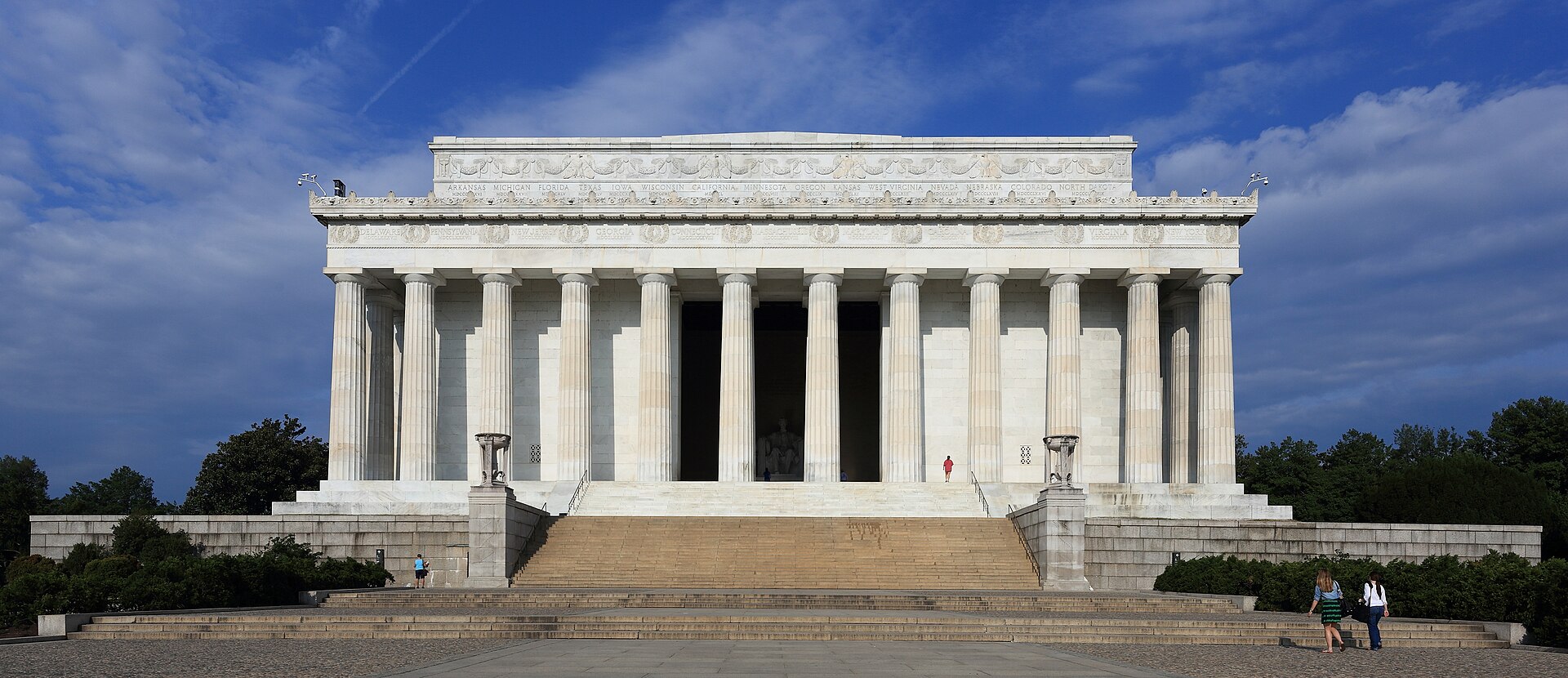
This place is a Attraction. It was established in 1922. It was built in the Greek Revival architecture style. It was designed by Henry Bacon. It is built of Yule marble. It carries the National Register of Historic Places listed place heritage designation. It is run by National Park Service.
The Lincoln Memorial is a marble temple dedicated to Abraham Lincoln at the western end of Washington’s National Mall. Its identity rests on a seated Lincoln by Daniel Chester French, the Gettysburg Address and Second Inaugural Address carved into the chamber walls, and the deliberate east-facing relationship with the Reflecting Pool. The elevated building turns arrival, ascent and viewpoint into part of the memorial’s meaning. Read the inscriptions as carefully as you study the sculpture: together they make this a place about leadership, national conflict, emancipation and public memory, not simply a grand backdrop for photographs.
Checked 2026-09-02 · Source
Begin in the main chamber with French’s seated Lincoln, then read the Gettysburg Address and the Second Inaugural Address on opposite walls. The inscriptions give the statue a textual and political frame, so allow time to move between looking and reading rather than treating the room as a quick pass-through. Outside, the terrace and broad steps open toward the Reflecting Pool, Washington Monument and Capitol axis. Look back toward the temple-like façade as well as outward: its columns, platform and controlled symmetry complete the experience and explain why the approach matters as much as the chamber.
Checked 2026-09-02 · Source
Plan roughly 60 to 90 minutes for a focused visit. That allowance covers reaching the chamber, spending time with the statue and both inscriptions, crossing the terrace for the principal axis views, and pausing in the surrounding memorial landscape. Visitors who want to read every line, photograph the approach and reflect quietly may need longer. Add margin if your group moves slowly, encounters screening, or arrives during a busy civic occasion. With limited time, protect the chamber and the two texts first; nearby memorials belong after the Lincoln Memorial’s essential sequence is complete.
Checked 2026-09-02 · Source
The operator records the memorial as open to the public 24 hours a day, every day. Dawn, evening and night visits are therefore possible, but light, temperature, crowd levels and available facilities change across those periods. Daylight helps reveal the marble detail, inscriptions and long Mall axis; a later visit emphasizes the illuminated civic presence and atmosphere of the steps. Ceremonies, weather, crowd controls and temporary operational notices can affect comfort or movement even when the site remains open. Plan the chamber and inscription visit for conditions that suit your group, then allow flexibility around events.
Checked 2026-09-02 · Source
Admission to the Lincoln Memorial is free. The operator’s fee information records a per-person admission charge of 0 USD, so you do not buy an admission ticket for the memorial itself. That recorded price is the practical baseline for an ordinary visit. It does not automatically describe separately managed tours, events or programmes in the wider National Mall, which may have their own arrangements. Do not convert commercial listings into a memorial admission fee: for this place, the sourced admission row is explicitly free and remains the figure this guide uses.
Checked 2026-09-02 · Source
A practical approach is to walk from the Reflecting Pool, Constitution Avenue or the Potomac side, choosing the route that fits the rest of your Mall itinerary. Rail stations are not immediately beside the memorial, so allow a substantial final walk rather than budgeting only for the train journey. Central Washington blocks, security perimeters and large events can lengthen that last segment. Walking and public transport generally avoid the pressure of scarce nearby parking. Use the National Park Service directions information for the final approach, and leave connection time for changed conditions or crowd controls.
Checked 2026-09-02 · Source
This is a place of public remembrance as well as a major Washington landmark. Expect the broad steps and chamber approach to become crowded when school groups, ceremonies or evening visitors converge. Wet, icy or very hot weather can make the exposed route uncomfortable. Follow ranger directions, keep thresholds and circulation areas clear, and allow time for screening or crowd control. The long approach can feel more demanding than its map distance suggests, especially with children, mobility needs or a full day on the Mall. Preserve flexibility around civic events and leave the memorial quieter than you found it.
Checked 2026-09-02 · Source
The memorial’s strongest composition follows the east-facing axis from the steps across the Reflecting Pool toward the Washington Monument and, farther beyond, the Capitol direction. Inside, pale marble, the recessed seated figure and the darker chamber create pronounced contrast, so move patiently and protect detail in both highlights and shadow. Photograph the inscriptions as well as the statue to preserve what makes this place specific. Keep cameras and tripods from narrowing passageways, thresholds or viewing positions, and follow every posted restriction or staff instruction during ceremonies and crowded periods. Changing light can make the same axis feel formal, intimate or dramatic.
Checked 2026-09-02 · Source
It combines a seated Abraham Lincoln sculpture by Daniel Chester French with the Gettysburg Address and Second Inaugural Address carved into the chamber walls. Its elevated position and east-facing axis connect the interior memorial to the Reflecting Pool and Washington’s wider civic landscape.
Allow about 60 to 90 minutes for the chamber, both inscriptions, the terrace views and the surrounding memorial landscape. Add margin for a slower reading pace, crowds, screening, ceremonies or a group that needs more time on the exposed approach.
No admission ticket is required for the memorial itself: the operator records a free per-person admission charge of 0 USD. Separate events, tours or security arrangements may have their own conditions.
The operator records it as open to the public 24 hours daily. Daylight is useful for reading the inscriptions and seeing the Mall axis, while evening visits offer a different atmosphere. Facilities, ceremonies, weather and temporary notices can affect the practical experience.
Walk from the Reflecting Pool, Constitution Avenue or the Potomac side, allowing a substantial final stretch from the nearest rail stations. Security perimeters, central Washington blocks and major events can lengthen the approach, so leave connection time and use the National Park Service directions page for the final segment.
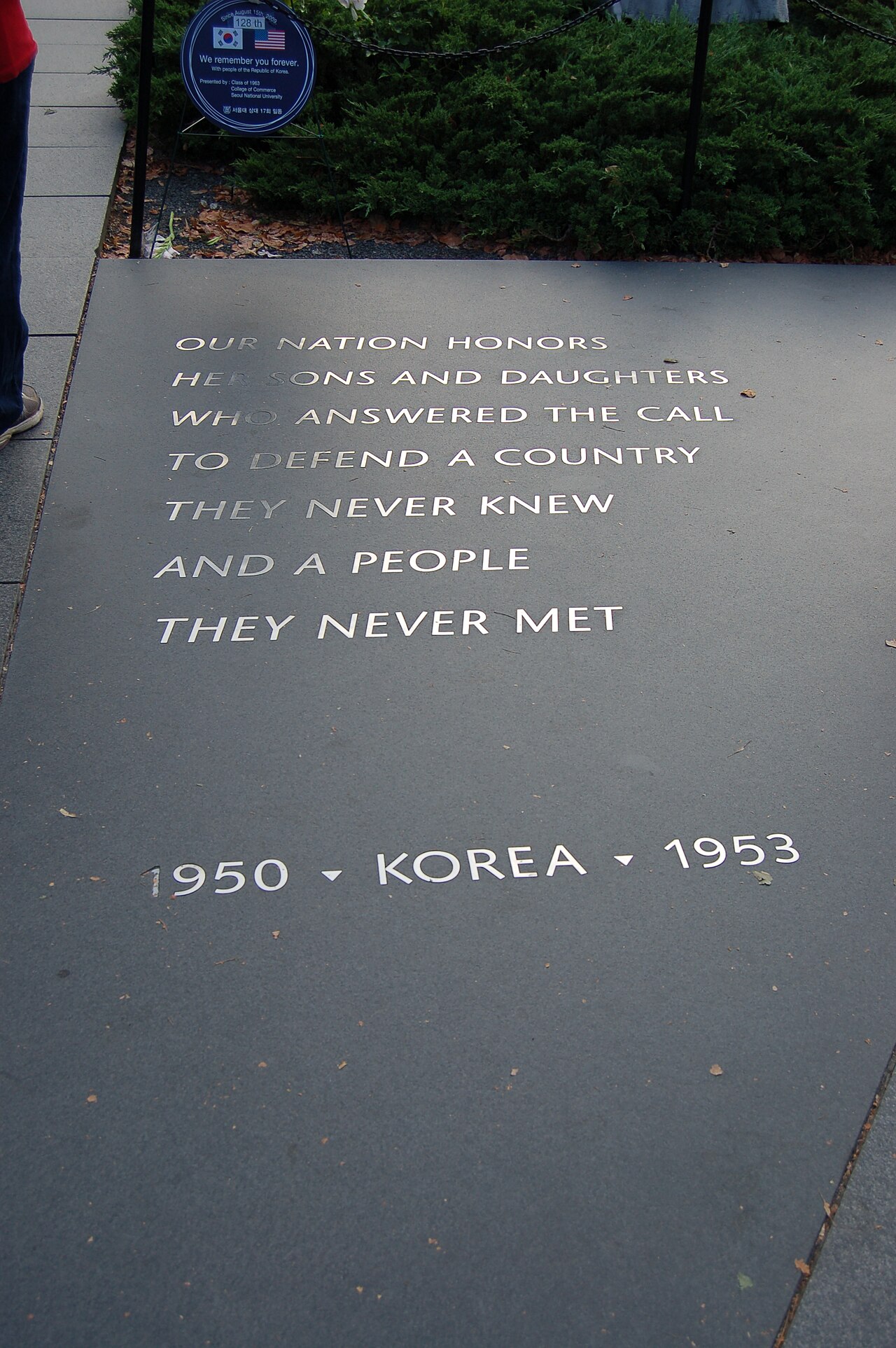
The Vietnam Veterans Memorial and Korean War Veterans Memorial make natural nearby additions on opposite sides of the approach. Visit the Lincoln Memorial’s chamber and inscriptions first, then continue only if your time and energy allow a respectful three-site circuit.
Loading the interactive map…
The interactive map could not be loaded.

Last updated:
Source: OpenStreetMap contributors, Wikidata ·