
3 min walk
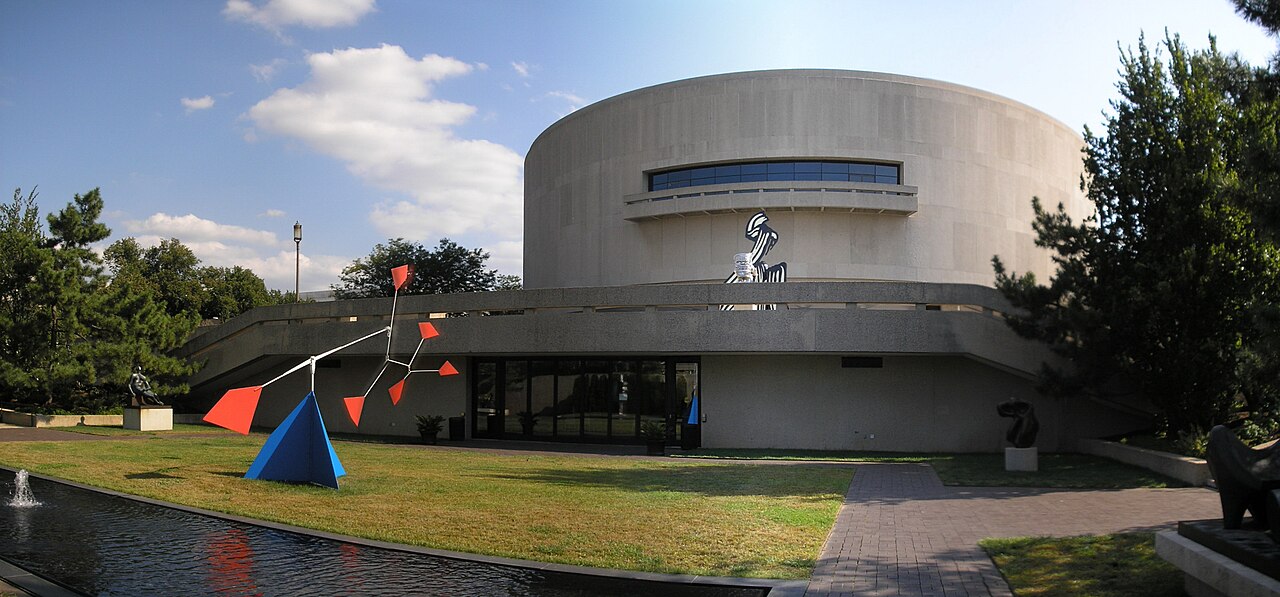
Hirshhorn Museum and Sculpture Garden
- Must see
- Museum
Language · 11 published
Nature site · Washington
Reviewed by Elena Voss · Roavina Travel Editor
| Monday | 00:00 – 23:59 |
|---|---|
| Tuesday | 00:00 – 23:59 |
| Wednesday | 00:00 – 23:59 |
| Thursday | 00:00 – 23:59 |
| Friday | 00:00 – 23:59 |
| Saturday | 00:00 – 23:59 |
| Sunday | 00:00 – 23:59 |
Checked 2026-08-31 · Source
Read from the OpenStreetMap access tags; anything not listed has no tag recorded.
Set the group type to family in the planner and the day window contracts to about three quarters of a solo day.
This place is a Park. It was established in 1791. It was designed by Pierre Charles L’Enfant. It carries the National Register of Historic Places listed place heritage designation. It is run by National Mall and Memorial Parks.
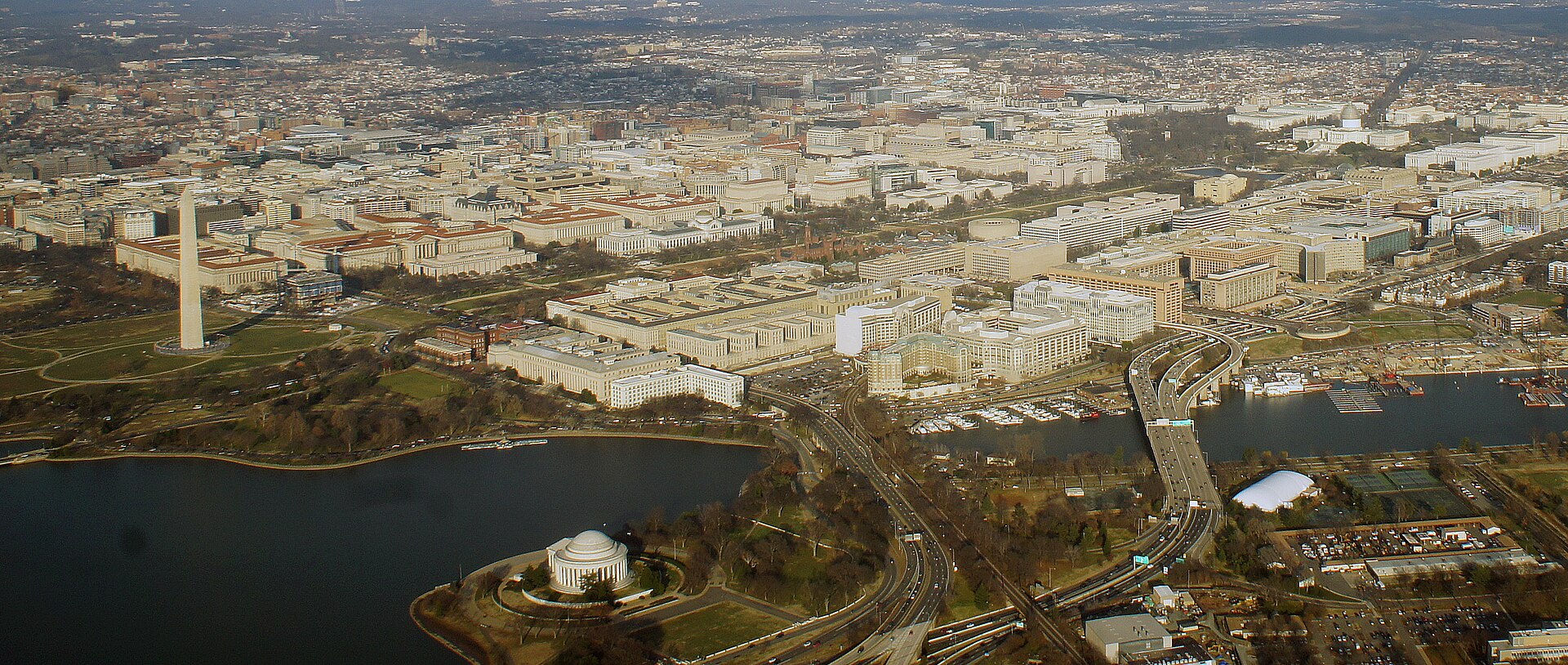
National Mall is Washington, D.C.’s great civic landscape: a broad east–west sequence of lawns, memorial grounds, museums, reflecting pools, and monumental views. It is best experienced as a connected outdoor route rather than as one enclosed attraction. The setting brings together the city’s most recognizable symbols, from the U.S. Capitol and Washington Monument to the western memorials beside the Potomac. Give the place time to unfold on foot, because its scale and changing perspectives are central to the experience. Even a short visit can feel substantial when you choose one section and follow it attentively.
Checked 2026-08-26 · Source
The Mall is a chain of open lawns, formal paths, memorials, reflecting pools, museum façades, and long sightlines rather than a building with rooms. Constitution Avenue and Independence Avenue frame much of the landscape, while the Washington Monument provides a useful visual midpoint. The eastern area works naturally with the Capitol, the National Gallery, and Smithsonian museums; the western route leads toward the Lincoln Memorial, Vietnam Veterans Memorial, and the Potomac. Pause at the pools and memorial grounds instead of treating them as scenery between stops. Their spacing, symmetry, and changing views are part of what makes the Mall distinctive.
Checked 2026-08-26 · Source
Plan at least half a day for one coherent section of National Mall, and reserve a full day if you want to combine a long memorial walk with museum interiors. The distance between the Capitol and the Lincoln Memorial is easy to underestimate, especially when you stop to read inscriptions or enter several institutions. Choose your main direction before setting out, then add nearby museums or memorials only when they fit naturally along the route. The open landscape rewards an unhurried pace, but a focused half-day still gives you time for major views, photographs, and meaningful pauses.
Checked 2026-08-26 · Source
Early morning and early evening suit the open landscape especially well, bringing softer light and a calmer atmosphere around the lawns and memorials. The park grounds are open 24 hours, while museums, visitor facilities, and ranger services follow their own schedules. Spring and autumn are comfortable seasons for a long walk; summer can feel exposed across the lawns, and winter brings fewer visitors but colder conditions. Major civic events may change routes, crowd levels, and security arrangements. For the clearest experience, begin outdoors before the busiest part of the day and keep your route flexible around scheduled indoor stops.
Checked 2026-08-26 · Source
The National Mall and Memorial Parks themselves are free to enter, so you can walk through the lawns, memorial grounds, and outdoor viewpoints without an admission ticket. Some nearby institutions have separate entry arrangements, and the Washington Monument may use reservations or timed passes. Treat those as individual visits rather than as a general Mall admission. If your route includes a museum or monument interior, place that stop into the day separately and allow time for its entrance process. The outdoor landscape remains the essential experience, even when an indoor reservation shapes the order of your visit.
Checked 2026-08-26 · Source
Choose a Metro station according to the section you want first. Smithsonian and Federal Triangle are useful for the central and eastern Mall; Archives and L’Enfant Plaza serve approaches from the north and south; Foggy Bottom is practical for the western memorial area when followed by a longer walk. Once you arrive, walking is the main way to connect the sights. The central blocks and security perimeters can make the final approach longer than expected, so build margin into any plan involving a timed entry. Public transport is generally more practical than searching for parking around the Mall.
Checked 2026-08-26 · Source
The Mall’s distances are its main challenge. A route that looks compact on a map can become a long walk across exposed lawns, with limited shade and few natural places to shorten the journey. Security perimeters and civic events can redirect pedestrians or close individual areas. Wear comfortable shoes, carry water, and leave extra time before any reservation. Keep your conduct quiet and respectful around memorials, avoid blocking paths or thresholds, and follow posted rules about bags, food, touching surfaces, and commercial activity. Treat the Mall as both a public park and a place of remembrance.
Checked 2026-08-26 · Source
The strongest photographs come from the Mall’s long axis, reflecting pools, memorial geometry, and changing relationships between the monuments and the city. Morning light can favour views toward the west, while late-day light often gives the Capitol-facing direction a warmer atmosphere. Use compact equipment and keep the walking route clear, particularly near entrances, security points, and memorial spaces. In museums or interiors, obey each institution’s posted photography rules. Reflections, open sky, and symmetrical lines reward patient framing, but the most important visual habit is to let other visitors move freely and to preserve the quiet character of commemorative places.
Checked 2026-08-26 · Source
Choose one direction, then walk through its connected lawns, memorial grounds, reflecting pools, and monumental viewpoints instead of trying to cover every attraction at once.
Allow at least half a day for one coherent section, or a full day if you want to combine the outdoor route with museum interiors and several western memorials.
The National Mall and Memorial Parks are free to enter. The Washington Monument and nearby museums may have separate reservations or timed-entry arrangements.
Early morning and early evening are usually the calmest periods for walking the open landscape, while the grounds remain open 24 hours.
Smithsonian, Federal Triangle, Archives, L’Enfant Plaza, and Foggy Bottom are useful choices, depending on the Mall section you plan to visit first.
Combine the eastern section with the National Gallery or Smithsonian museums, or follow the western route toward the Lincoln Memorial and Vietnam Veterans Memorial.
Loading the interactive map…
The interactive map could not be loaded.
Last updated:
Source: OpenStreetMap contributors, Wikidata ·