_(4391901843).jpg)
4 min walk
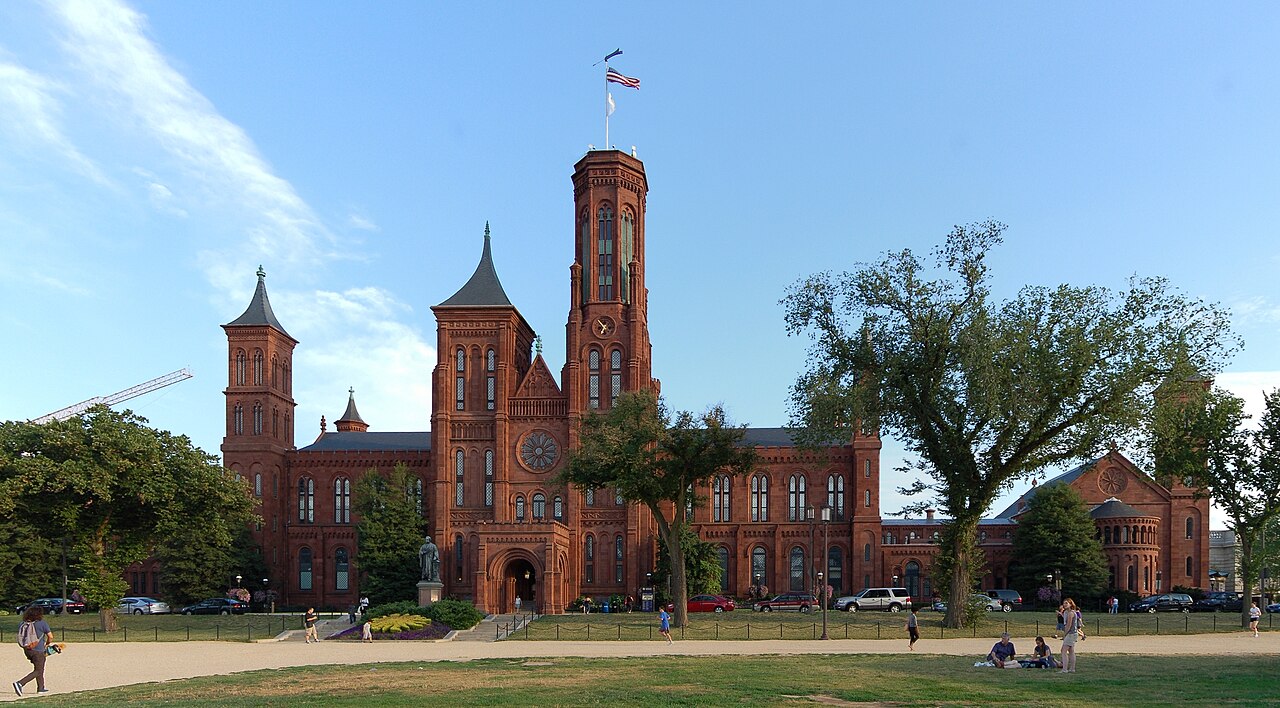
Smithsonian Institution Building
- Must see
- Activity
Museum · Washington
| Monday | 10:00 – 17:30 |
|---|---|
| Tuesday | 10:00 – 17:30 |
| Wednesday | 10:00 – 17:30 |
| Thursday | 10:00 – 17:30 |
| Friday | 10:00 – 17:30 |
| Saturday | 10:00 – 17:30 |
| Sunday | 10:00 – 17:30 |
Checked 2026-08-31 · Source
| Per person | Free entry |
|---|
Checked 2026-08-31 · Source
Read from the OpenStreetMap access tags; anything not listed has no tag recorded.
Set the group type to family in the planner and the day window contracts to about three quarters of a solo day.
The National Museum of Natural History is a Smithsonian museum on Washington’s National Mall dedicated to understanding the natural world. Its galleries connect human origins, planetary history, biological diversity and the evidence preserved in scientific collections. That combination gives this museum a distinct identity: it is both a public introduction to natural history and a working institution shaped by research. A first visit is especially rewarding when you follow the museum’s own subjects—life, Earth and human development—rather than treating the building as merely another Mall landmark. The museum’s subject matter gives Washington’s monumental setting a scientific and evolutionary perspective.
Checked 2026-09-02 · Source
The museum’s permanent displays range across dinosaurs and deep time, gems and minerals, mammals, oceans, insects and human cultures. These themes offer very different kinds of encounters: fossils reconstruct vanished worlds, mineral cases reveal the structure and colour of the planet, while animal and human-history galleries make evolution and biodiversity tangible. The collection is too extensive for one careful reading, so choose two or three priorities at the entrance. Use the orientation information to build a sequence, then add less central rooms only if your energy and time remain. Moving between these subjects helps visitors see the museum as a connected account of life, Earth and human history.
Checked 2026-09-02 · Source
Allow two to three hours for the major galleries, then extend the visit if your group wants detailed labels, family discussion or temporary exhibitions. The range is a planning estimate, not a timed admission promise. A quick overview can fit the lower end, while visitors who read extensively or move at a slower pace will need longer. Build the day around the museum’s core subjects before pairing it with another Mall stop, and keep enough margin for screening, rest breaks and the walking distance between large exhibition areas. Families may need additional pauses, while specialist visitors can spend much longer with selected displays.
Checked 2026-09-02 · Source
The operator records public opening from 10:00 to 17:30 every day of the week. Check the official visit page for the date of travel, since access arrangements, temporary closures and visitor-management rules can change. An earlier start leaves more time for the museum’s broad subject range and reduces the risk of compressing the final galleries. If you are coordinating several Mall institutions, place this museum where its two-to-three-hour core visit can remain intact rather than squeezing it between fixed commitments. The daily schedule is useful for planning, but it does not remove the need to verify current access information.
Checked 2026-09-02 · Source
General admission is free, according to the museum’s official visit information, so the recorded admission charge is zero US dollars per person. That makes the museum easy to include in a Washington day without a general-entry ticket cost. Treat general admission separately from any reservation, special exhibition, event or other optional arrangement if the operator presents one. Before travelling, consult the same official page for current entry instructions and any capacity or booking requirement that could affect how you enter. Do not replace the recorded free admission with prices copied from tours, attractions packages or third-party listings.
Checked 2026-09-02 · Source
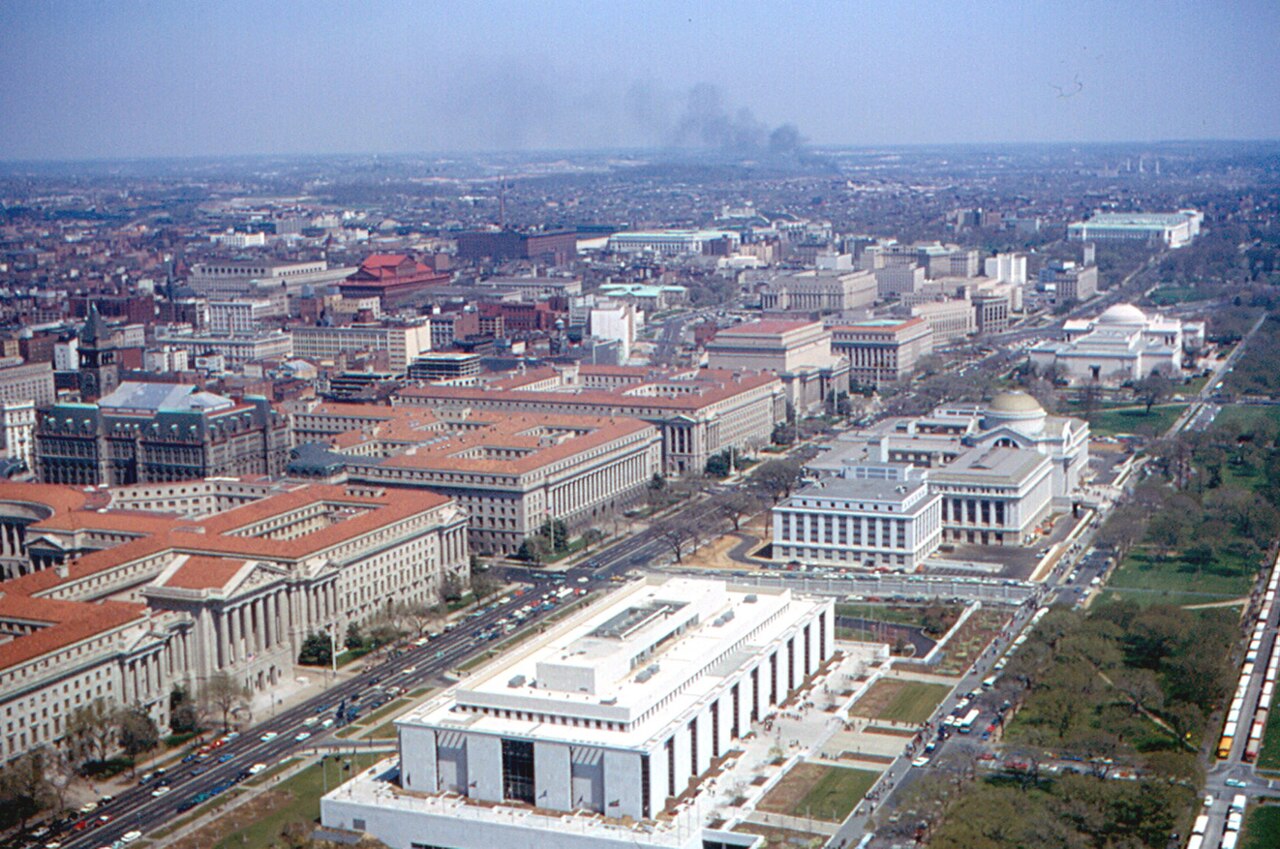
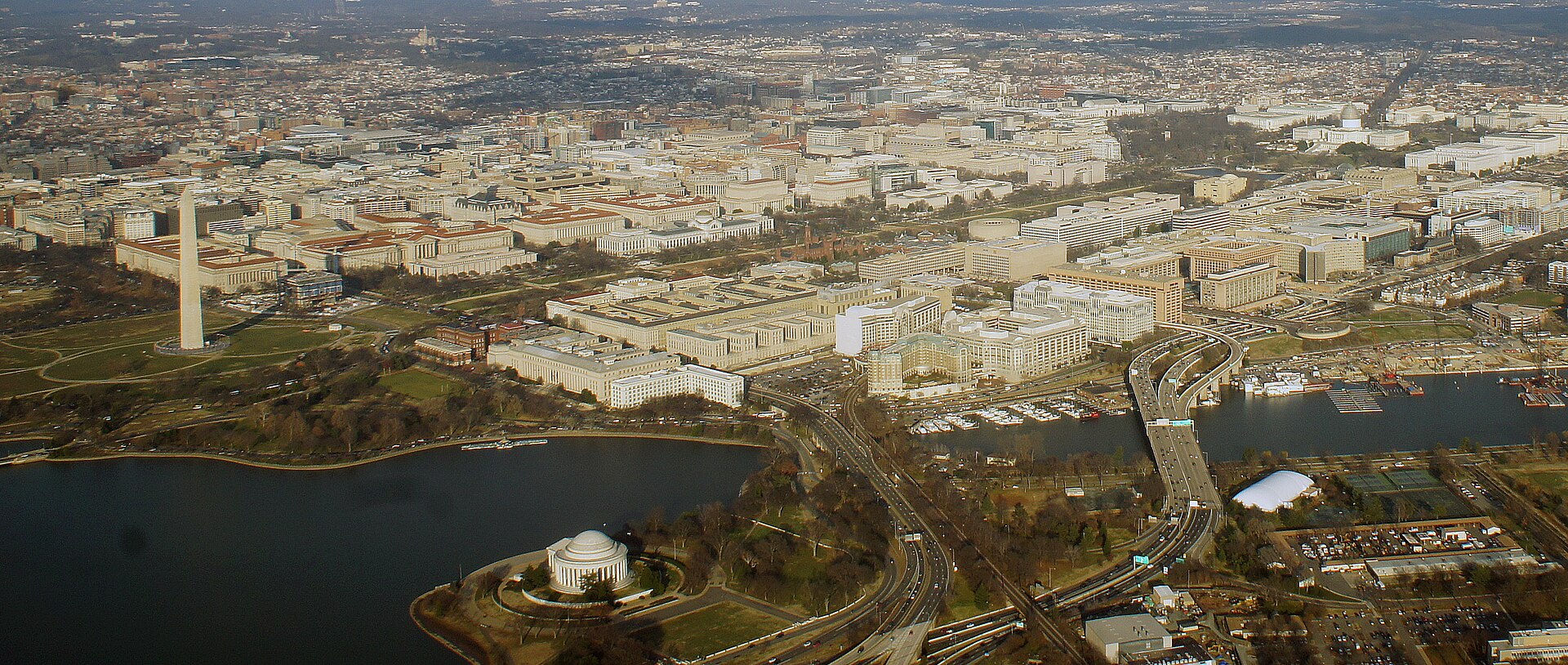
Entrances face Madison Drive on the Mall and Constitution Avenue. During the access limitations described in the operator’s research, the museum recommends using the Constitution Avenue entrance. Federal Triangle is the closest listed Metro station, but the final approach can take longer than a map glance suggests because central Washington has large blocks and security perimeters. Public transport and walking are practical ways to avoid scarce parking. The entrance choice matters most when Mall access is restricted or a large public event changes pedestrian movement.
Checked 2026-09-02 · Source
Plan for security screening and possible queues, especially at a busy Mall-facing entrance. The building’s large galleries involve substantial walking, so use the museum map and choose rest points instead of repeatedly crossing the floor plan. Temporary closures, prohibited objects and crowd controls can change the practical route; follow posted notices and staff instructions. Keep the visit comfortable by protecting time for slower movement, family pauses and accessible facilities. Limited step-free access means route planning is important for visitors who require a fully accessible path.
Checked 2026-09-02 · Source
Photography is most useful here when it records the scale and texture of the museum’s specimens without disrupting other visitors. Wide gallery views can show how fossils, minerals or animal displays are arranged, while reflective cases reward a careful angle and patient framing. Keep equipment compact, follow every posted restriction and obey staff instructions, particularly near entrances, security points and crowded objects. Do not touch displays or block circulation for a picture. Exterior photographs can also place the museum in its Mall setting, but leave room for pedestrians and changing access conditions. Specimen cases often photograph best from an angle that reduces reflections and preserves the exhibit’s context.
Checked 2026-09-02 · Source
Visit for a Smithsonian perspective on dinosaurs and deep time, gems and minerals, mammals, oceans, insects, human cultures and the natural world. Its strength is the way these subjects connect scientific evidence with an accessible museum experience on the National Mall.
Allow two to three hours for the major galleries. Add time if your group reads detailed labels, discusses exhibits, needs slower pacing or includes temporary exhibitions. Because the museum covers many subjects, choosing priorities in advance helps you finish the essential route without rushing.
Yes. The operator’s recorded general admission is free, represented as zero US dollars per person. Check the official visit page before travelling for any current reservation, capacity or special-program instructions that may be separate from general entry.
The operator records opening from 10:00 to 17:30 every day, Monday through Sunday. Recheck the official visit page for your travel date because temporary closures and access arrangements can change, particularly when the National Mall has special events or restrictions.
Use an entrance facing Madison Drive on the Mall or Constitution Avenue; the operator recommends Constitution Avenue during the recorded Mall access limitations. Federal Triangle is the closest listed Metro station. Allow extra time for Washington’s large blocks, security perimeters, screening and the final walk.
Its central National Mall position makes it possible to pair the visit with nearby Smithsonian and civic institutions, such as the National Museum of American History, National Gallery of Art or Smithsonian Castle area. Keep the combination realistic: protect two to three hours for this museum before adding another stop.
Loading the interactive map…
The interactive map could not be loaded.
Last updated:
Source: OpenStreetMap contributors, Wikidata ·