

5 min walk
Washington Monument
- Must see · Heritage site
- Historic monument
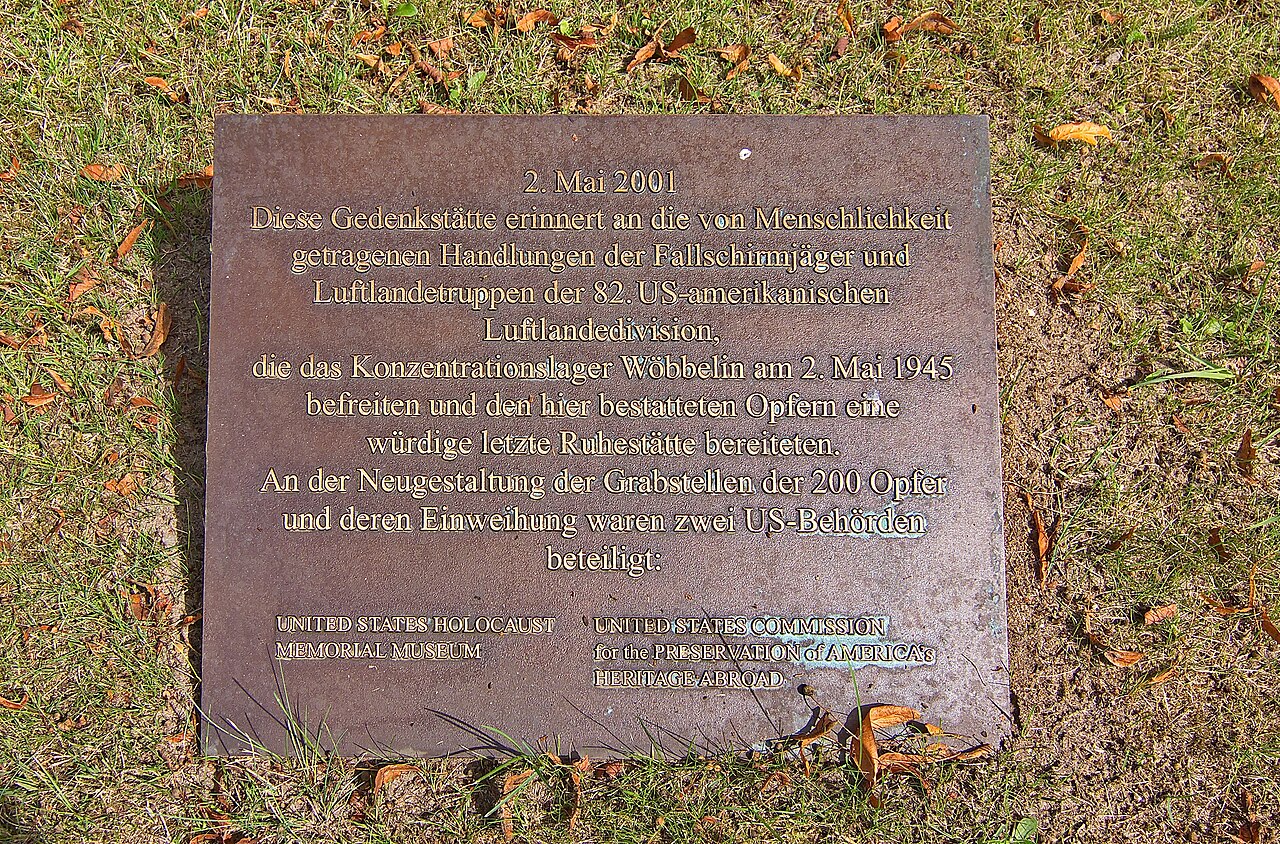
Museum · Washington
U.S. Holocaust Memorial Museum
| Monday | 10:00 – 17:30 |
|---|---|
| Tuesday | 10:00 – 17:30 |
| Wednesday | 10:00 – 17:30 |
| Thursday | 10:00 – 17:30 |
| Friday | 10:00 – 17:30 |
| Saturday | 10:00 – 17:30 |
| Sunday | 10:00 – 17:30 |
Checked 2026-08-31 · Source
| Per person | Free entry |
|---|
Checked 2026-08-31 · Source
Read from the OpenStreetMap access tags; anything not listed has no tag recorded.
Set the group type to family in the planner and the day window contracts to about three quarters of a solo day.
The U.S. Holocaust Memorial Museum is a national institution in Washington, DC devoted to documenting the Holocaust and preserving its human meaning through evidence, testimony and remembrance. Its identity is distinct from the ceremonial monuments around it: this is an interpretive museum that asks visitors to follow how persecution developed into mass murder and to consider individual choices within that history. The setting near the National Mall adds civic context, but the museum’s defining experience is its sustained attention to victims, survivors and witnesses. It deserves a thoughtful visit, not a quick exterior stop or a backdrop for photographs.
Checked 2026-09-02 · Source
The Permanent Exhibition presents a chronological history through artifacts, photographs, testimony and reconstructed environments, allowing visitors to see how events unfolded rather than encountering isolated facts. Daniel’s Story provides a child-oriented perspective, while temporary exhibitions and memorial or reflection spaces offer other ways into the museum’s work. Begin with the Permanent Exhibition if it is your main purpose, then choose additional spaces according to your energy and available time. The material rewards careful reading and pauses; the most important details may come from individual voices and documentary evidence rather than from quickly covering every room.
Checked 2026-09-02 · Source
Allow two to three hours for the Permanent Exhibition, then reserve additional unhurried time for memorial and reflection spaces. This is an editorial planning range, not a promise about queues or the length of every visit. Reading pace, school groups, security screening, accessibility needs and the emotional weight of the material can all extend the stop. If you are combining the museum with the National Mall, protect the core route first and arrange outdoor landmarks afterward. Visitors who read extensive testimony or pause frequently may need longer than the basic range, while a shorter visit should focus on the principal exhibition rather than trying to cover every available space.
Checked 2026-09-02 · Source
The recorded operator schedule is 10:00 to 17:30 every day, Monday through Sunday. Use the museum’s official visitor information for the date of your visit because special schedules, closures, capacity controls or security arrangements can affect entry. An earlier arrival leaves more room for the Permanent Exhibition and for pauses when the subject matter feels intense. Avoid compressing this stop between tightly timed Mall landmarks: the museum is more rewarding when you can slow down, read and reflect. If you have a timed reservation for the Permanent Exhibition, make it the anchor of the plan and leave margin around the approach and screening.
Checked 2026-09-02 · Source
Admission to the museum is free, recorded as 0 USD per person. The Permanent Exhibition requires a free timed-entry ticket under the current visitor policy, while some other exhibitions may not require one. Treat that reservation as an access and capacity measure, not as a paid admission charge. Use the official ticket information for your travel date because reservation rules, capacity limits and arrangements for special programs can change. Commercial listings may combine museum access with tours or other Washington attractions; those bundled prices are not the museum’s admission fee.
Checked 2026-09-02 · Source
The museum’s address is 100 Raoul Wallenberg Place SW, near the Smithsonian Metro station and the Washington Monument grounds. There is no public parking at the museum, so walking and public transport are generally more practical than relying on a nearby space. Central Washington’s blocks and security perimeters can interrupt direct paths, making the final approach longer than a map suggests. The location works well within a National Mall day, but nearby monuments do not guarantee an effortless walk, especially when major events or altered security arrangements reshape pedestrian access.
Checked 2026-09-02 · Source
Security screening is part of the visit, and the museum’s subject matter can be distressing. Build in time to pause, particularly when travelling with children or anyone who may need a slower pace through testimony and images. Follow age guidance, posted instructions and staff directions. The Permanent Exhibition is not a casual walk-through attraction: prepare for difficult evidence, allow companions different emotional responses and leave room for quiet reflection after the galleries. Keep the museum’s current requirements for bags, food, movement, voices and conduct in mind as you plan the visit.
Checked 2026-09-02 · Source
Photography should follow restrictions posted in each gallery and instructions from museum staff. Where it is allowed, keep flash off, avoid blocking circulation and remember that visitors may be reading testimony or observing memorial displays. Exterior views can be combined with a walk around the Mall, but interior photography should never turn evidence or remembrance into a staged backdrop. Compact equipment is easier to manage through screening and crowded thresholds. When uncertain, ask staff before photographing a particular object, room or ceremony. Respectful conduct matters more than obtaining a complete visual record, and a camera should never interrupt another visitor’s concentration or act of remembrance.
Checked 2026-09-02 · Source
Visit for its focused account of the Holocaust through artifacts, photographs, testimony and personal stories, presented in a national memorial setting. The museum explains both the historical sequence and the human consequences, so it merits a deliberate visit rather than a quick stop for exterior photographs.
Allow two to three hours for the Permanent Exhibition, with extra time for memorial and reflection spaces. Queues, security screening, reading pace, school groups, accessibility needs and the emotional weight of the material may extend the visit, so avoid placing it inside an overly tight itinerary.
Admission is free, recorded as 0 USD per person. The Permanent Exhibition requires a free timed-entry ticket under the current visitor policy, while some other exhibitions may not require one. The ticket controls access or capacity rather than charging admission, so use the museum’s official ticket information for the rules on your date.
The recorded operator schedule is 10:00–17:30 every day from Monday through Sunday. Use the official visitor information for your date before travelling, because special schedules, closures, capacity controls or security arrangements can change the practical conditions of entry.
Go to 100 Raoul Wallenberg Place SW, near the Smithsonian Metro station and the Washington Monument grounds. The museum has no public parking. Walking or public transport is usually more practical, but security perimeters and central Washington’s block layout can lengthen the final approach, so leave extra time.
The Washington Monument grounds, Tidal Basin, Bureau of Engraving and Printing exterior and National Mall paths are nearby possibilities. Combine them only after protecting enough time for the museum’s Permanent Exhibition, pauses and reflection; the visit should remain the day’s anchor rather than an item squeezed between landmarks.
Loading the interactive map…
The interactive map could not be loaded.
Last updated:
Source: OpenStreetMap contributors, Wikidata ·