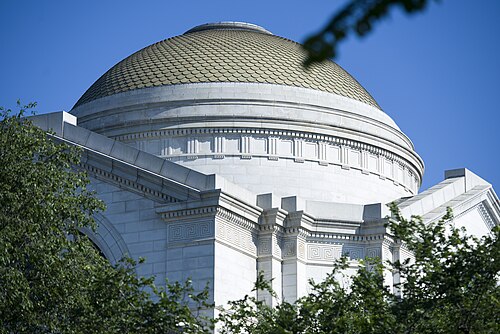
A photograph of Washington

City guide · United States

Washington

Washington is organised around the National Mall, but the city is much more than its monumental core. The Mall links the Capitol, Smithsonian museums and wester...

Photograph · Carol M. Highsmith · Public domain

3,796 Places
Suggested stay
Not recorded
Getting around
Walk, Metrorail and Metrobus

Turn this list into a plan

Set your days, your pace and the hours you actually want to be out. The planner works around closing days and travel time, and leaves room to eat.

Plan Washington

Reviewed by Elena Voss · Roavina Travel Editor

Washington is organised around the National Mall, but the city is much more than its monumental core. The Mall links the Capitol, Smithsonian museums and western memorials; Downtown and Penn Quarter sit north, Capitol Hill and Navy Yard lie east and southeast, and Dupont Circle, Georgetown, Shaw and The Wharf form separate neighbourhood destinations. Plan the Mall on foot and use Metro for movement between neighbourhood clusters.

Checked 2026-08-26

Practical information

Language spoken
English is the principal language; no federal official language
National practical orientation; regional and minority languages may also be used
Dialling code
+1
International calling code; local area and mobile prefixes still apply
Currency
United States dollar (USD)
Use the official local currency; card acceptance varies by place
Emergency number
911
Use only for an emergency; tourist assistance may use a separate number
Plug type
Type A and B · 120 V
Check that chargers support the recorded voltage before using an adapter
Tap water
Not recorded
Water quality is regulated locally; check the current notice for the destination

Planning a visit

September · September cools Washington to a 26.3°C mean high, though 99.6 mm of rain is normal.

  1. January: viable with meaningful trade-offs
  2. February: viable with meaningful trade-offs
  3. March: good time to visit
  4. April: best time to visit
  5. May: good time to visit
  6. June: good time to visit
  7. July: viable with meaningful trade-offs
  8. August: viable with meaningful trade-offs
  9. September: best time to visit — current month
  10. October: best time to visit
  11. November: good time to visit
  12. December: viable with meaningful trade-offs

Sources

Top things to see

Ranked by importance — sitelinks, pageviews and heritage status, not editor preference.

  1. National Museum of Natural History National Museum of Natural History
    02 1 hr 30 min

    National Museum of Natural History

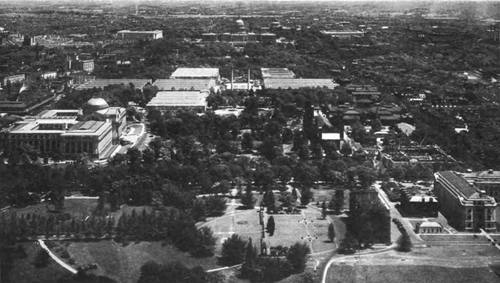
    The National Museum of Natural History is a Smithsonian museum on Washington’s National Mall dedicated to understanding the natural world. Its galleries connect human origins, planetary history, biological diversity and the evidence preserved in scientific collections.

    • Must see
    • Museum
  2. National Air and Space Museum National Air and Space Museum
    03 1 hr 30 min

    National Air and Space Museum

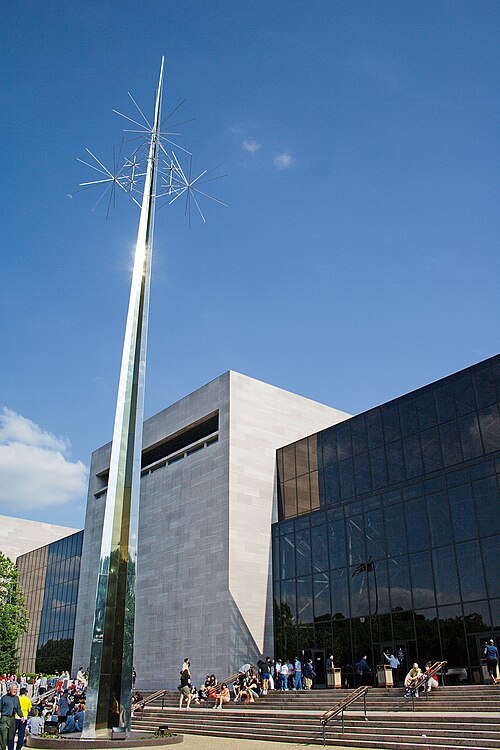
    The National Air and Space Museum is a Smithsonian institution on Washington’s National Mall devoted to the history and technology of flight.

    • Must see
    • Museum
  3. National Museum of African American History and Culture National Museum of African American History and Culture
    04 1 hr 30 min

    National Museum of African American History and Culture

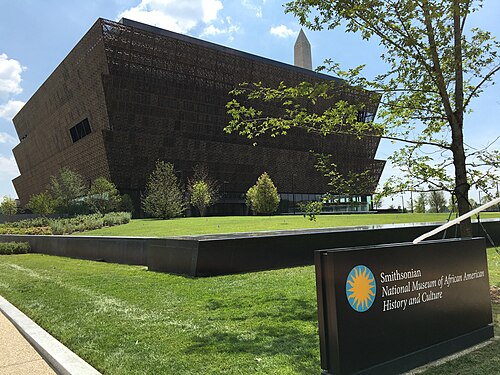
    The National Museum of African American History and Culture is the Smithsonian’s purpose-built museum of African American life, history, and culture on the National Mall.

    • Must see
    • Museum
  4. United States Holocaust Memorial Museum United States Holocaust Memorial Museum
    05 1 hr 30 min

    United States Holocaust Memorial Museum

    U.S. Holocaust Memorial Museum

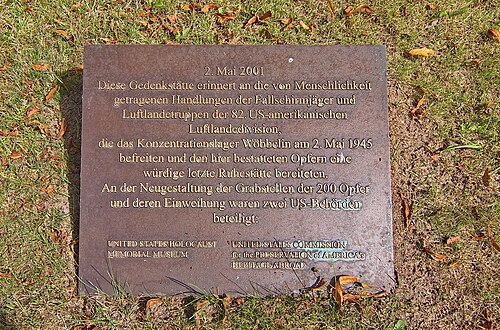
    The U.S. Holocaust Memorial Museum is a national institution in Washington, DC devoted to documenting the Holocaust and preserving its human meaning through evidence, testimony and remembrance.

    • Must see
    • Museum
  5. National Museum of American History National Museum of American History
    06 1 hr 30 min

    National Museum of American History

    The National Museum of American History is a Smithsonian Institution museum located on the National Mall in Washington, D.C. It serves as the Smithsonian's central collection for United States social, political, and material history.

    • Must see
    • Museum

Source: OpenStreetMap contributors, Wikidata ·

How the city is laid out

The National Mall is the main east-west axis, with the Capitol at its eastern end and the Lincoln Memorial toward the Potomac. Downtown and Penn Quarter are north of the Mall; Capitol Hill continues east; The Wharf and Navy Yard occupy separate waterfronts to the south. Dupont Circle and Adams Morgan are northwest, while Georgetown sits west without a Metrorail station. Distances across the Mall are longer than they appear on a diagram.

Checked 2026-08-26

Getting around

Walk within the National Mall and use Metrorail for longer connections between central districts. Metrobus fills gaps, particularly where rail does not reach directly, and Capital Bikeshare provides another option for waterfronts and broad avenues. Most visitors do not need a car because parking and traffic complicate central trips. Use WMATA's current trip planner and service notices for station access, closures and transfers.

Checked 2026-08-26

Common questions

How many days should I spend in Washington, DC?

A fixed stay length is not recorded. Plan the National Mall and its museums first, then add Capitol Hill, Georgetown or another neighbourhood according to your priorities.

Can I walk the entire National Mall?

Yes, but it is longer than it looks on a map. Divide the Capitol and museum end from the western memorials if you want time inside institutions.

Do I need a car in Washington?

Most visitors do not. Walking, Metrorail and Metrobus cover the principal visitor districts, while a car adds traffic and parking constraints in the centre.

Does Metrorail go directly to Georgetown?

No. Georgetown has no Metrorail station, so reach it by bus, walking, cycling or a connection from a nearby rail station.

Which areas are easiest to combine?

Combine the Mall with Downtown or Penn Quarter, Capitol Hill with Navy Yard, and The Wharf with the southern waterfront. Use Metro between these clusters.