
2 min walk
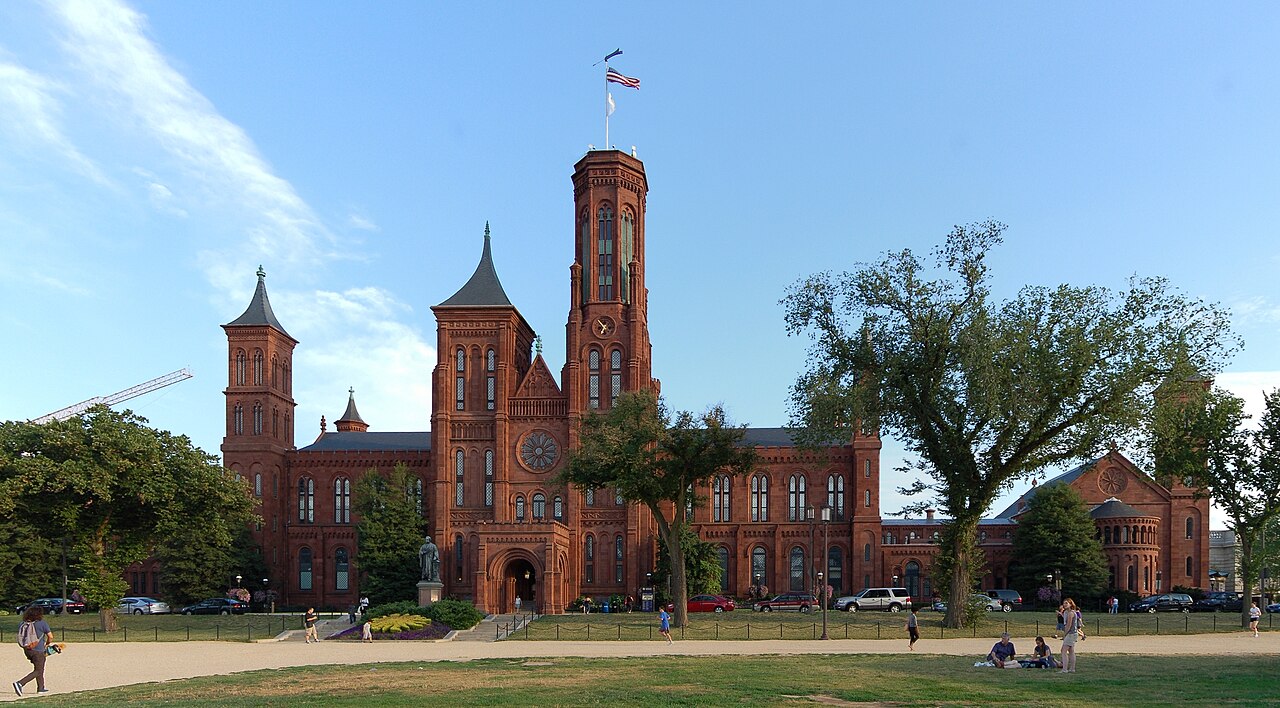
Smithsonian Institution Building
- Must see
- Activity
Museum · Washington
| Monday | 10:00 – 17:30 |
|---|---|
| Tuesday | 10:00 – 17:30 |
| Wednesday | 10:00 – 17:30 |
| Thursday | 10:00 – 17:30 |
| Friday | 10:00 – 17:30 |
| Saturday | 10:00 – 17:30 |
| Sunday | 10:00 – 17:30 |
Checked 2026-08-31 · Source
| Per person | Free entry |
|---|
Checked 2026-08-31 · Source
Read from the OpenStreetMap access tags; anything not listed has no tag recorded.
Set the group type to family in the planner and the day window contracts to about three quarters of a solo day.
The National Museum of African Art is the Smithsonian Institution’s museum devoted to the arts of Africa, beneath the National Mall in Washington, D.C. Its galleries bring together traditional and contemporary works from across the continent, presenting African creativity through sculpture, textiles, ceramics, metalwork, photography, and mixed media. The museum began in 1964 as a private institution founded by Warren M. Robbins and joined the Smithsonian in 1987. For travelers, it offers a focused cultural stop close to several major Mall attractions, with a quieter, more concentrated experience than the city’s largest museums. The visit is especially rewarding when you want to spend time with objects, materials, and artistic traditions rather than move quickly through a broad survey.
Checked 2026-08-26 · Source
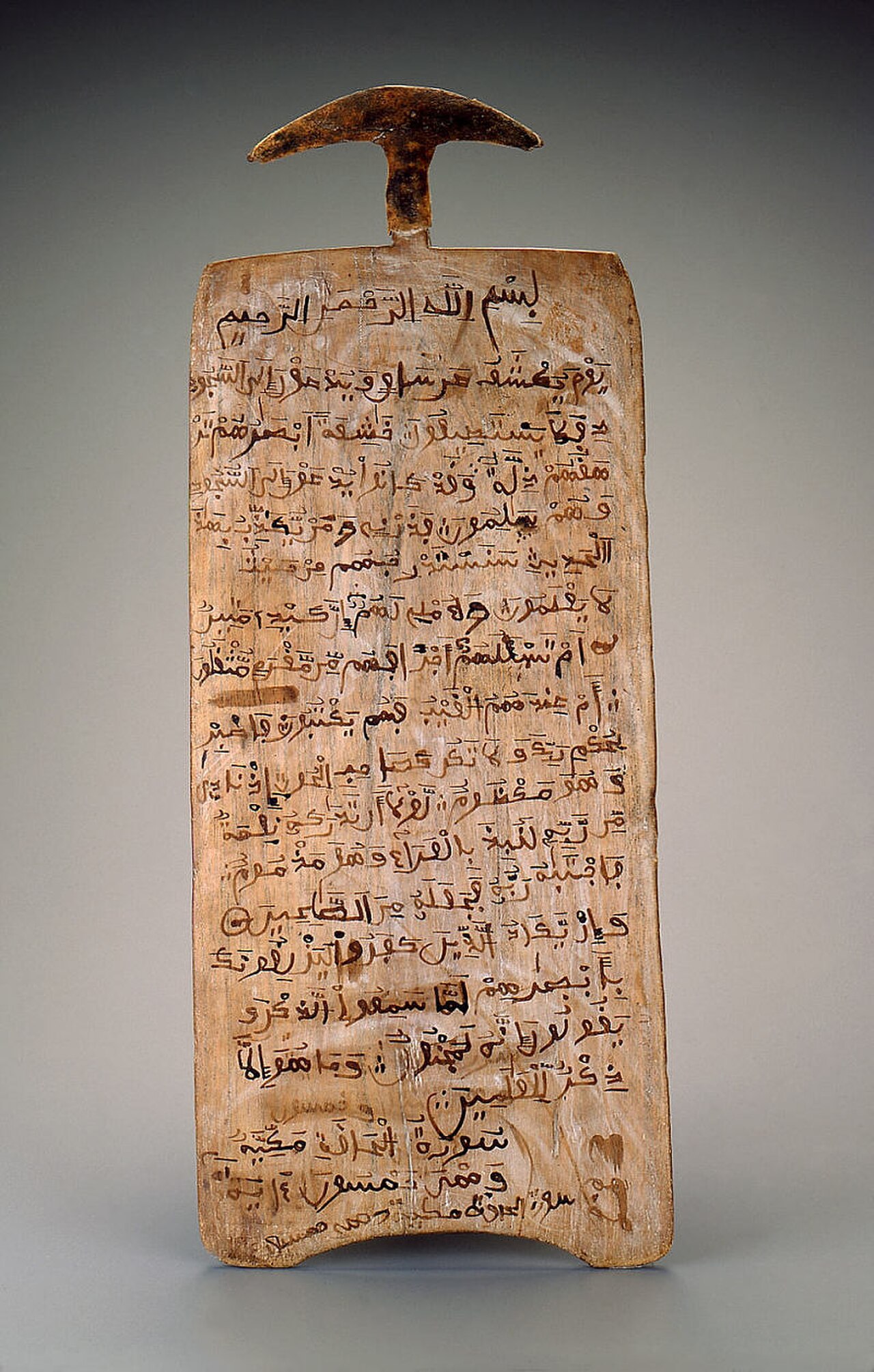
Inside, expect galleries devoted to African artistic expression across different regions, periods, and cultural settings. Sculpture, textiles, ceramics, metalwork, photography, and mixed-media pieces show how artists work with form, pattern, surface, symbolism, and everyday materials. The collection balances older traditions with modern and contemporary practices, so the museum is not limited to a single historical image of Africa. Temporary exhibitions add changing themes, individual artists, or regional perspectives. Educational displays and scholarly interpretation help connect objects with their makers and communities. Give yourself time to look closely at construction and texture: carved surfaces, woven patterns, cast metal, painted details, and photographic viewpoints often reward a slower pace. The experience works well as either a self-contained museum visit or a thoughtful pause between outdoor Mall landmarks.
Checked 2026-08-26 · Source
Plan on roughly ninety minutes to two hours for a satisfying visit. That gives enough time to move through the principal galleries, read selected interpretation, and spend longer with works that attract your attention. A visitor interested mainly in highlights can make the museum a compact stop, while anyone following a particular region, medium, or contemporary artist may want more time. Its underground layout makes the experience relatively contained compared with the broad scale of the National Mall. If you are building a museum-heavy day, place this visit between nearby Smithsonian stops and leave a little breathing room for outdoor walking. A slower visit is worthwhile because the collection’s variety is easier to appreciate when you compare materials and artistic approaches rather than rushing from room to room.
Checked 2026-08-26 · Source
The museum is a useful indoor stop in every season, especially when heat, cold, or rain makes a long walk across the National Mall less comfortable. Morning visits can feel calmer before the busiest sightseeing period. Summer and federal-holiday weekends bring more visitors to the Mall, so the galleries may feel busier at those times. The climate-controlled interior provides a comfortable contrast with Washington’s outdoor weather. If you are combining the museum with several neighboring institutions, visit early enough to keep the rest of the day flexible. Seasonal timing matters less for the galleries than for the surrounding Mall, where spring greenery, summer crowds, autumn light, and winter openness change the character of the walk between stops.
Checked 2026-08-26 · Source
General admission has historically been free as part of the Smithsonian Institution’s public museums on the National Mall. The museum’s free-entry tradition makes it easy to add to a day without committing to a large ticket purchase. Special exhibitions or programs can follow different arrangements, and donations support museum work and public programming. Treat the museum as a flexible stop: you can spend an hour with the galleries before continuing toward another Smithsonian building, or stay longer when a temporary exhibition deserves attention. Because the practical details of a particular program can differ from general museum entry, read the information attached to that program before planning around it. The main value of the visit is the collection itself, not a paid add-on.
Checked 2026-08-26 · Source
The museum sits beneath the National Mall near the Smithsonian Metro station, served by the Orange, Silver, and Blue lines. Metrobus routes serve the surrounding Mall and downtown streets. From other National Mall attractions, walking is straightforward, though distances between Smithsonian buildings can be longer than they look on a map. Bicycle racks serve visitors arriving by bike. Limited street parking and commercial garages are available in the wider area, but driving adds the complication of downtown traffic and parking restrictions. Use the underground entrance configuration as your visual cue: the museum does not present itself like a conventional above-ground building, so follow the signs around the Mall surface to locate the descent.
Checked 2026-08-26 · Source
The below-ground setting can make arrival feel less obvious than at a freestanding museum with a prominent façade. Allow a few minutes for surface wayfinding and the descent into the building. Smithsonian security procedures apply, and food and drinks belong outside the gallery areas. Crowding is possible during major Mall visitor periods, while individual rooms can close temporarily during exhibition changes. Follow gallery instructions around delicate works and keep mobile-device use considerate of other visitors. The compact footprint helps navigation once inside, but it also means that a busy gallery can feel close and quiet spaces can fill quickly. Comfortable shoes remain useful because the museum is best combined with walking between nearby attractions.
Checked 2026-08-26 · Source
Photography rules can differ between galleries and exhibitions. Flash photography is typically prohibited because light can damage sensitive materials and disrupt other visitors. Tripods, monopods, and selfie sticks are generally unsuitable in the gallery environment. Read the sign at each exhibition entrance and follow staff directions when a particular work has additional restrictions. Personal, non-commercial photographs may be possible where the gallery permits them, but copyright and loan conditions can limit how images are used. Keep the camera experience unobtrusive: avoid blocking views, do not lean toward objects, and switch off flash before entering. The outdoor Mall surroundings provide broad photographic opportunities before or after the indoor visit.
Checked 2026-08-26 · Source
The museum displays traditional and contemporary African art, including sculpture, textiles, ceramics, metalwork, photography, and mixed media from across the continent.
It is beneath the National Mall in Washington, D.C., near the Smithsonian Metro station and within walking distance of other Mall attractions.
Allow about ninety minutes to two hours for the galleries, with extra time if you want to study a particular exhibition or artistic medium.
Yes. The museum occupies a primarily subterranean building beneath the National Mall, with an entrance reached from the Mall surface.
Photography rules vary by gallery. Flash photography is typically prohibited, and temporary exhibitions or individual works can have additional restrictions.
The Smithsonian station is nearby and is served by the Orange, Silver, and Blue lines.
Loading the interactive map…
The interactive map could not be loaded.
Last updated:
Source: OpenStreetMap contributors, Wikidata ·