
2 min walk
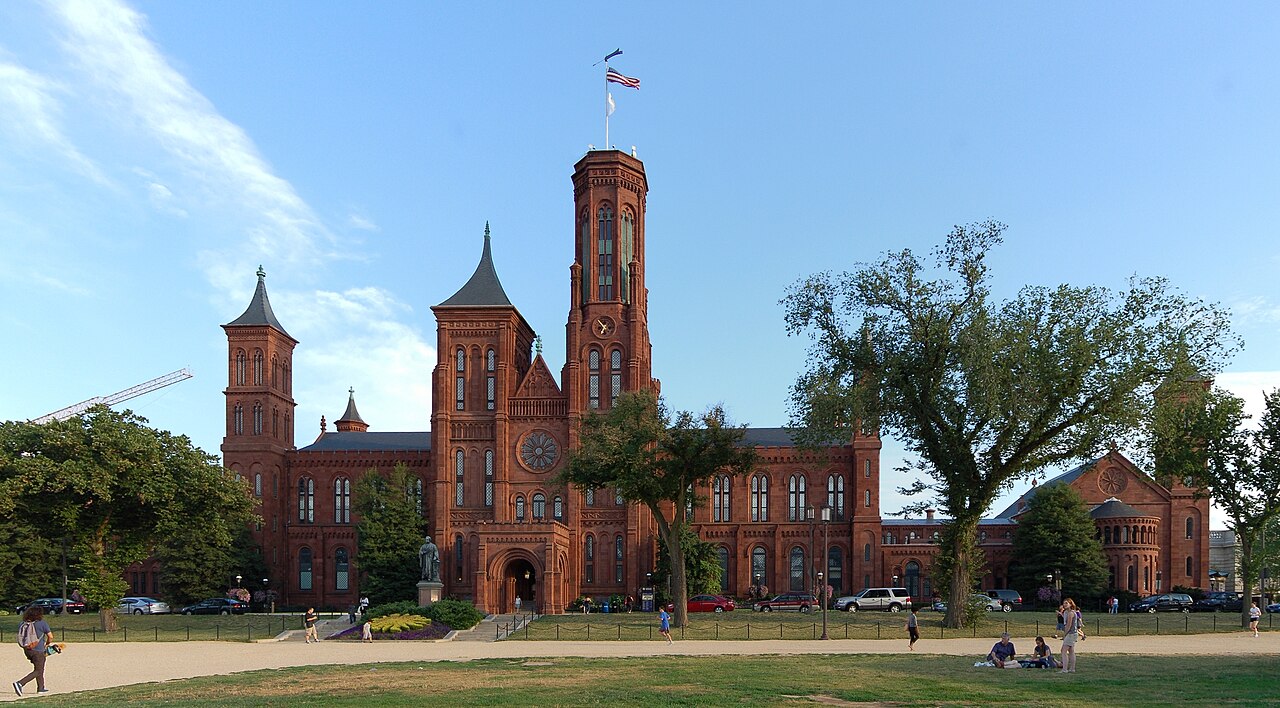
Smithsonian Institution Building
- Must see
- Activity
Language · 11 published
Museum · Washington
National Museum of Asian Art
Reviewed by Elena Voss · Roavina Travel Editor
| Monday | 10:00 – 17:30 |
|---|---|
| Tuesday | 10:00 – 17:30 |
| Wednesday | 10:00 – 17:30 |
| Thursday | 10:00 – 17:30 |
| Friday | 10:00 – 17:30 |
| Saturday | 10:00 – 17:30 |
| Sunday | 10:00 – 17:30 |
Checked 2026-08-31 · Source
Read from the OpenStreetMap access tags; anything not listed has no tag recorded.
Set the group type to family in the planner and the day window contracts to about three quarters of a solo day.
This place is a Museum. It was established in 1987.
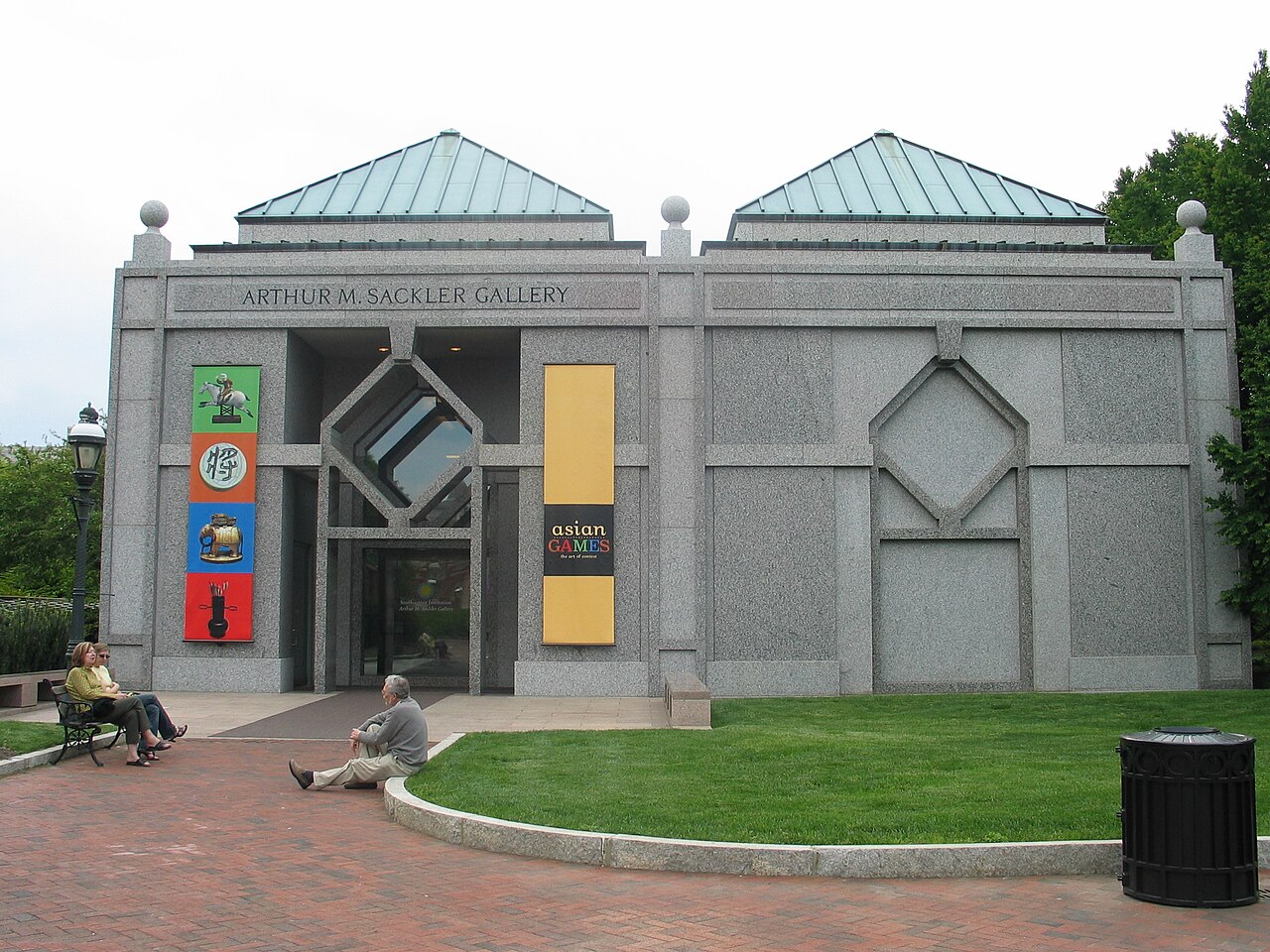
The National Museum of Asian Art is the Smithsonian Institution's national museum devoted to Asian art. It brings together the Freer Gallery of Art and the Arthur M. Sackler Gallery, with the Sackler Gallery represented by this location on the National Mall. Across the two collections, the museum covers many Asian cultures, periods, and artistic traditions, making it a substantial indoor stop for visitors interested in art, history, and material culture. The National Museum of Asian Art is the Smithsonian Institution's national museum dedicated to Asian art. It encompasses two distinct collections: the Freer Gallery of Art and the Arthur M. Sackler Gallery. The Sackler Gallery, identified by this OSM way, is located on the National Mall in Washington, D.C. The museum serves as a major repository for Asian art in the United States, housing significant collections spanning numerous cultures and historical periods across the Asian continent. A flexible visit lets travellers connect National Museum of Asian Art with the rest of the day without treating one room, viewpoint or photograph as the whole experience. The useful pace depends on personal interest and conditions on arrival. No, they are separate buildings; the Sackler Gallery is underground near the Haupt Garden, while the Freer Gallery is adjacent but distinct.
Checked 2026-08-26 · Source
The collections include Chinese paintings, Japanese prints, Korean ceramics, Indian and Himalayan sculpture, Islamic art, and ancient Near Eastern works. The Freer collection is especially associated with Chinese and Japanese art alongside American works. The Sackler collection adds notable depth in Chinese jades and bronzes, Islamic art, and ancient Near Eastern objects. Together, the galleries offer both broad cultural variety and specialized groups of objects that reward close looking. The museum holds extensive collections of Asian art including Chinese paintings, Japanese prints, Korean ceramics, Indian and Himalayan sculpture, Islamic art, and ancient Near Eastern works.
Checked 2026-08-26 · Source
Plan at least two to three hours if you want to experience the museum beyond a quick highlights visit. A focused visit can be shorter, but the collections span two gallery buildings and many traditions. Visitors with a strong interest in a particular region or medium may prefer half a day or longer. Give yourself time to move between galleries, compare related objects, and pause with works that catch your attention.
Checked 2026-08-26 · Source
The National Mall location works well when the weather makes a long outdoor walk uncomfortable, although reaching the entrance still involves moving through the Mall area. Weekday mornings are often a calmer choice than busy afternoons or weekends. Spring blossom season and summer holidays bring more visitors to central Washington. Winter can offer a quieter museum experience. A visit also provides a useful indoor pause between other Smithsonian museums and monuments.
Checked 2026-08-26 · Source
The National Museum of Asian Art is part of the Smithsonian and operates without an admission fee. This makes it easy to add to a Washington itinerary without a ticket budget. Donations are welcomed. The Freer and Sackler galleries are separate buildings, so a visit to one does not mean you have already seen the other. Set aside enough time if you want to treat both collections as one museum experience.
Checked 2026-08-26 · Source
The museum is on the National Mall, near the Smithsonian Metro station, served by the Blue, Orange, and Silver lines. Metrobus routes serve the wider Mall area, and walking between nearby museums is practical. The Sackler Gallery occupies an underground setting beneath the Enid A. Haupt Garden, with street-level entrances from Jefferson Drive or Independence Avenue. There is no dedicated visitor parking indicated, so public transport and walking are useful choices.
Checked 2026-08-26 · Source
The underground Sackler setting can make the entrance less obvious than a conventional street-front museum. The Freer Gallery is a separate building, requiring you to leave one and enter the other. Smithsonian security screening forms part of the visit. Gallery temperatures may feel cool because the collections need controlled conditions. The museum's scholarly range suits visitors ready to explore objects and traditions beyond a single blockbuster display.
Checked 2026-08-26 · Source
Photography rules vary by gallery, object, and exhibition. Follow the signs and staff directions, especially around flash, tripods, and selfie sticks. Some contemporary or loaned works may have additional restrictions. Pencil sketching is generally compatible with museum settings, while commercial photography requires advance arrangements. Because the galleries contain delicate and diverse works, keep equipment and positioning unobtrusive and leave clear space for other visitors moving through the rooms.
Checked 2026-08-26 · Source
Yes. The Smithsonian museum operates without an admission fee, although donations are welcomed.
No. They are separate buildings; the Sackler Gallery is underground near the Haupt Garden, while the Freer Gallery is adjacent but distinct.
The Smithsonian station on the Blue, Orange, and Silver lines provides nearby service to the National Mall location.
Allow at least two to three hours. Visitors exploring both buildings or specific traditions may prefer half a day or longer.
No dedicated visitor parking is indicated. Public transport and walking from elsewhere on the National Mall are practical alternatives.
Policies vary by gallery and object. Follow posted signs and ask staff, as flash, tripods, or photography of particular works may be restricted.
Loading the interactive map…
The interactive map could not be loaded.

Last updated:
Source: OpenStreetMap contributors, Wikidata ·