
3 min walk
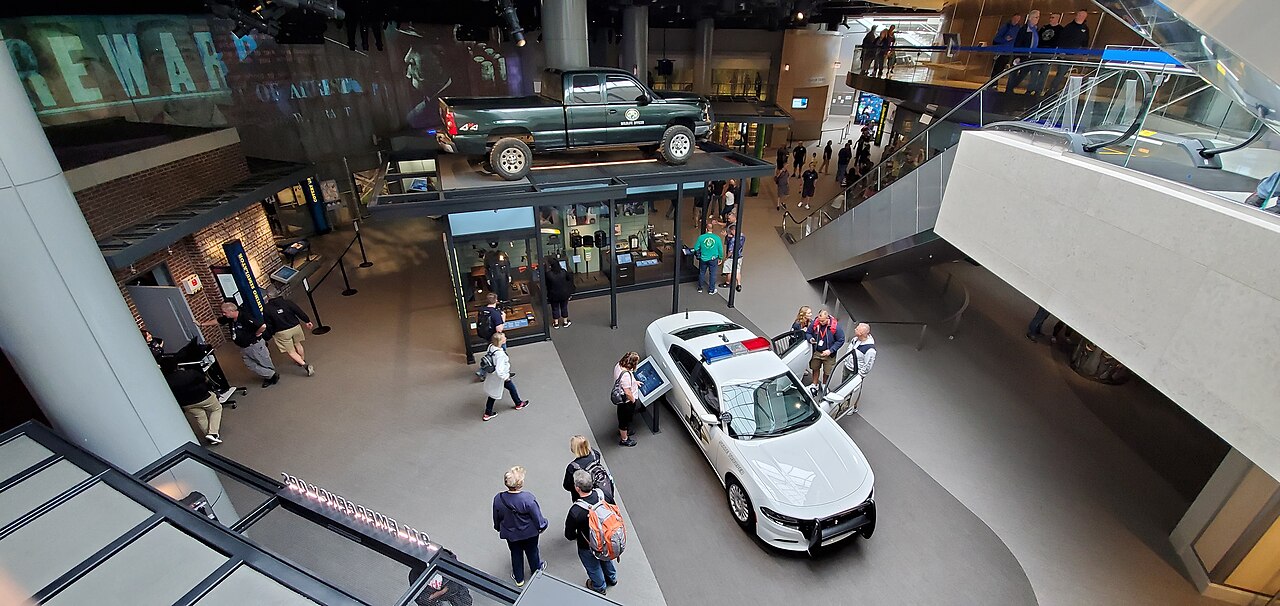
National Law Enforcement Museum
- Must see
- Museum
Museum · Washington
| Monday | 10:00 – 17:00 |
|---|---|
| Tuesday | Closed |
| Wednesday | Closed |
| Thursday | 10:00 – 17:00 |
| Friday | 10:00 – 17:00 |
| Saturday | 10:00 – 17:00 |
| Sunday | 10:00 – 17:00 |
Checked 2026-08-31 · Source
| Per person | $18.95 |
|---|
Checked 2026-08-31 · Source
Read from the OpenStreetMap access tags; anything not listed has no tag recorded.
Set the group type to family in the planner and the day window contracts to about three quarters of a solo day.
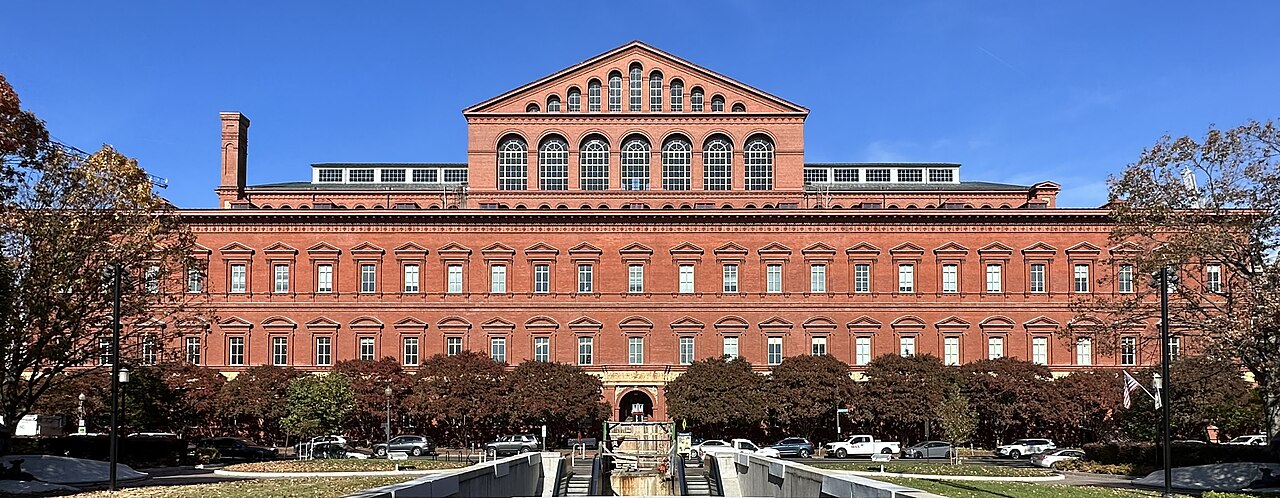
The National Building Museum is an architecture and design museum in Washington, D.C., housed in the former Pension Building. Its subject is the built environment: architecture, engineering, design, construction, and urban planning. The building is part of the visit, not merely a container for exhibitions, with its historic structure providing a strong setting for learning about how buildings and cities shape everyday life. It suits travelers who enjoy design, historic architecture, and the ideas behind urban places. The National Building Museum is a major architecture and design museum housed in the former Pension Building in Washington, D.C. The building itself is a significant historic structure, originally constructed to serve pension needs. Its Wikipedia-resolved identity is Q624008, with coordinates located approximately 55 meters from the unique production point of interest. Contact the museum directly for current admission information.
Checked 2026-08-26 · Source
Inside, visitors find exhibitions connected with building arts and architectural history. Displays and programs explore the relationship between the built environment, communities, and daily life. The former Pension Building gives the museum a distinctive interior atmosphere, so spend time looking beyond the exhibition material at the scale and character of the surrounding spaces. The experience is strongest when you connect what is shown in the galleries with the building itself and with the streets and city planning visible around the museum.
Checked 2026-08-26 · Source
Plan about one to two hours for a focused visit, especially if you want to see the exhibitions and spend a little time appreciating the former Pension Building. Travelers with a strong interest in architecture, engineering, or urban planning can make the stop longer by reading displays carefully and examining the building's interior. Its flexible format also works well as part of a Washington sightseeing day, since the visit can be shaped around your interest rather than a fixed route through one compact attraction.
Checked 2026-08-26 · Source
This is an indoor museum visit, making it a useful choice when Washington weather is hot, humid, cold, or otherwise uncomfortable for extended outdoor sightseeing. The museum also works well on a day devoted to architecture, design, or the history of the capital's civic spaces. Set aside enough time to move through the exhibitions without rushing and to look closely at the building's interior. Because the visitor experience is tied to exhibitions and programs, the character of a visit can vary with the presentation on view.
Checked 2026-08-26 · Source
The National Building Museum combines exhibition viewing with the experience of entering the former Pension Building. Admission arrangements are separate from the architectural value of the building itself, so treat the museum as a planned cultural stop rather than an exterior landmark alone. Allow time for the displays and educational material once inside. If your itinerary includes several Washington museums, this one adds a distinct focus on architecture, engineering, construction, design, and urban planning rather than art collections or political history.
Checked 2026-08-26 · Source
The museum is in Washington, D.C., within the city's central cultural and civic landscape. Reach it as part of a walking day through the capital or by using the wider city transportation network. Its urban setting makes it practical to combine with other downtown sights, but plan the approach as a city journey rather than as a standalone countryside destination. Once there, keep the building's former civic purpose in mind: the surrounding setting helps explain why architecture and urban planning are central to the museum's identity.
Checked 2026-08-26 · Source
The main challenge is deciding how deeply to engage with the subject matter. A quick pass can miss the connection between the exhibitions and the historic building, while a careful visit rewards attention to structure, scale, and the effect of design on communities. Treat the museum as an educational cultural institution and give other visitors room to read and view displays. The former Pension Building's large interior spaces are part of the atmosphere, so include time to look upward and across the full volume of the building.
Checked 2026-08-26 · Source
The former Pension Building offers architectural subjects that can be as interesting as the museum's exhibitions: broad interior volumes, historic construction, and design details. Focus your camera on the building and the experience of the built environment, while keeping exhibition viewing comfortable for others. Photography is most rewarding when you compare the museum's interior scale with the ideas presented in its displays. Use the visit to record visual details that help you remember how the building frames the museum's themes.
Checked 2026-08-26 · Source
It is known for architecture and design exhibitions housed in the former Pension Building, with themes including engineering, construction, urban planning, and the built environment.
The museum occupies the former Pension Building, whose historic architecture forms an important part of the visitor experience.
Its subjects include architecture, engineering, design, construction, urban planning, and the effect of the built environment on communities and daily life.
About one to two hours suits a focused visit, while architecture and design enthusiasts can spend longer with the exhibitions and the former Pension Building's interior.
Yes. The museum brings together architectural history, engineering, design, construction, and urban planning, making it a natural stop for a built-environment itinerary.
The building is a significant historic structure and gives the exhibitions a direct architectural setting, allowing visitors to experience the museum's themes in the building around them.
Loading the interactive map…
The interactive map could not be loaded.
Last updated:
Source: OpenStreetMap contributors, Wikidata ·