.jpg)
.jpg)
.jpg)


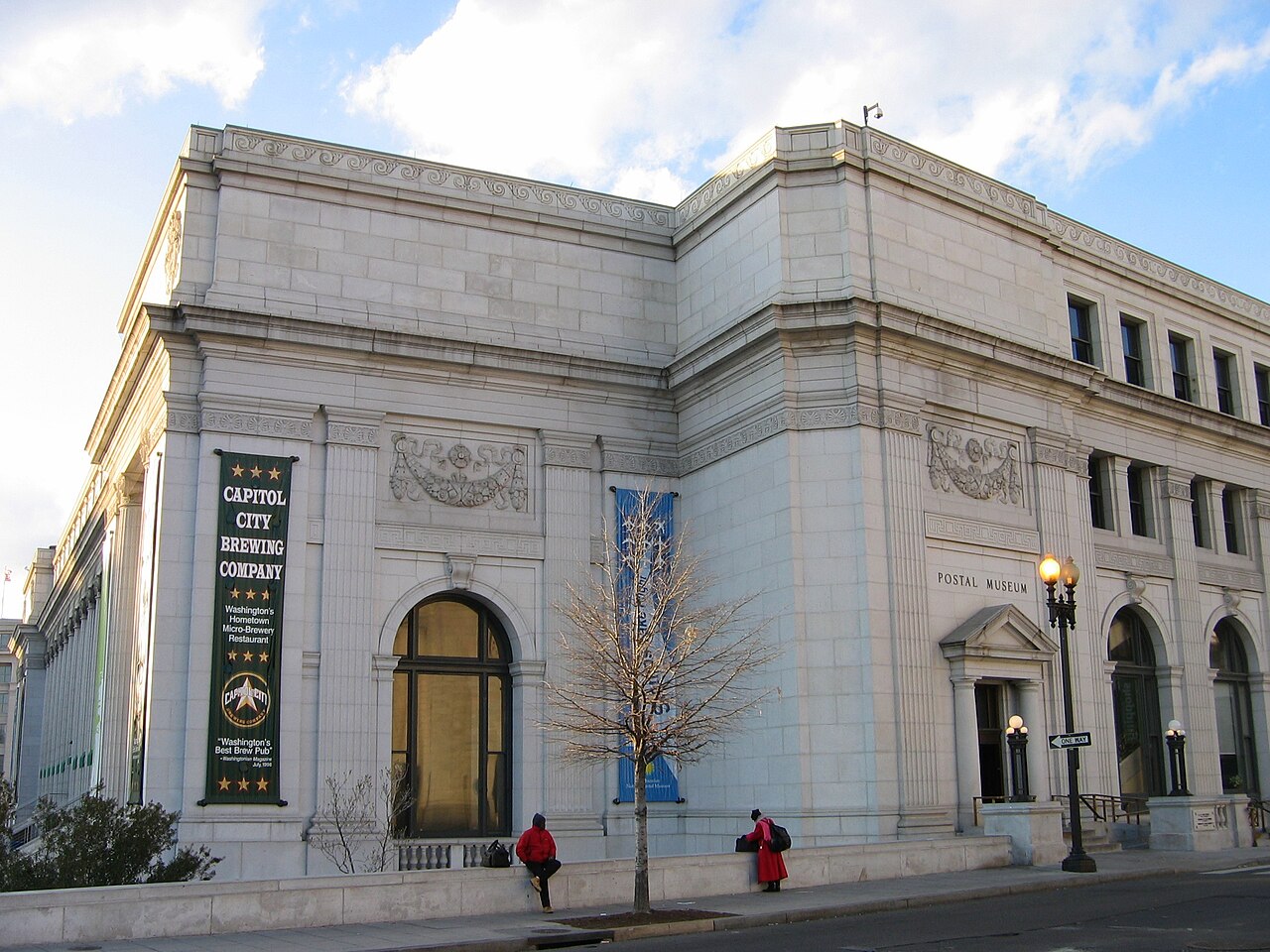
6 min walk
National Postal Museum
- Must see
- Museum

Historic monument · Washington
Japanese American Memorial
| Monday | 00:00 – 23:59 |
|---|---|
| Tuesday | 00:00 – 23:59 |
| Wednesday | 00:00 – 23:59 |
| Thursday | 00:00 – 23:59 |
| Friday | 00:00 – 23:59 |
| Saturday | 00:00 – 23:59 |
| Sunday | 00:00 – 23:59 |
Checked 2026-08-31 · Source
| Per person | Free entry |
|---|
Checked 2026-08-31 · Source
Read from the OpenStreetMap access tags; anything not listed has no tag recorded.
Set the group type to family in the planner and the day window contracts to about three quarters of a solo day.
The Japanese American Memorial to Patriotism During World War II is an outdoor memorial near the United States Capitol in Washington, D.C. It remembers Japanese Americans who served in the United States Armed Forces during World War II and those who endured wartime incarceration. The setting is designed for a quiet, reflective visit rather than a long sequence of indoor exhibits. It is a meaningful stop for travelers interested in American history, military service, civil liberties, and the experiences of communities affected by wartime discrimination. The Japanese American Memorial to Patriotism During World War II is a national memorial in Washington, D.C. It honors the loyalty and sacrifice of Japanese Americans who served in the United States Armed Forces during World War II, as well as those who endured wartime incarceration in internment camps. The memorial stands as a testament to patriotism demonstrated under extraordinary circumstances. It serves as a permanent reminder of a difficult chapter in American history when citizens faced discrimination and loss of civil liberties despite their allegiance to the nation. The memorial is an outdoor installation with sculptural and inscribed elements in an open-air setting.
Checked 2026-08-26 · Source
The memorial brings its history together through sculpture, inscriptions, landscaping, and water elements. Its central bronze sculpture shows two cranes entangled in barbed wire, creating a direct visual contrast between freedom and confinement. Granite walls carry names connected with Japanese American military service, together with quotations and historical text about incarceration and loyalty. Read the inscriptions slowly: the memorial's significance comes from the relationship between the sculpture, the names, and the difficult history described around them.
Checked 2026-08-26 · Source

Allow about thirty to sixty minutes for a focused visit. That is enough time to walk around the compact site, study the crane sculpture, and read the principal inscriptions without rushing. Travelers with a strong interest in Japanese American history, military units, or civil liberties may want to stay longer for reflection. The memorial also works as a shorter stop between Capitol Hill sights, especially when your route already passes through the surrounding government and museum district.
Checked 2026-08-26 · Source
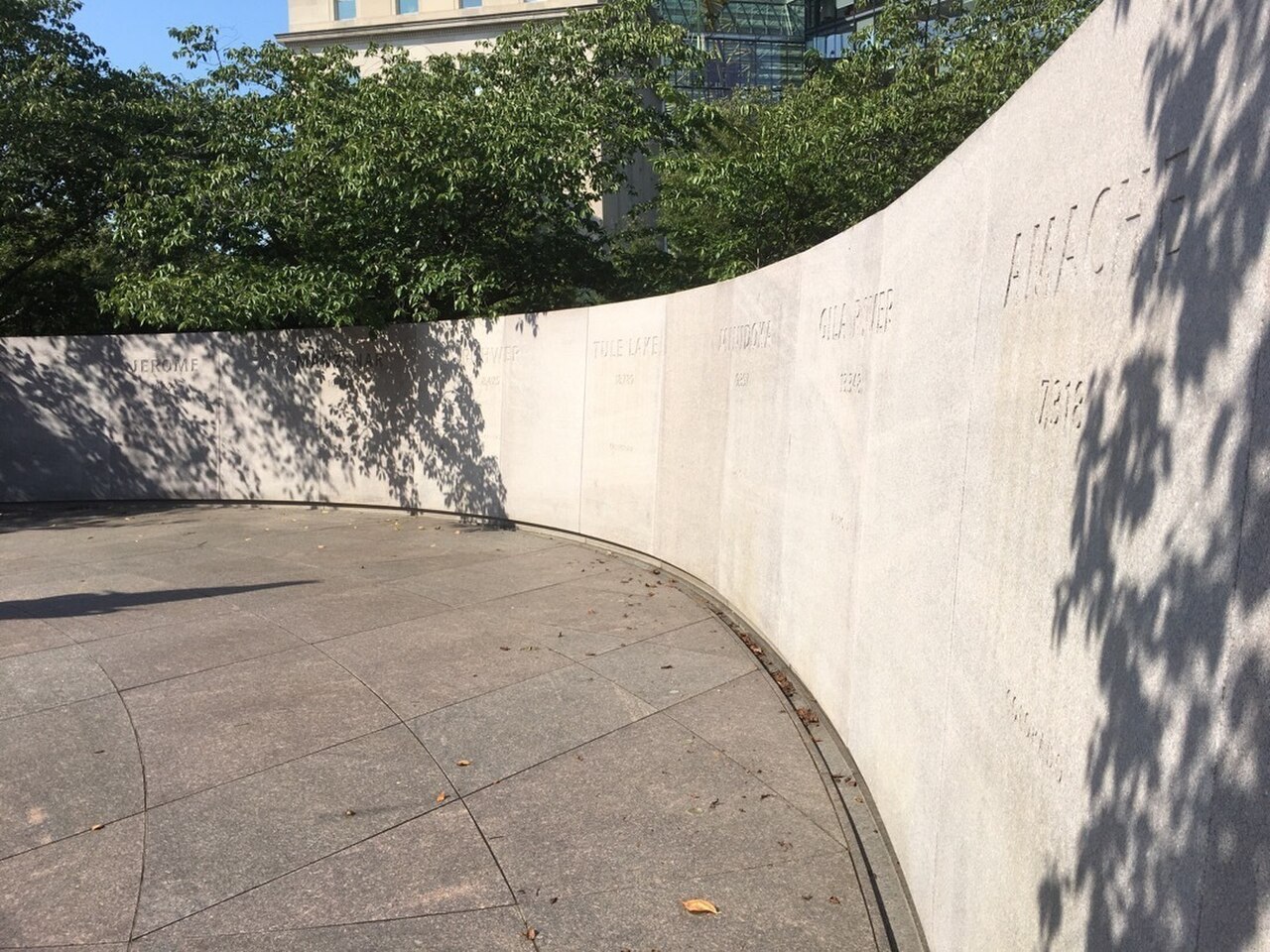
Because the memorial is outdoors, choose a time when you will be comfortable standing and reading in changing weather. Spring and autumn usually provide pleasant conditions for an open-air visit, while Washington summers can be hot and humid and winters can be cold. Daylight is the most useful period for reading the inscriptions. Morning or late afternoon can give the surrounding landscape a softer appearance, while the memorial's subject matter makes a calm, unhurried visit especially appropriate.
Checked 2026-08-26 · Source
This is a memorial installation rather than a conventional museum visit, so travelers encounter the site through its outdoor sculptural and inscribed elements. There is no ticket desk or gallery sequence described in the guide material. Treat the visit as a brief public memorial stop that can be combined with a walk around Capitol Hill. The main value lies in the historical interpretation and the opportunity to pause with the names, quotations, and symbols presented at the site.
Checked 2026-08-26 · Source

The memorial is in the central Capitol Hill area, where Metrorail, Metrobus, walking routes, and the Union Station transport hub connect with the wider city. From nearby government buildings and museums, it fits naturally into a walking itinerary. The surrounding district has heavy traffic, security activity, and limited street parking, so public transport or walking is usually more practical than driving directly to the memorial. Approach through normal pedestrian routes around the Capitol complex.
Checked 2026-08-26 · Source

Plan for an exposed urban setting with little shelter from sun, wind, or rain. Read the inscriptions in daylight, since low light makes detailed text harder to follow. The subject includes incarceration, racial discrimination, military sacrifice, and the loss of civil liberties; give yourself time to absorb the material rather than treating the memorial as a quick photo backdrop. Nearby government buildings can bring security presence and altered pedestrian movement, so stay attentive while walking through the district.
Checked 2026-08-26 · Source

The crane sculpture, barbed-wire motif, granite inscriptions, and water elements provide the strongest subjects. Photographing from several angles helps show how the cranes and surrounding memorial features work together, but leave room for visitors who are reading or reflecting. Morning and late-afternoon light can bring out texture in the bronze and stone. Keep the tone respectful, particularly when framing names and text about incarceration. The surrounding Capitol Hill streets can provide wider context without turning the memorial into a purely architectural image.
Checked 2026-08-26 · Source
Yes. It is an outdoor memorial with a bronze crane sculpture, granite inscriptions, landscaping, and water elements.
It honors Japanese Americans who served in the United States Armed Forces during World War II and remembers those who experienced wartime incarceration.
The central sculpture is a bronze image of two cranes entangled in barbed wire, symbolizing freedom and confinement.
A focused visit usually takes about thirty to sixty minutes, with extra time useful for reading and reflection.
It stands in Washington, D.C.'s Capitol Hill area, near the United States Capitol complex and central museums.
Granite walls present names connected with Japanese American military service, quotations, and historical text about wartime incarceration and loyalty.
Loading the interactive map…
The interactive map could not be loaded.
Last updated:
Source: OpenStreetMap contributors, Wikidata ·