.jpg)


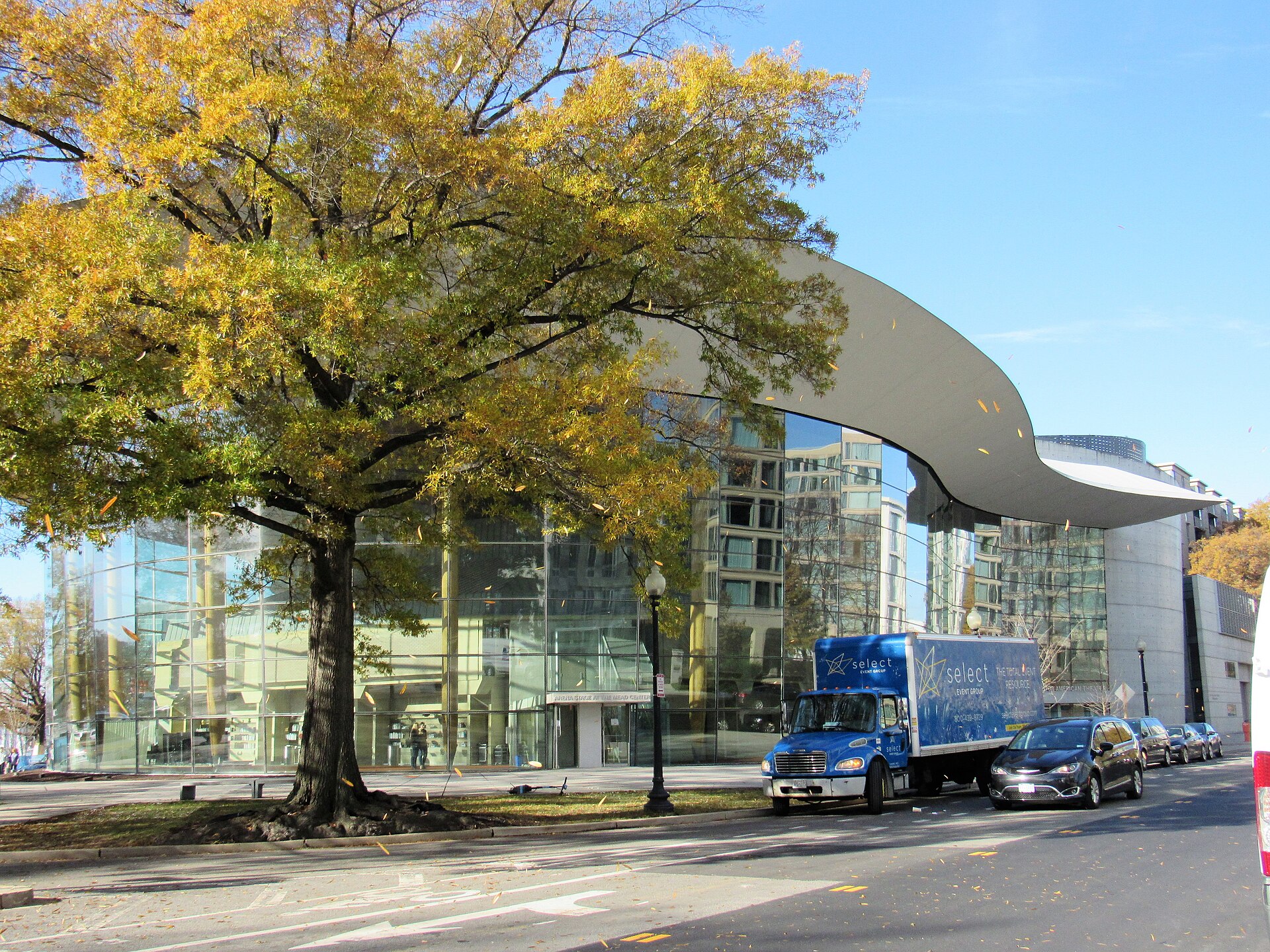
8 min walk
Arena Stage
- High
- Activity
Historic monument · Washington
Titanic Monument
| Monday | 00:00 – 23:59 |
|---|---|
| Tuesday | 00:00 – 23:59 |
| Wednesday | 00:00 – 23:59 |
| Thursday | 00:00 – 23:59 |
| Friday | 00:00 – 23:59 |
| Saturday | 00:00 – 23:59 |
| Sunday | 00:00 – 23:59 |
Checked 2026-08-31 · Source
| Per person | Free entry |
|---|
Checked 2026-08-31 · Source
Read from the OpenStreetMap access tags; anything not listed has no tag recorded.
Set the group type to family in the planner and the day window contracts to about three quarters of a solo day.
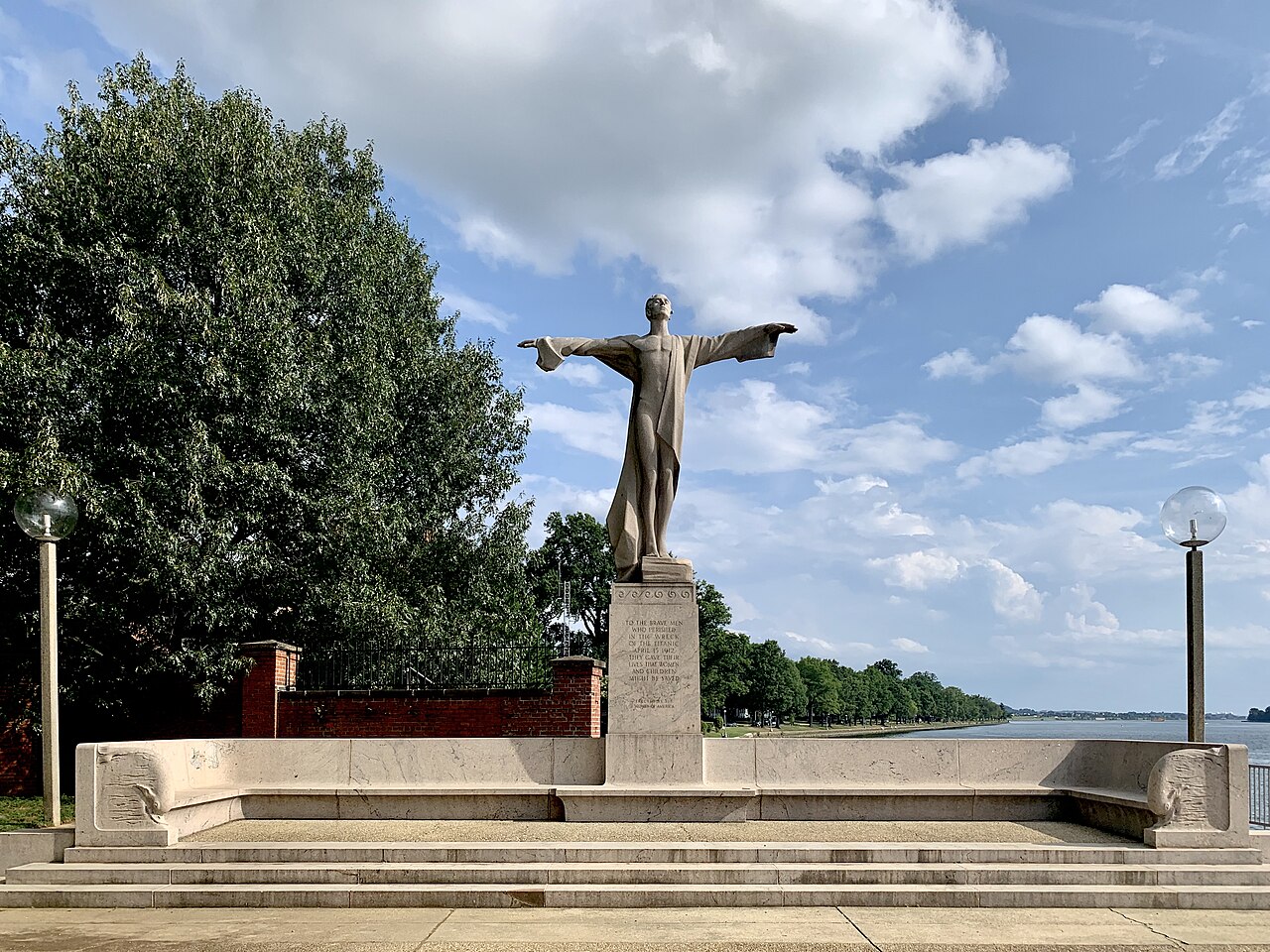
The Titanic Memorial is a granite monument in Washington, D.C.'s East Potomac Park, commemorating the men who died during the 1912 RMS Titanic disaster so that women and children could survive. The riverside memorial was created through a competition and funded largely by donations from American women. It first stood at New Hampshire Avenue and Rock Creek Drive NW before being moved to East Potomac Park in 1968. The Titanic Memorial is a granite statue in Washington, D.C., commemorating the men who died on the RMS Titanic in 1912 so that women and children could survive. The monument stands in East Potomac Park, near the Potomac River. It was originally erected in 1931 at New Hampshire Avenue and Rock Creek Drive NW, then relocated to its current riverside position in 1968. The memorial was funded largely through donations from American women, with a design selected through competition. No. This monument is an outdoor sculpture in Washington, D.C. It is not a museum and contains no interior exhibits or collections related to the ship.
Checked 2026-08-26 · Source
This is an outdoor monument rather than an enclosed museum. Its central form is a granite male figure with outstretched arms, representing the sacrifice associated with the Titanic disaster. Inscriptions honor the men who gave their lives. Around the sculpture, East Potomac Park provides open ground and views toward the Potomac River. The experience is focused and quiet: visitors encounter one significant memorial within a larger riverside park landscape. The memorial features a male figure with outstretched arms, carved from granite. The statue represents the heroic sacrifice of Titanic's male passengers and crew. Inscriptions on the monument honor those who gave their lives. The surrounding area consists of open parkland with river views. There are no enclosed structures, exhibition spaces, or additional monuments at the site.
Checked 2026-08-26 · Source
The monument itself usually suits a fifteen- to thirty-minute stop. That is enough time to view the granite figure, read its inscriptions, and take in the riverside surroundings. Extend the visit if you are walking or cycling through East Potomac Park, following waterfront paths, or combining the memorial with other sights south of the National Mall. Its compact scale makes it useful as a short, reflective pause within a longer outdoor route.
Checked 2026-08-26 · Source
The Titanic Memorial stands outdoors in a public park, so daylight is the most natural time to see the sculpture and read its inscriptions. There is no shelter at the monument itself, making weather an important part of the experience. Early morning and late afternoon can provide gentler temperatures and more expressive light on the granite. The open riverside setting feels different across the seasons, from bright summer exposure to quieter winter views.
Checked 2026-08-26 · Source
The Titanic Memorial and its East Potomac Park setting are free to visit. No ticket is needed to stand before the sculpture or read the memorial inscriptions. Any costs connected with nearby park amenities or transport are separate from the monument. Because the site has no interior exhibition space, it works as a simple, low-cost addition to a day spent exploring Washington's monuments, waterfront paths, and open parkland.
Checked 2026-08-26 · Source
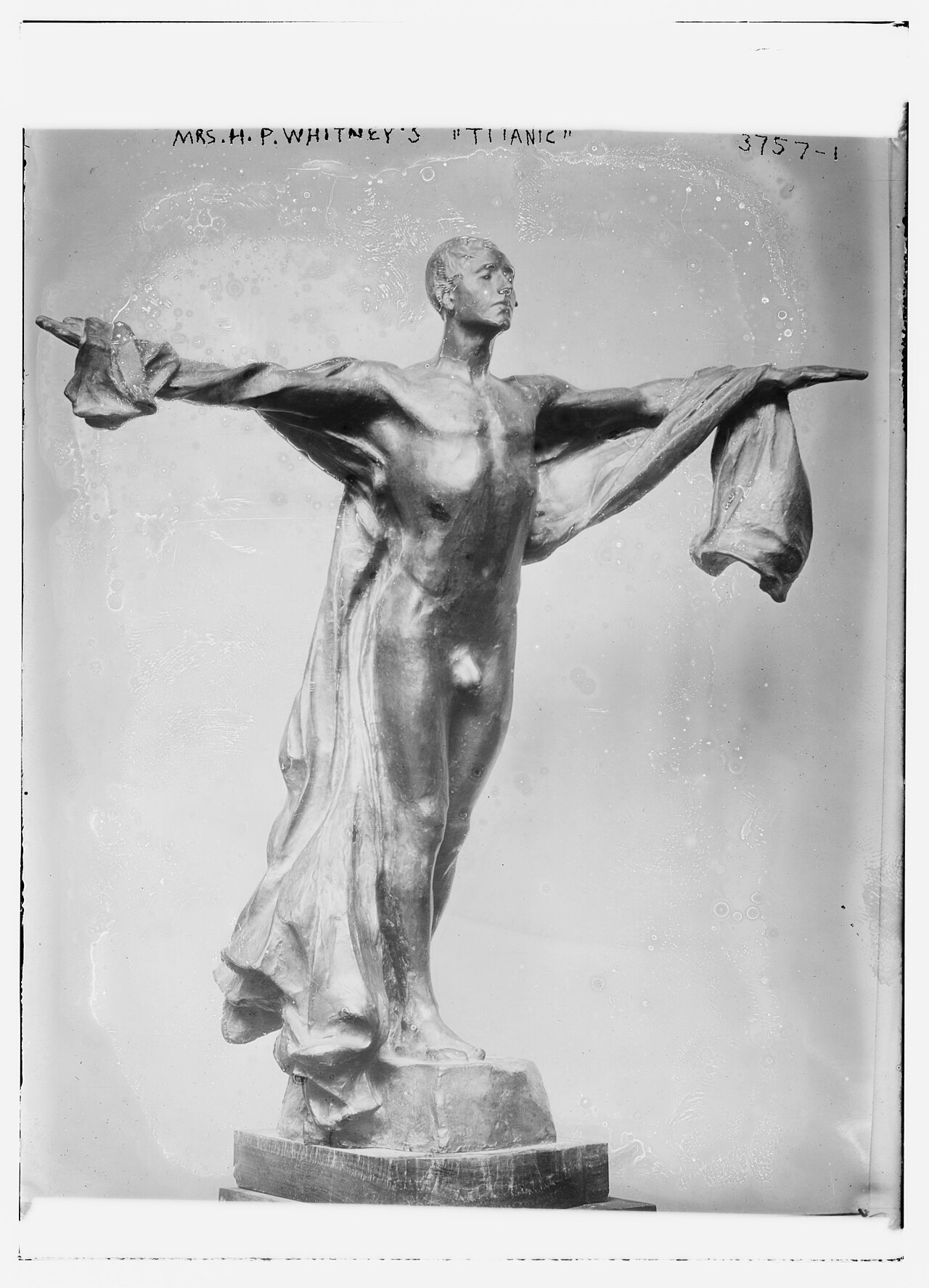
The memorial is in East Potomac Park, south of the National Mall and beside the Potomac River. You can approach by bicycle, on foot along waterfront trails, or by vehicle. Metrobus services and the Washington Metro serve the broader area, with walking required from the nearest stations. The riverside position makes the site approachable from the National Mall and Southwest Waterfront, and it fits naturally into a longer walk or cycle through the park.
Checked 2026-08-26 · Source
The sculpture stands in open terrain with limited shade, so sun exposure and heat are more noticeable in warmer weather. Riverside ground and paths can be uneven or affected by rain. Evening visits bring lower visibility and fewer people nearby. Keep belongings secure as you would in any urban park, and take care around birds, insects, and other wildlife. If you are walking from central Washington, remember that the approach through the park adds distance beyond the monument itself.
Checked 2026-08-26 · Source
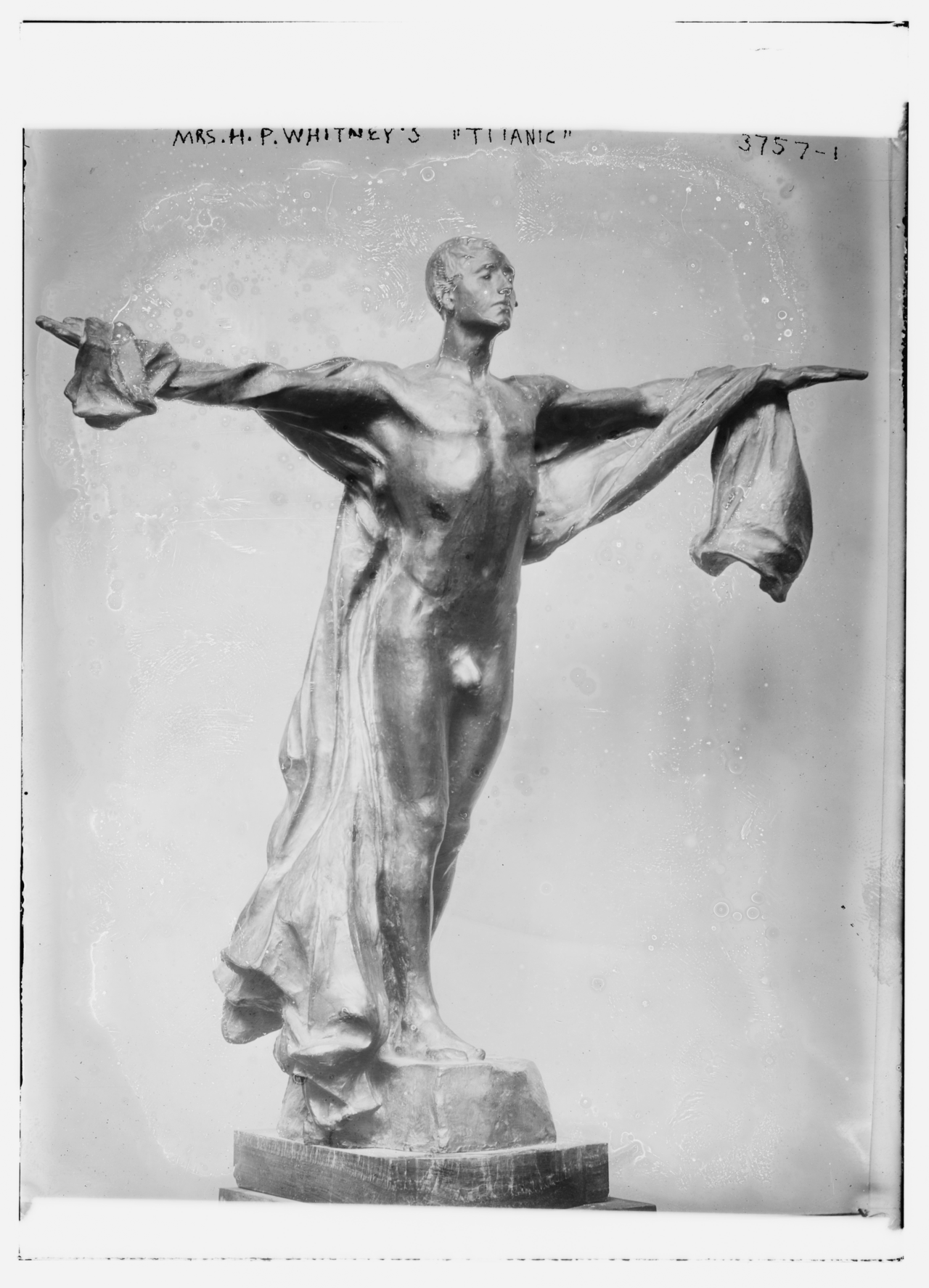
The granite figure stands clearly against the open park and Potomac River surroundings, offering several angles without an enclosed viewing space. Golden-hour light can emphasize the sculpture's form and create longer shadows across the ground. Trees, water, and the park's broad setting provide different backgrounds as you move around the monument. Be considerate of other visitors, and remember that drone use is governed by National Park Service and Washington, D.C. restrictions.
Checked 2026-08-26 · Source
No. It is an outdoor granite monument in East Potomac Park, without interior exhibits or museum collections.
The memorial was funded largely through donations from American women after the 1912 disaster.
It originally stood at New Hampshire Avenue and Rock Creek Drive NW before being relocated to East Potomac Park in 1968.
The outstretched male figure represents the men who died so women and children could survive the Titanic disaster.
Allow about fifteen to thirty minutes for the sculpture, inscriptions, and riverside setting; longer if you explore East Potomac Park.
Yes. The monument and its East Potomac Park setting are free to visit, with no ticket required.
Loading the interactive map…
The interactive map could not be loaded.
Last updated:
Source: OpenStreetMap contributors, Wikidata ·