.jpg)
.jpg)
.jpg)
.jpg)
.jpg)
2 min walk
Quán Sứ Temple
- Must see
- Place of worship
Language · 11 published
Museum · Hanoi
Nhà tù Hỏa Lò
Reviewed by Elena Voss · Roavina Travel Editor
| Monday | 08:00 – 17:00 |
|---|---|
| Tuesday | 08:00 – 17:00 |
| Wednesday | 08:00 – 17:00 |
| Thursday | 08:00 – 17:00 |
| Friday | 08:00 – 17:00 |
| Saturday | 08:00 – 17:00 |
| Sunday | 08:00 – 17:00 |
Checked 2026-08-31 · Source
Read from the OpenStreetMap access tags; anything not listed has no tag recorded.
Set the group type to family in the planner and the day window contracts to about three quarters of a solo day.
This place is a Museum. It was established in 1896. It was designed by Auguste Henri Vildieu.
Hoa Lo Prison Relic, locally known as Di tích Nhà tù Hỏa Lò, is a historical museum in Hanoi. The site preserves a former colonial-era prison complex. It occupies a significant place in Vietnamese history, having served multiple functions across different periods. The compound originally held political prisoners during French colonial rule. Later periods saw other uses of the facilities. The site now functions as a heritage attraction presenting historical narratives. Visitors encounter preserved structures and interpretive displays. The museum represents layered historical significance for understanding twentieth-century Vietnamese experiences. Its preservation allows examination of carceral architecture and contested historical memory in a capital city setting.
Checked 2026-08-31 · Source
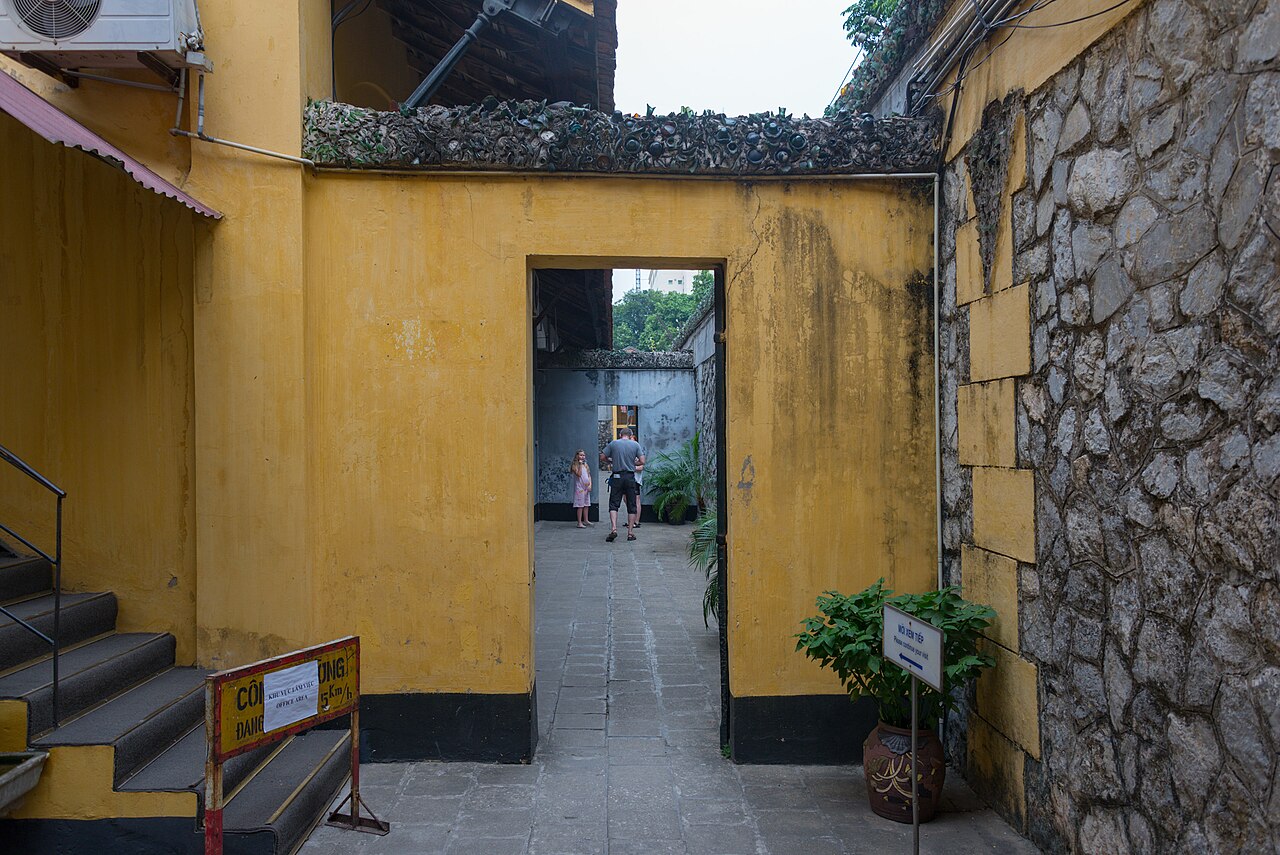
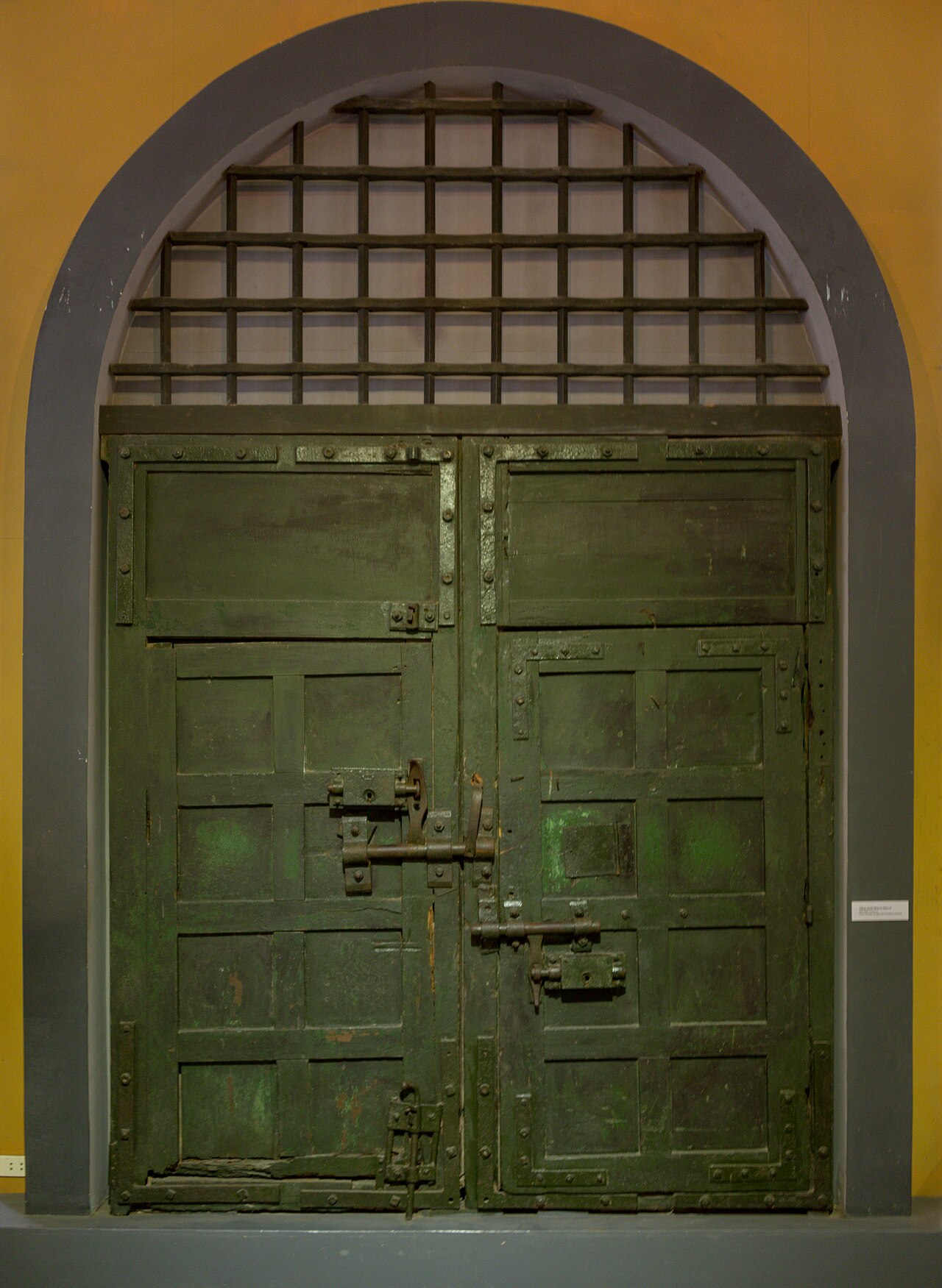
The prison complex contains preserved cell blocks, original ironwork, and historical artifacts. Exhibition spaces present documentary photographs and personal effects. The central courtyard provides open space within the compound walls. Some original architectural features remain visible, including thick stone construction. Display areas include reconstructed cell interiors showing confined living conditions. Historical documentation addresses multiple periods of the site's operation. Memorial elements honor deceased prisoners. The museum layout guides visitors through sequential thematic zones. Interpretive materials appear in multiple languages for international visitors. The physical structure demonstrates colonial-era prison design with characteristic security features and spatial organization intended for containment and control of incarcerated populations.
Checked 2026-08-31 · Source
Most visitors spend approximately one to two hours exploring the museum grounds and exhibition spaces. The compact site allows relatively efficient circulation through main display areas. Reading extensive interpretive materials extends duration. Photography pauses and courtyard contemplation add time. Independent travelers typically move at self-determined pace without guided group constraints. The physical layout permits flexible routing between indoor and outdoor sections. Crowding conditions may affect movement speed during peak visitation periods. Visitors with strong historical interest may linger longer examining documentary details. Casual observers often complete circuits more quickly. Personal engagement level with historical content primarily determines total time investment at this centrally located heritage attraction.
Checked 2026-08-31 · Source
Daily 08:00–17:00 Open continuously without a midday break, including public holidays and Tết. There is no regular closure day. Visitors should verify current opening schedules through direct contact with site management before planning arrival. Seasonal considerations for Hanoi include hot humid summers and cooler dry winters. Morning visits may offer relatively quieter conditions before midday tourist concentration. Rainy season months bring intermittent downpours affecting outdoor portions of the experience. Holiday periods potentially increase domestic visitor numbers significantly. The covered exhibition spaces provide partial weather protection regardless of conditions. Advance schedule confirmation remains essential given potential operational changes. Local tourism offices may assist with current accessibility information.
Checked 2026-08-31 · Source
General daytime admission is 50,000 VND per person, purchased at the main gate. Admission policies and fee structures require direct verification with site authorities. International visitors typically face different pricing categories from domestic entrants at Vietnamese state museums. Potential additional charges may apply for supplementary services or special exhibitions. Payment methods accepted at entry should be confirmed beforehand. Group arrangements possibly offer modified access conditions. Documentation requirements for discounted categories vary by institution. Currency considerations involve Vietnamese dong transactions primarily. Receipts should be retained for any discrepancies. Budget planning necessitates current information rather than historical reference points.
Checked 2026-08-31 · Source
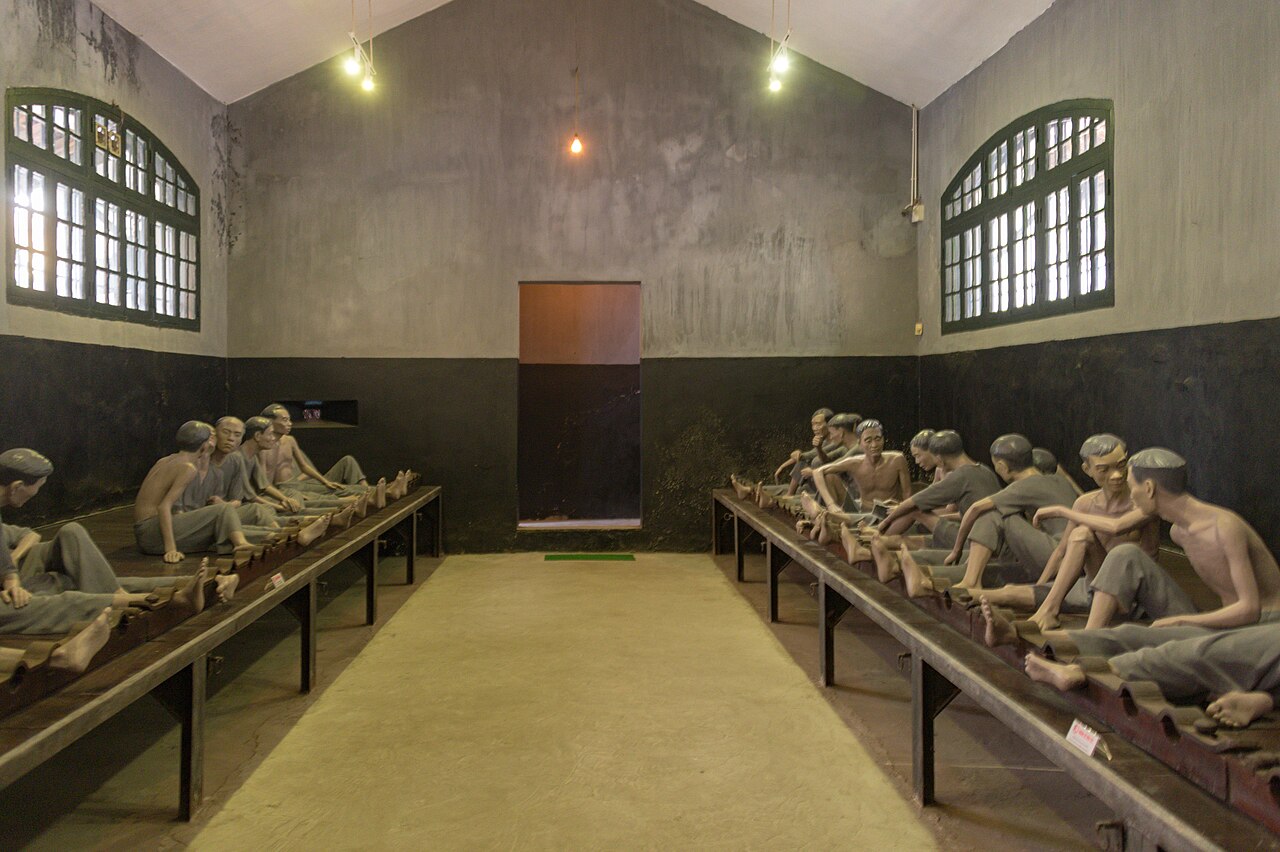
Use the main entrance at No. 1 Hoa Lo Street, Cua Nam Ward, central Hanoi; daytime tickets are sold at the gate. Transerco’s published Hanoi City Tour loop includes Hoa Lo Prison. Private vehicles must use the designated parking area. Hoa Lo Prison Relic occupies central Hanoi location accessible by multiple transport modes. The site sits within reasonable walking distance of other major attractions in the historic district. Taxi and ride-hailing services recognize the prominent destination. Public bus routes serve surrounding streets though specific line numbers require local verification. Bicycle and motorbike transport reflect common local mobility patterns. Pedestrian navigation from Hoan Kiem Lake area proceeds through characteristic urban streetscapes.
Checked 2026-08-31 · Source
Most preserved prison buildings are single-storey, but the visitor route includes an exhibition on the second floor of Building C, so a completely step-free visit does not cover every display. The daytime tariff gives a 50% discount to visitors classified as severely disabled and free admission to visitors classified as particularly severely disabled. The historical content involves graphic documentation of prisoner suffering and mortality that may disturb sensitive visitors. Narrow passages and uneven surfaces present physical accessibility challenges. Crowded conditions require personal belongings security awareness. The interpretive narrative reflects specific national perspectives that international visitors may find selectively presented. Temperature variations between outdoor and indoor sections affect comfort.
Checked 2026-08-31 · Source
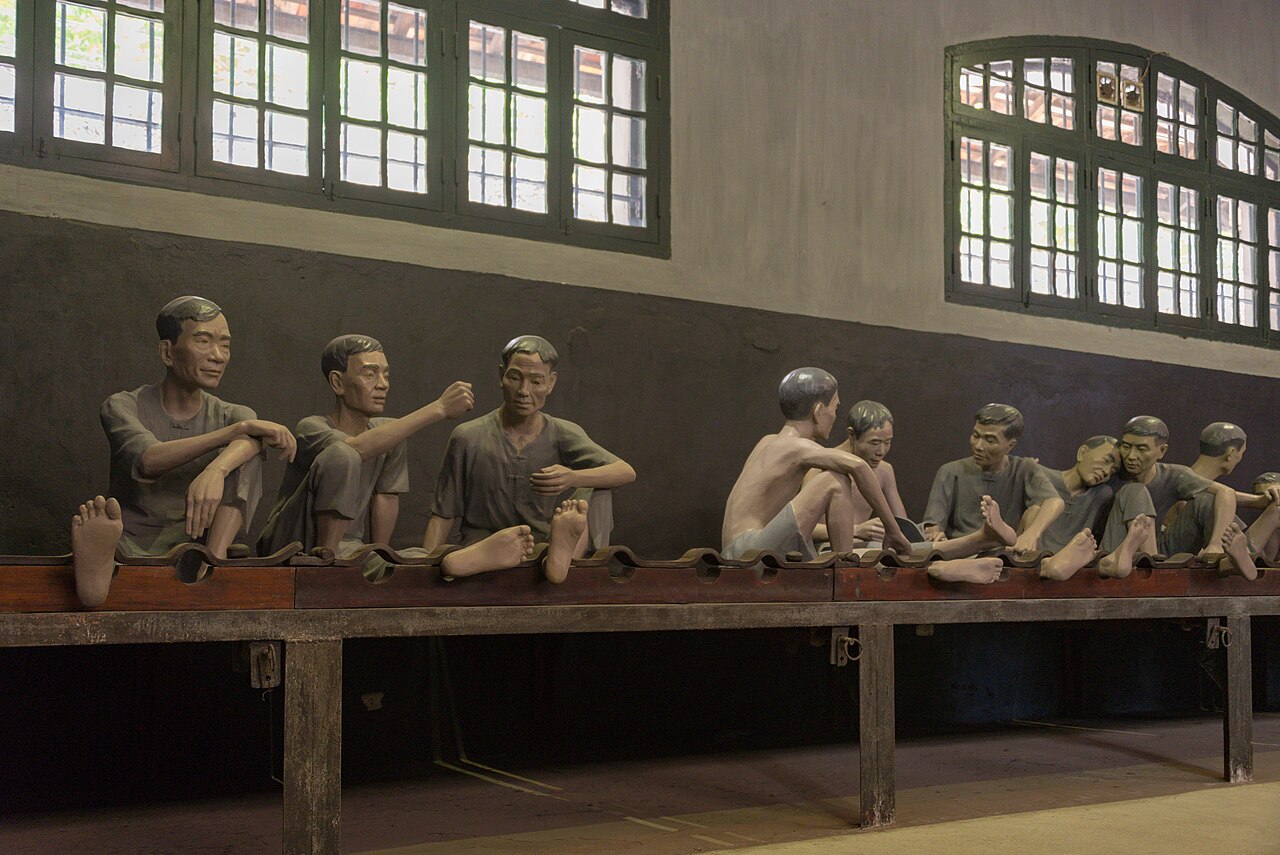
Photography policies at Vietnamese state museums typically restrict certain documentation practices. Visitors should observe posted regulations regarding camera use in specific exhibition zones. Flash photography potentially damages sensitive historical materials and faces prohibition. Video recording may encounter separate restrictions from still photography. Tripod and professional equipment possibly require special advance arrangement. Respectful image-making avoids sensationalizing human suffering depictions. The architectural features and courtyard spaces offer exterior photographic opportunities. Other visitors' privacy and dignity deserves consideration in crowded memorial settings. Staff instructions regarding photography limitations warrant immediate compliance. Social media sharing should maintain appropriate contextual framing for this site of documented historical trauma and national remembrance.
Checked 2026-08-31 · Source
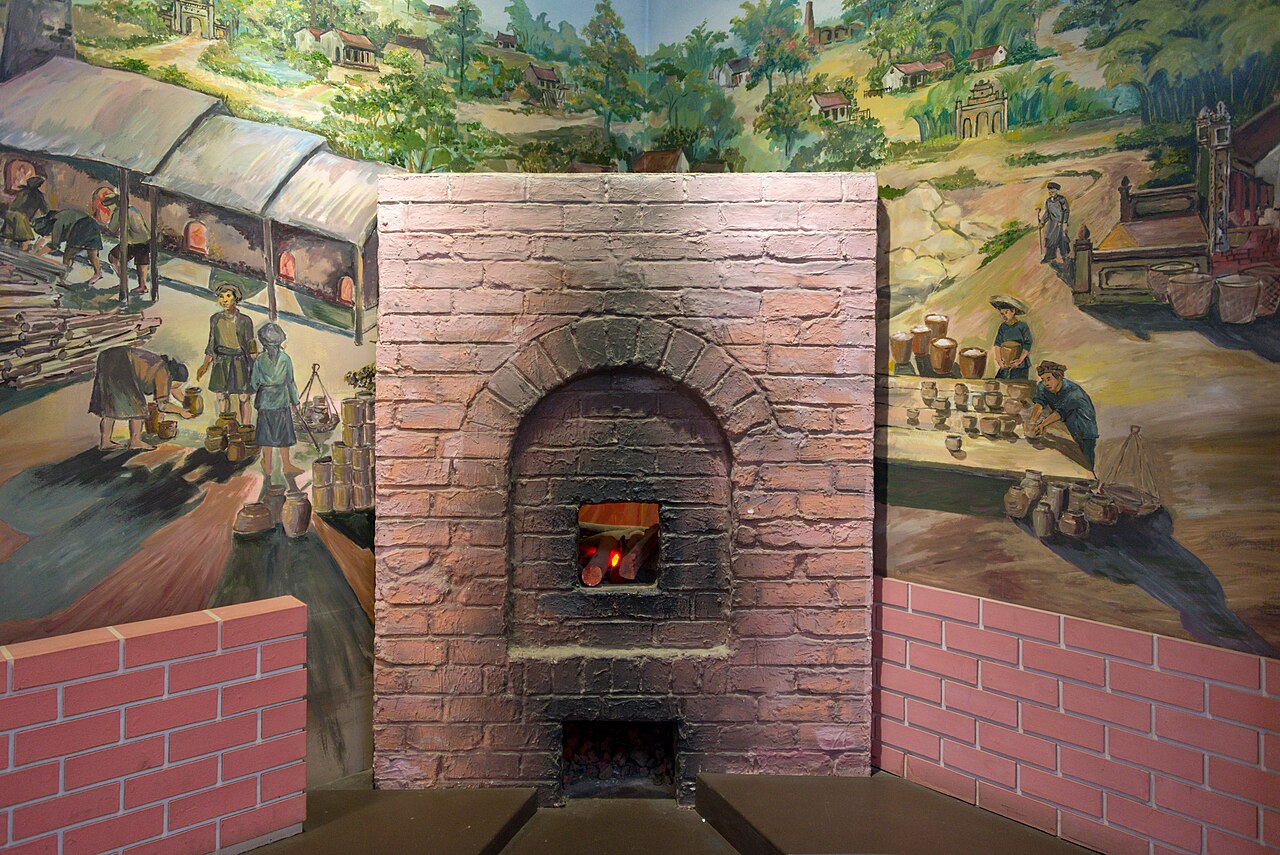
The French colonial administration built the prison in 1896. Hoa Lo means “kiln,” recalling the pottery kilns formerly operated in Phu Khanh village on the site.
The original complex covered 12,908 square metres. After redevelopment in 1993, 2,434 square metres were retained, restored and preserved as the historical relic.
The displays cover French colonial imprisonment of Vietnamese patriots and revolutionaries from 1896 to 1954, followed by the prison’s use for captured American pilots from 1964 to 1973.
Yes. The site’s automatic narration service presents 35 historical stories through a headset and recorder.
Yes. Individual and group visits are allowed, but the operator asks groups to contact the relic directly or by telephone in advance.
Weapons, explosives and inflammable materials are prohibited; handbags must be left in the designated place. Smoking and moving exhibits are prohibited, and incense or flowers may be offered only in the commemorative area.
Loading the interactive map…
The interactive map could not be loaded.
Last updated:
Source: OpenStreetMap contributors, Wikidata ·