


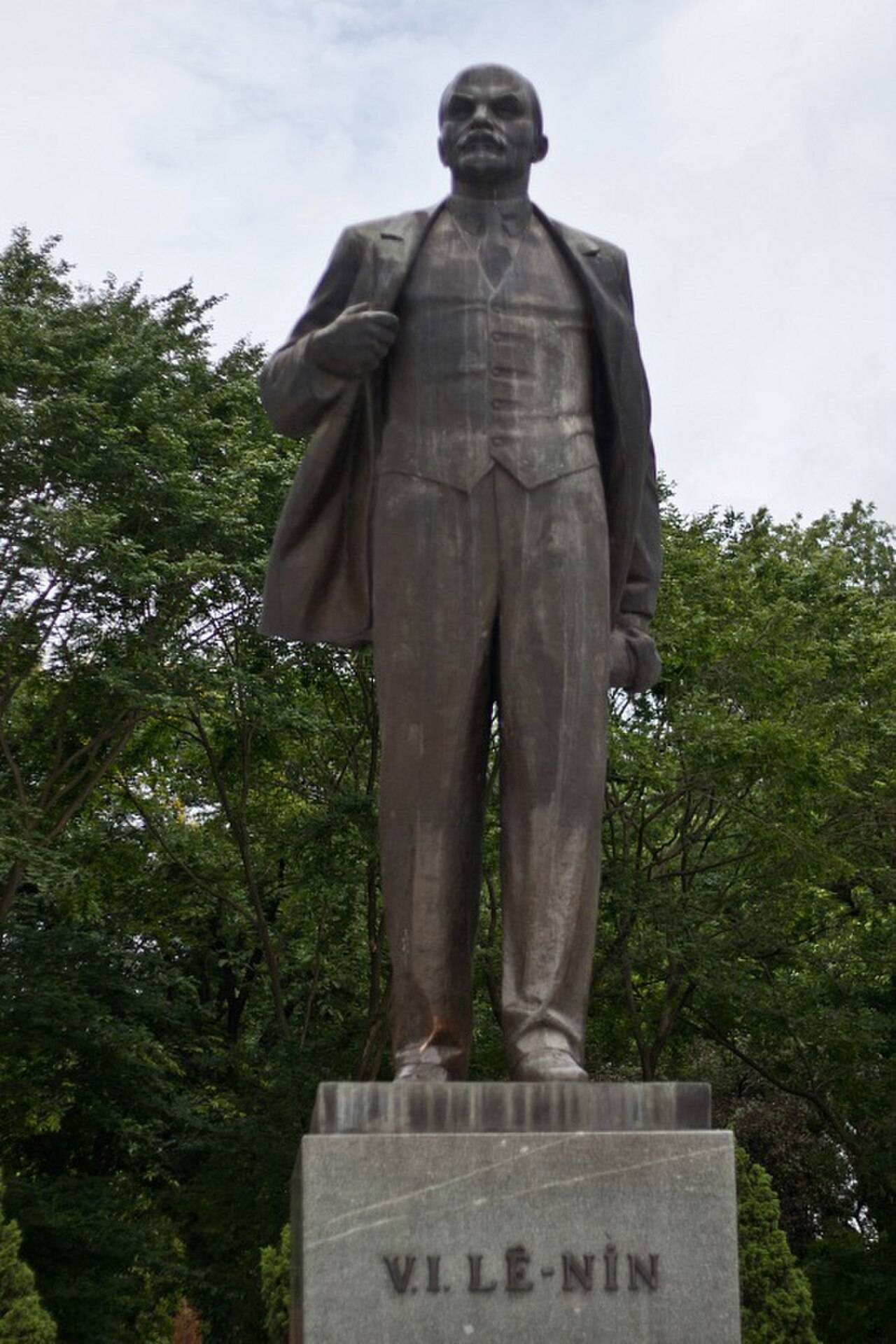
7 min walk
Lenin Park
- Must see
- Nature site

Historic site · Hanoi
Hoàng thành Thăng Long
| Monday |
08:00 – 17:00
Last entry at 16:45 for 08:00 – 17:00 |
|---|---|
| Tuesday |
08:00 – 17:00
Last entry at 16:45 for 08:00 – 17:00 |
| Wednesday |
08:00 – 17:00
Last entry at 16:45 for 08:00 – 17:00 |
| Thursday |
08:00 – 17:00
Last entry at 16:45 for 08:00 – 17:00 |
| Friday |
08:00 – 17:00
Last entry at 16:45 for 08:00 – 17:00 |
| Saturday |
08:00 – 17:00
Last entry at 16:45 for 08:00 – 17:00 |
| Sunday |
08:00 – 17:00
Last entry at 16:45 for 08:00 – 17:00 |
Checked 2026-11-04 · Source
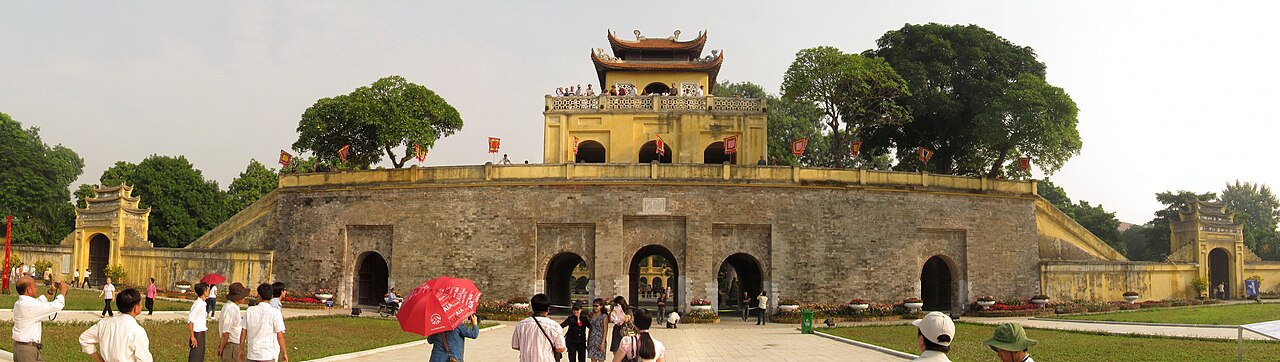
The Central Sector of the Imperial Citadel of Thăng Long is a UNESCO World Heritage site in Hanoi's Ba Đình district, rather than one intact palace. The Lý dynasty developed the capital here in the 11th century over earlier fortifications; excavated layers trace political activity back to the 7th century. Above ground, surviving and later rebuilt gates stand beside archaeological foundations and 20th-century military buildings. This combination is the reason to visit: you can follow the changing seat of power through material evidence, not just look for a single royal façade. The Vietnamese name Hoàng thành Thăng Long refers to the former imperial enclosure; the World Heritage inscription specifically covers its central sector and archaeological remains at 18 Hoàng Diệu.
Checked 2026-10-07 · Source
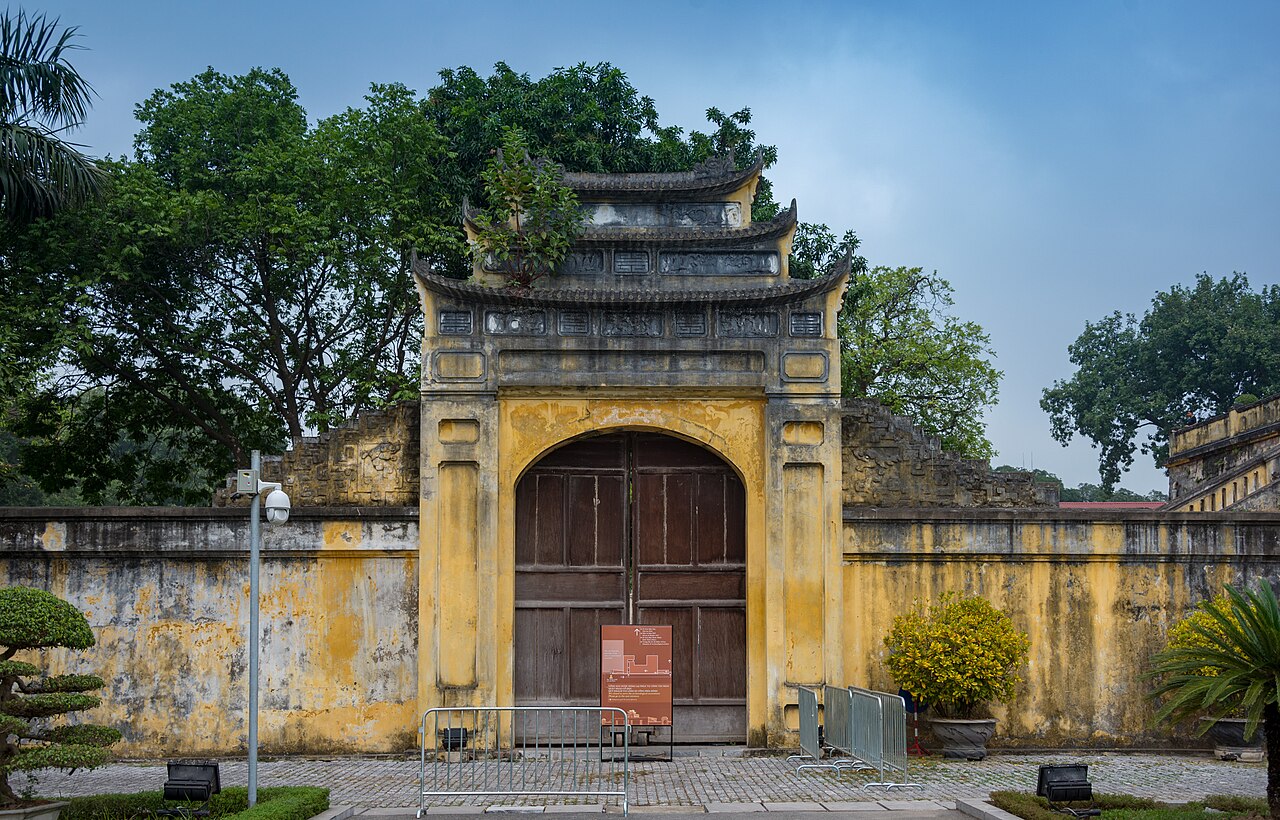
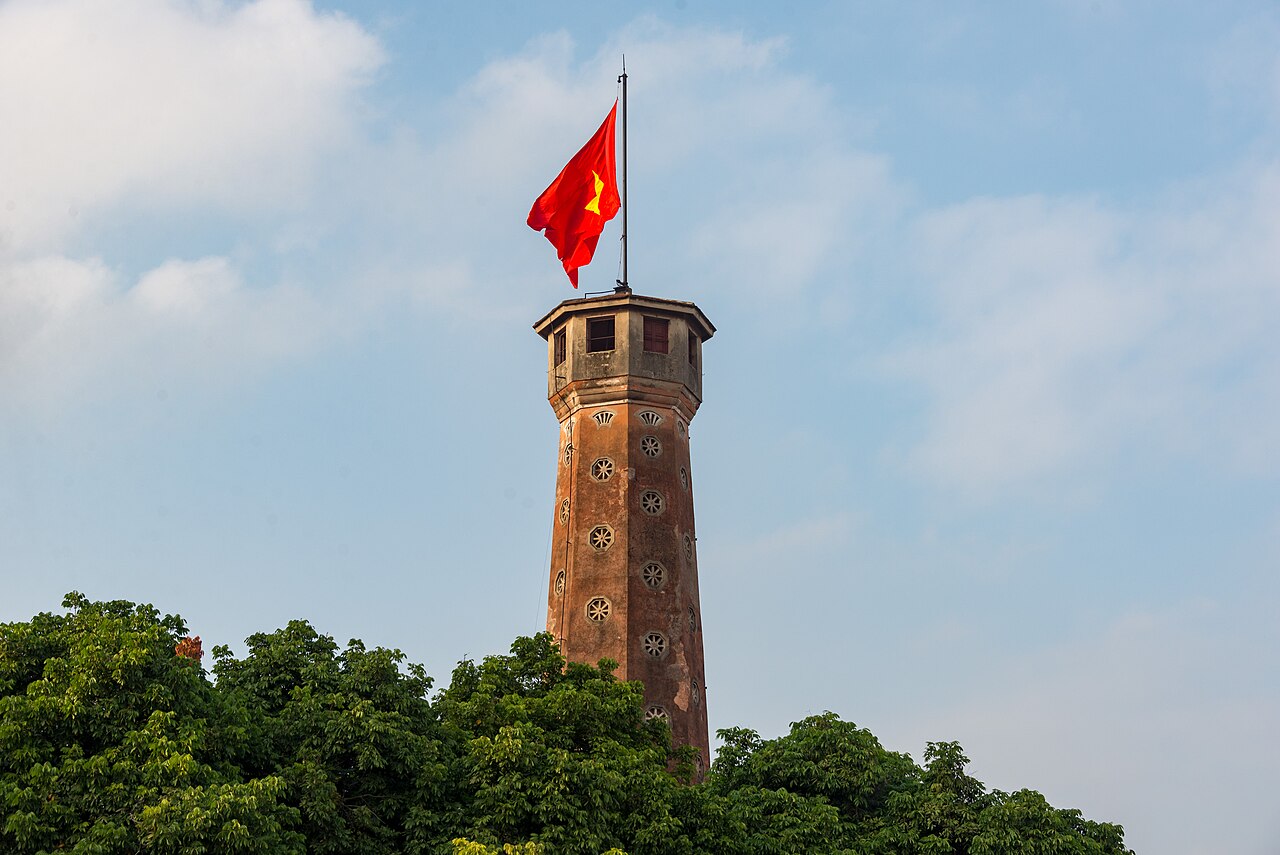
Begin with Đoan Môn, the southern gate on the historic central axis, then use the Kính Thiên Palace foundation area to understand where the royal court once stood. The palace hall itself has not survived as a complete building. Hậu Lâu and Bắc Môn show later parts of the citadel's history, while the excavation at 18 Hoàng Diệu exposes buried architectural layers and artefacts. Building D67 and its underground bunker add a very different chapter: the site served as a wartime command centre in the 20th century. The Hanoi Flag Tower is another landmark in the wider citadel landscape. Exhibitions and work zones can change, so treat this as a set of possible stops rather than a promise that every room and excavation is accessible on one ticket or one day.
Checked 2026-10-07 · Source
Allow about two hours for the main citadel visit. That is an editorial planning estimate, not an operator-prescribed tour length: the grounds, interpretation panels and distance between the central gate, palace foundations and archaeological displays take longer than a quick photograph stop. If you want to read the excavation material and visit D67 where accessible, leave extra time. With only an hour, prioritise Đoan Môn and the central axis, then choose either archaeology or the modern military history exhibits. Do not try to count the 18 Hoàng Diệu excavation and every outlying monument as a short single-room museum visit; confirm the route and any restricted areas when you arrive.
Checked 2026-10-07 · Source
The heritage centre advertises ordinary daytime opening from 08:00 to 17:00 on all days of the week, with last entry at 16:45 on its exhibition portal. Plan to arrive well before that last-entry deadline if you want more than a glimpse of the grounds. Much of the route is outdoors, so bring water and weather protection appropriate to Hanoi's conditions on the day. The site also hosts events and continuing archaeological or conservation work. Those can alter the visitor route even while the overall site is open; check the operator's current notices and the entrance information before relying on access to a particular hall or excavation area.
Checked 2026-10-07 · Source
The heritage centre's published standard entrance fee is 100,000 VND per person per visit for both Vietnamese and international visitors, effective since 1 January 2025. Use this as the ordinary daytime ticket, not a quote for a separate guided or evening program. The operator lists reduced-fee categories and sometimes announces time-limited free-entry days; eligibility and special dates should be checked on its current ticket page rather than inferred from nationality or an older travel listing. Buy through the site's stated channels and confirm any optional tour separately. A standard ticket does not by itself establish that every exhibition room or excavation is open on your visit date.
Checked 2026-10-07 · Source
Set your navigation to the visitor entrance at 19C Hoàng Diệu Street in Ba Đình, the address given by the heritage centre, rather than to the archaeological site's separate 18 Hoàng Diệu street number. Both names appear in descriptions of the World Heritage property and can be confused on a first visit. From central Hanoi, allow time to reach the entrance and then walk across the grounds; the citadel is a spread-out site, not a doorway beside every monument named on a map. The operator identifies designated vehicle parking at 19C Hoàng Diệu. If you continue towards Bắc Môn or other nearby landmarks, check their current access and walking route instead of assuming they share the same gate.
Checked 2026-10-07 · Source
Do not plan the visit around an intact Kính Thiên Palace hall: what can be interpreted on site is its foundation area, and research and conservation work may affect where visitors can walk. The underground D67 bunker is reached by stairs; the operator describes it as about nine metres deep, so a visit including it is not step-free. Ask the centre which areas are accessible if stairs are a barrier. Follow the site's map and barriers around excavation pits, keep off grass and artefacts, and dress and behave respectfully under the posted visitor rules. The management bans drones and other ultralight flying devices. For group arrangements or a specific restricted room, contact the operator before setting out. Visitor rules.
Checked 2026-10-07 · Source
For exterior photographs, the sequence from Đoan Môn towards the Kính Thiên foundations helps show the scale of the old central axis; details of excavation layers tell a different story from the gates. Photograph only from permitted visitor paths and obey signs around displays and active work areas. The heritage centre's visiting rules explicitly prohibit drones and other ultralight flying devices, and say that organised visual recording or filming needs prior permission from management. Those rules do not amount to a blanket promise that all still photography is allowed in every room. If a particular interior image matters to your trip, confirm the conditions at the entrance instead of assuming the outdoor rules apply inside.
Checked 2026-10-07 · Source
UNESCO inscribed the Central Sector of the Imperial Citadel of Thăng Long, including the surviving structures and the archaeological remains at 18 Hoàng Diệu, in 2010.
No complete palace hall survives. The foundation area, surviving features and archaeological evidence explain its former place on the central axis; ongoing work can change visitor access.
Plan around two hours for a first visit. This is an editorial estimate; add time for archaeological displays and D67 if those areas are open and of interest.
The heritage centre advertises 08:00–17:00 every day and its exhibition portal gives 16:45 as the last-entry time. Check current notices for event or works changes.
The operator lists 100,000 VND per person per visit for Vietnamese and international visitors from 1 January 2025. Check its ticket page for current concessions or special dates.
Use 19C Hoàng Diệu Street, Ba Đình, for the visitor entrance. The 18 Hoàng Diệu archaeological site is a named component of the heritage property, not the entrance address.
The bunker involves stairs and is not a step-free stop. The operator prohibits drones and requires permission for organised filming; ask staff about current accessible routes.
Loading the interactive map…
The interactive map could not be loaded.

Last updated:
Source: OpenStreetMap contributors, Wikidata ·