.jpg)
01
2 hours
Հանրապետության հրապարակ
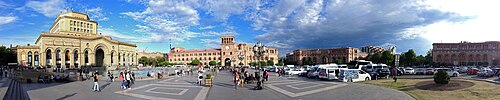
Republic Square is Yerevan's central civic space and the organising heart of Alexander Tamanyan's twentieth-century plan for the Armenian capital.
- Must see
- Activity
Language · 11 published
City guide · Armenia
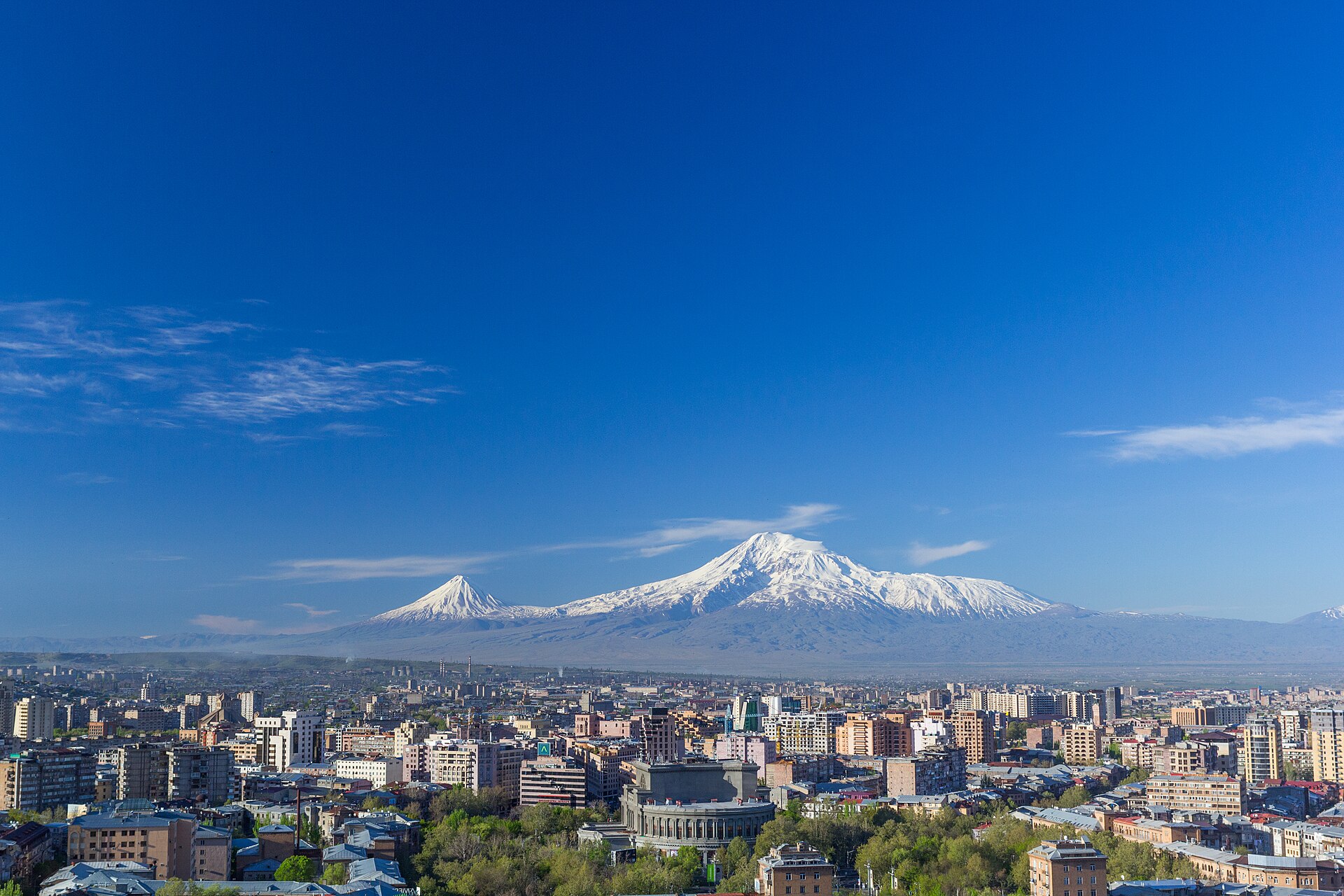
Yerevan has a compact central core organised around Republic Square, Northern Avenue, the Opera and the Cascade. Most central museums, restaurants and public spaces can be linked on foot, while Erebuni, Tsitsernakaberd and outer districts require transport. The city’s broad avenues and radial streets make the centre legible, but summer heat and the climb toward the Cascade can change walking plans.
Reviewed by Elena Voss · Roavina Travel Editor
Set your days, your pace and the hours you actually want to be out. The planner works around closing days and travel time, and leaves room to eat.
Ranked by importance — sitelinks, pageviews and heritage status, not editor preference.
32 places match
Category
Typical visit duration
Interests
Republic Square is Yerevan's central civic space and the organising heart of Alexander Tamanyan's twentieth-century plan for the Armenian capital.
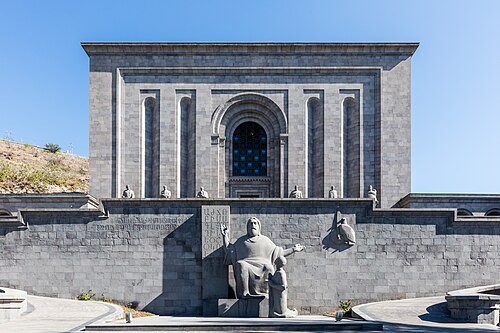
Երևանի Մատենադարան
Matenadaran, formally the Mesrop Mashtots Institute of Ancient Manuscripts, is Yerevan's major centre for Armenian manuscript heritage. It functions as both a public museum and an active research institute.
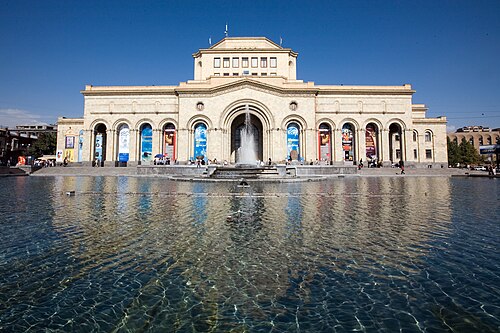
Հայաստանի պատմության թանգարան
The History Museum of Armenia stands on Republic Square in central Yerevan, sharing a grand building with the National Gallery of Armenia.

Ազգային պատկերասրահ
The National Gallery of Armenia occupies several floors of the monumental building on Republic Square in central Yerevan. It is the country’s principal art museum and a defining cultural landmark of the capital.

Մայր Հայաստան
Mother Armenia Military Museum is a military museum located beneath the Mother Armenia monument in Yerevan, Armenia. The monument itself stands in Victory Park on a hill overlooking the city, replacing a former statue of Joseph Stalin in 1967.
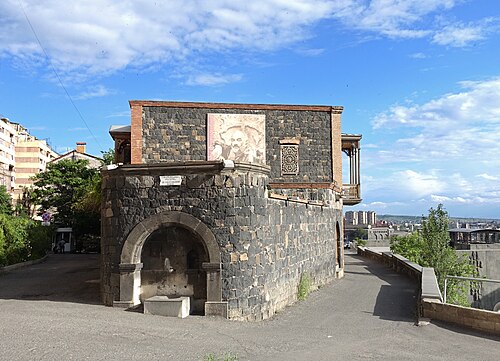
Սերգեյ Փարաջանովի թանգարան
The Sergei Parajanov Museum is a museum in Yerevan dedicated to the life and work of Sergei Parajanov, the acclaimed Soviet Armenian film director and artist.
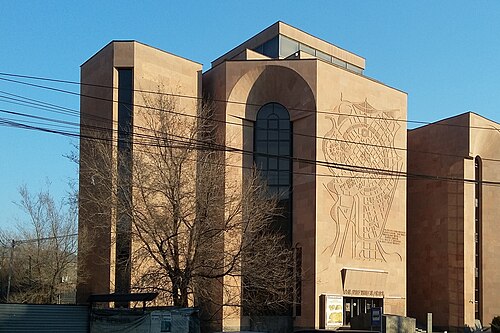
Երևանի պատմության թանգարան
The Yerevan History Museum, known locally as Երևանի պատմության թանգարան, is a municipal museum dedicated to the history of Armenia's capital city.
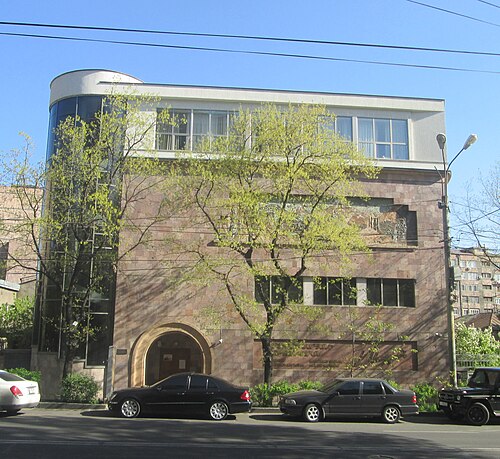
Մարտիրոս Սարյանի տուն-թանգարան
The Martiros Saryan Museum is a house-museum dedicated to the celebrated Armenian painter Martiros Saryan, one of the most significant figures in Armenian art history.
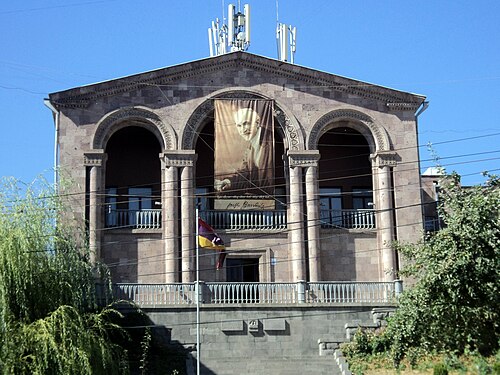
Հովհաննես Թումանյանի տուն–թանգարան
The Hovhannes Tumanyan Museum is a house-museum in Yerevan dedicated to the life and work of Hovhannes Tumanyan, a foundational figure in Armenian literature.
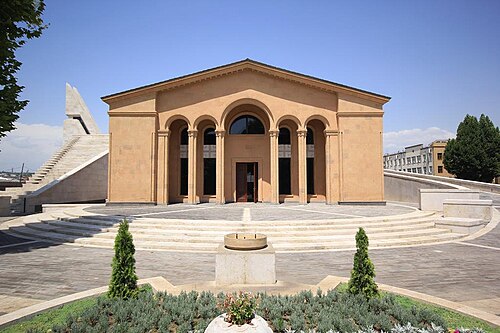
Կոմիտասի թանգարան-ինստիտուտ
The Komitas Museum-Institute in Yerevan is devoted to Komitas Vardapet, the composer, priest and ethnomusicologist who became a central figure in Armenian musical culture.
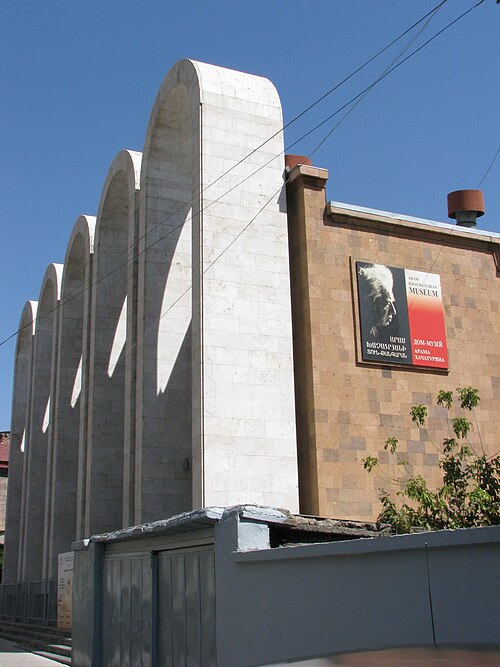
Արամ Խաչատրյանի տուն թանգարան
The Aram Khachaturian Museum is a house-museum in Yerevan devoted to the Armenian composer Aram Khachaturian. It occupies the residence where he lived and worked, giving the visit an intimate character that differs from a large national museum.
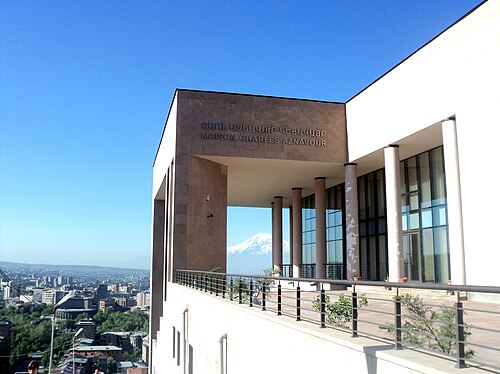
Շառլ Ազնավուրի կեցավայր
The Aznavour Center is a cultural institution in Yerevan dedicated to the life and legacy of Charles Aznavour, the renowned French-Armenian singer, songwriter, and actor.
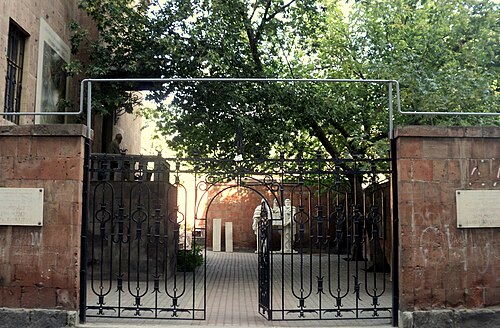
Արա Սարգսյանի և Հակոբ Կոջոյանի տուն-թանգարան
Ara Sargsyan and Hakob Kojoyan House Museum is a Yerevan cultural stop devoted to two Armenian artists. Ara Sargsyan is remembered as a sculptor, while Hakob Kojoyan was a painter and graphic artist.
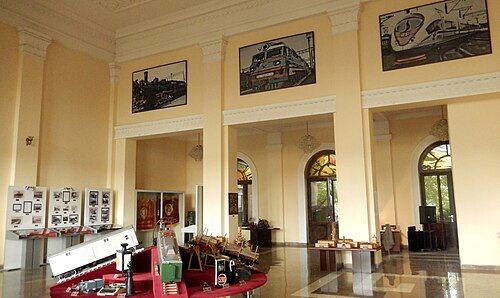
Հայաստանի երկաթուղու թանգարան
The Armenian Railways Museum presents the railway heritage of Armenia through the equipment, records, and stories associated with rail transport. It offers a focused way to explore how trains supported movement, industry, communication, and everyday life across the country.
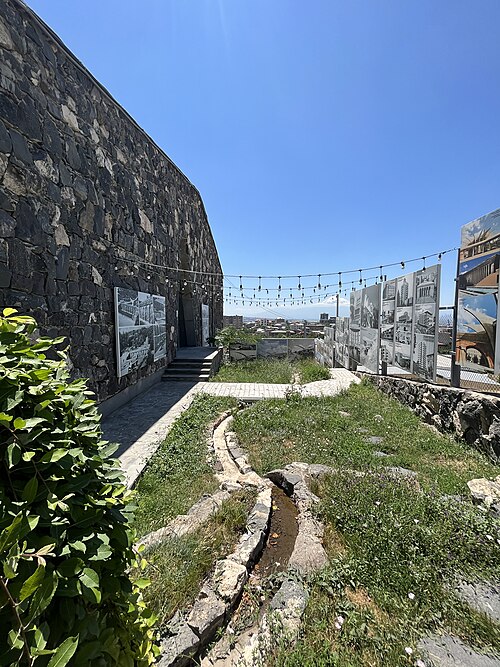
Arthur Tarkhanyan Centre is a named place in Yerevan associated with Arthur Tarkhanyan.
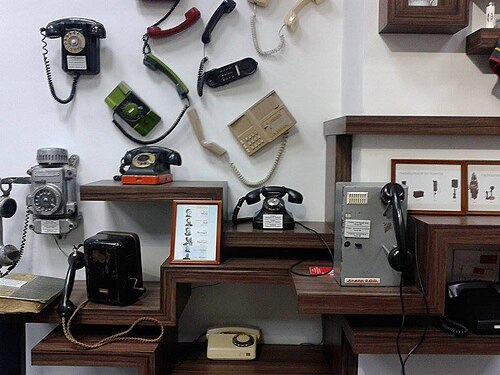
Կապի թանգարան
Communication Museum explores the history of communication technology in Yerevan and Armenia. Its subject reaches from postal services and telephones to telegraphy, radio, and the systems that connected people across distance.
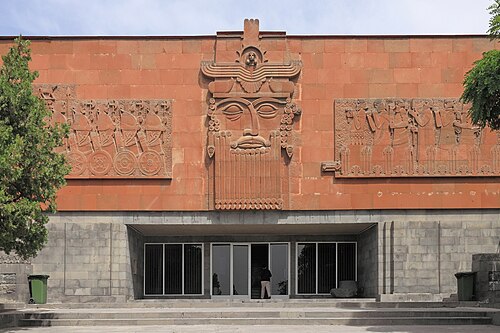
Էրեբունի ամրոցի թանգարան
The Erebuni Museum is an archaeological museum located at the foot of the Erebuni Fortress in Yerevan, Armenia.

Ժողովրդական Արվեստների Թանգարան
The Folk Art Museum in Yerevan is a museum dedicated to Armenian folk art traditions. Its local name is Ժողովրդական Արվեստների Թանգարան. The institution preserves and displays examples of traditional Armenian craftsmanship.
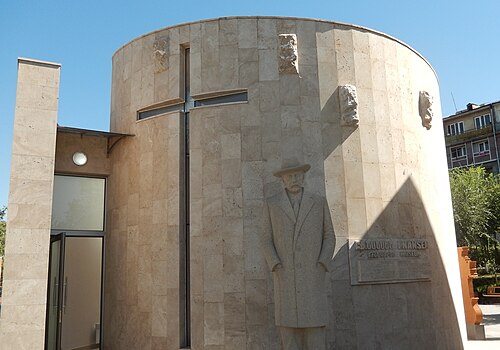
Ֆրիտյոֆ Նանսենի թանգարան
The Fridtjof Nansen Museum in Yerevan is a cultural institution dedicated to the Norwegian polar explorer, humanitarian, and Nobel Peace Prize laureate Fridtjof Nansen. The museum commemorates Nansen's significant humanitarian efforts on behalf of Armenian refugees following the Armenian Genocide.
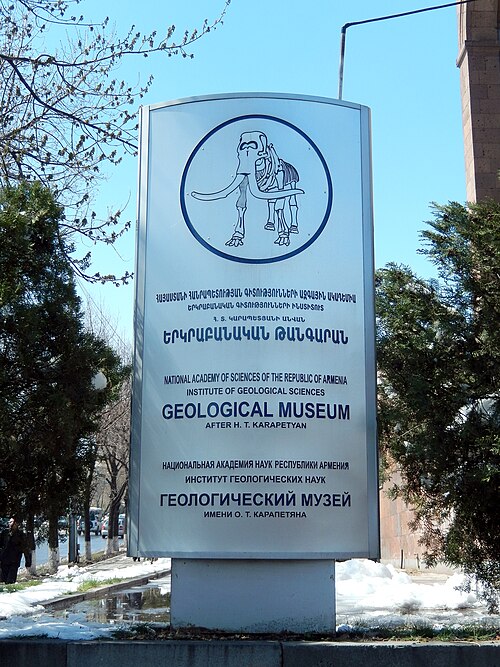
Երկրաբանական թանգարան
The Geological Museum after H. Karapetyan is a Yerevan museum devoted to geology and earth science. Its collection focuses on minerals, rocks, and fossils connected with Armenia and the surrounding region.
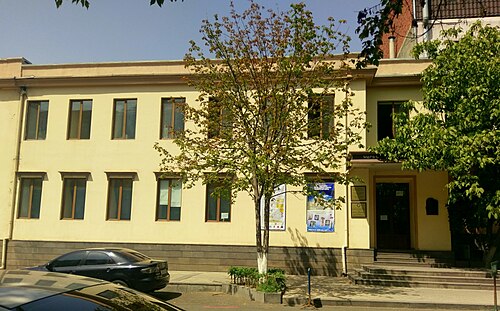
Տուն-թանգարանը Կարեն Դեմիրճյանի
Karen Demirchyan Museum is a house-museum in Yerevan devoted to the life and public career of Karen Demirchyan.
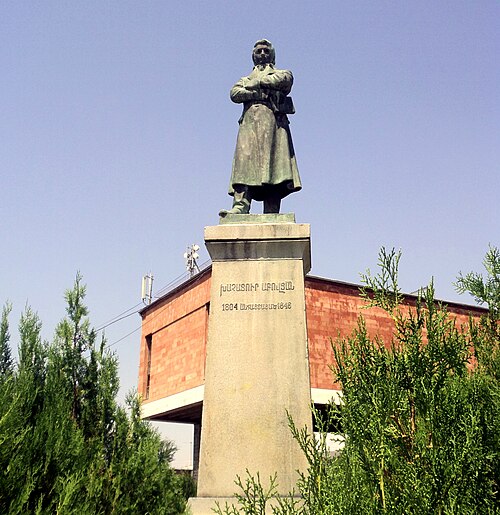
Խաչատուր Աբովյան
Khachatur Abovian house-museum commemorates the Armenian writer, educator, and intellectual Khachatur Abovian (1809–1848). Abovian is widely associated with the development of modern Armenian literary language and remains an important figure in Armenia’s cultural history.
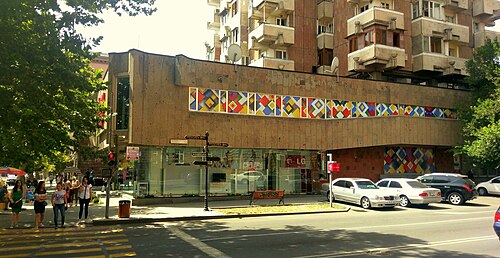
Ժամանակակից արվեստի թանգարան
The Modern Art Museum of Yerevan is a city museum devoted to modern and contemporary artistic expression. Its Armenian name, Ժամանակակից արվեստի թանգարան, places it within Yerevan’s distinctive cultural landscape, where twentieth-century and newer art sit alongside older Armenian traditions.
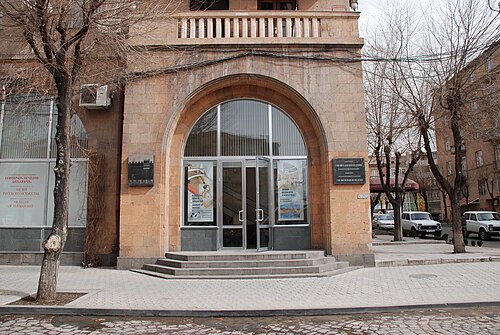
Museum of Russian Art
The Museum of Russian Art in Yerevan is a private museum formed around the collection of Professor A. Abrahamian. It offers travelers a focused encounter with Russian artistic heritage within Armenia’s capital.
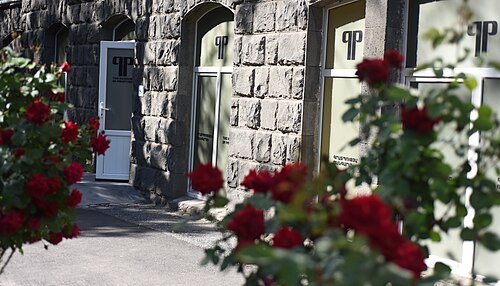
Գրատպության թանգարան
The Museum of Printing in Yerevan preserves Armenia's typographic heritage, tracing the evolution of printing technology and book production in the region.
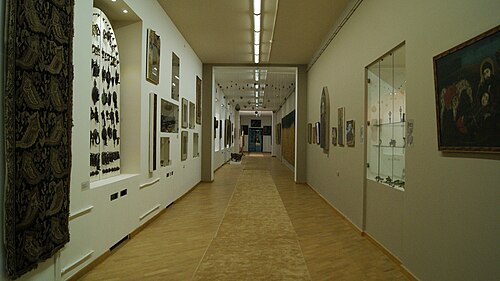
Միջին արևելքի թանգարան
The Near East Art Museum is a Yerevan institution devoted to art and cultural heritage from the Near East. Its Armenian name is Միջին արևելքի թանգարան.
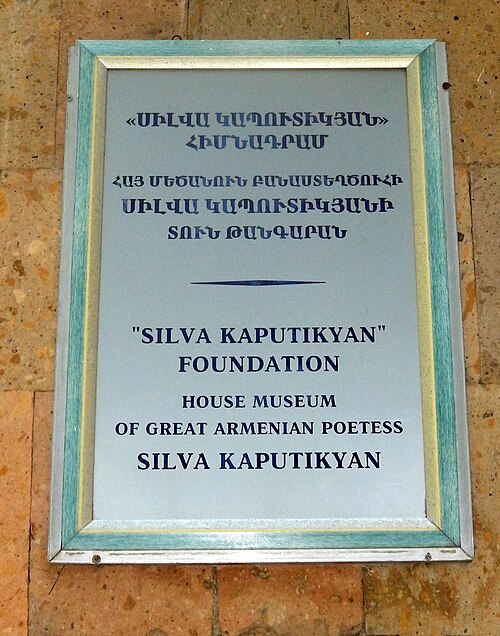
Սիլվա Կապուտիկյանի տուն թանգարան
The Silva Kaputikjan Museum is a house museum in Yerevan dedicated to the life and work of Silva Kaputikyan, one of Armenia's most celebrated 20th-century poets and public intellectuals.
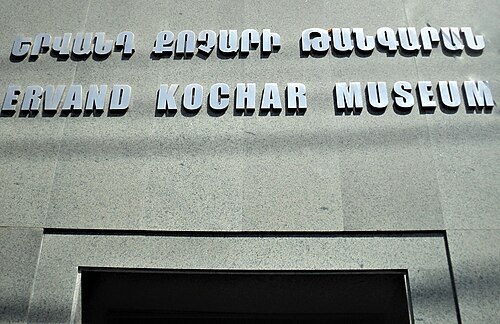
Երվանդ Քոչար թանգարան
The Yervand Kochar Museum is dedicated to the Armenian avant-garde artist and sculptor Yervand Kochar. The museum gives visitors a concentrated view of a major twentieth-century figure whose work connects painting, sculpture, movement, and experimentation.
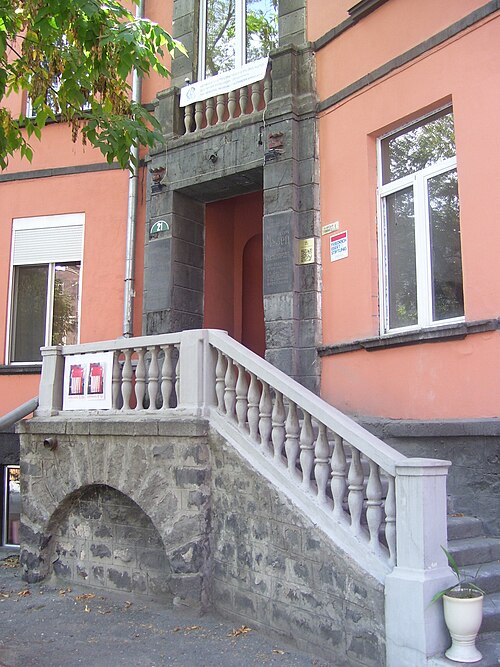
The Alexander Spendiaryan House Museum is a memorial museum in Yerevan dedicated to the life and work of Alexander Spendiaryan, a prominent Armenian composer and conductor.
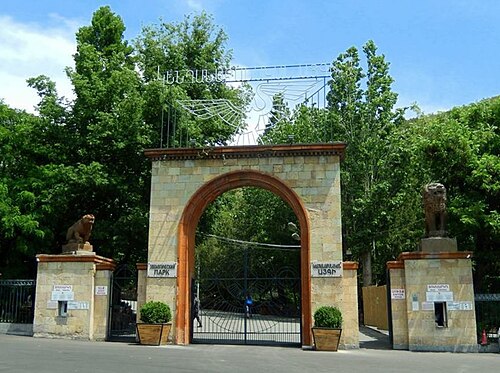
Երևանի կենդանաբանական այգի
Yerevan Zoo is a zoological garden located in the Armenian capital. Established during the Soviet period, it occupies a hillside position in the city. The facility houses various animal species and serves as a recreational destination for residents and visitors.
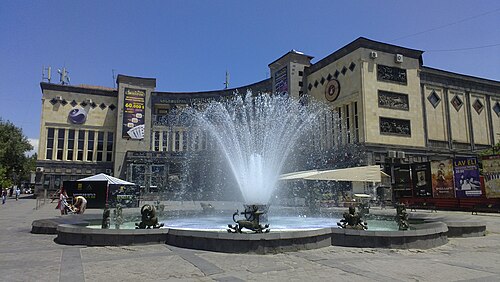
Մոսկվա
Moscow Cinema is a historic film venue in Yerevan, known locally as Մոսկվա. Its Soviet-era architectural character and long role in the city’s entertainment life make it more than a place to watch a film.
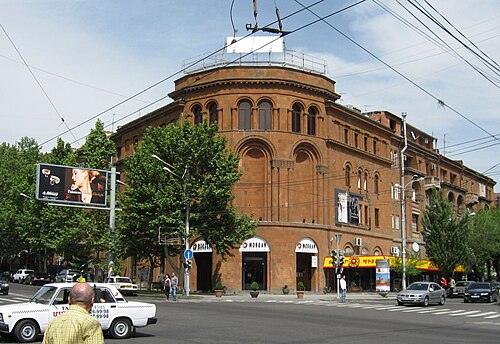
Նաիրի կինոթատրոն
Nairi Cinema is a historic cinema in Yerevan and a longstanding place of public entertainment. Its Armenian name, Նաիրի կինոթատրոն, connects the venue with Armenian cultural identity and the historical Nairi region.
Source: OpenStreetMap contributors, Wikidata ·
Republic Square anchors the southern part of the visitor centre. Northern Avenue leads toward Freedom Square and the Opera, with the Cascade continuing uphill beyond it. Kond lies west of the centre as one of Yerevan’s oldest districts, while Erebuni Fortress and Museum sit southeast. Treat Tsitsernakaberd and the Armenian Genocide Museum as a western cluster rather than a continuation of the central pedestrian route.
Checked 2026-08-26
Walk across the central sightseeing area, then use buses, trolleybuses, metro or a licensed taxi for outer sites. The official visitor information says the city centre can be crossed on foot in about an hour and identifies a single metro line with ten stations. Check the current municipal transport site for ticket products and service updates before relying on a particular route.
Checked 2026-08-26
A fixed official stay length is not recorded. Cover the Republic Square–Opera–Cascade axis first, then add Erebuni, Tsitsernakaberd or excursions according to available time.
Yes. The official visitor guide describes Yerevan as easy to explore on foot and says the city centre can be crossed in about an hour.
Yes. The official visitor information records a single metro line with ten stations, supplemented by buses, minibuses and trolleybuses.
Erebuni and Tsitsernakaberd sit outside the tight central walking circuit. Use public transport or a licensed taxi instead of forcing both into the Republic Square–Cascade route.
The official visitor guide lists airport shuttle services and taxis from Zvartnots. Confirm the current route and ticket details before arrival.