Shrine of Remembrance
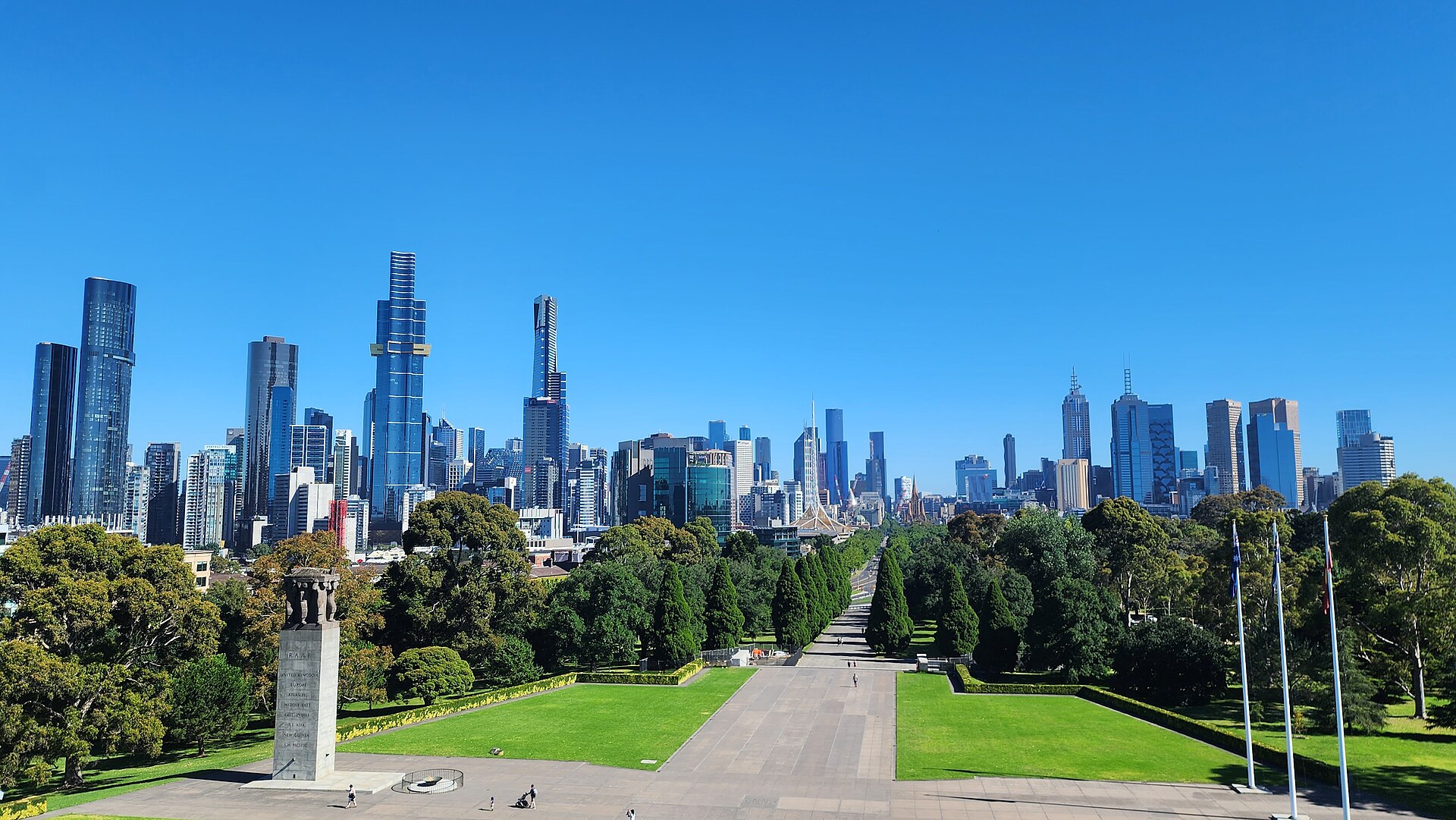
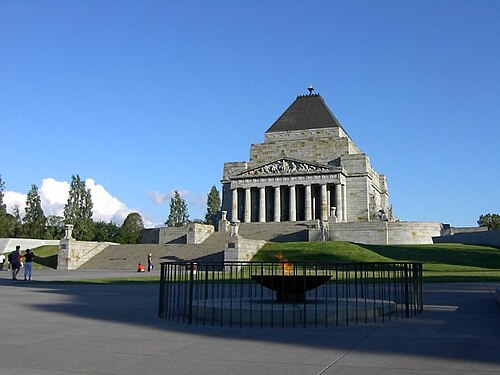
The Shrine of Remembrance is Melbourne’s principal war memorial, set on St Kilda Road with a deliberate architectural presence above the surrounding parkland.
- Must see
- Historic monument
City guide · Australia
Melbourne's central grid meets the Yarra at Federation Square, giving the main galleries, arcades, markets and riverfront a clear urban base. Carlton and Fitzro...
Photograph · Shkuru Afshar · CC BY-SA 4.0
Set your days, your pace and the hours you actually want to be out. The planner works around closing days and travel time, and leaves room to eat.
Reviewed by Elena Voss · Roavina Travel Editor
Melbourne's central grid meets the Yarra at Federation Square, giving the main galleries, arcades, markets and riverfront a clear urban base. Carlton and Fitzroy extend north beyond that grid, while St Kilda is a separate bayside destination. Regional Victoria begins beyond the metropolitan sightseeing pattern and should be planned as an excursion rather than attached to a crowded central day.
Checked 2026-08-26
September · September warms to a 16.9°C mean high at Melbourne Airport, though wind speed and wet-day normals remain relatively high.
Ranked by importance — sitelinks, pageviews and heritage status, not editor preference.
60 places match
Category
Typical visit duration
Interests
The Shrine of Remembrance is Melbourne’s principal war memorial, set on St Kilda Road with a deliberate architectural presence above the surrounding parkland.
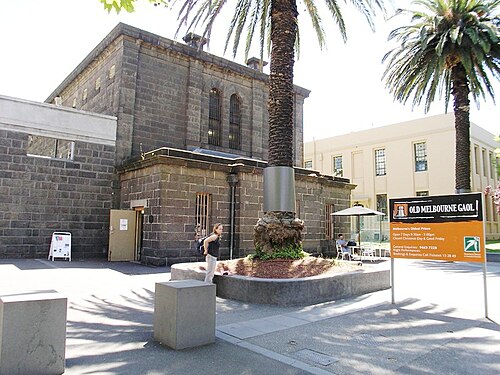
Old Melbourne Gaol is a preserved former prison in central Melbourne where the building carries as much meaning as the displays.
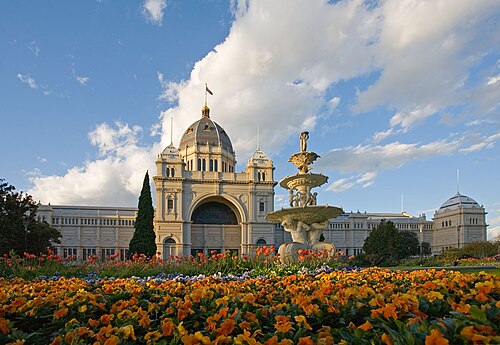
Royal Exhibition Building is a historic exhibition building and one of Melbourne's highest-priority visitor stops in the current curated list.
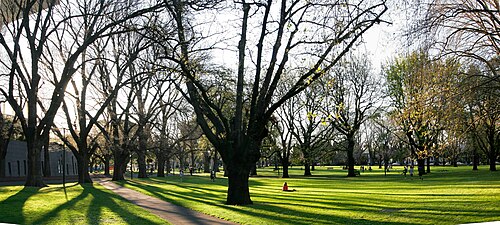
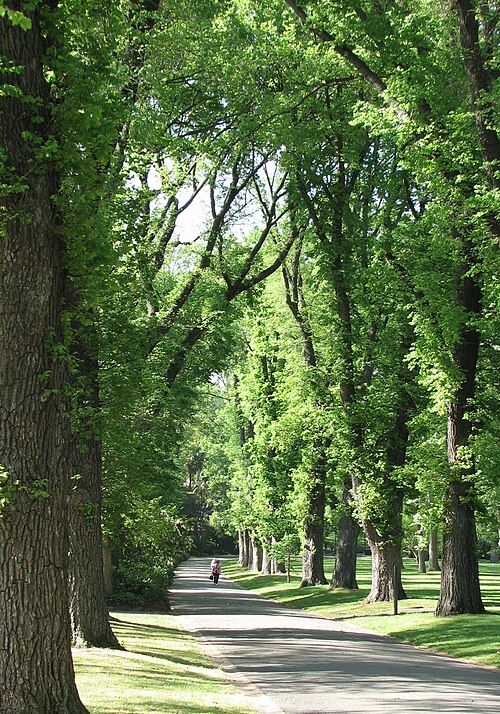
Carlton Gardens is a heritage-listed public garden located in the inner-city suburb of Carlton, adjacent to the Melbourne central business district.
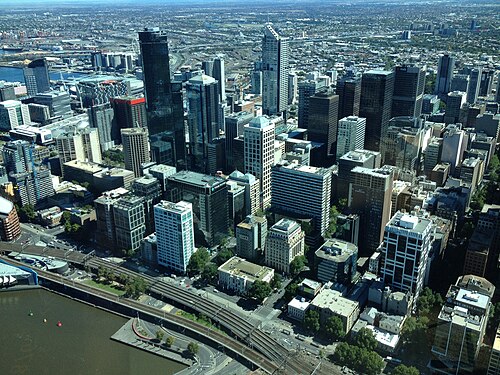
Eureka Skydeck, locally known as Melbourne Skydeck, is a prominent observation deck and visitor destination in Melbourne. It offers elevated city views from one of Australia's tallest buildings.
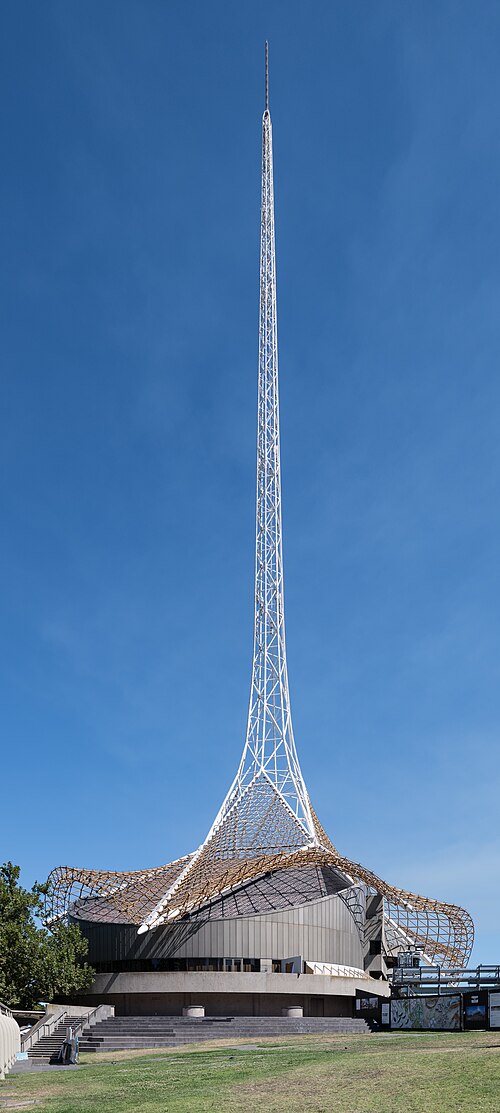
Arts Centre Melbourne is a performing arts centre located in the Southbank precinct of Melbourne, Victoria. It serves as a major hub for theatre, music, dance, and cultural events in Australia's second-largest city.
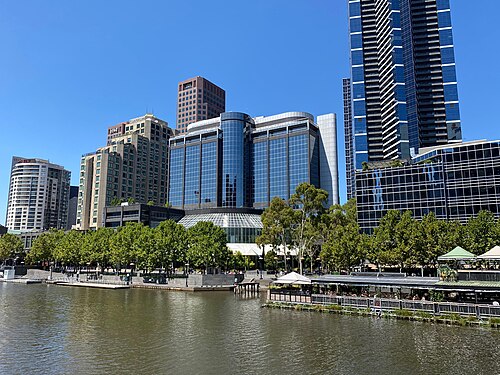
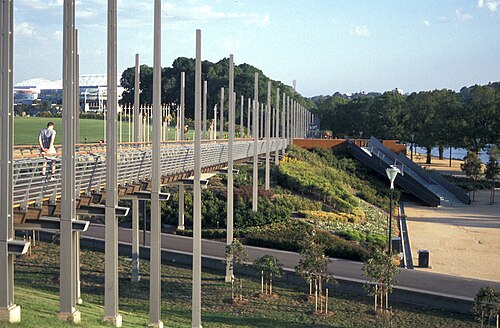
Southbank Promenade is a pedestrianised riverside walkway along the southern bank of the Yarra River in central Melbourne. It forms the spine of the Southbank precinct, connecting the central business district to the Crown Entertainment Complex and beyond.
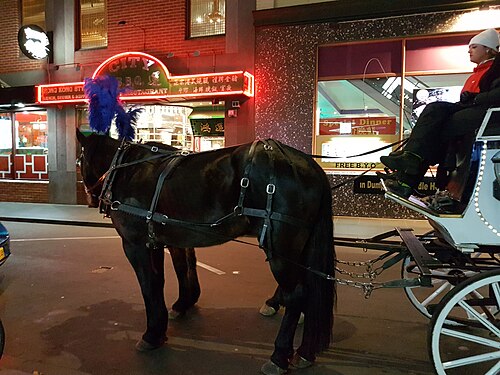
Chinatown Melbourne is an ethnic enclave in the central business district of Melbourne, Australia.
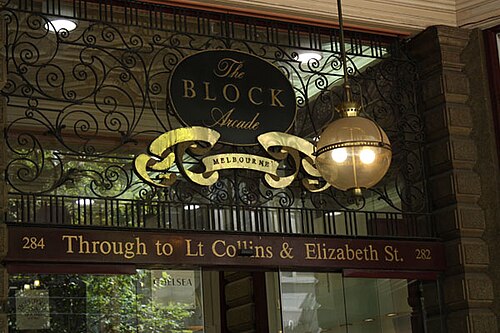
The Block Arcade is a historic shopping arcade in Melbourne, Victoria. It opened in 1892 and represents a significant example of late Victorian architecture in Australia.
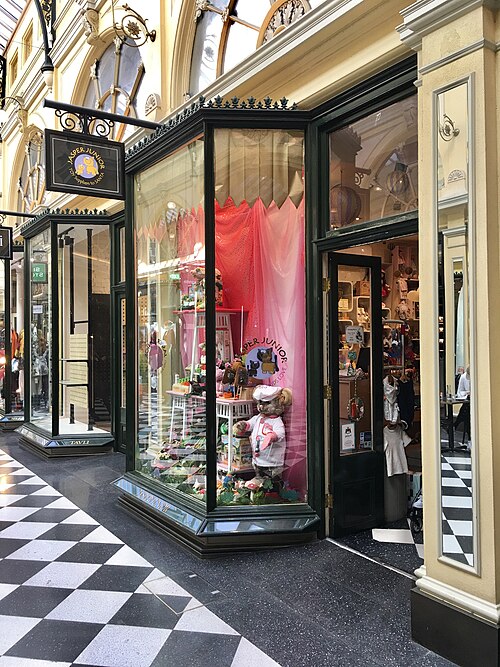
Royal Arcade is a working nineteenth-century shopping passage in central Melbourne, opened in 1870 and still linking the city’s retail streets.
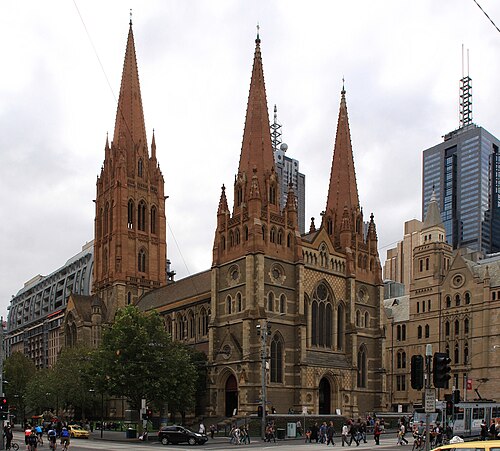
Saint Paul's Cathedral
St Paul's Cathedral is a major Anglican cathedral located in the heart of Melbourne, near the intersection of Flinders and Swanston Streets.
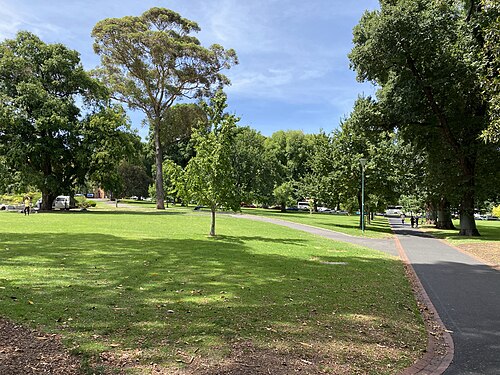
Fitzroy Gardens is a historic public garden in Melbourne, Victoria, situated on the city's eastern fringe near the central business district.
Birrarung Marr is a public park in Melbourne situated along the Yarra River. Its name derives from Woiwurrung language, with Birrarung meaning river of mists and Marr referring to the side of the river.
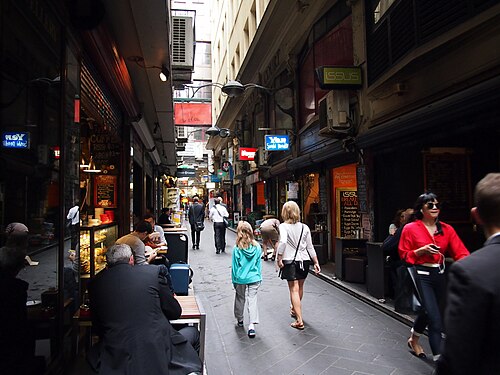
Centre Place is a narrow pedestrian laneway in central Melbourne, running between Flinders Lane and Collins Street.
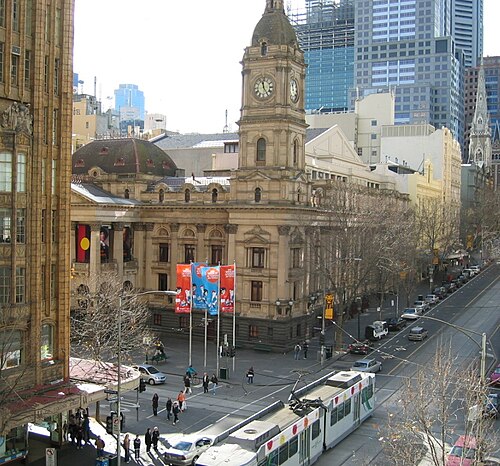
Melbourne Town Hall is a civic building serving as the seat of the City of Melbourne local government. Located on Swanston Street in the central business district, it occupies a prominent position in the city's civic and cultural landscape.
Saint Patrick's Cathedral
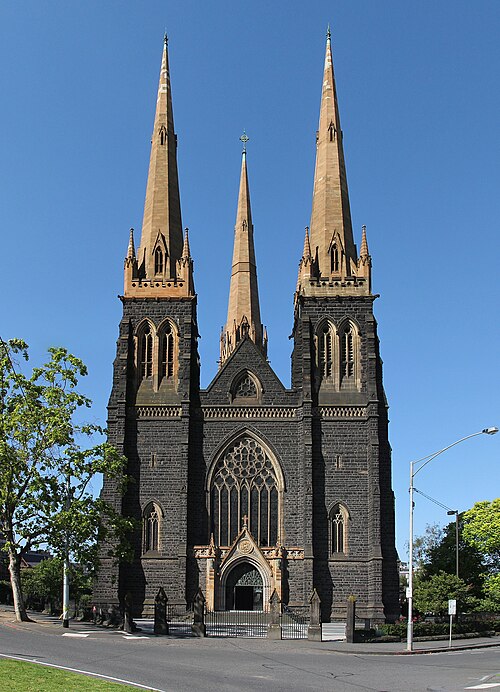
St Patrick's Cathedral is a major Roman Catholic landmark in Melbourne and the seat of the Roman Catholic Archdiocese of Melbourne. Its Gothic Revival design gives the building a strong architectural presence within the city centre.
Treasury Gardens is a public park in Melbourne, Victoria. It sits adjacent to the Treasury Building on Spring Street, near the eastern edge of the central business district.
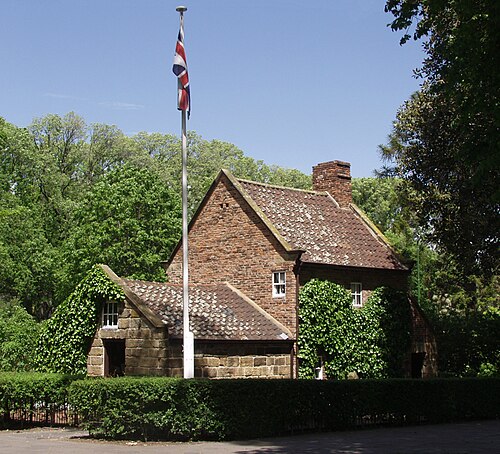
Cook's Cottage is a historic building in Melbourne's Fitzroy Gardens. It was built in 1755 in Great Ayton, Yorkshire, England, then dismantled, shipped to Australia and rebuilt in Melbourne in 1934.
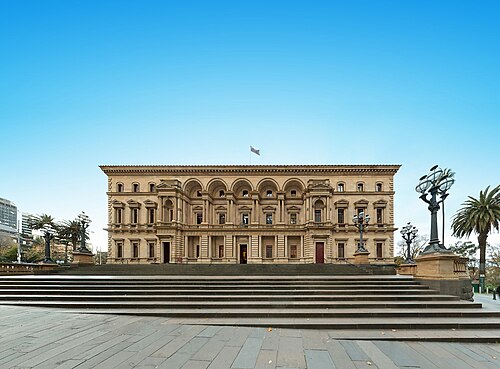
Old Treasury Building is a grand nineteenth-century public building in Melbourne, Victoria. Built during the Victorian gold rush era, it reflects the wealth and administrative ambition that shaped the young city.
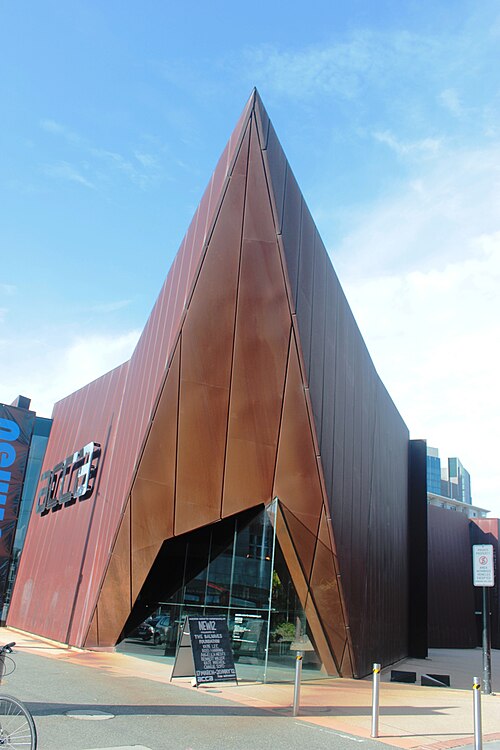
The Australian Centre for Contemporary Art is a leading Melbourne institution dedicated to exhibiting and promoting contemporary art from Australia and around the world.
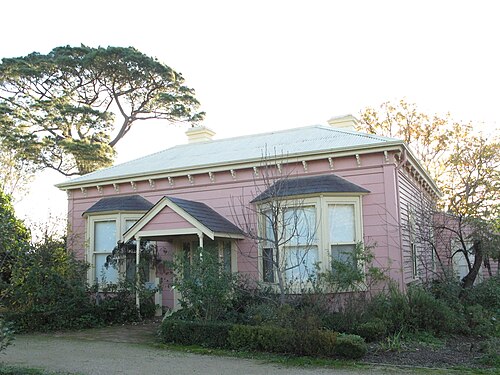
Heide Museum of Modern Art is a Melbourne museum devoted to Australian modern and contemporary art.
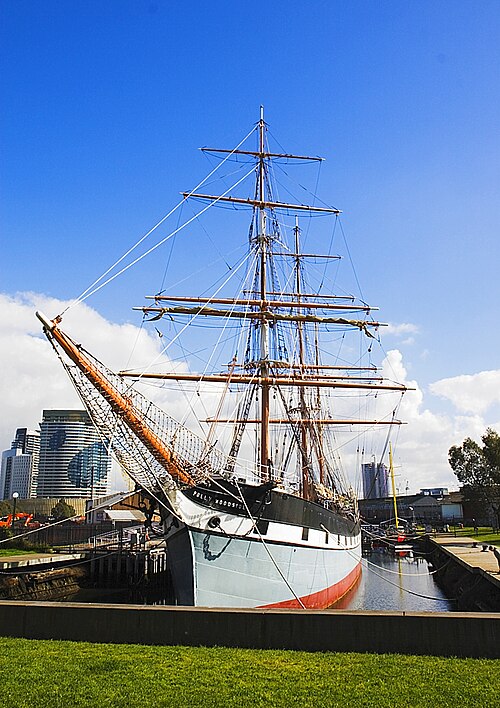
Polly Woodside is a historic iron-hulled sailing ship preserved as a maritime heritage attraction in Melbourne. Built in 1885 in Belfast, Northern Ireland, the vessel operated as a cargo ship for decades before retirement.
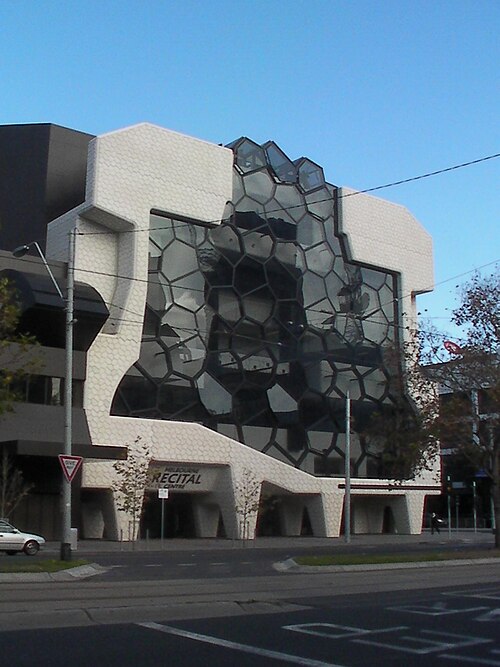
Melbourne Recital Centre is a dedicated live-performance venue in Melbourne's arts precinct, focused on chamber music and recital programming. Its purpose-built architecture and acoustic design place the listening experience at the centre of the visit.
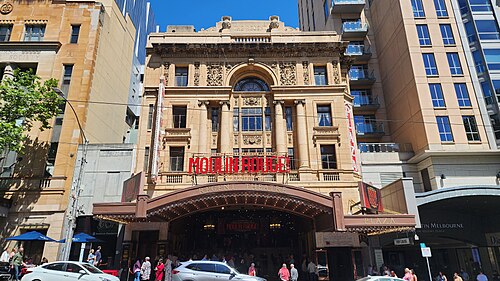
Princess Theatre is a historic theatre in Melbourne, Victoria. It stands as a significant performing arts venue within the city's cultural landscape. The building contributes to Melbourne's reputation as a major centre for theatre and live entertainment in Australia.
Regent Theatre is a historic Melbourne theatre and a destination for visitors interested in the city's entertainment heritage. It continues to function as a performance venue, bringing contemporary audiences into a building whose architectural character is part of the experience.
Start with a lane-and-gallery circuit in the central grid and cross the Yarra only for the Southbank institutions selected that day. Pair Carlton with the northern edge of the centre, and treat Fitzroy as another neighbourhood walk. St Kilda belongs in a bayside block. Airport transfers and regional Victoria use different corridors, so neither should be folded into an already full city itinerary.
Checked 2026-08-26
Melbourne's tram network is the practical link between central streets and nearby precincts, with trains and buses serving journeys that do not follow a tram corridor. Walking is effective inside the central grid, Carlton, Fitzroy or St Kilda, but not as a substitute for the trip between them. Public Transport Victoria should be checked for disruptions, replacement services and the correct connection before each longer leg.
Checked 2026-08-26
No official stay duration is recorded for Melbourne. Cover the central grid and Yarra institutions first, then give Carlton, Fitzroy and St Kilda their own neighbourhood periods. Regional Victoria requires additional time outside the city schedule.
Arrange the centre around Federation Square, the lanes and the river, then move north for Carlton or Fitzroy. Keep St Kilda for a bayside half-day or evening rather than interrupting a central museum route.
Use trams for many central and inner-city links, trains for rail corridors and buses where neither reaches. Public Transport Victoria publishes the current network information and disruption notices needed to choose the route.
Walking suits the central grid, Yarra banks and a single inner neighbourhood. The distance between those areas and St Kilda makes public transport the practical choice for a wider Melbourne itinerary.
Treat St Kilda, the airport and destinations in regional Victoria as distinct transport plans. Check the operating route and return service before leaving the central network, especially when works trigger replacement buses.