

_as_seen_from_the_rooftop_of_Shrine_of_Remembrance.jpg)

.jpg)

07
2 hours
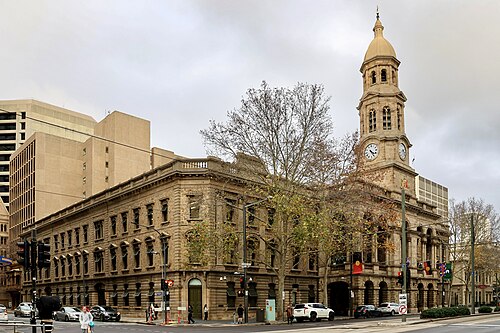
Adelaide Town Hall
Adelaide Town Hall is a working civic and cultural landmark at 128 King William Street, not a museum with a fixed visitor circuit.
- Must see
- Historic monument
- Adelaide
Country guide
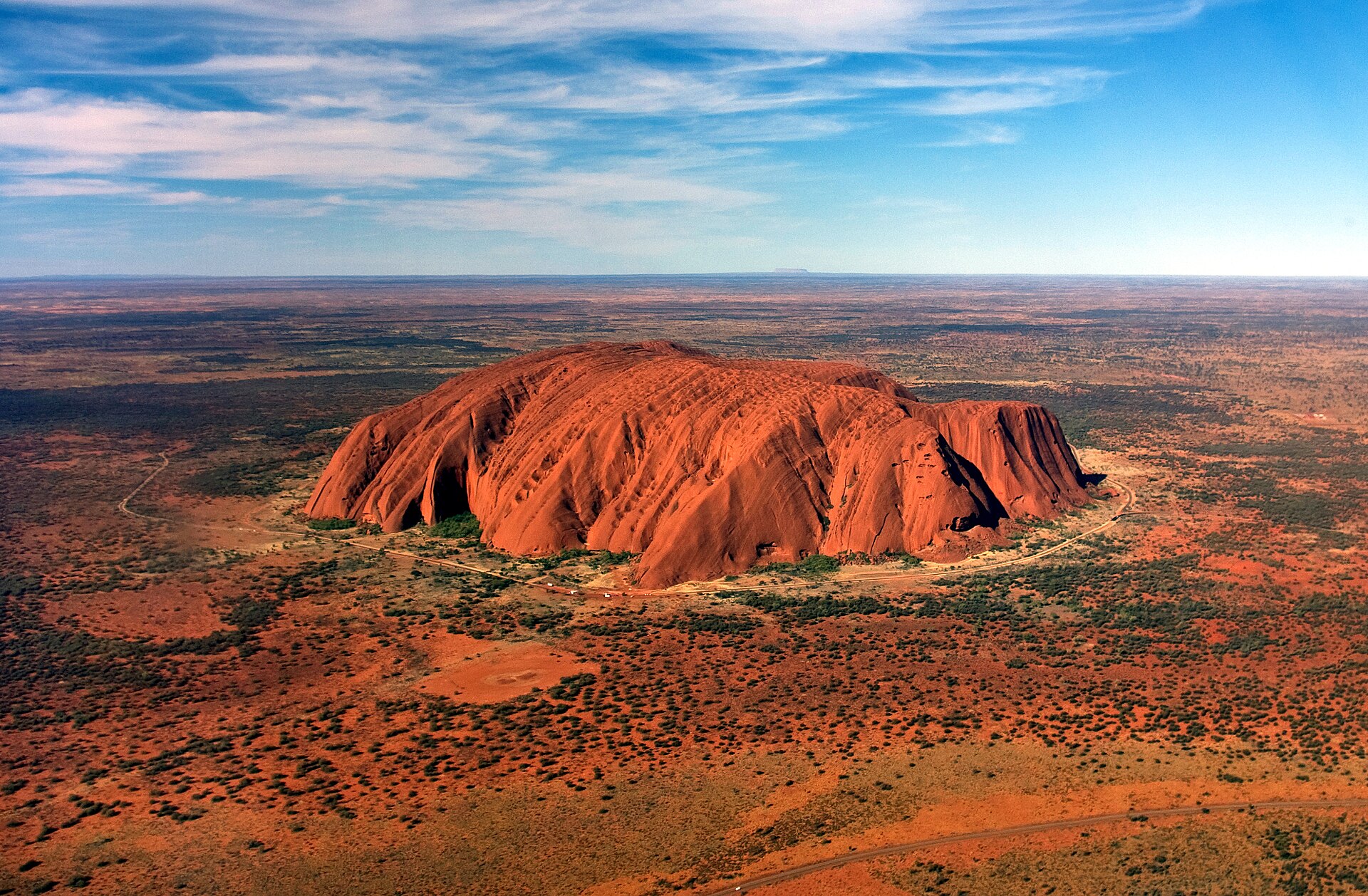
Australia covers 7,688,287 km², sixth largest in the world, and close to 4,000 km separate its east coast from its west. Nearly 28 million people live here, abo...
Photograph · Corey Leopold · CC BY 2.0
Reviewed by Elena Voss · Roavina Travel Editor
Australia covers 7,688,287 km², sixth largest in the world, and close to 4,000 km separate its east coast from its west. Nearly 28 million people live here, about 80 per cent of them within 25 km of a mainland coastline 35,821 km long — which is the fact that governs any trip taken across it. The cities form a rim around an interior that stays largely empty; Sydney and Melbourne pass five million each, and Canberra, the capital, is neither of them. Six states and ten territories, and a sensible visit chooses two of them rather than the map.
Checked 2026-08-25
Every city catalogued in this country so far, ranked by how much there is to see.
Photograph · W. Bulach · CC BY-SA 4.0
Photograph · Shkuru Afshar · CC BY-SA 4.0

Photograph · Chris Olszewski · CC BY-SA 4.0
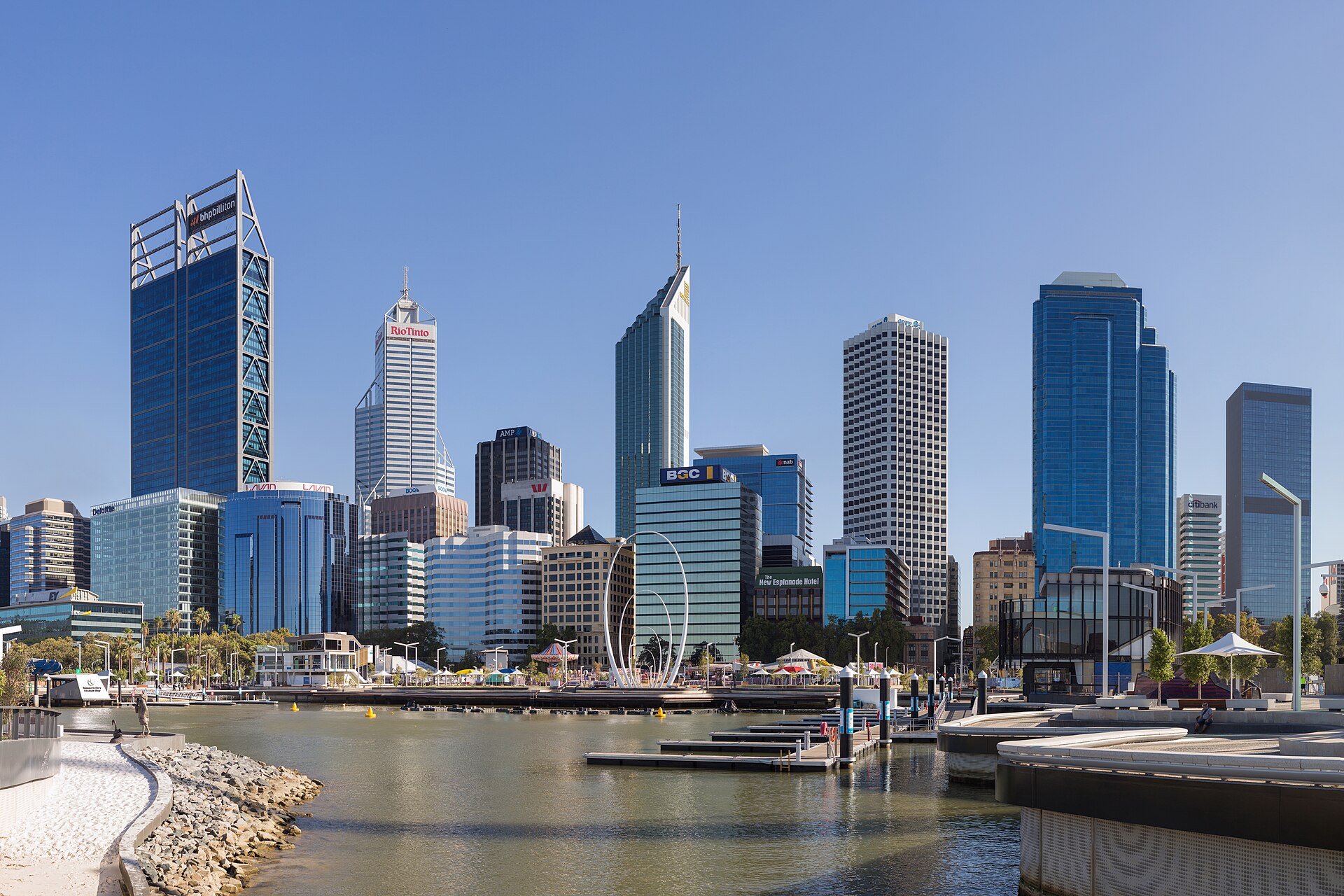
Photograph · Samuel Wiki · CC BY 4.0
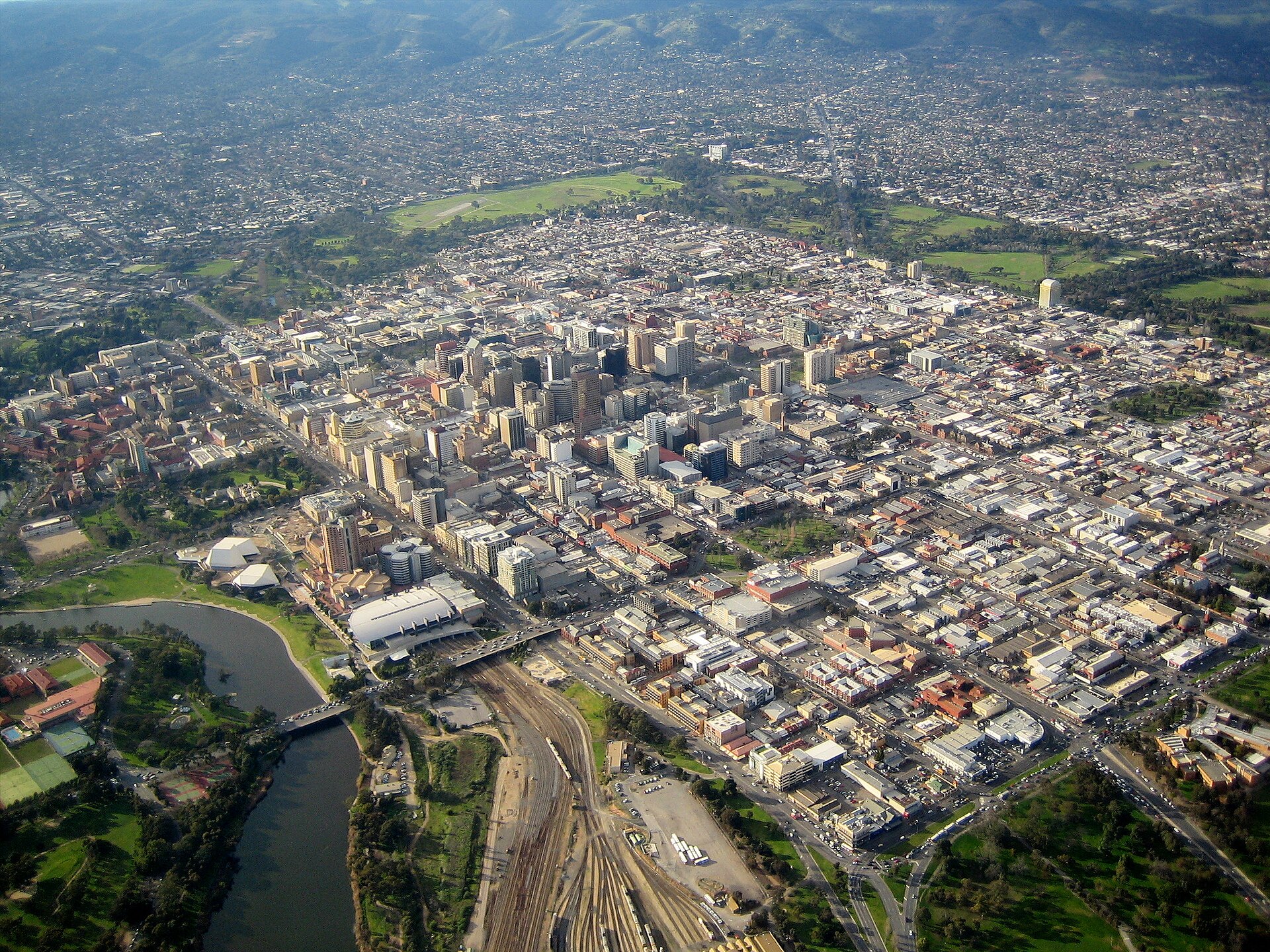
Photograph · Photograph by Doug Barber · CC BY-SA 3.0
Seasonal closures come from recorded opening hours.
Ranked by importance — sitelinks, pageviews and heritage status, not editor preference.
55 places match
Category
Typical visit duration
Interests
Adelaide Town Hall is a working civic and cultural landmark at 128 King William Street, not a museum with a fixed visitor circuit.
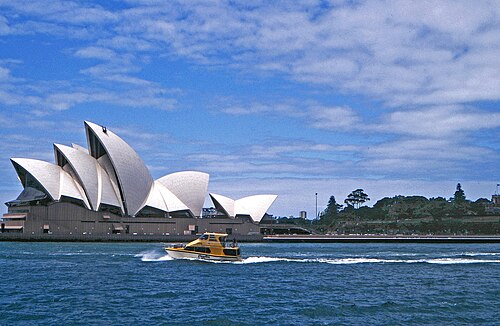
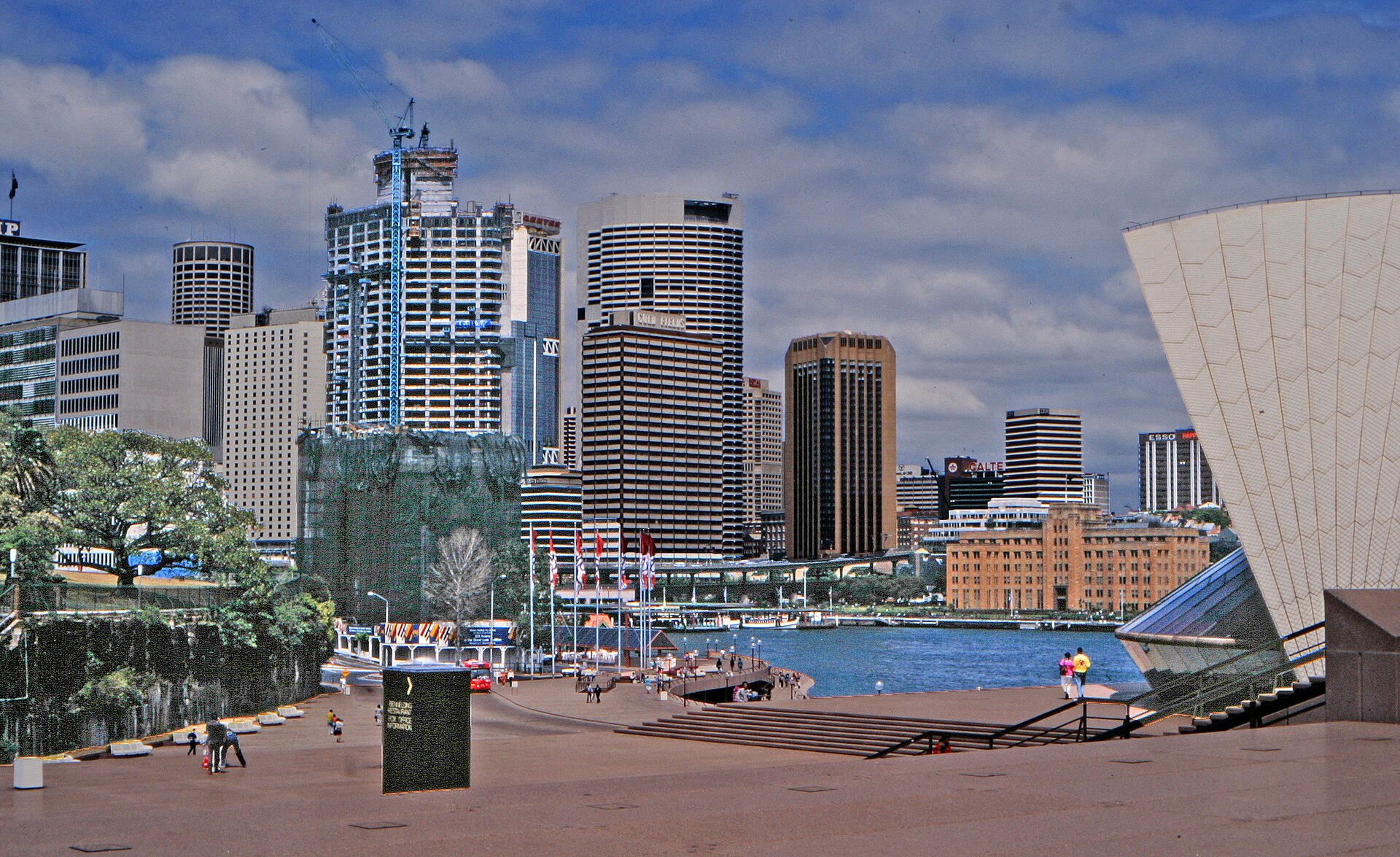
Sydney Opera House is a performing-arts complex at Bennelong Point, where its white sail-like roof shells project into Sydney Harbour beside Circular Quay.
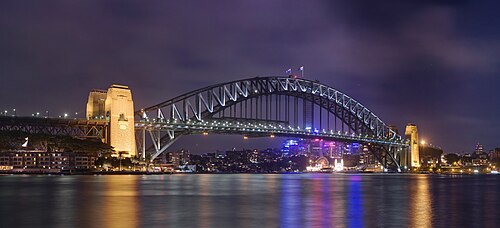
The Sydney Harbour Bridge is a steel through arch bridge spanning Sydney Harbour, connecting the Sydney central business district with the North Shore. Opened in 1932, it carries rail, vehicular, bicycle and pedestrian traffic.
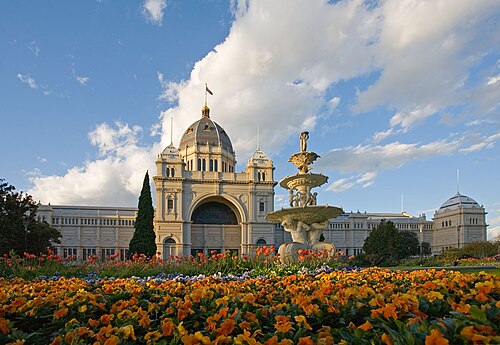
Royal Exhibition Building is a historic exhibition building and one of Melbourne's highest-priority visitor stops in the current curated list.
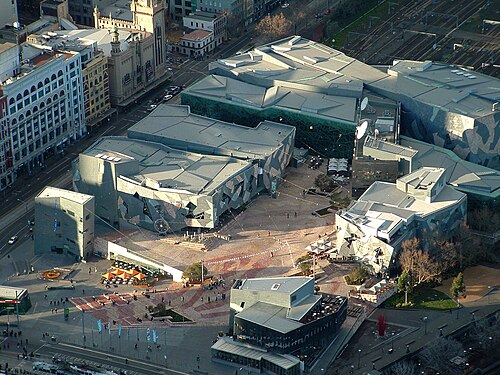
Federation Square is Melbourne’s civic gathering place beside the Yarra River and Flinders Street Station, built around open terraces, angular architecture and a changing programme of cultural activity.
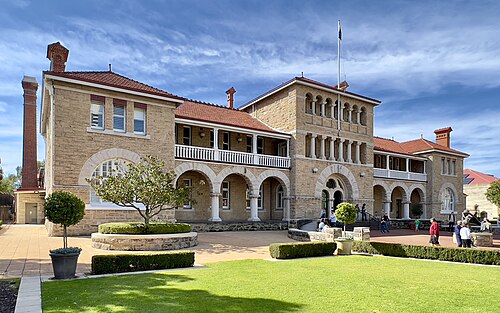
The Perth Mint is a heritage precious metals refining facility and tourist attraction in Perth, Western Australia. Established in 1899 as a branch of Britain's Royal Mint, it originally struck gold sovereigns from Western Australian gold rush output.
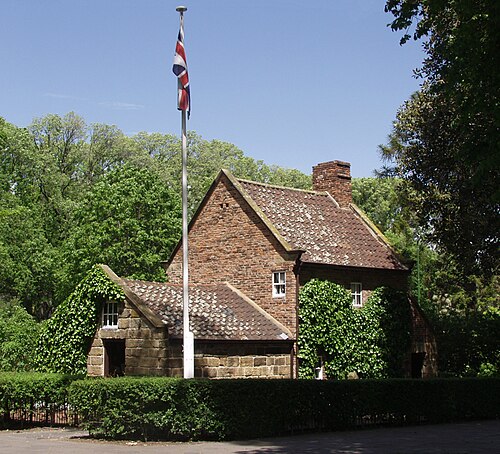
Cook's Cottage is a historic building in Melbourne's Fitzroy Gardens. It was built in 1755 in Great Ayton, Yorkshire, England, then dismantled, shipped to Australia and rebuilt in Melbourne in 1934.

Perth Observatory is an astronomical observatory located in the Perth metropolitan area. The facility serves as a centre for public astronomy education and stargazing experiences.
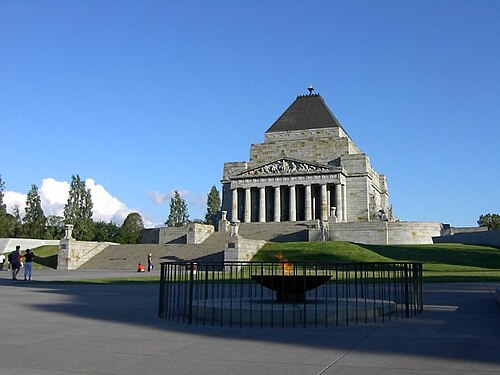
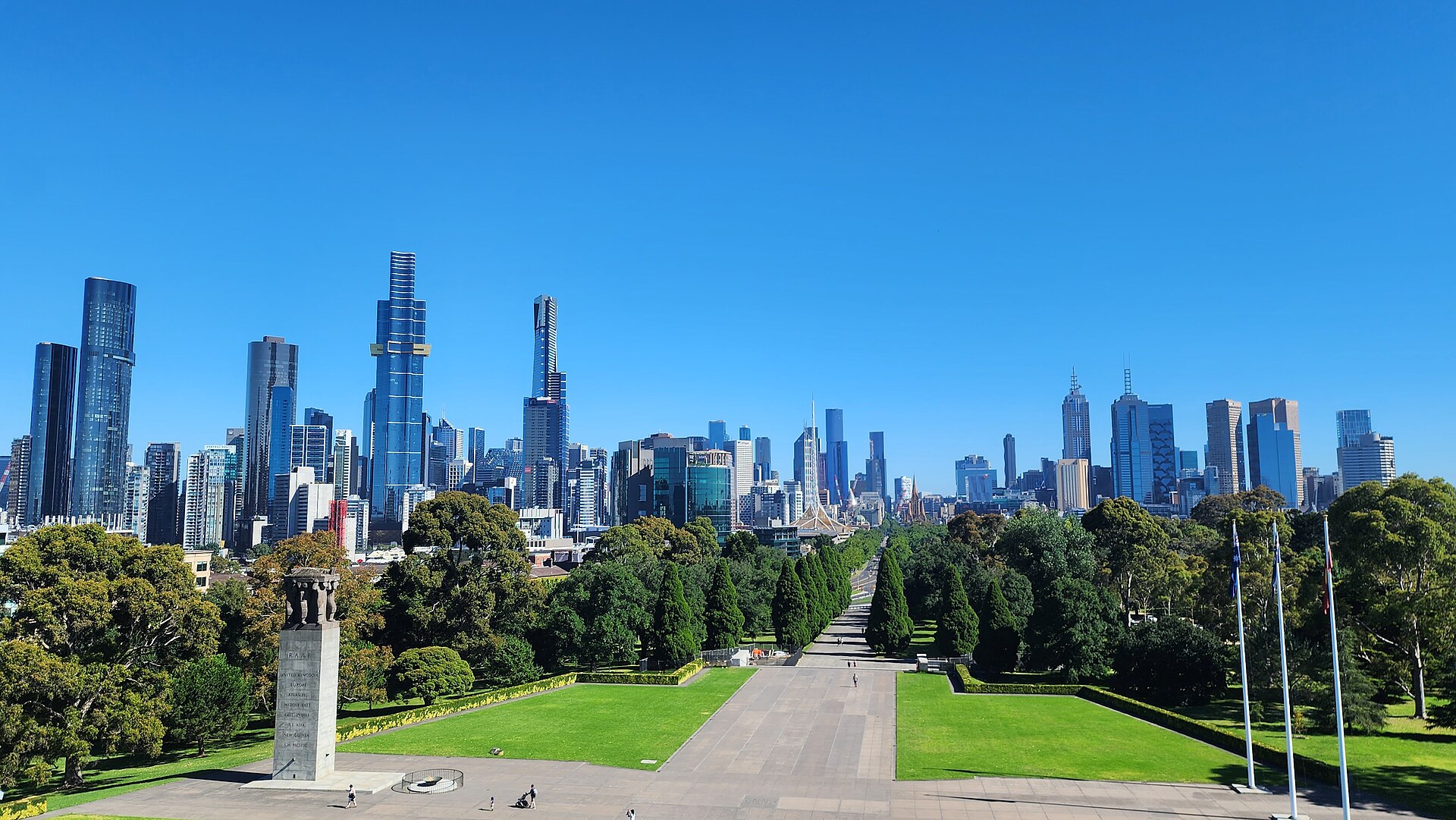
The Shrine of Remembrance is Melbourne’s principal war memorial, set on St Kilda Road with a deliberate architectural presence above the surrounding parkland.
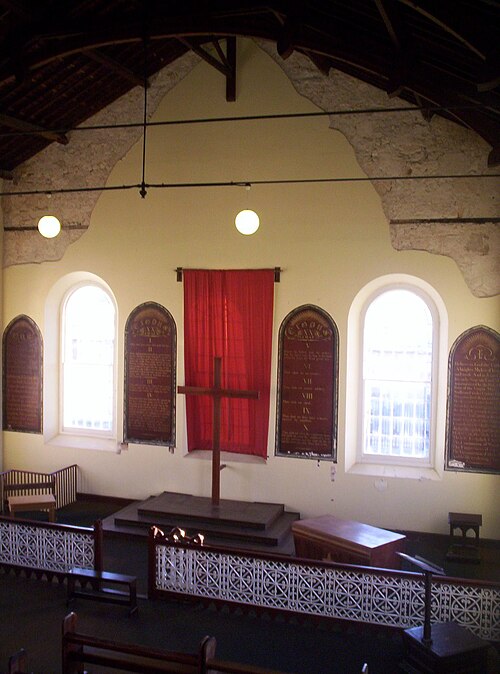
Fremantle Prison stands as a former Australian convict establishment in Fremantle, the port city of Perth.
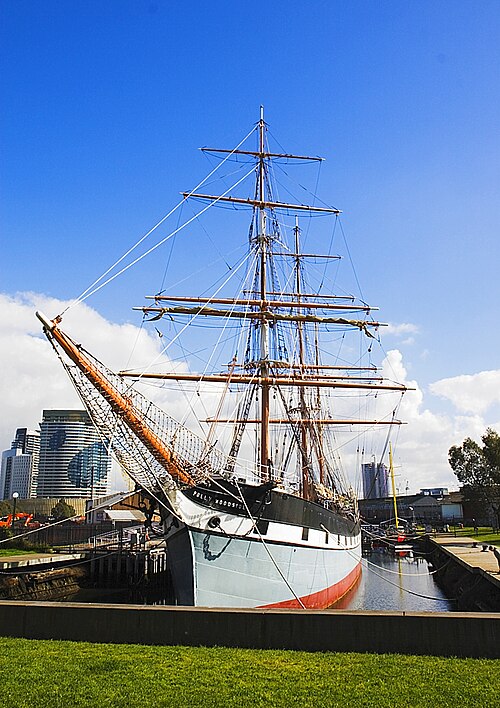
Polly Woodside is a historic iron-hulled sailing ship preserved as a maritime heritage attraction in Melbourne. Built in 1885 in Belfast, Northern Ireland, the vessel operated as a cargo ship for decades before retirement.
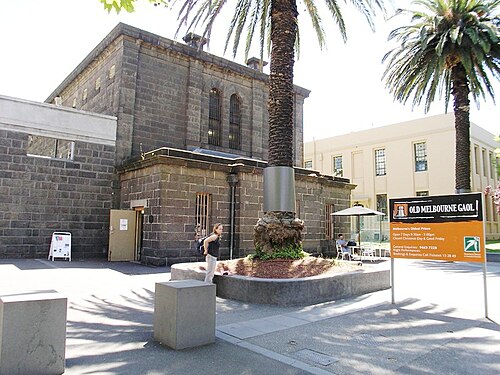
Old Melbourne Gaol is a preserved former prison in central Melbourne where the building carries as much meaning as the displays.
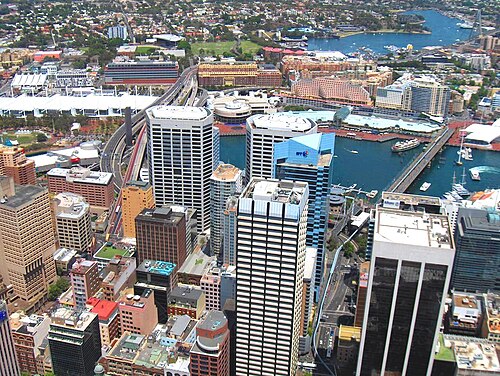
Darling Harbour is Sydney’s waterfront public precinct around Cockle Bay, where a broad promenade connects working harbour views with pedestrian bridges, Tumbalong Park, Darling Quarter, museums and event venues.
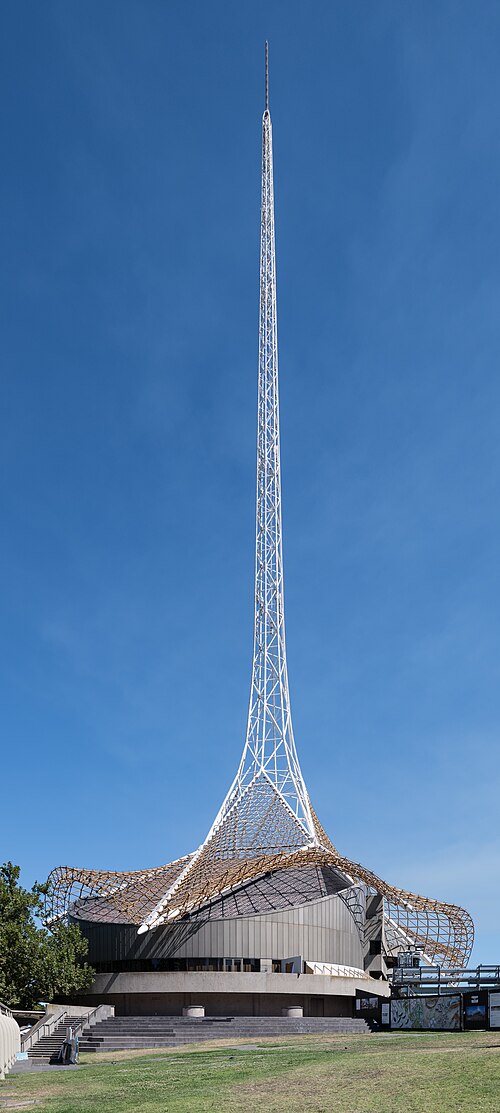
Arts Centre Melbourne is a performing arts centre located in the Southbank precinct of Melbourne, Victoria. It serves as a major hub for theatre, music, dance, and cultural events in Australia's second-largest city.
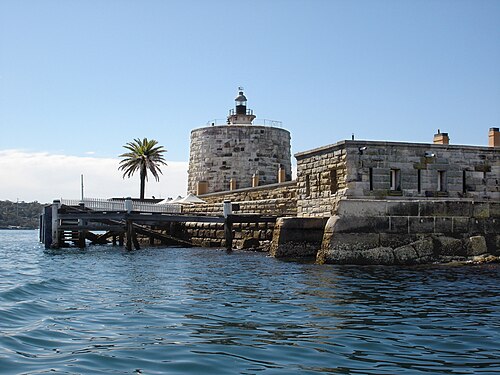
Fort Denison is a heritage-listed former penal site and defensive facility located on a small island in Sydney Harbour, New South Wales.
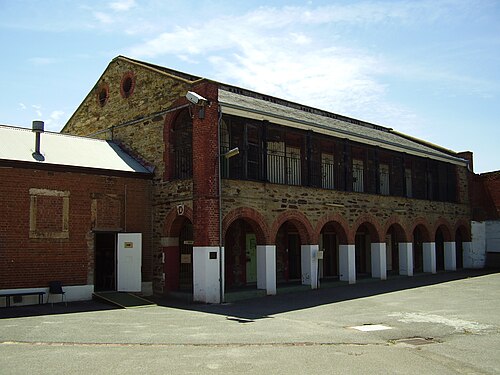
Adelaide Gaol is a former prison located within the Adelaide Park Lands. It operated as a correctional facility for more than a century before ceasing operations.
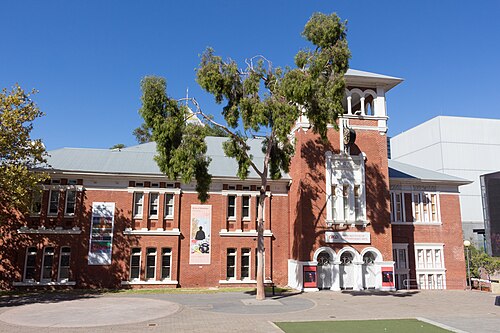
Perth Institute of Contemporary Arts is a leading cultural institution in Western Australia dedicated to contemporary art practice. Located in Perth's cultural centre, PICA occupies a distinctive heritage building that has been adapted for modern exhibition purposes.

Cadman's Cottage
Cadmans Cottage is a historic sandstone building in The Rocks, beside Sydney Cove. Built during Sydney’s early colonial period, it is one of the city’s oldest surviving residential buildings.
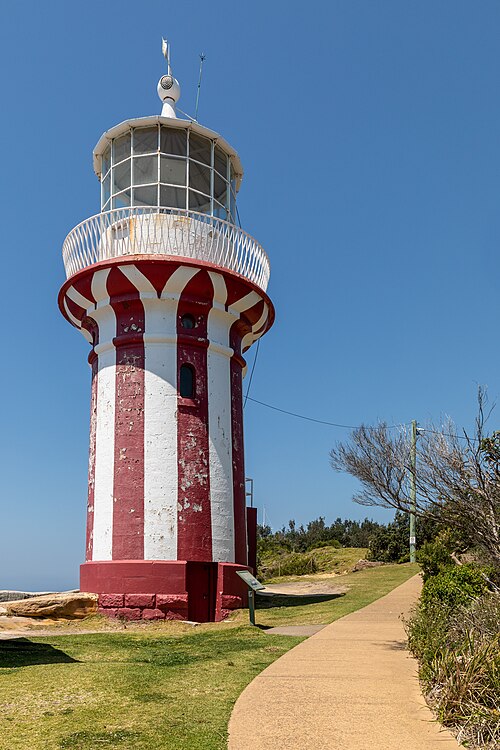
Hornby Lighthouse is a heritage-listed active lighthouse situated at the southern entrance to Sydney Harbour, on the tip of South Head in Watsons Bay.
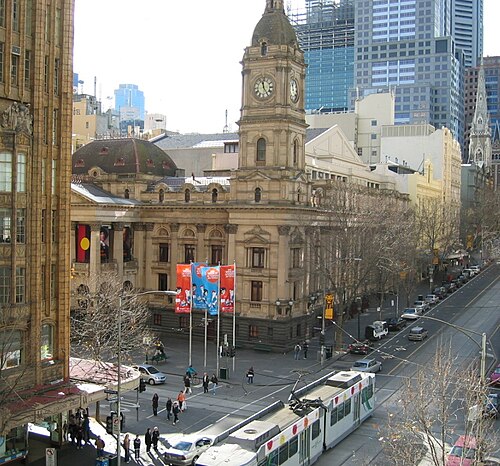
Melbourne Town Hall is a civic building serving as the seat of the City of Melbourne local government. Located on Swanston Street in the central business district, it occupies a prominent position in the city's civic and cultural landscape.
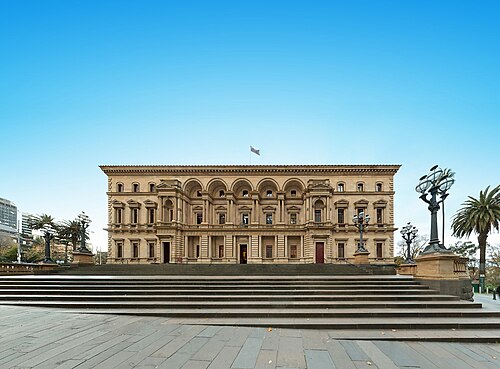
Old Treasury Building is a grand nineteenth-century public building in Melbourne, Victoria. Built during the Victorian gold rush era, it reflects the wealth and administrative ambition that shaped the young city.
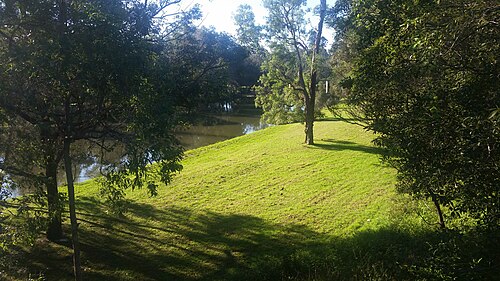
Parramatta Park is a large public park in Parramatta, western Sydney, beside the Parramatta River. It combines open lawns, mature trees, garden areas, walking paths and colonial heritage associations.
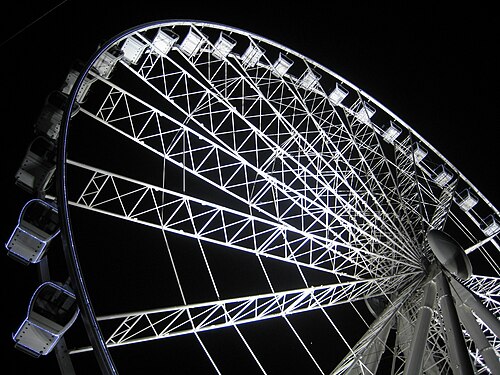
The Wheel of Brisbane
The Wheel of Brisbane is a prominent observation wheel situated in the South Bank Parklands area of Brisbane, Queensland.
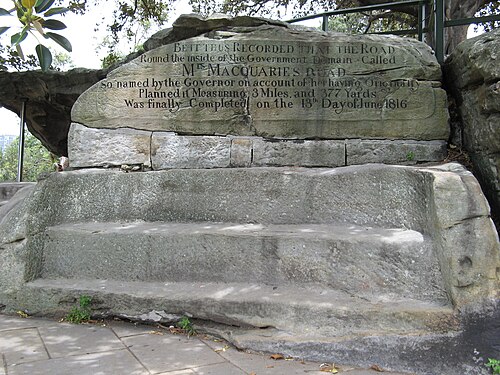
Mrs Macquarie's Chair is a historic carved sandstone bench located on a peninsula in Sydney Harbour. It was hand-carved by convicts in 1810 for Elizabeth Macquarie, the wife of Governor Lachlan Macquarie, who enjoyed sitting and viewing the harbour.
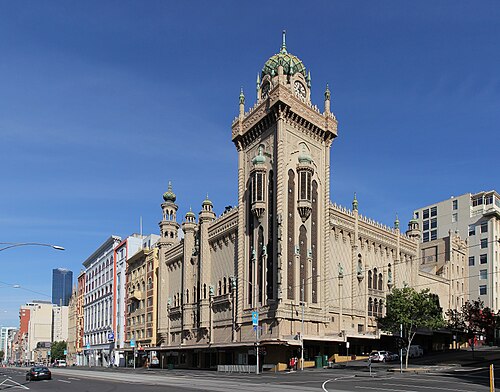
Forum Melbourne
Forum Melbourne is a historic entertainment venue located in the central city area. The building features distinctive architectural elements that contribute to its recognition as a significant Melbourne landmark.
Ten to fourteen days should cover one coast, one city pair or one city plus a nearby landscape, not the continent. Sydney and Melbourne can share a southeastern route; Perth, the tropical north and the Red Centre each demand separate flights and more time.
Australia’s Department of Home Affairs is the authority for Visitor visas and electronic travel permissions. Select the product for the passport and purpose, complete required declarations, and remember that visa approval does not remove Australia’s strict biosecurity obligations.
Flights are usually the efficient link between distant states. Rail and coaches serve selected corridors, cars become important outside cities, and urban fare cards are local rather than national; remote drives require fuel, water, communications and realistic distance planning.
Australia’s seasons and hazards vary dramatically by latitude. Southern-city summers, tropical dry seasons and Red Centre heat create different windows, so choose dates for the selected region and check official fire, cyclone or flood advice before road travel.
The Australian dollar is the sole recorded currency. Contactless payment is common, but remote roadhouses and small services justify a backup card or cash; check surcharges at the point of sale and budget fuel around long gaps rather than metropolitan prices.
Use 000 for urgent police, fire or ambulance assistance; Australia uses Type I power at 230 V. Treated public tap supplies are recorded as safe, but remote-site notices take precedence, and travellers should save the state emergency service relevant to their route.