
01
2 hours
Belvedere
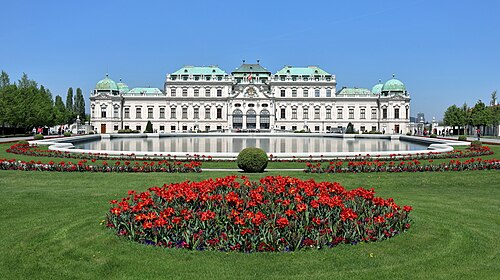
Belvedere is Prince Eugene of Savoy’s former summer residence, not one palace but a carefully staged Baroque ensemble in Vienna’s Landstraße district.
- Must see
- Historic monument
Language · 11 published
District guide · Vienna
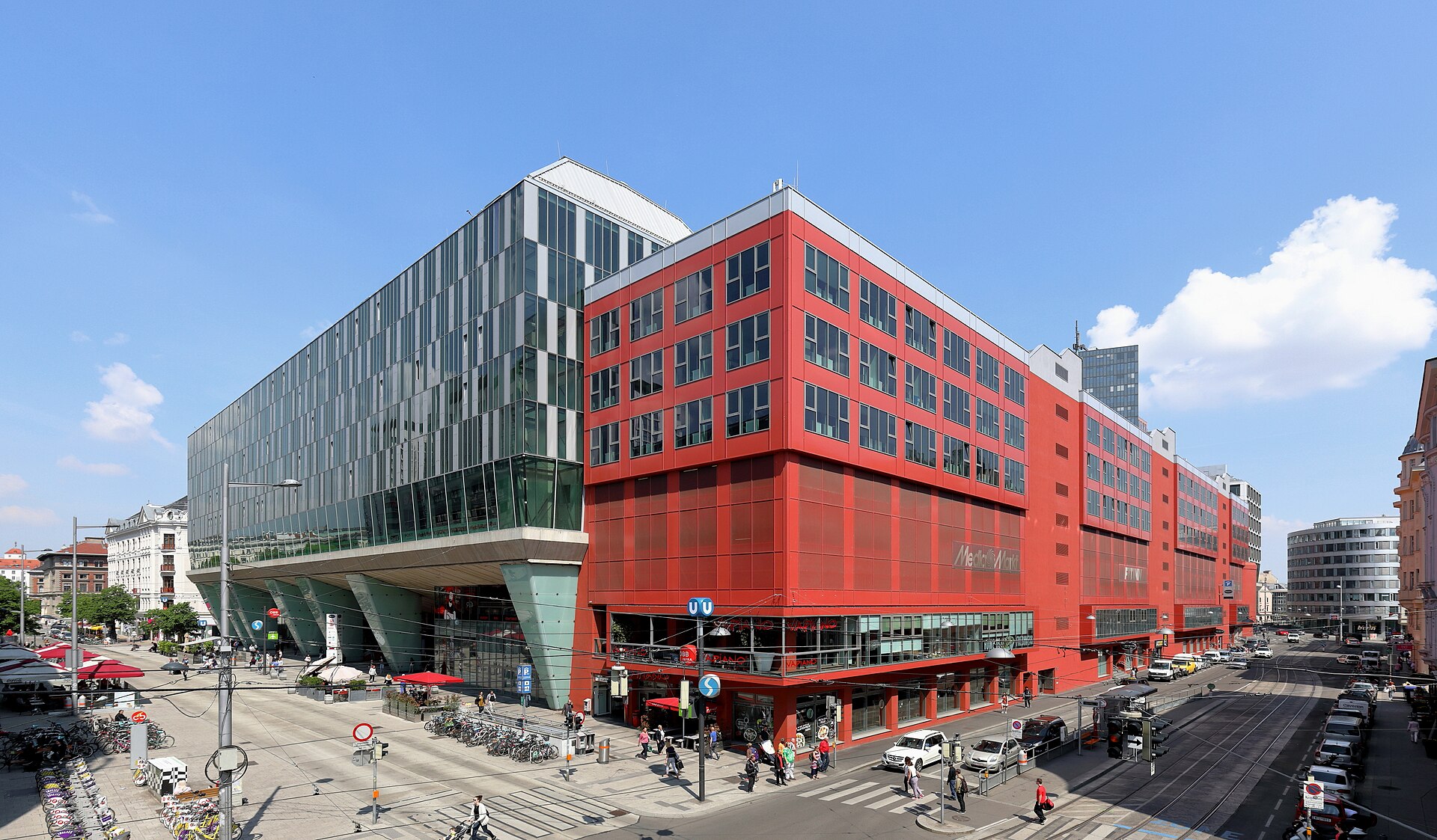
Landstraße, Vienna's 3rd district near the city center, is a densely populated urban area established in the 19th century. The Belvedere palace, Hundertwasserhaus, and Wiener Konzerthaus stand among its notable landmarks. The district holds architectural and cultural significance, with historical palaces, museums, and gardens reflecting centuries of Viennese heritage.
Editorial responsibility: Elena Voss · Roavina Travel Editor
Set your days, your pace and the hours you actually want to be out. The planner works around closing days and travel time, and leaves room to eat.
Ranked by importance — sitelinks, pageviews and heritage status, not editor preference.
12 places match
Category
Typical visit duration
Interests
Belvedere is Prince Eugene of Savoy’s former summer residence, not one palace but a carefully staged Baroque ensemble in Vienna’s Landstraße district.
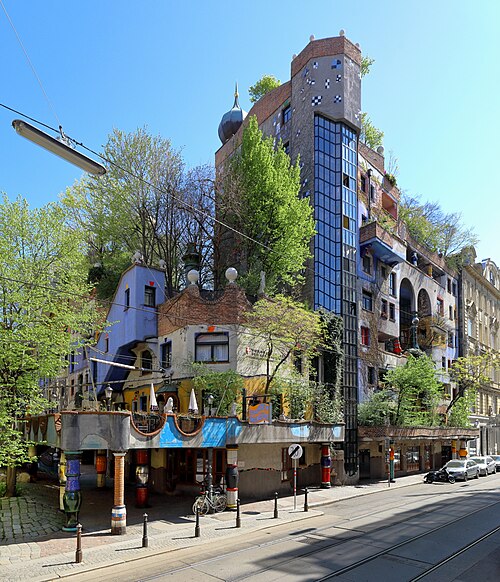
Hundertwasserhaus is a private residential complex in Vienna’s 3rd district, Landstraße, at the corner of Kegelgasse and Löwengasse. Friedensreich Hundertwasser created the artistic concept with architect Joseph Krawina, and construction took place from 1983 to 1985.
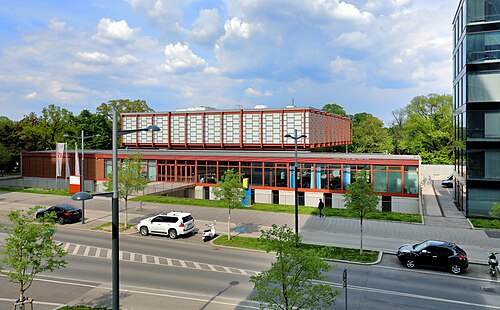
Belvedere 21 is Vienna's museum for contemporary art, housed in a steel-and-glass pavilion in the Schweizergarten, a few hundred metres south of the Baroque Belvedere palace complex it is administratively part of.
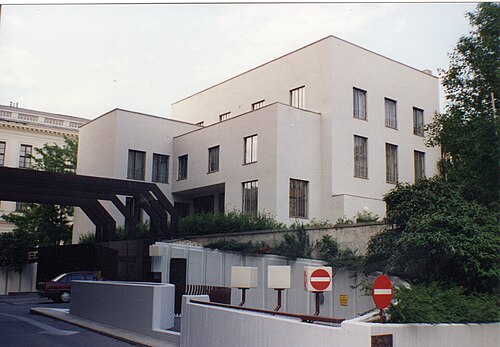
Haus Wittgenstein
Haus Wittgenstein — also called the Stonborough House — is a modernist house at Kundmanngasse 19 in Vienna's 3rd district, built in 1926-1928 for Margaret Stonborough-Wittgenstein, sister of the philosopher Ludwig Wittgenstein.
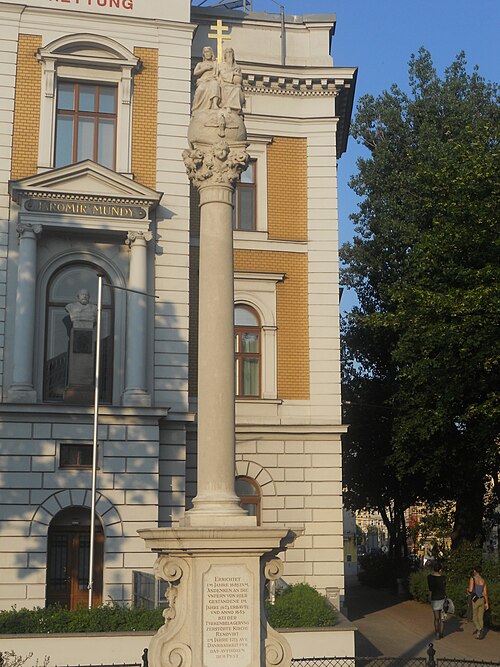
Dreifaltigkeitssäule
The Dreifaltigkeitssäule, or Trinity Column, stands at Radetzkystraße 1 in Vienna's Landstraße district. This religious monument represents the Holy Trinity and forms part of the city's extensive heritage of plague columns and devotional structures erected across Central Europe.
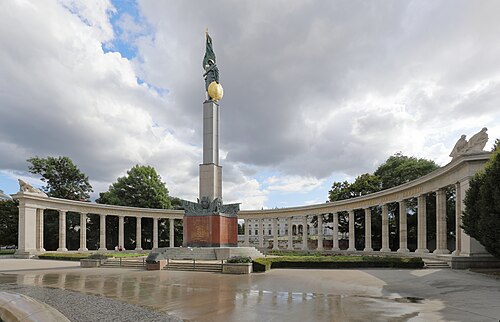
Heldendenkmal der Roten Armee
The Soviet War Memorial on Schwarzenbergplatz commemorates the Red Army soldiers killed during the Vienna Offensive of April 1945, and was built and unveiled by Soviet authorities the same year, within months of the city's capture.
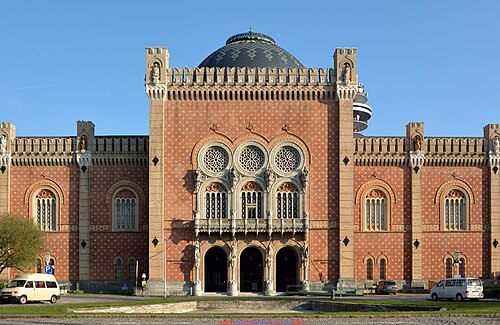
The Heeresgeschichtliches Museum, the Museum of Military History, is Austria's oldest purpose-built museum structure, opened in 1891 inside the Arsenal complex as the k.k. Hofwaffenmuseum and renamed to its current form in 1955.
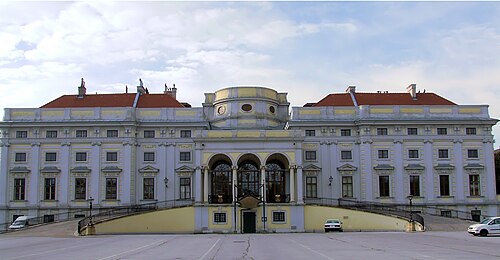
Palais Schwarzenberg is a Baroque garden palace at the edge of the Belvedere district, begun for Count Heinrich Franz von Mansfeld-Fondi and continued after his death by the Schwarzenberg family, who gave it its present name.
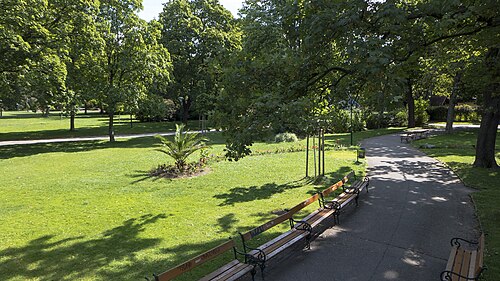
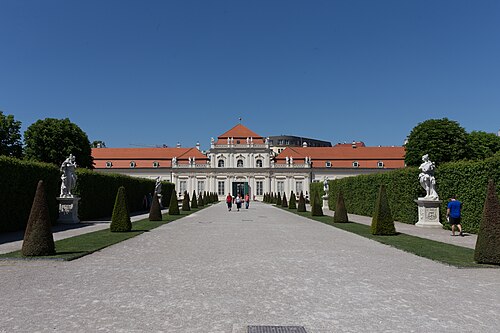
Unteres Belvedere
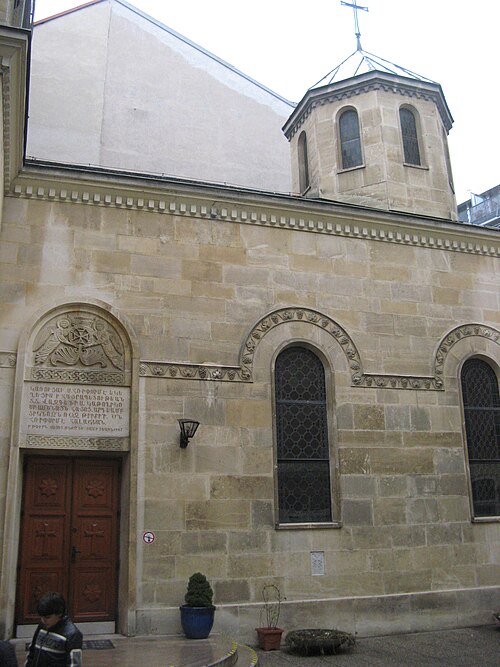
Armenische Kirche
Source: OpenStreetMap contributors, Wikidata ·