
1 min walk · Innere Stadt
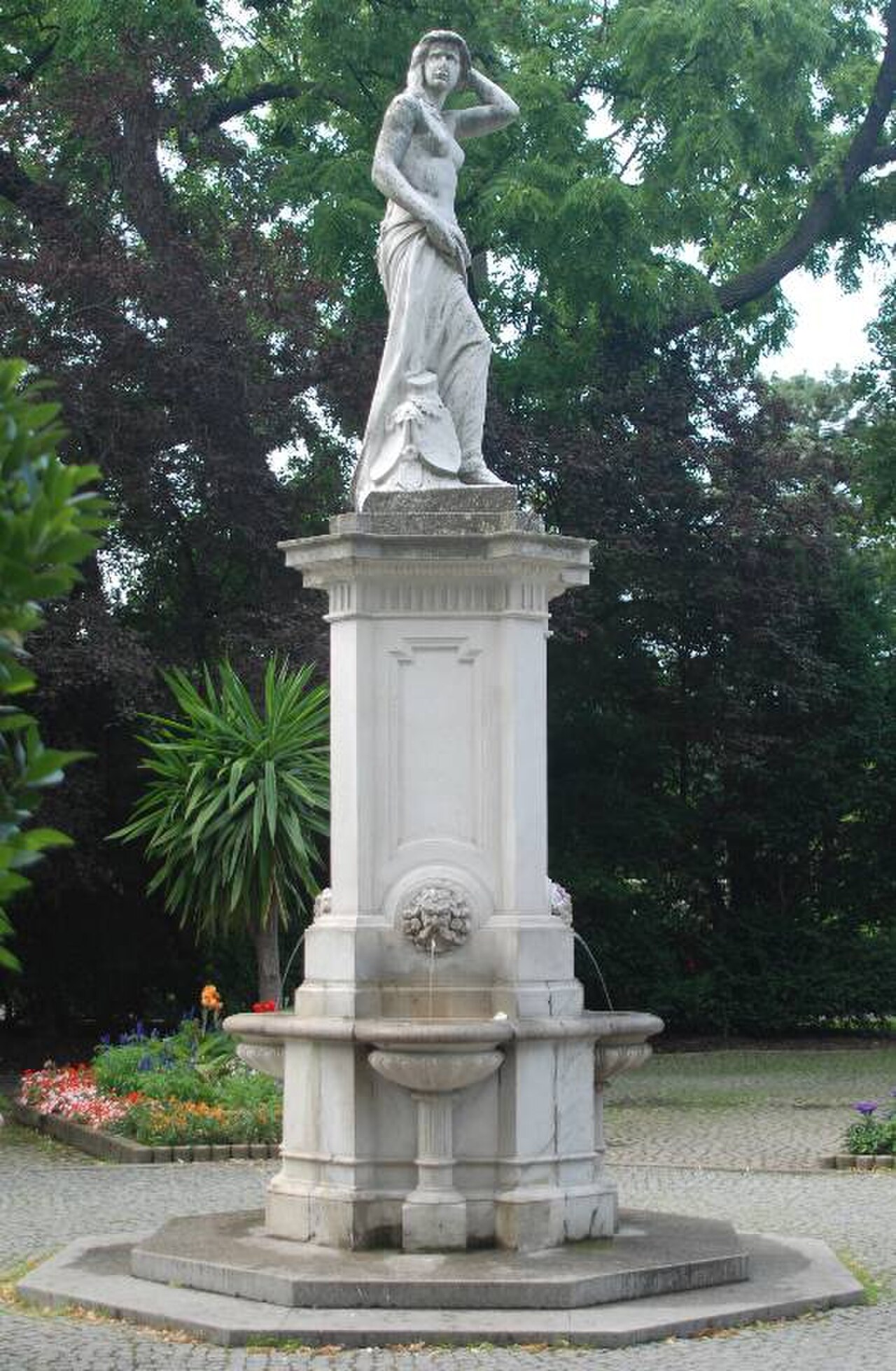
Donauweibchenbrunnen
- High
- Historic monument
Language · 11 published
Nature site · Innere Stadt, Vienna
Reviewed by Elena Voss · Roavina Travel Editor
This place is a Park. It carries the Listed objects in Austria heritage designation.
Stadtpark is Vienna's largest park inside the inner districts, opened in 1862 as an English-style landscape garden on land straddling the Innere Stadt and Landstraße district boundary, split by the Wien river running through its centre. It was designed by Rudolph Siebeck and was, at the time it opened, one of the first large public parks in the city built specifically for public leisure rather than as a formal court garden.
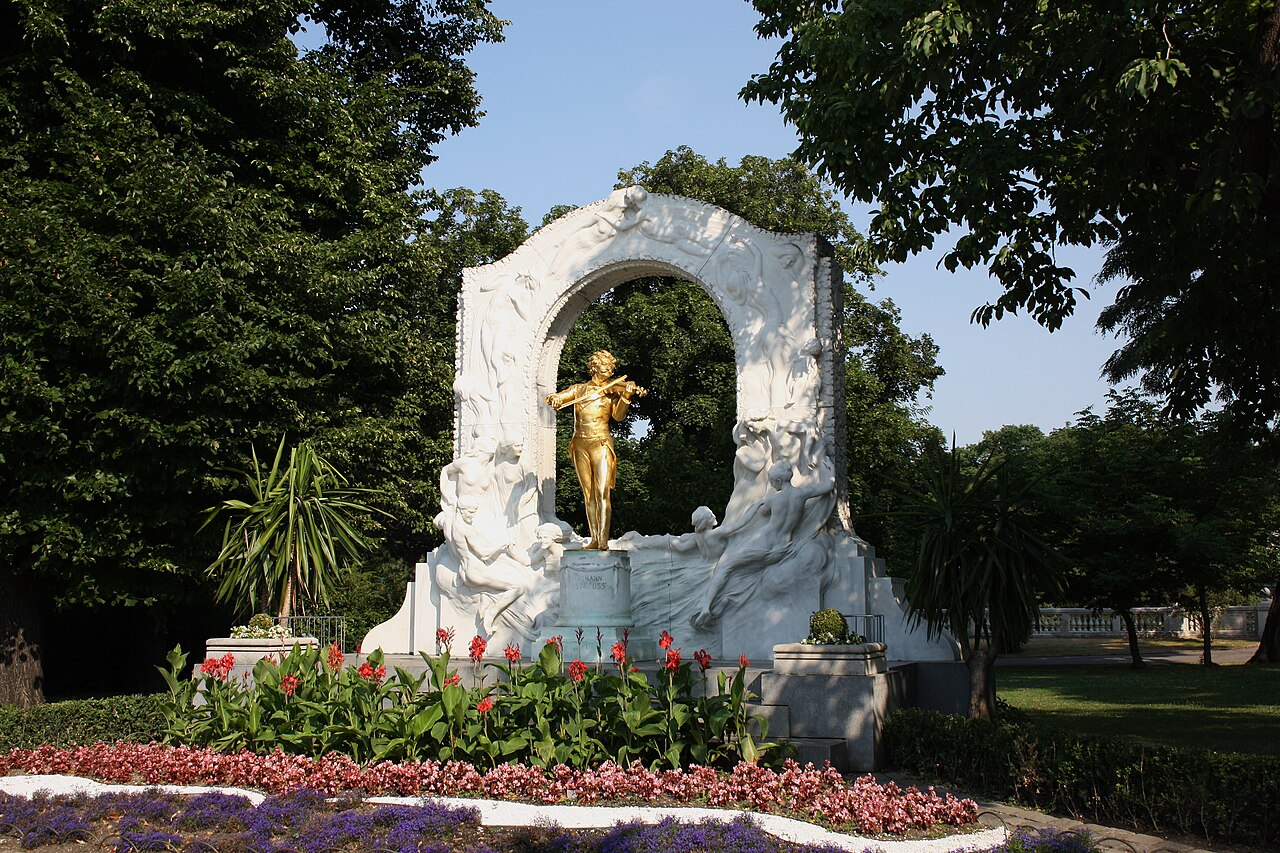
Its best-known feature is a monument rather than a building: the gilded bronze statue of Johann Strauss II playing the violin, unveiled in 1921 and sculpted by Edmund Hellmer, framed by a stone arch — one of the most photographed single monuments in Vienna and a fixture of the city's "Waltz King" identity.
Where Volksgarten a short walk away is formal and hedged, Stadtpark is deliberately the opposite: open lawns, curved paths and irregular plantings, in the English-landscape tradition rather than the French formal style, which is also why it reads as a much larger and greener space despite sitting only a few streets from the Ring.
Checked 2026-08-20 · Source
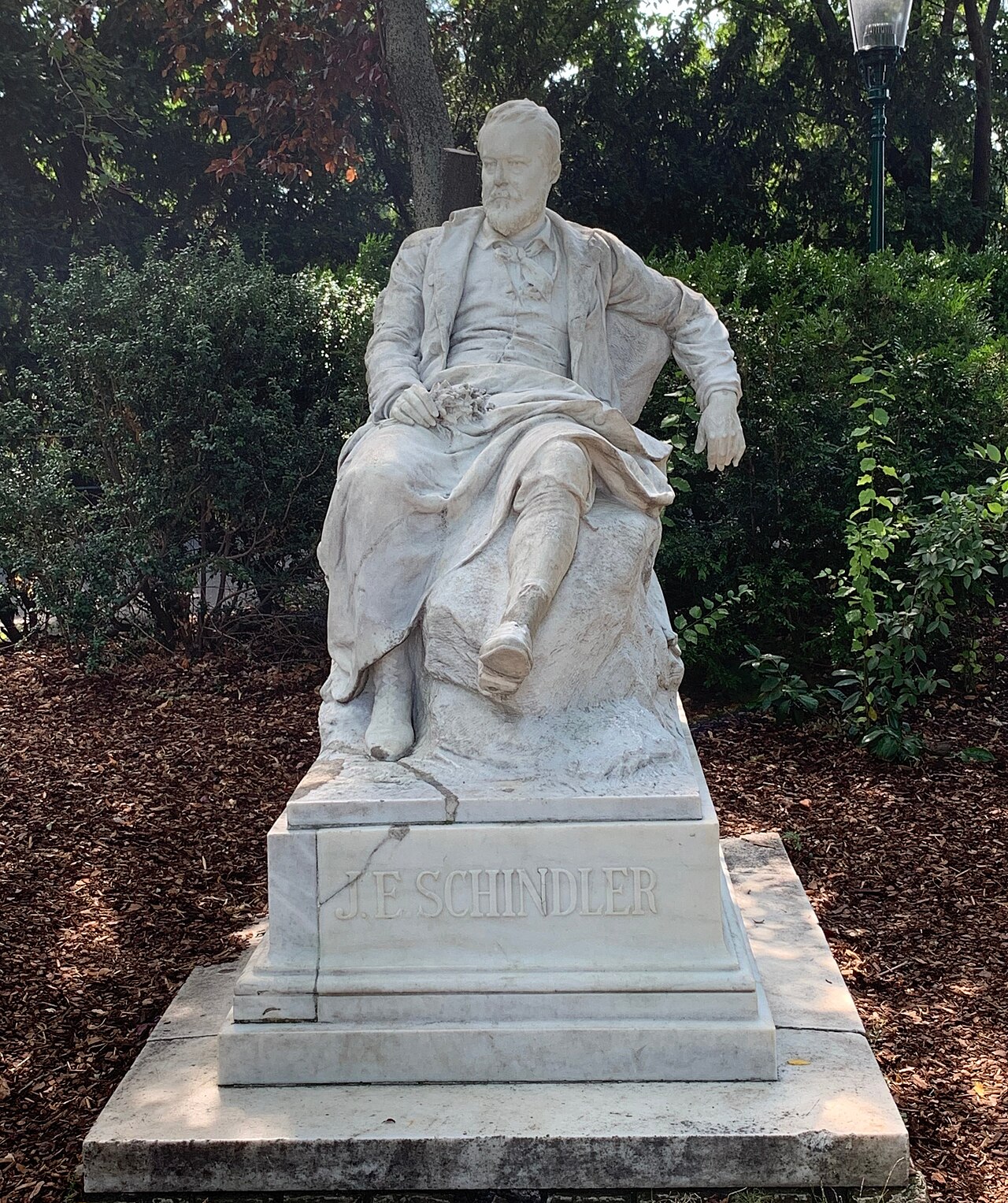
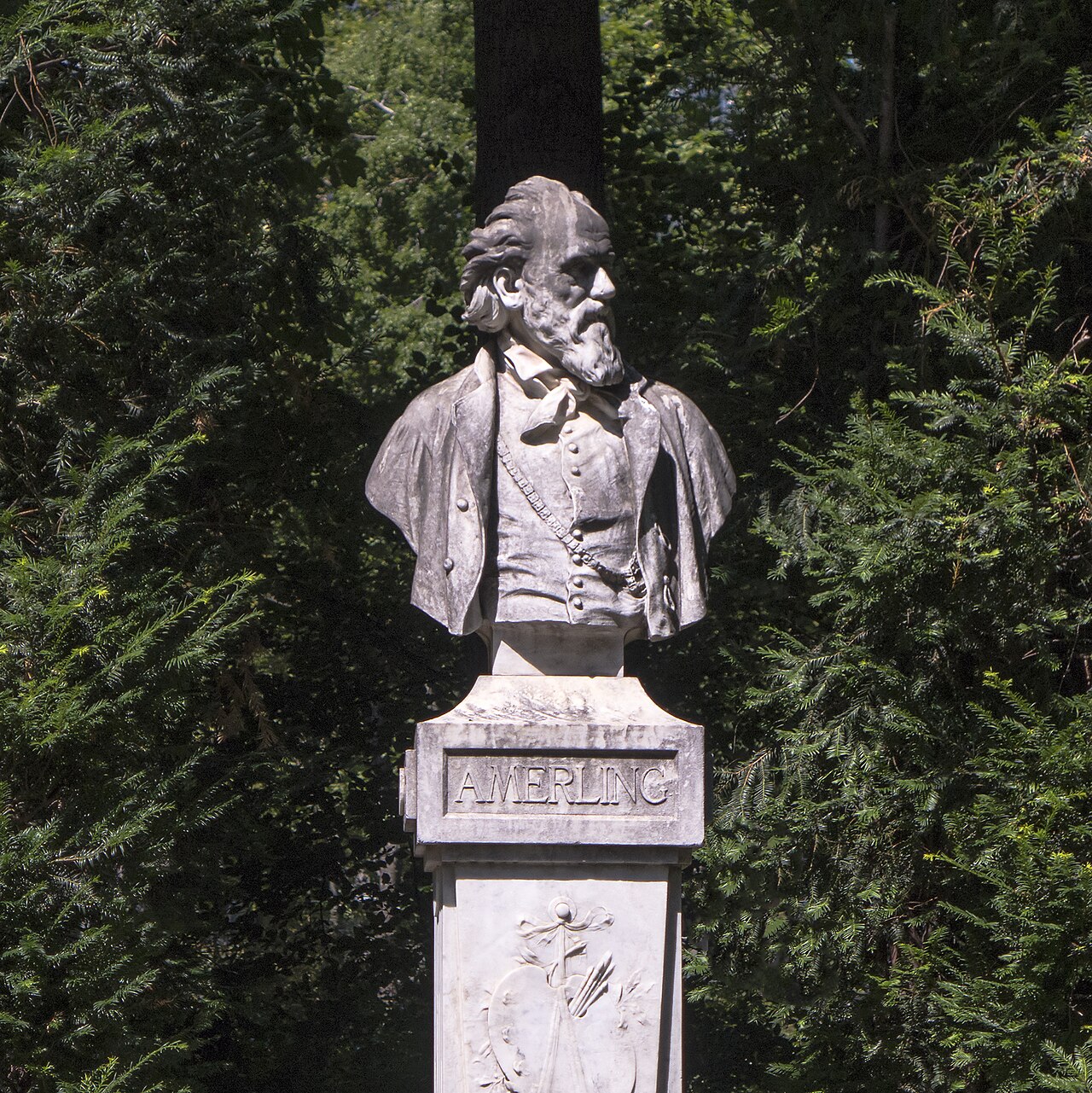
The Strauss monument sits near the park's Ringstrasse-side entrance, close to the Kursalon Hübner, a concert hall built in 1867 that today hosts nightly Strauss and Mozart concerts aimed at visitors. Around the wider park, English-landscape lawns, ponds and mature trees carry further monuments to Austrian composers and painters — Franz Schubert (1872), Anton Bruckner, the painter Emil Jakob Schindler and the portraitist Hans Canon among them — spread out rather than grouped, so finding all of them means a proper walk of the grounds.
The Wien river runs partly open and partly channelled through the park; its banks and footbridges are part of the walking route rather than a separate attraction. Ornamental ponds and a small stream complete the landscape design, and a children's playground sits toward the park's Landstraße side, away from the monument cluster on the Ringstrasse edge.
Checked 2026-08-20 · Source
Thirty minutes for the Strauss monument and the nearest paths, up to ninety minutes to walk the full park and see the other composer monuments. A concert at the Kursalon is a separate, ticketed evening, typically an hour or more.
Checked 2026-08-20 · Source
A city park works at any hour it's open, but early morning or early evening avoids the crowd that gathers around the Strauss statue during the day — it is one of the most consistently visited single spots in Vienna and rarely photographed empty. Spring and early summer show the park at its greenest, while autumn colour along the Wien river banks is a quieter alternative for a visit outside the peak tourist season.
Checked 2026-08-20 · Source
Free, and open year-round with no gate for the park itself. The Kursalon concerts are separately ticketed and current prices are not reproduced here; check the Kursalon's own site before booking. Outdoor summer concerts are also sometimes staged elsewhere in the park on a temporary basis, and those follow their own separate ticketing when they run.
Checked 2026-08-20 · Source
On the Ringstrasse between the Innere Stadt and Landstraße, a short walk from Stadtpark U-Bahn station (U4), which sits directly at the park's edge, or from the Ringstrasse tram lines. The Schwarzenbergplatz side of the park is also within easy walking distance of Karlsplatz, another major U-Bahn interchange, making the park a natural stop on foot between the two stations rather than a detour.
Checked 2026-08-20 · Source
The Strauss monument draws a permanent crowd for photographs in front of it during the day, particularly with tour groups; going early or late avoids the wait. The other composer monuments are unmarked on casual signage and spread across the park, so a visitor looking only for the Strauss statue will walk past most of them without noticing. The park has no single entrance or gate, so arriving from the wrong side can mean a longer walk to reach the Strauss monument than expected. Stadtpark and Volksgarten are sometimes confused because both sit close to the Ring and both carry the word "garden" in English translation — they are on opposite sides of the Innere Stadt and are laid out in opposite styles, so mixing them up on a map means a long, unplanned walk.
Checked 2026-08-20 · Source
The Strauss monument, gilded and lit by direct sun through the afternoon, shot straight on through its stone arch, is the standard image and the reason most visitors come. The Kursalon building and the footbridges over the Wien river give a quieter, greener alternative away from the crowd at the statue.
Checked 2026-08-20 · Source
Yes, the park itself has no gate or ticket; only the Kursalon concerts are paid.
It is gilded bronze, unveiled in 1921 by sculptor Edmund Hellmer, and the gilding is original to the design rather than a later addition.
Franz Schubert, Anton Bruckner, the painter Emil Jakob Schindler and the portraitist Hans Canon each have a monument spread across the grounds.
Yes, it sits at the Ringstrasse edge near the Strauss monument and hosts nightly ticketed concerts.
Stadtpark station on the U4 line sits directly at the park's edge.
The area immediately around the Strauss monument is consistently crowded during the day; the rest of the park is much quieter.
Loading the interactive map…
The interactive map could not be loaded.
Last updated:
Source: OpenStreetMap contributors, Wikidata ·