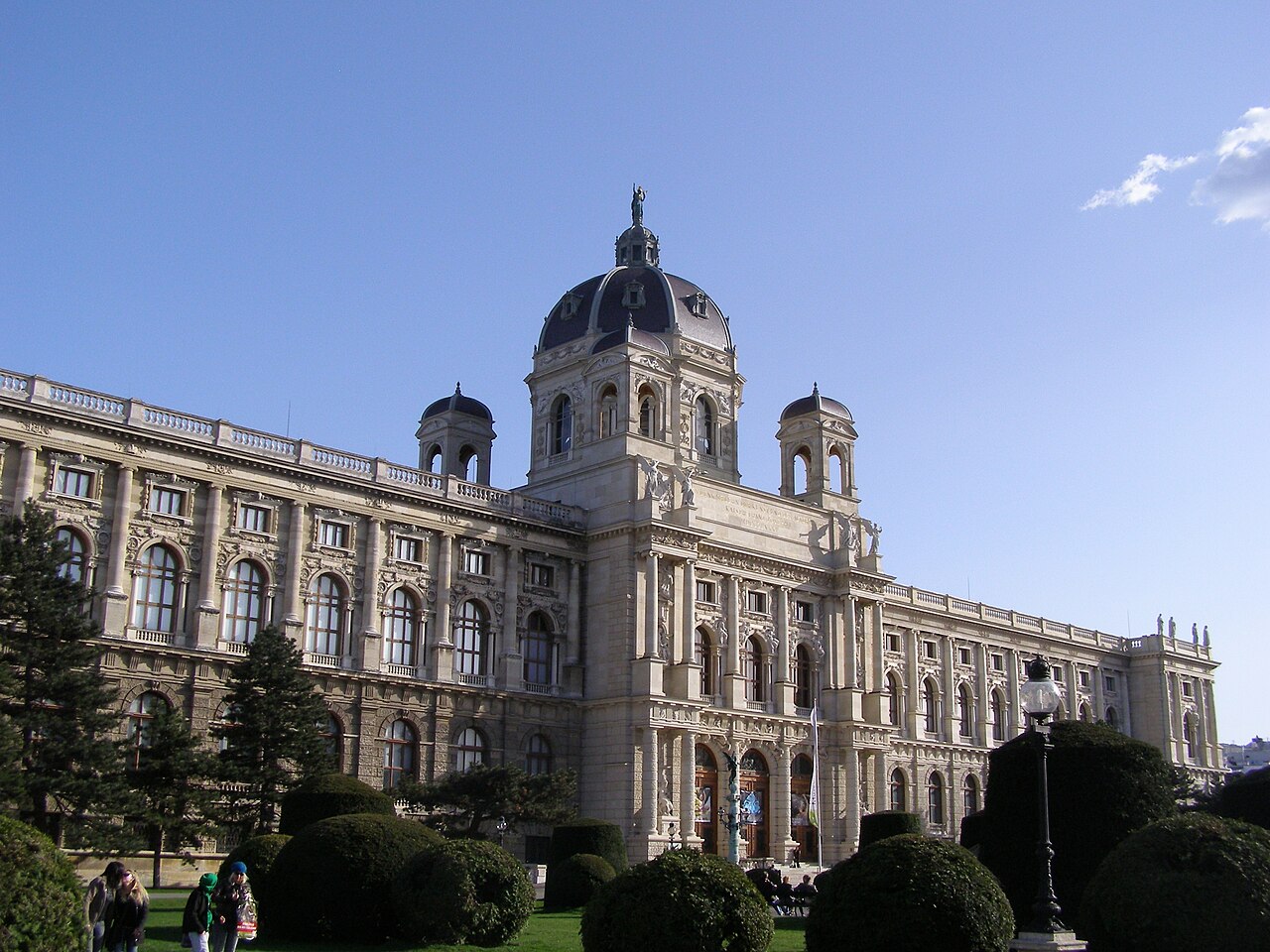
Kunsthistorisches Museum is Vienna’s imperial art museum, built as a purpose-made home for the Habsburg collections on Maria-Theresien-Platz. Gottfried Semper and Karl von Hasenauer designed it between 1871 and 1891, and it opened in 1891. Its 60-metre octagonal dome and ceremonial interiors make the building part of the visit. The museum faces the separate Natural History Museum across the square, forming one of the Ringstrasse’s defining compositions. The collection’s setting is therefore not incidental: grand architecture, dynastic history and public art are presented together in a building designed for imperial holdings.
Start in the Picture Gallery, whose exceptional strength is Pieter Bruegel the Elder: this is the world’s largest collection of his work. Vermeer, Raphael, Caravaggio and Velázquez give the galleries wider range, while the Kunstkammer holds Benvenuto Cellini’s Saliera among Habsburg treasures. Egyptian, Greek and Roman antiquities and a substantial coin collection broaden the museum beyond painting. Before leaving the entrance route, look up at Gustav Klimt’s early paintings in the grand staircase spandrels above the arcade. The result is a collection that moves from monumental court art to intimate luxury objects without leaving the same historic building.
Allow about three hours for a worthwhile first visit, with roughly two hours devoted to the Picture Gallery. The Bruegel room can absorb forty minutes by itself if you compare the landscapes and seasonal scenes carefully. Treat the Kunstkammer as a second museum rather than a quick annex: the Saliera and surrounding Habsburg objects reward slower looking. If your time is limited to one hour, choose the Picture Gallery and the grand staircase, then return for the antiquities and Kunstkammer on a longer visit. The dome, staircase and café also deserve time before you leave, because the museum is more than a sequence of picture rooms.
The recorded weekly schedule makes Friday the useful late-opening option: the museum remains open until 21:00, while it closes at 18:00 on the other recorded opening days. Monday is the regular closed day. For a calmer final section, arrive late enough to spend the last two hours in the galleries, but leave time for the building itself. Spring and autumn also make Maria-Theresien-Platz pleasant between museum visits; in winter, the warm interiors are a strong reason to stay longer. A Friday arrival can also combine the museum with an evening walk along the Ring, while the square offers a natural pause before or after the galleries.
Admission is recorded at €24 per person. That fee is for the Kunsthistorisches Museum; the identical-looking Natural History Museum opposite is a separate institution with its own ticket. The museum’s combined-ticket arrangements can include other imperial collections, so check the exact product when planning a multi-site day. The practical distinction is simple: do not cross Maria-Theresien-Platz assuming one building ticket covers both museums. The €24 figure is the recorded general admission amount, so budget for each person entering this museum separately from any visit to its twin.
The museum is in Vienna’s Innere Stadt on Maria-Theresien-Platz, beside the Ring and opposite MuseumsQuartier. Volkstheater, served by U2 and U3, and Museumsquartier on U2 are each about a two-minute walk away. Ring trams 1, 2, D and 71 stop at Burgring outside. Vienna’s U-Bahn runs from about 05:00 to 01:00, with all-night weekend service, making the central location practical for an evening Friday visit. The two nearby U-Bahn stops are useful arrival choices from different parts of Vienna, and the tram stop puts visitors directly beside the museum quarter’s monumental square.
Check the Monday closure before setting out, then distinguish the museum from its Natural History Museum twin across the square. Large bags are not admitted, and the cloakroom is busiest around opening. The Klimt paintings are high in the grand staircase spandrels, so pause midway and look above the arcade rather than only at eye level. Flash-free photography is allowed in the permanent collection, but temporary exhibitions may impose their own rules. Visitors should also allow time to orient themselves inside the large ceremonial building: rushing straight to one famous painting makes it easy to miss the staircase works and the transition to the Kunstkammer.
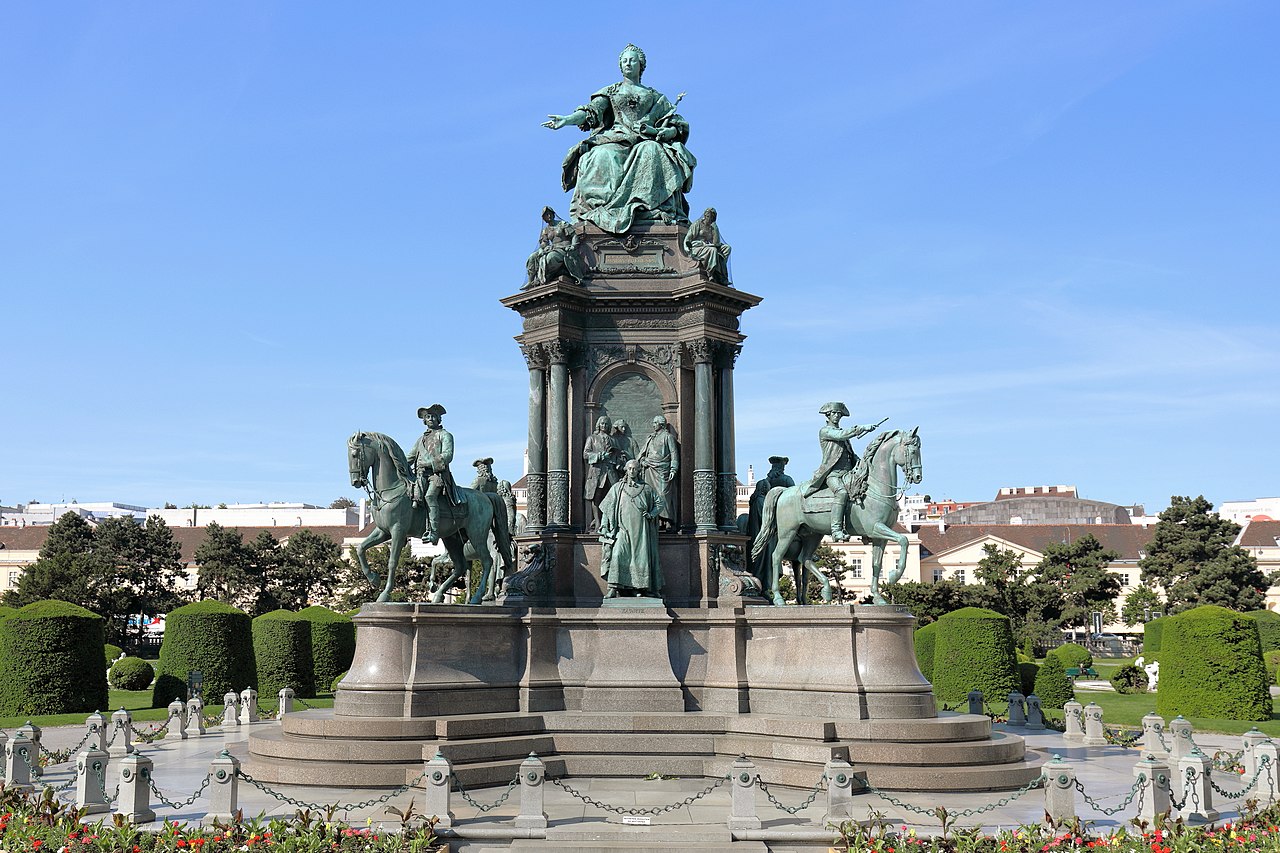
Photograph the architecture first: the grand staircase, marble and gold-leaf halls, and the café beneath the dome provide stronger images than hurried record shots of paintings. The Klimt spandrels are high and small, so a longer lens helps. Outside, stand near the centre of Maria-Theresien-Platz to align the museum, its twin and the Maria Theresa monument; late-afternoon light can bring out the symmetry. Keep flash off and follow any temporary-exhibition restrictions. The building’s axial views work best when the camera is held level, while the staircase encourages upward compositions that include the arcade and dome together.
It is especially known for the world’s largest collection of Pieter Bruegel the Elder, alongside works by Vermeer, Raphael, Caravaggio and Velázquez, plus Cellini’s Saliera in the Kunstkammer.
When was the museum built?
Gottfried Semper and Karl von Hasenauer designed it between 1871 and 1891. It opened in 1891, and its octagonal dome rises 60 metres.
Is the identical building next door the same museum?
No. The building across Maria-Theresien-Platz is Vienna’s Natural History Museum, a separate institution with its own admission ticket. The two buildings were designed as a paired composition.
What is the Saliera?
The Saliera is Benvenuto Cellini’s gold salt cellar, made for Francis I of France. It is displayed in the Kunstkammer with other Habsburg treasures.
Are there Klimt paintings in the museum?
Yes. Gustav Klimt’s early paintings appear in the grand staircase spandrels above the arcade, where they are easy to miss unless you deliberately look upward.
How long should a visit take?
Plan about three hours: roughly two for the Picture Gallery, with additional time for the Kunstkammer, Saliera, staircase and antiquities.
Nothing non-essential is set before you choose, in regions where consent is required. If you decline, ads still appear and analytics is switched off entirely.