.JPG)
1 min walk · Innere Stadt
Palais Erzherzog Albrecht
- Must see
- Historic monument
Language · 11 published
Museum · Innere Stadt, Vienna
Reviewed by Elena Voss · Roavina Travel Editor
| Monday | 10:00 – 18:00 |
|---|---|
| Tuesday | 10:00 – 18:00 |
| Wednesday | 10:00 – 21:00 |
| Thursday | 10:00 – 18:00 |
| Friday | 10:00 – 21:00 |
| Saturday | 10:00 – 18:00 |
| Sunday | 10:00 – 18:00 |
Checked 2026-08-31 · Source
Read from the OpenStreetMap access tags; anything not listed has no tag recorded.
Set the group type to family in the planner and the day window contracts to about three quarters of a solo day.
This place is a Museum. It was established in 1776. It was designed by Emanuel Silva-Tarouca. It is run by Bundesmuseen Austria.
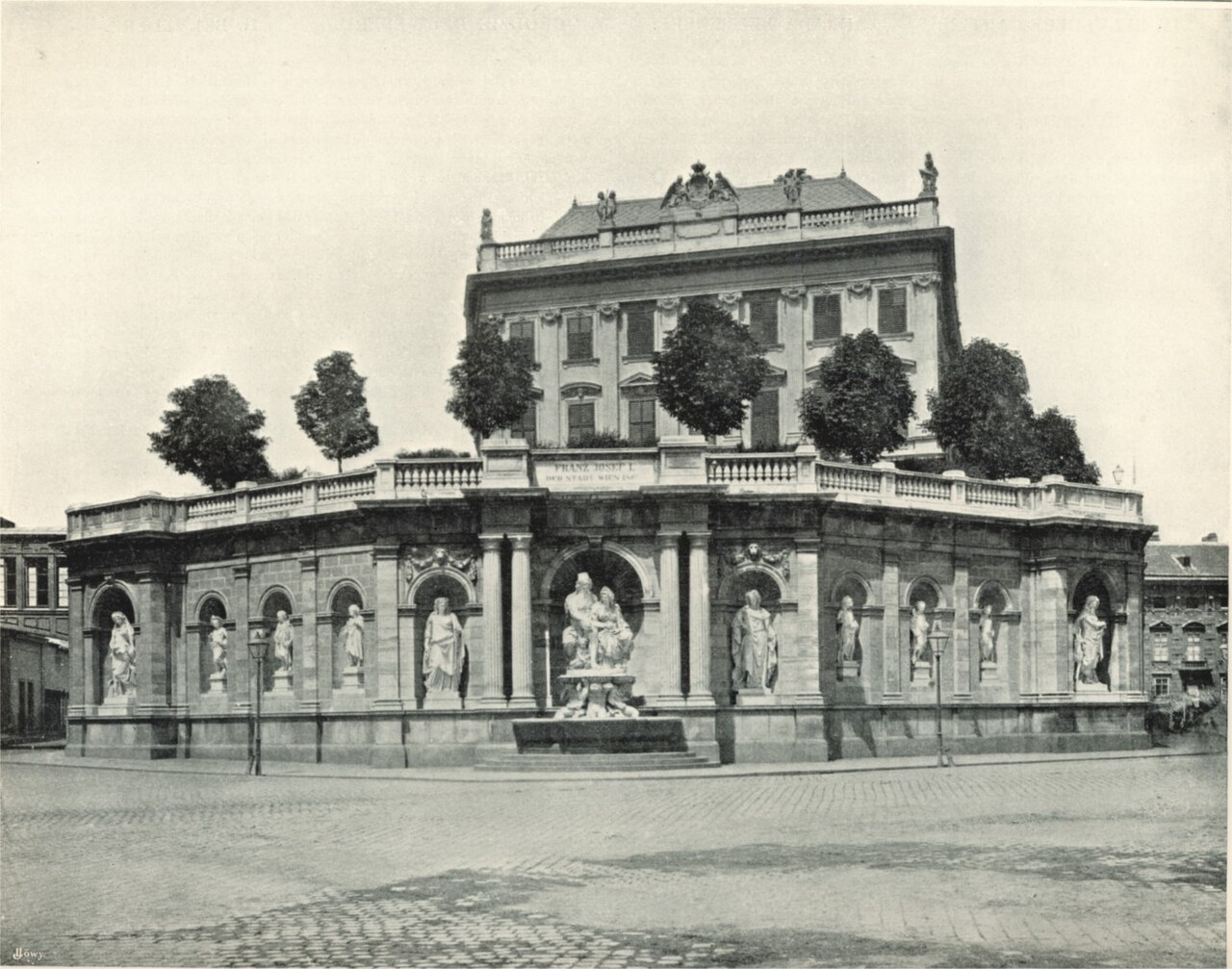
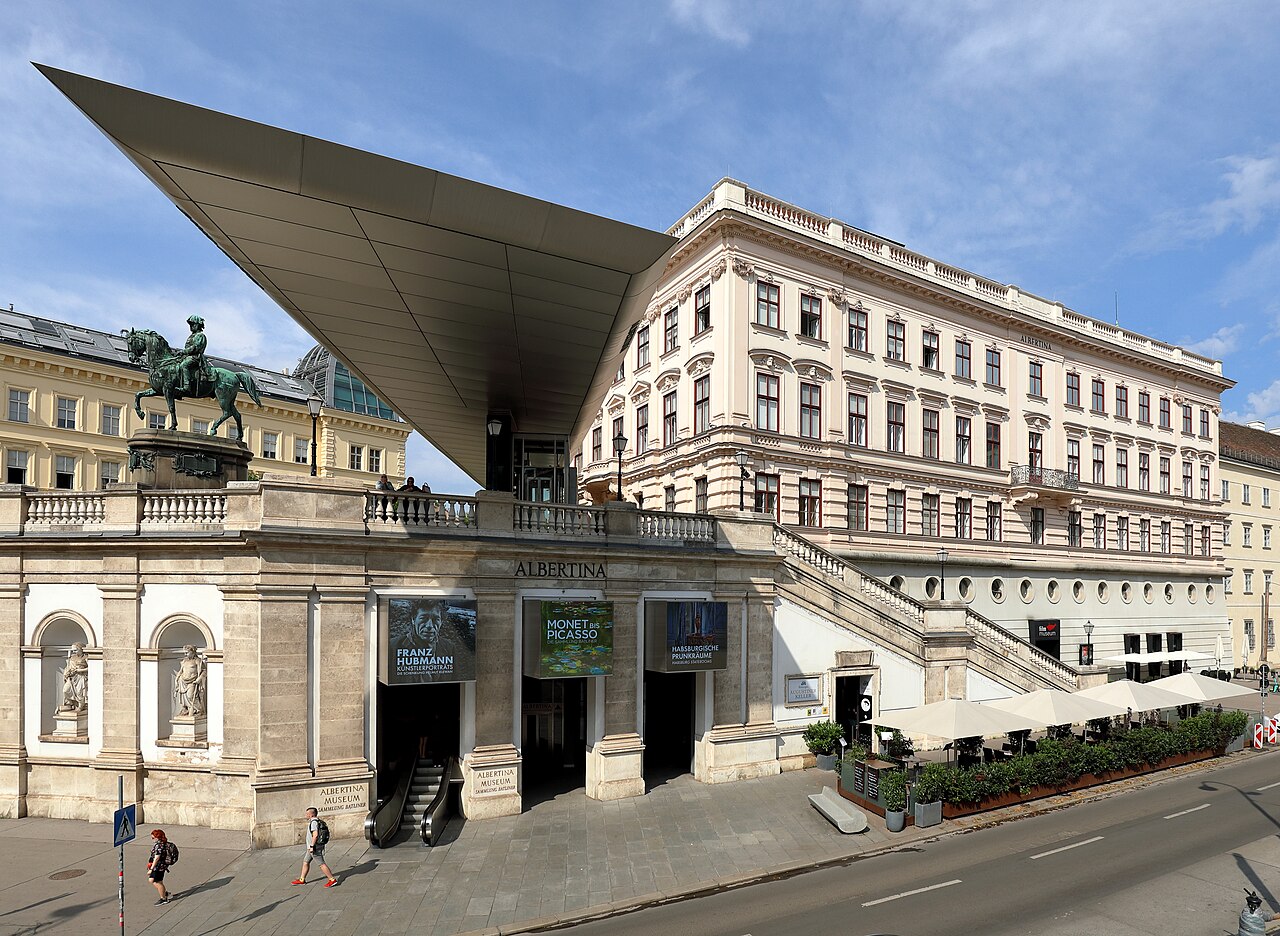
Albertina is a museum in a former Habsburg palace above Albertinaplatz, immediately behind Vienna’s State Opera. Its setting on the surviving city-wall bastion gives the visit a distinctive shape: you move from an elevated urban terrace into historic palace rooms and galleries devoted especially to works on paper. Duke Albert Casimir founded the collection in 1776, and the institution now brings together about 65,000 drawings, roughly one million old master prints, photography and architectural drawings. The result is both a grand historic interior and a substantial collection museum, with central Vienna visible from the terrace.
Checked 2026-09-02 · Source
The piano nobile contains Habsburg state rooms with gilded decoration, formal proportions and courtly interiors, so the building itself is an important part of the experience. The galleries present changing selections from the collection, including drawings, prints, photography and architectural studies. Leonardo’s study for the Last Supper, dating from about 1495, belongs to the collection, while Dürer’s 1502 Young Hare is shown only occasionally because its watercolour is highly light-sensitive. Albertina Modern and Albertina Klosterneuburg are separate venues, not additional rooms in this palace, and they require separate planning.
Checked 2026-09-02 · Source
Allow around two hours for a balanced visit covering the Habsburg state rooms, the exhibitions on display and the terrace. A focused visit of about forty minutes can give you the palace interiors and the main atmosphere of the building, while a longer stay leaves time for labels, changing galleries and a pause outdoors. Temporary exhibitions may justify more time, particularly when you want to follow a theme carefully. The exact gallery sequence changes with the programme, so the most useful approach is to treat the state rooms and terrace as fixed anchors and let the current displays determine the remainder of your visit.
Checked 2026-09-02 · Source
Albertina is open from 10:00 to 18:00 on Monday, Tuesday, Thursday, Saturday and Sunday, and from 10:00 to 21:00 on Wednesday and Friday. The late-opening evenings are useful when you want to place the museum after a daytime walk through the Innere Stadt. Season matters less than the exhibition programme, because drawings and prints rotate to reduce light exposure. Afternoon also suits the terrace, while the palace interiors make Albertina a dependable indoor stop in colder weather. The current programme determines whether a short daytime visit or a longer evening visit is the better fit.
Checked 2026-09-02 · Source
Admission for the Albertina museum is recorded as €20.90 per person. That paid entry covers the interior museum visit, including the palace rooms and galleries. The terrace on top of the bastion is free, so you can enjoy the State Opera and central-city views without buying museum admission, but terrace access is not entry to the exhibitions. Albertina Modern and Albertina Klosterneuburg are separate venues with separate admission arrangements. If you want to visit more than one site, plan them as distinct stops and use the operator’s ticket information for the relevant location.
Checked 2026-09-02 · Source
Albertina stands on Albertinaplatz in Vienna’s Innere Stadt, behind the State Opera. From Karlsplatz, served by U1, U2 and U4, the walk takes about three minutes through the opera passage. From Stephansplatz, served by U1 and U3, allow about five minutes along Kärntner Straße. The central position makes the museum easy to combine with the Opera, Kärntner Straße and the Hofburg on foot. The opera passage is the most direct walking link from Karlsplatz, while Kärntner Straße gives a straightforward approach from Stephansplatz and leads through one of the city centre’s busiest pedestrian routes.
Checked 2026-09-02 · Source
Do not make Dürer’s Young Hare the sole reason for your visit: the 1502 watercolour is highly light-sensitive and may be displayed only briefly or occasionally. The Habsburg state rooms are the more dependable permanent element, while the works-on-paper galleries change. Keep Albertina Modern and Albertina Klosterneuburg separate from this palace in both route and admission planning. A visit centred on a particular artist or object should allow for the changing exhibition arrangement. Albertina is most reliable as a combination of historic interiors, current galleries and the terrace, rather than as a guaranteed checklist of famous individual works.
Checked 2026-09-02 · Source
The terrace is Albertina’s clearest place for a city photograph, looking towards the State Opera and along the Ring from the old bastion. Inside, the Habsburg state rooms offer gilded surfaces, palace details and carefully framed views through the historic interior. Drawings and prints are displayed behind glass in low light, and photography is usually excluded in those galleries for conservation. Exhibition rules can vary by room, so follow the signs before photographing artworks. A good visual sequence is to begin with the broad skyline from the terrace, then move indoors for architectural details and the changing atmosphere of the former palace.
Checked 2026-09-02 · Source
Only occasionally. Dürer’s 1502 watercolour on paper is highly light-sensitive, so Albertina does not keep it permanently on display.
Albertina holds about 65,000 drawings and roughly one million old master prints, as well as photography and architectural drawings. Duke Albert Casimir founded the collection in 1776.
The Habsburg state rooms on the piano nobile are the dependable permanent part. Drawings and prints rotate because prolonged light exposure can damage them.
No. Albertina Modern opened in 2020 as a separate contemporary-art venue at another address, with separate admission. Albertina Klosterneuburg is also distinct.
Yes. The terrace on top of the bastion can be entered without the €20.90 museum admission and looks towards the State Opera and along the Ring.
The supplied visitor figure is 1,037,347 for 2025. The quieter period identified in the research is a weekday late-opening evening, especially Wednesday or Friday.
Loading the interactive map…
The interactive map could not be loaded.
Last updated:
Source: OpenStreetMap contributors, Wikidata ·