Museum of Tomorrow
Museu do Amanhã
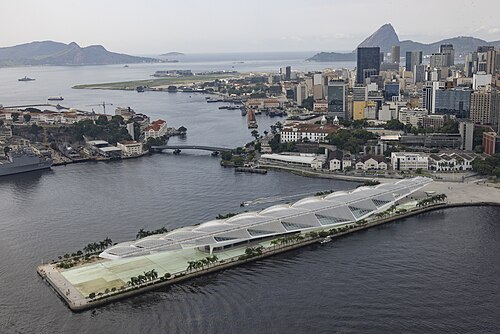
The Museum of Tomorrow, known locally as Museu do Amanhã, is a science museum situated on the Mauá waterfront in Rio de Janeiro's Porto Maravilha district.
- Must see
- Museum
City guide · Brazil
Rio de Janeiro stretches between mountains, bays and the Atlantic, so its famous sights belong to distinct zones. Centro and the port hold historic and cultural...
Photograph · Rafael Rabello de Barros · CC BY-SA 3.0
Set your days, your pace and the hours you actually want to be out. The planner works around closing days and travel time, and leaves room to eat.
Editorial responsibility: Elena Voss · Roavina Travel Editor
Rio de Janeiro stretches between mountains, bays and the Atlantic, so its famous sights belong to distinct zones. Centro and the port hold historic and cultural institutions; Santa Teresa and Lapa rise beside them; Botafogo and Urca lead toward Sugarloaf; and Copacabana, Ipanema and Leblon form the southern beach corridor. Tijuca Forest and western beaches require separate journeys. Grouping each day by zone avoids repeated cross-city travel.
Checked 2026-08-26
November · November warms Rio de Janeiro to 27.4°C by day and brings 95.6 mm of rain over 11 days.
Ranked by importance — sitelinks, pageviews and heritage status, not editor preference.
19 places match
Category
Typical visit duration
Good for
Interests
Museu do Amanhã
The Museum of Tomorrow, known locally as Museu do Amanhã, is a science museum situated on the Mauá waterfront in Rio de Janeiro's Porto Maravilha district.
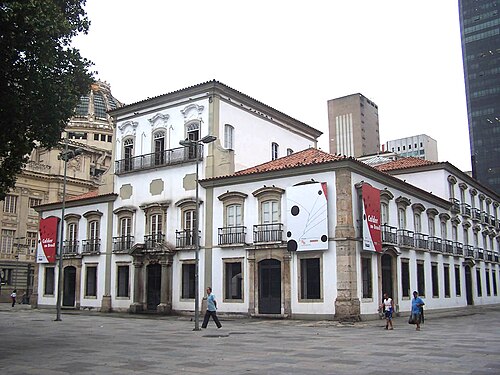
Paço Imperial is a historic palace in Rio de Janeiro's Centro district, facing Praça XV de Novembro. It served as the colonial vice-regal residence, later becoming the seat of the Portuguese royal court and the Brazilian imperial family.
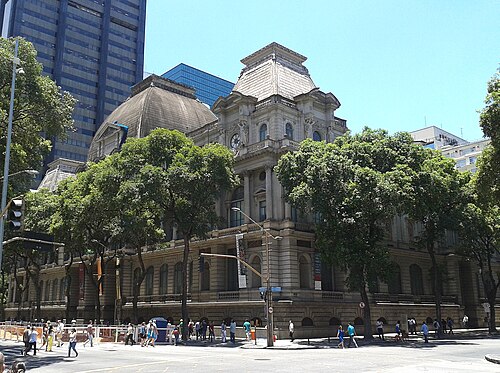
The National Museum of Fine Arts, locally known as Museu Nacional de Belas Artes, stands as Brazil's premier institution for visual arts. Located in Cinelândia, central Rio de Janeiro, it occupies a monumental building that anchors this historic cultural square.
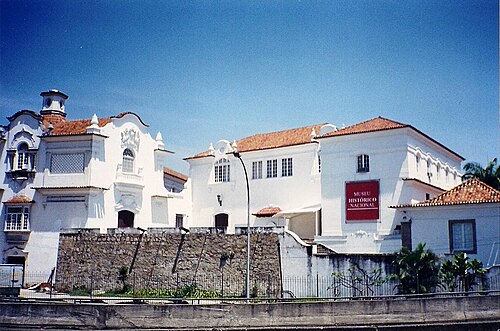
Museu Histórico Nacional
The National Historical Museum, locally known as Museu Histórico Nacional, occupies a former colonial fort and arsenal complex in central Rio de Janeiro. Its buildings represent layered military and imperial history spanning several centuries.
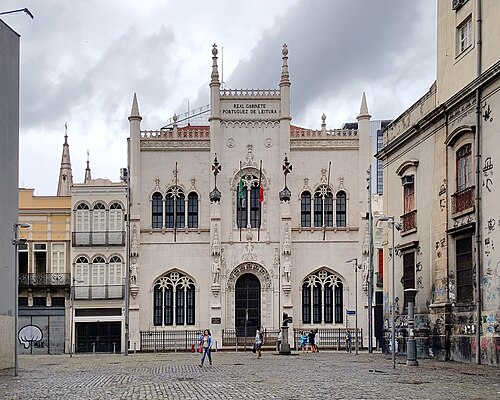
Real Gabinete Português de Leitura
The Real Gabinete Português de Leitura is a neo-Manueline library in downtown Rio de Janeiro. Founded in 1837 by Portuguese immigrants, the institution preserves cultural ties between Brazil and Portugal.
Museu de Arte Moderna (MAM)
The Museum of Modern Art Rio, locally Museu de Arte Moderna do Rio de Janeiro, is a modernist museum and gardens forming a major arts complex beside Flamengo Park.
Museu Carmem Miranda
Centro Cultural Banco do Brasil
Centro Cultural Banco do Brasil is a cultural institution housed in a historic building in downtown Rio de Janeiro. Formerly a bank headquarters, the neoclassical structure has been adapted for contemporary cultural use.
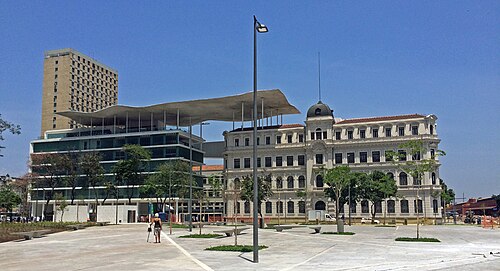
Museu de Arte do Rio
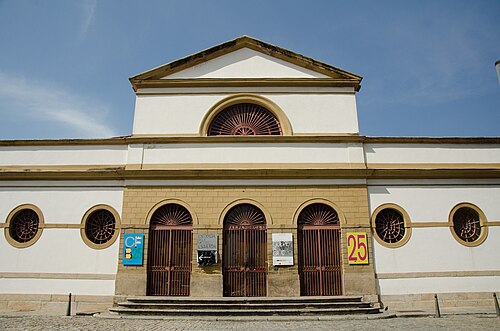
The Rio Art Museum, known locally as Museu de Arte do Rio, is a cultural institution situated in Rio de Janeiro's port zone.
Museu do Samba
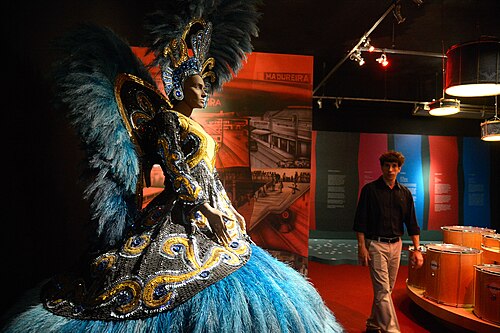
The Museu do Samba is a community-rooted museum located beside Mangueira, one of Rio de Janeiro's most storied samba schools. It documents the history and makers of samba, Brazil's iconic musical genre.
Pontal Museum is a purpose-built cultural institution in Barra da Tijuca dedicated to Brazilian popular art.
Museu da República
Museum of the Republic occupies the former Catete Palace in Flamengo. The neoclassical palace served as Brazil’s presidential residence from 1897 until 1960, and its rooms preserve the setting of national political life during that period.
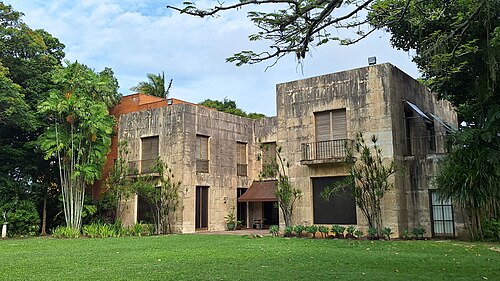
The Museum of Açude is a cultural institution within Rio de Janeiro's Tijuca Forest. It forms part of the Castro Maya Museums network, administered under Brazilian federal museum governance.
Museu Chácara do Céu
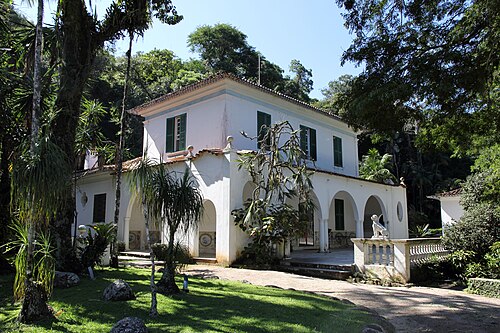
Chácara do Céu Museum is a former residence in Santa Teresa, one of Rio de Janeiro’s hillside neighborhoods. It belongs to the Castro Maya Museums network and combines a historic domestic setting with collections of Brazilian and European art.
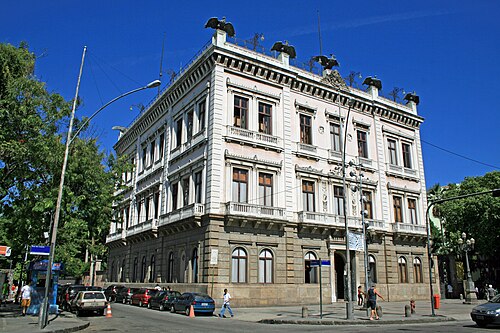
Casa Brasil is a state cultural centre in downtown Rio de Janeiro, housed in the former Casa França-Brasil. The operator changed the venue's name in 2025; older maps and travel pages may still use its previous name.
Museu da Vida
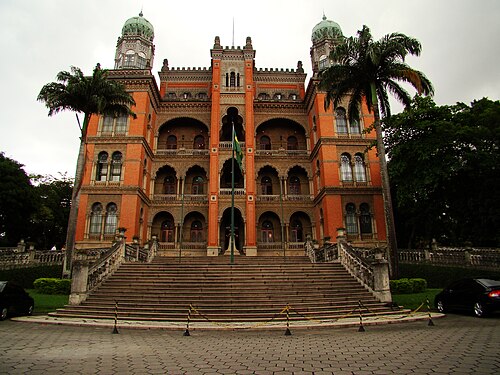
Museum of Life Fiocruz is an interactive science museum operated by the Oswaldo Cruz Foundation in Rio de Janeiro. The visit connects public health, biology, environmental science, and the history of Fiocruz, Brazil’s major public health research institution.
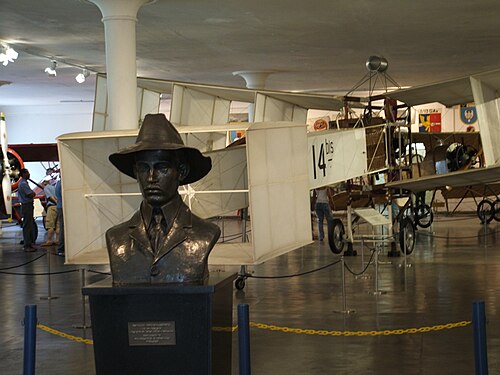
The Museu Aeroespacial, known in English as the Aerospace Museum, stands at Campo dos Afonsos in Rio de Janeiro. It serves as Brazil's principal institution dedicated to preserving and exhibiting the nation's aviation and aerospace heritage.
Museu Naval
Naval Museum is a downtown Rio de Janeiro museum devoted to Brazilian naval history. Operated by the Brazilian Navy, it places maritime heritage within reach of the central city and Guanabara Bay.
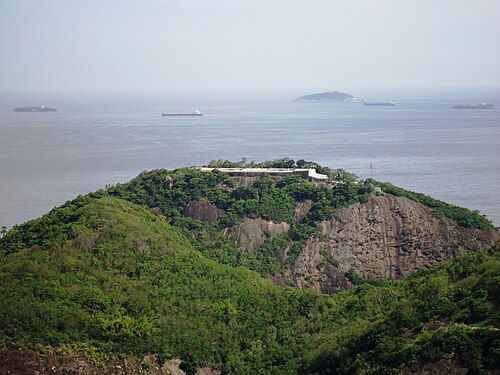
Duque de Caxias Fort stands on Morro do Leme above the eastern end of Copacabana Beach. The military fortification occupies a strategic height with views toward Copacabana and Guanabara Bay.
Centro, Praça Mauá and the Olympic Boulevard form the main museum and historic cluster. Lapa and Santa Teresa sit nearby but involve hills and different transport. Urca and Botafogo make a natural Sugarloaf day, while Copacabana, Ipanema, Arpoador and Leblon form one coastal sequence. Corcovado and Tijuca Forest need dedicated connections. Barra, Recreio and Prainha are much farther west than the South Zone beaches.
Checked 2026-08-26
Metro lines serve Centro and much of the South Zone, while VLT trams circulate through central and port areas. Buses, taxis, ferries and attraction-specific rail or van services complete the network. Hills, tunnels and water make straight-line distances misleading, so consult the official tourist map before combining districts. Use authorised access for Corcovado and other controlled attractions rather than assuming a normal city bus reaches the entrance.
Checked 2026-08-26
Centro, the South Zone beaches, Urca, Tijuca and western Rio are distinct travel zones
Suggested stay for a first visit: 4–5 days. Add time according to the zones and major attractions selected.
Metro and VLT cover useful corridors, with buses, ferries, taxis and attraction access completing journeys.
Copacabana, Ipanema, Arpoador and Leblon form a practical coastal sequence.
Barra and the western beaches are far from Centro and need a separate travel block.