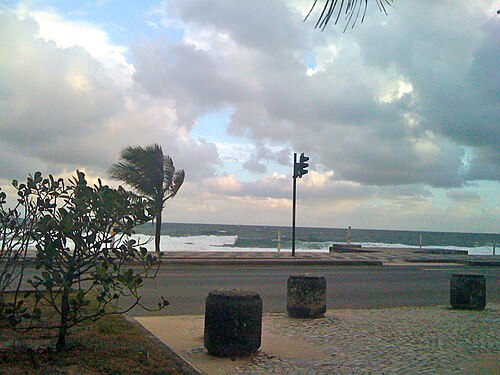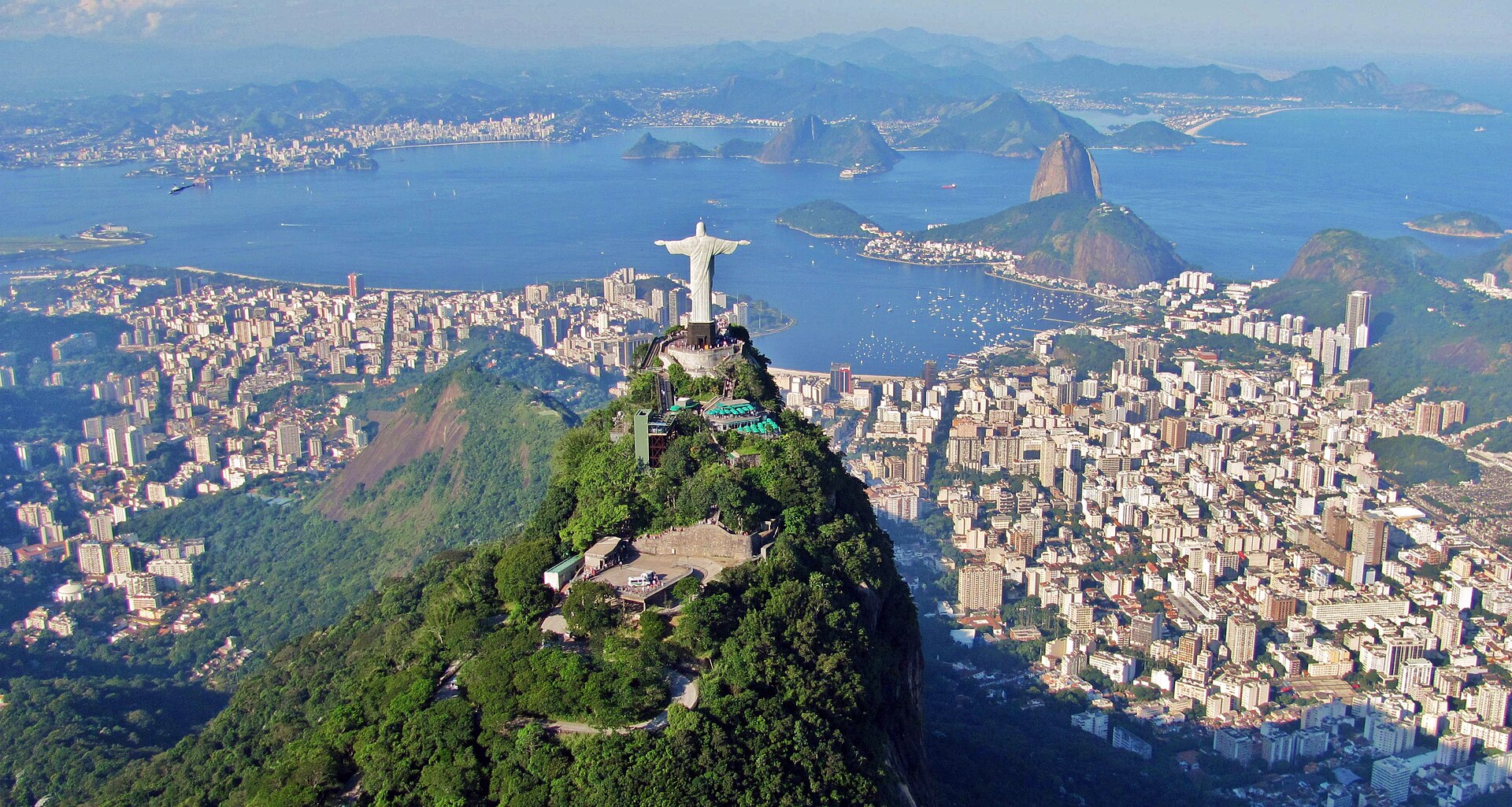
A photograph of Rio de Janeiro

City guide · Brazil

Up to 1 hour in Rio de Janeiro, Brazil — page 2

Rio de Janeiro stretches between mountains, bays and the Atlantic, so its famous sights belong to distinct zones. Centro and the port hold historic and cultural...

Photograph · Rafael Rabello de Barros · CC BY-SA 3.0

7,115 Places
Suggested stay
Not recorded
Getting around
Metro, VLT, bus, ferry and taxi

Turn this list into a plan

Set your days, your pace and the hours you actually want to be out. The planner works around closing days and travel time, and leaves room to eat.

Plan Rio de Janeiro

Reviewed by Elena Voss · Roavina Travel Editor

Rio de Janeiro stretches between mountains, bays and the Atlantic, so its famous sights belong to distinct zones. Centro and the port hold historic and cultural institutions; Santa Teresa and Lapa rise beside them; Botafogo and Urca lead toward Sugarloaf; and Copacabana, Ipanema and Leblon form the southern beach corridor. Tijuca Forest and western beaches require separate journeys. Grouping each day by zone avoids repeated cross-city travel.

Checked 2026-08-26

Practical information

Language spoken
Portuguese
National practical orientation; regional and minority languages may also be used
Dialling code
+55
International calling code; local area and mobile prefixes still apply
Currency
Brazilian real (BRL)
Use the official local currency; card acceptance varies by place
Emergency number
190 police · 192 ambulance · 193 fire
Use only for an emergency; tourist assistance may use a separate number
Plug type
Type N · 127 or 220 V by location
Check that chargers support the recorded voltage before using an adapter
Tap water
Not recorded
Voltage and water guidance must be checked for the destination

Planning a visit

September · September stays mild in Rio de Janeiro at a 25.0°C mean high, but rain increases to 87.1 mm over nine days.

  1. January: viable with meaningful trade-offs
  2. February: viable with meaningful trade-offs
  3. March: viable with meaningful trade-offs
  4. April: good time to visit
  5. May: best time to visit
  6. June: best time to visit
  7. July: best time to visit
  8. August: best time to visit
  9. September: good time to visit — current month
  10. October: good time to visit
  11. November: viable with meaningful trade-offs
  12. December: viable with meaningful trade-offs

Sources

Top things to see

Ranked by importance — sitelinks, pageviews and heritage status, not editor preference.

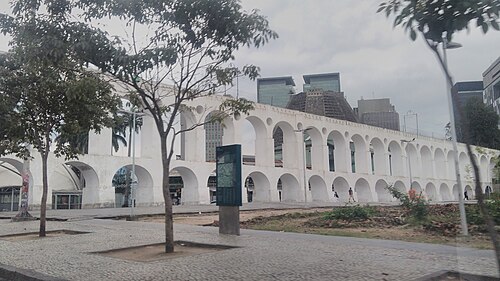
  1. Carioca Aqueduct Carioca Aqueduct
    07 45 min

    Carioca Aqueduct

    Arcos da Lapa

    The Arcos da Lapa is a colonial-era aqueduct in Rio de Janeiro's Lapa neighbourhood. This monumental structure comprises two tiers of arches that originally served as a water supply system for the city.

    • Must see
    • Historic monument
  2. Parque Lage Parque Lage
    08 1 hour

    Parque Lage

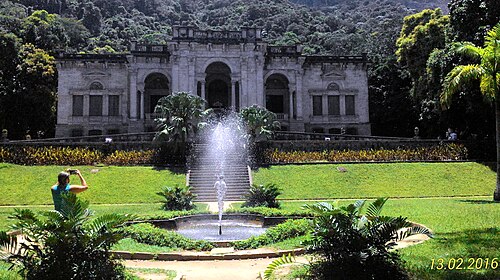
    Parque Henrique Lage

    Parque Lage is a public park at the edge of Tijuca Forest in Rio de Janeiro, Brazil. It centres on a historic mansion that houses a visual-arts school, the Escola de Artes Visuais do Parque Lage.

    • Must see
    • Nature site
  3. Teatro Municipal Teatro Municipal
    09 1 hour

    Teatro Municipal

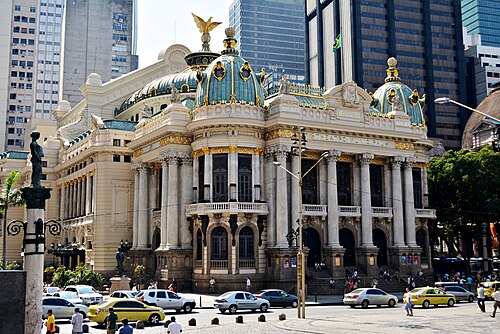
    Theatro Municipal

    The Theatro Municipal do Rio de Janeiro is Rio de Janeiro's principal opera house and one of the defining Beaux-Arts monuments of the Cinelândia district.

    • Must see
    • Art and culture venue
  4. National Library of Brazil National Library of Brazil
    10 45 min

    National Library of Brazil

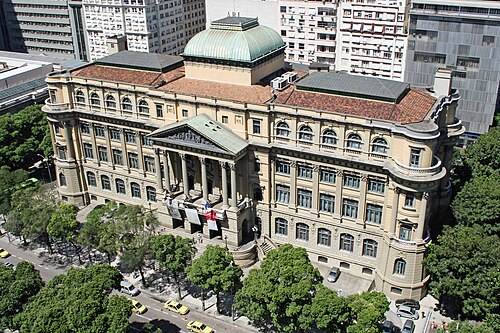
    Biblioteca Nacional

    The National Library of Brazil, or Biblioteca Nacional do Brasil, stands as a major cultural institution in Rio de Janeiro.

    • Must see
    • Historic monument
  5. Mosteiro de São Bento Mosteiro de São Bento
    11 30 min

    Mosteiro de São Bento

    Igreja e Mosteiro de São Bento

    The Monastery of Saint Benedict, known locally as Mosteiro de São Bento, is a hilltop Benedictine monastery in Rio de Janeiro. Founded by Benedictine monks, it stands as one of the most significant colonial religious institutions in the city.

    • Must see
    • Place of worship
  6. Candelária Church Candelária Church
    12 30 min

    Candelária Church

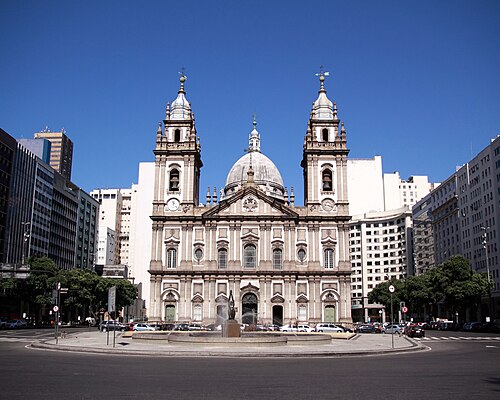
    Igreja de Nossa Senhora da Candelária

    The Candelaria Church, known locally as Igreja de Nossa Senhora da Candelária, is a monumental domed church marking the northern approach to Rio de Janeiro's historic centre.

    • Must see
    • Place of worship
  7. Rio de Janeiro Cathedral Rio de Janeiro Cathedral
    13 30 min

    Rio de Janeiro Cathedral

    Catedral de São Sebastião

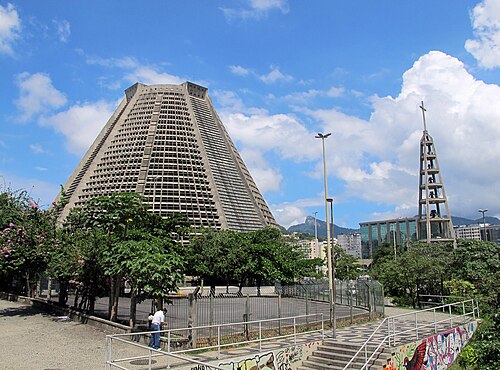
    The Metropolitan Cathedral of Saint Sebastian, known locally as Catedral Metropolitana de São Sebastião, is a Roman Catholic cathedral in Rio de Janeiro.

    • Must see
    • Place of worship
  8. Fiscal Island Fiscal Island
    14 45 min

    Fiscal Island

    Ilha Fiscal

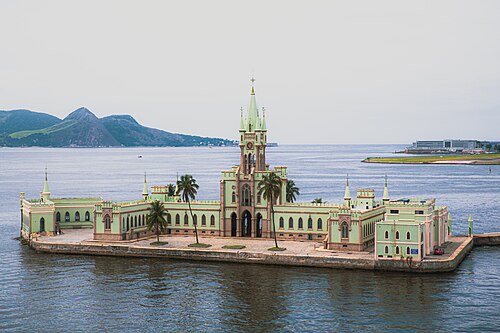
    Ilha Fiscal is a small island in Guanabara Bay, Rio de Janeiro, notable for its distinctive neo-Gothic palace that formerly served as a customs house.

    • Must see
    • Historic monument
  9. Confeitaria Colombo Confeitaria Colombo
    15 1 hour

    Confeitaria Colombo

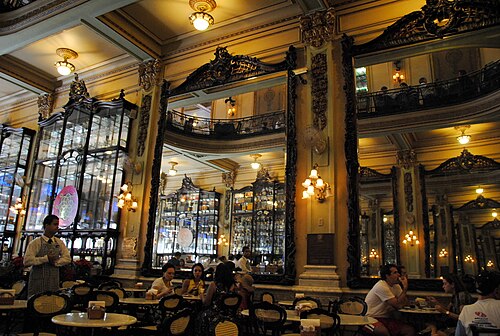
    Confeitaria Colombo is a historic café and confectionery in downtown Rio de Janeiro, widely recognised as the city's most celebrated Belle Époque establishment. Founded in 1894, it occupies a prominent position on Rua Gonçalves Dias.

    • Must see
    • Restaurant or café
  10. Praça XV de Novembro Praça XV de Novembro
    16 1 hour

    Praça XV de Novembro

    Praça Quinze de Novembro

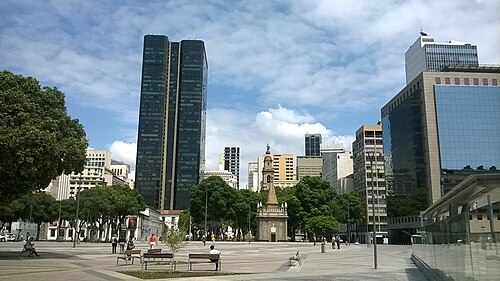
    Fifteenth of November Square, or Praça XV de Novembro, is a historic public square in Rio de Janeiro’s Centro district. It stands beside Guanabara Bay and has long connected civic life, maritime movement and the city’s historic core.

    • Must see
    • Nature site
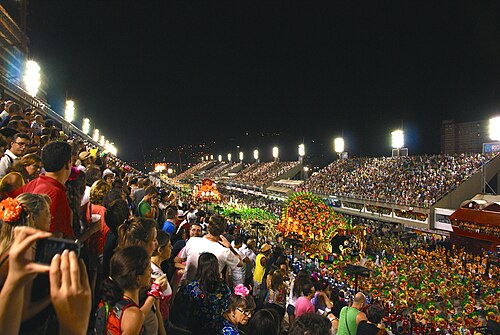
  11. Sambadrome Marquês de Sapucaí Sambadrome Marquês de Sapucaí
    17 45 min

    Sambadrome Marquês de Sapucaí

    Sambódromo da Marquês de Sapucaí

    The Sambódromo da Marquês de Sapucaí is a purpose-built parade avenue in Rio de Janeiro designed by architect Oscar Niemeyer.

    • Must see
    • Historic monument
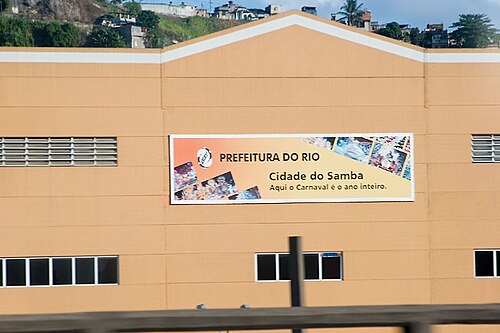
  12. Cidade do Samba Cidade do Samba
    18 45 min

    Cidade do Samba

    Samba City, known locally as Cidade do Samba, is a purpose-built complex in Rio de Janeiro dedicated to the preparation of Carnival floats and costumes.

    • Must see
    • Historic monument
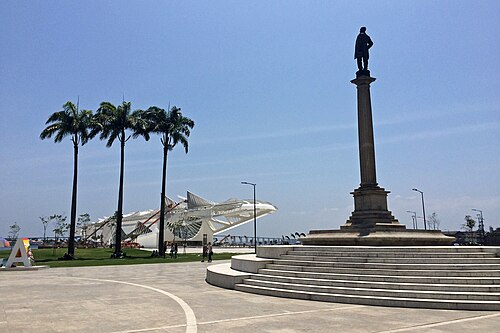
  13. Praça Mauá Praça Mauá
    19 1 hour

    Praça Mauá

    Praça Mauá is a renewed civic square in Rio de Janeiro's port zone, situated at the intersection of Avenida Rio Branco and Avenida Rodrigues Alves.

    • Must see
    • Nature site
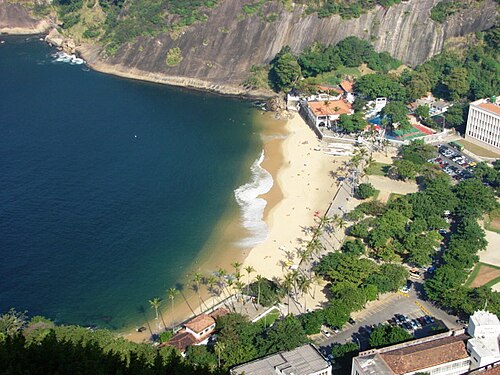
  14. Praia Vermelha Praia Vermelha
    20 1 hour

    Praia Vermelha

    Praia Vermelha, known in English as Red Beach, is a compact sheltered beach in Rio de Janeiro's Urca neighbourhood. It sits directly beneath the iconic Sugarloaf Mountain and Morro da Urca, two of the city's most recognisable landmarks.

    • Must see
    • Nature site
  15. Mirante Dona Marta Mirante Dona Marta
    21 20 min

    Mirante Dona Marta

    Dona Marta Viewpoint, or Mirante Dona Marta, is an elevated scenic overlook in Rio de Janeiro with a broad panorama across the city.

    • Must see
    • Viewpoint
  16. Vista Chinesa Vista Chinesa
    22 20 min

    Vista Chinesa

    Chinese View, or Vista Chinesa, is a pagoda-style observation pavilion in Rio de Janeiro’s Tijuca Forest. It honours the Chinese immigrants associated with the introduction of tea cultivation to Brazil in the early nineteenth century.

    • Must see
    • Viewpoint
  17. Pedra Bonita Pedra Bonita
    23 20 min

    Pedra Bonita

    Pedra Bonita is a granite summit in Rio de Janeiro’s Tijuca Forest National Park, above São Conrado and Barra da Tijuca. The mountain combines a natural viewpoint with a launch area for hang-gliding and paragliding.

    • Must see
    • Viewpoint
  18. Pedra da Gávea Pedra da Gávea
    24 20 min

    Pedra da Gávea

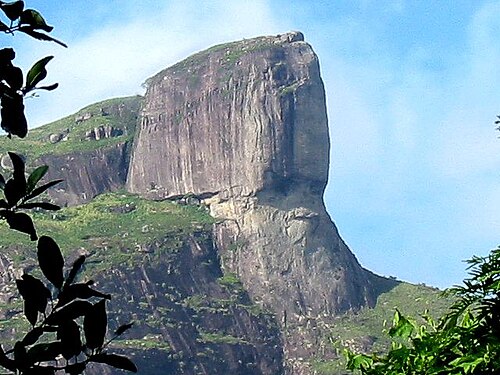
    Pedra da Gávea, or Gavea Rock, is a massive coastal monolith rising above Atlantic Forest on Rio de Janeiro’s western side.

    • Must see
    • Viewpoint
  19. Morro Dois Irmãos Morro Dois Irmãos
    25 1 hour

    Morro Dois Irmãos

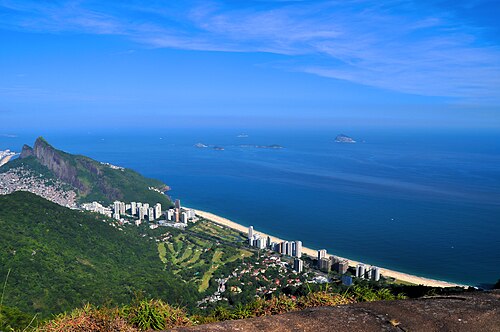
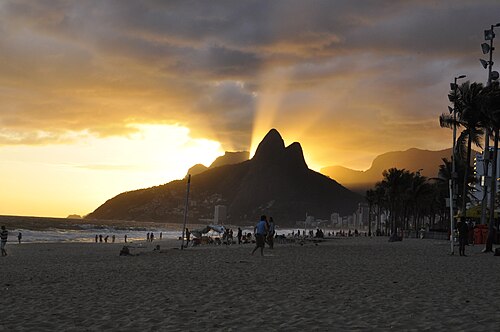
    Two Brothers Hill, known locally as Morro Dois Irmãos, is a prominent mountain peak in Rio de Janeiro's South Zone. The summit rises above the Vidigal favela and offers panoramic vistas of the city's famous coastline.

    • Must see
    • Nature site
  20. Pedra do Arpoador Pedra do Arpoador
    26 45 min

    Pedra do Arpoador

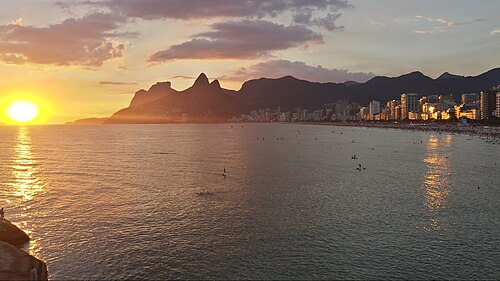
    Arpoador Rock, known locally as Pedra do Arpoador, is a rocky headland situated between two of Rio de Janeiro's most famous beaches: Copacabana and Ipanema.

    • Must see
    • Historic monument
  21. Praia do Leblon Praia do Leblon
    27 1 hour

    Praia do Leblon

    Praia do Leblon is an upscale beach in Rio de Janeiro's Zona Sul, forming the western continuation of Ipanema Beach.

    • Must see
    • Nature site
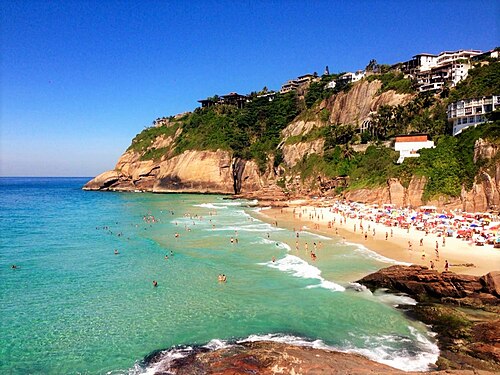
  22. Praia da Joatinga Praia da Joatinga
    28 1 hour

    Praia da Joatinga

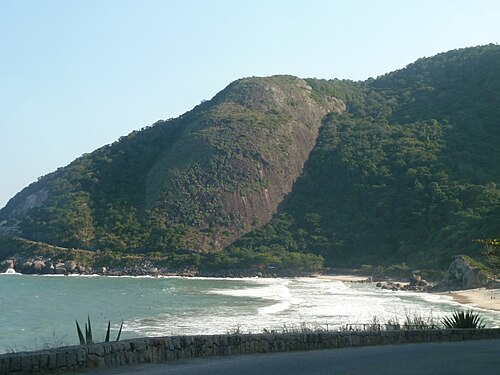
    Joatinga Beach is a small, secluded cove in Rio de Janeiro’s western zone, between São Conrado and Barra da Tijuca. Cliffs and coastal vegetation frame the sand, creating a quieter setting than Copacabana or Ipanema.

    • Must see
    • Nature site
  23. Barra da Tijuca Beach Barra da Tijuca Beach
    29 1 hour

    Barra da Tijuca Beach

    Praia da Barra da Tijuca

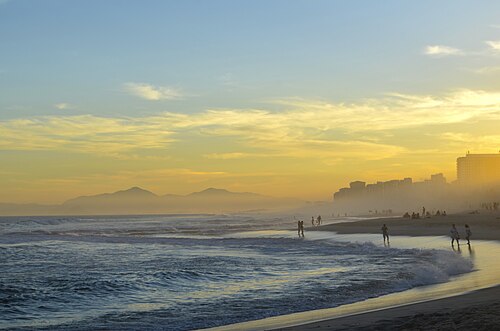
    Praia da Barra da Tijuca is Rio de Janeiro's longest urban beach, stretching along the West Zone and serving as the district's defining coastal feature.

    • Must see
    • Nature site
  24. Prainha Prainha
    30 1 hour

    Prainha

    Prainha is a compact crescent-shaped beach in Rio de Janeiro’s far western zone. Atlantic Forest vegetation covers the surrounding hills, giving the cove a distinctly wild setting compared with the city’s built-up waterfront.

    • Must see
    • Nature site
  25. Praia do Grumari Praia do Grumari
    31 1 hour

    Praia do Grumari

    Praia de Grumari

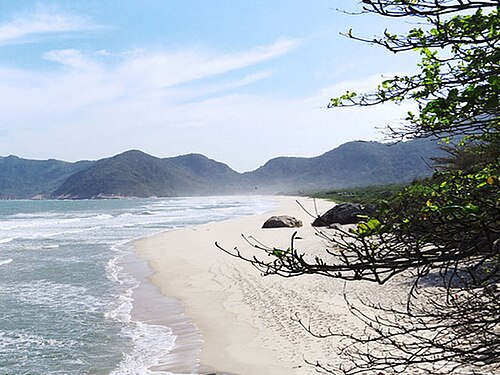
    Praia de Grumari is a long, less-developed beach located in Rio de Janeiro's West Zone. It sits within protected Atlantic forest landscapes, offering a more natural setting compared to the city's more urbanized beaches.

    • Must see
    • Nature site

Source: OpenStreetMap contributors, Wikidata ·

How the city is laid out

Centro, Praça Mauá and the Olympic Boulevard form the main museum and historic cluster. Lapa and Santa Teresa sit nearby but involve hills and different transport. Urca and Botafogo make a natural Sugarloaf day, while Copacabana, Ipanema, Arpoador and Leblon form one coastal sequence. Corcovado and Tijuca Forest need dedicated connections. Barra, Recreio and Prainha are much farther west than the South Zone beaches.

Checked 2026-08-26

Getting around

Metro lines serve Centro and much of the South Zone, while VLT trams circulate through central and port areas. Buses, taxis, ferries and attraction-specific rail or van services complete the network. Hills, tunnels and water make straight-line distances misleading, so consult the official tourist map before combining districts. Use authorised access for Corcovado and other controlled attractions rather than assuming a normal city bus reaches the entrance.

Checked 2026-08-26

Common questions

How is Rio de Janeiro organised for sightseeing?

Centro, the South Zone beaches, Urca, Tijuca and western Rio are distinct travel zones

How many days should I spend in Rio de Janeiro?

No fixed stay length is recorded; add time according to the zones and major attractions selected.

What is the easiest way to get around Rio de Janeiro?

Metro and VLT cover useful corridors, with buses, ferries, taxis and attraction access completing journeys.

Which places need a separate trip from central Rio de Janeiro?

Copacabana, Ipanema, Arpoador and Leblon form a practical coastal sequence.

What is the most practical way to plan a day in Rio de Janeiro?

Barra and the western beaches are far from Centro and need a separate travel block.