Catavento Museum
Catavento Cultural e Educacional
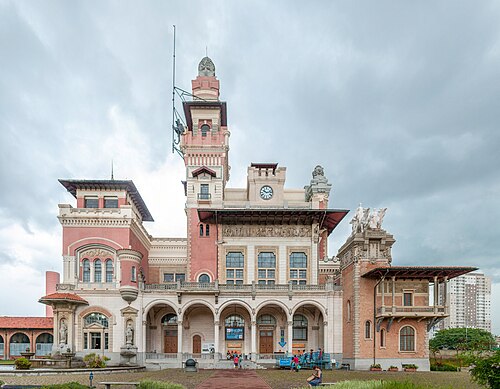
Catavento Museum, locally known as Museu Catavento, is a hands-on science museum housed in the historic Palácio das Indústrias in São Paulo.
- High
- Museum
- São Paulo
Country guide
Brazil is the largest country in South America and the fifth largest on earth, with over 213 million people, 26 states and a Federal District built to hold the...
Photograph · Tet · CC BY 4.0
Reviewed by Elena Voss · Roavina Travel Editor
Brazil is the largest country in South America and the fifth largest on earth, with over 213 million people, 26 states and a Federal District built to hold the capital, Brasília. Its Atlantic coastline runs 7,491 kilometres and it borders every country on the continent except Ecuador and Chile.
Most of the Amazon basin is Brazilian, including the world's largest river system and the most extensive virgin tropical forest left standing; the same country also holds wetlands, savanna, plateau and low mountains. São Paulo is the most populous city and Rio de Janeiro the second. The distance between any two of these is the planning problem.
Checked 2026-08-25
Every city catalogued in this country so far, ranked by how much there is to see.
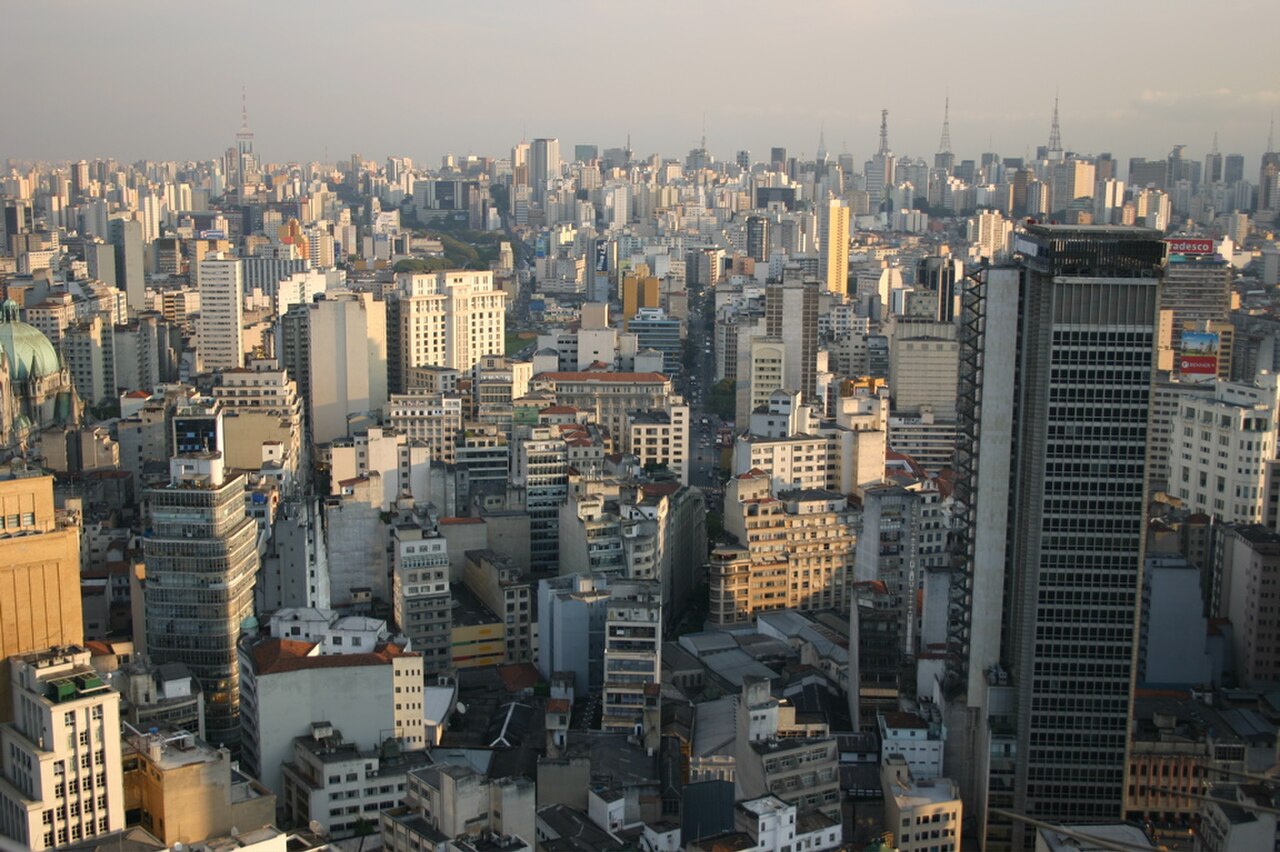
Photograph · Thomas Hobbs · CC BY-SA 2.0
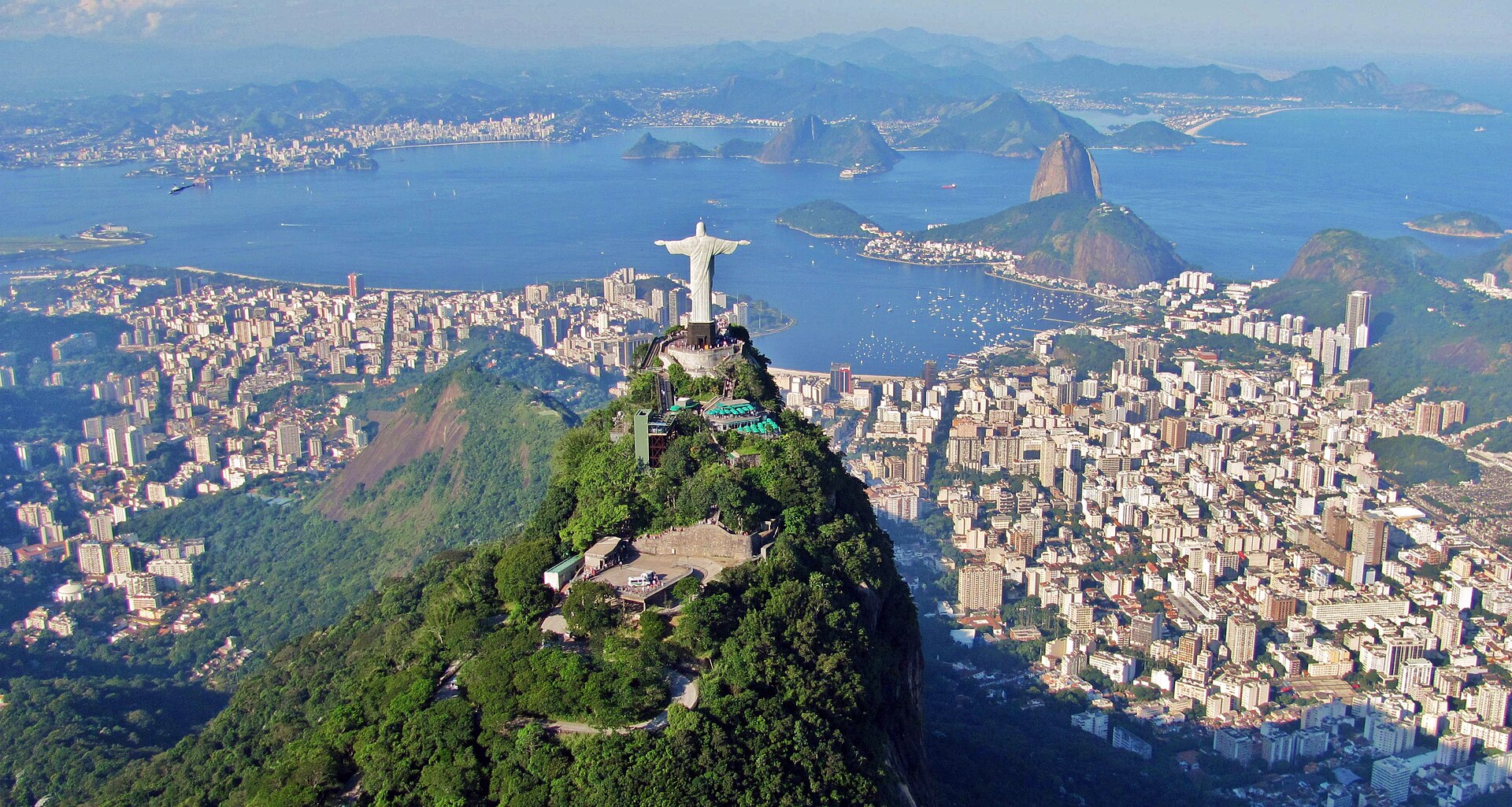
Photograph · Rafael Rabello de Barros · CC BY-SA 3.0
Ranked by importance — sitelinks, pageviews and heritage status, not editor preference.
38 places match
Category
Typical visit duration
Interests
Catavento Cultural e Educacional
Catavento Museum, locally known as Museu Catavento, is a hands-on science museum housed in the historic Palácio das Indústrias in São Paulo.
Centro Cultural Banco do Brasil
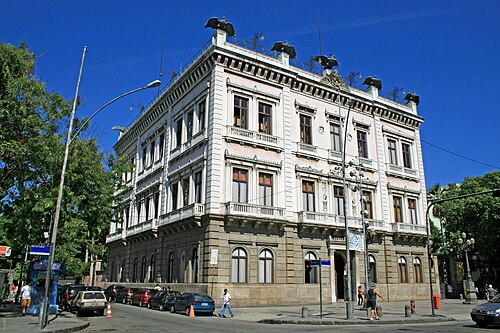
Centro Cultural Banco do Brasil is a cultural institution housed in a historic building in downtown Rio de Janeiro. Formerly a bank headquarters, the neoclassical structure has been adapted for contemporary cultural use.
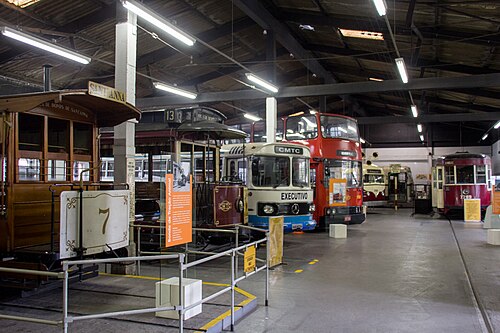
Museu dos Transportes Públicos Gaetano Ferolla
São Paulo Railway Museum, also known as Museu dos Transportes Públicos Gaetano Ferolla, preserves vehicles and infrastructure connected with the history of public transport in São Paulo.
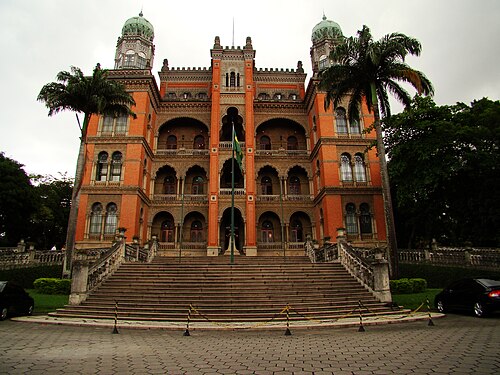
Museu da Vida
Museum of Life Fiocruz is an interactive science museum operated by the Oswaldo Cruz Foundation in Rio de Janeiro. The visit connects public health, biology, environmental science, and the history of Fiocruz, Brazil’s major public health research institution.
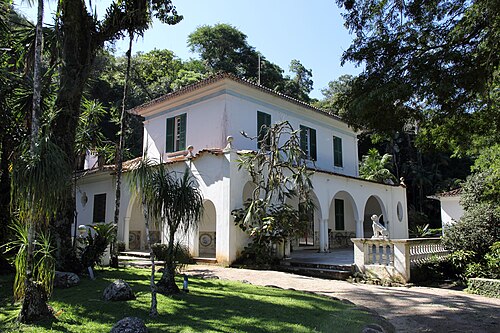
The Museum of Açude is a cultural institution within Rio de Janeiro's Tijuca Forest. It forms part of the Castro Maya Museums network, administered under Brazilian federal museum governance.
Museu Naval
Naval Museum is a downtown Rio de Janeiro museum devoted to Brazilian naval history. Operated by the Brazilian Navy, it places maritime heritage within reach of the central city and Guanabara Bay.
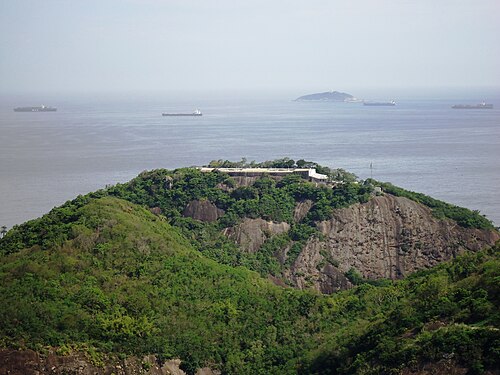
Duque de Caxias Fort stands on Morro do Leme above the eastern end of Copacabana Beach. The military fortification occupies a strategic height with views toward Copacabana and Guanabara Bay.
Museu do Samba
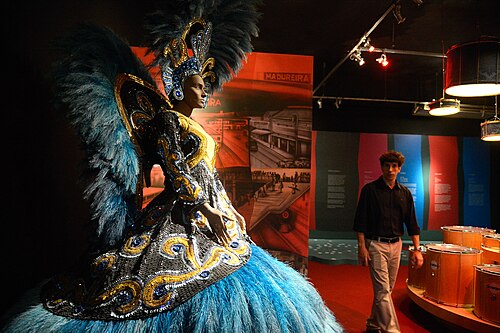
The Museu do Samba is a community-rooted museum located beside Mangueira, one of Rio de Janeiro's most storied samba schools. It documents the history and makers of samba, Brazil's iconic musical genre.
Museu da República
Museum of the Republic occupies the former Catete Palace in Flamengo. The neoclassical palace served as Brazil’s presidential residence from 1897 until 1960, and its rooms preserve the setting of national political life during that period.
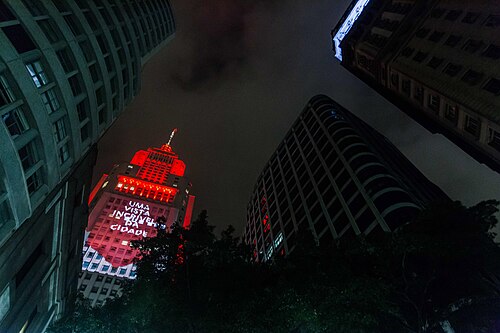
Farol Santander occupies the historic Edifício Altino Arantes, a landmark skyscraper in São Paulo's central Sé district.
Pontal Museum is a purpose-built cultural institution in Barra da Tijuca dedicated to Brazilian popular art.
Museu de Arte Contemporânea da Universidade de São Paulo
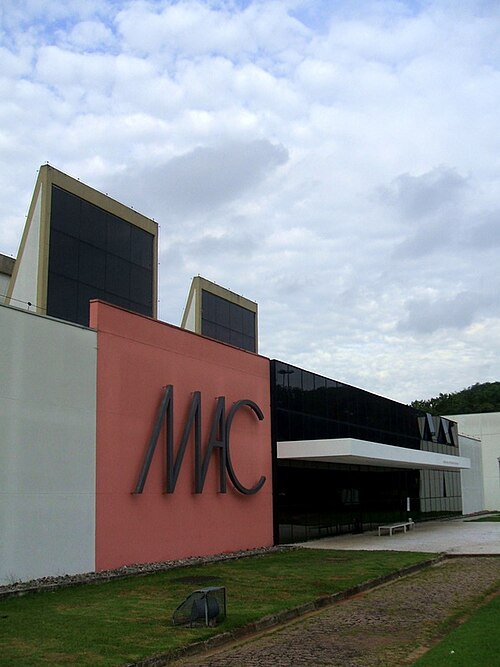
The Museum of Contemporary Art, University of São Paulo (MAC USP) is a public art museum operated by the University of São Paulo. Its most visible presence is the iconic building in Ibirapuera Park, designed by architect Oscar Niemeyer.
Museu de Arte de São Paulo
The Museu de Arte de São Paulo Assis Chateaubriand, universally known as MASP, stands as São Paulo's defining art institution and an architectural landmark designed by Lina Bo Bardi.
Brazil’s scale makes 10–16 days appropriate for one region rather than a national circuit. Build around a single gateway such as Rio de Janeiro or São Paulo, then add one coherent coastal, nature or cultural extension.
Visa information is maintained by Brazil’s Ministry of Foreign Affairs through its consular portal. Eligibility depends on nationality and visit purpose; use the ministry’s current table instead of relying on a past visa waiver.
São Paulo and Rio de Janeiro handle major international and domestic connections. Flights bridge the country’s long distances, coaches cover many regional corridors, and national passenger rail is not a general substitute for either.
Brazil has no single best month because Amazon, northeast-coast, Pantanal and southern conditions differ. April–June and August–October are broad shoulder periods, but the chosen region’s rainfall and access cycle should decide the dates.
The Brazilian real (BRL) is the unit used for prices. This guide does not record current bank fees or acceptance patterns; check the displayed total and conversion currency before authorising a card or cash transaction.
Brazil separates emergency services: 190 police, 192 ambulance and 193 fire. Type N sockets operate at either 127 or 220 V depending on location, and national tap-water suitability is Not recorded.