Roavina

Country guide

Brazil

A photograph of Brazil
Photograph · Tet · CC BY 4.0

Brazil is the largest country in South America and the fifth largest on earth, with over 213 million people, 26 states and a Federal District built to hold the capital, Brasília. Its Atlantic coastline runs 7,491 kilometres and it borders every country on the continent except Ecuador and Chile. Most of the Amazon basin is Brazilian, including the world's largest river system and the most extensive virgin tropical forest left standing; the same country also holds wetlands, savanna, plateau and low mountains. São Paulo is the most populous city and Rio de Janeiro the second. The distance between any two of these is the planning problem.

Reviewed by Elena Voss · Roavina Travel Editor

Cities

Every city catalogued in this country so far, ranked by how much there is to see.

Practical information

Language spoken
Portuguese
National practical orientation; regional and minority languages may also be used
Dialling code
+55
International calling code; local area and mobile prefixes still apply
Currency
Brazilian real (BRL)
Use the official local currency; card acceptance varies by place
Emergency number
190 police · 192 ambulance · 193 fire
Use only for an emergency; tourist assistance may use a separate number
Plug type
Type N · 127 or 220 V by location
Check that chargers support the recorded voltage before using an adapter
Tap water
Not recorded
Voltage and water guidance must be checked for the destination

Planning a visit

  1. January: no seasonality data recorded
  2. February: no seasonality data recorded
  3. March: no seasonality data recorded
  4. April: no seasonality data recorded
  5. May: no seasonality data recorded
  6. June: no seasonality data recorded
  7. July: no seasonality data recorded
  8. August: no seasonality data recorded
  9. September: no seasonality data recorded — this month
  10. October: no seasonality data recorded
  11. November: no seasonality data recorded
  12. December: no seasonality data recorded

Top things to see

Ranked by importance — sitelinks, pageviews and heritage status, not editor preference.

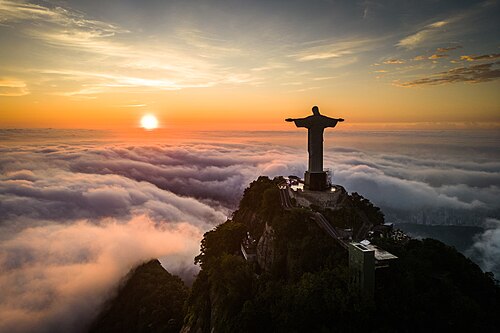
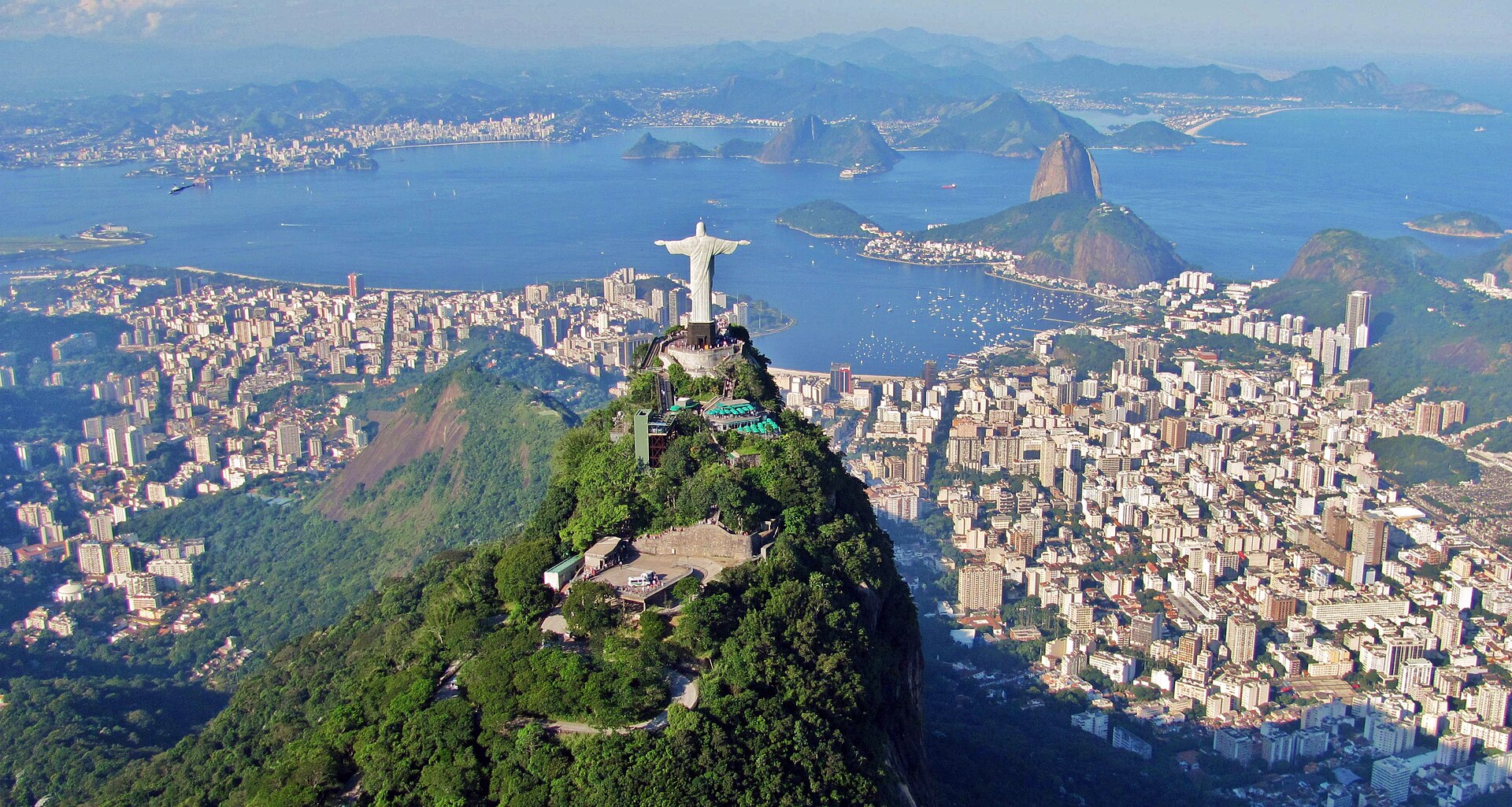
  1. Christ the Redeemer Christ the Redeemer
    02 45 min

    Christ the Redeemer

    Cristo Redentor

    Christ the Redeemer, known locally as Cristo Redentor, stands atop Corcovado mountain as Rio de Janeiro's most iconic monument. The Art Deco statue depicts Jesus Christ with outstretched arms, symbolizing welcome and protection over the city.

    • Must see
    • Historic monument
    • Rio de Janeiro
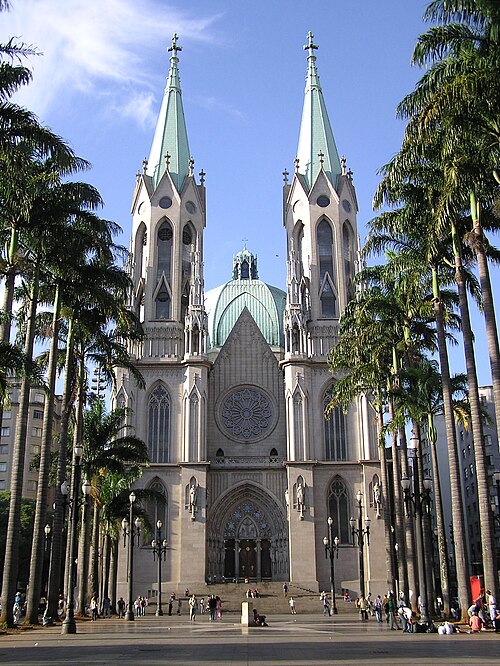
  2. São Paulo Cathedral São Paulo Cathedral
    03 45 min

    São Paulo Cathedral

    Catedral da Sé

    São Paulo Cathedral, or Catedral Metropolitana de São Paulo, stands on Praça da Sé in the historic centre of São Paulo, Brazil.

    • Must see
    • Historic monument
    • São Paulo
  3. Copan Building Copan Building
    04 45 min

    Copan Building

    Edifício Copan

    The Copan Building, known locally as Edifício Copan, stands as one of São Paulo's most distinctive architectural landmarks.

    • Must see
    • Historic monument
    • São Paulo
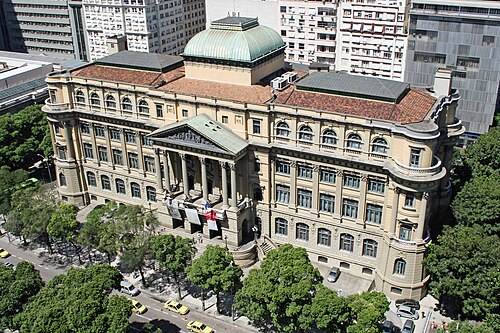
  4. National Library of Brazil National Library of Brazil
    05 45 min

    National Library of Brazil

    Biblioteca Nacional

    The National Library of Brazil, or Biblioteca Nacional do Brasil, stands as a major cultural institution in Rio de Janeiro.

    • Must see
    • Historic monument
    • Rio de Janeiro
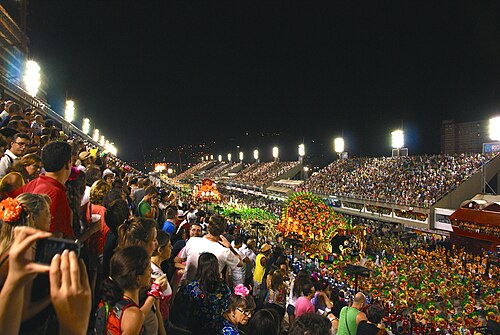
  5. Sambadrome Marquês de Sapucaí Sambadrome Marquês de Sapucaí
    06 45 min

    Sambadrome Marquês de Sapucaí

    Sambódromo da Marquês de Sapucaí

    The Sambódromo da Marquês de Sapucaí is a purpose-built parade avenue in Rio de Janeiro designed by architect Oscar Niemeyer.

    • Must see
    • Historic monument
    • Rio de Janeiro
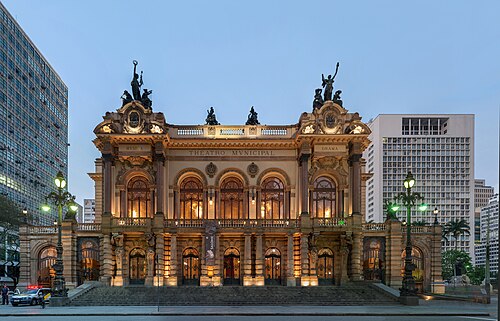
  6. Municipal Theatre of São Paulo Municipal Theatre of São Paulo
    07 45 min

    Municipal Theatre of São Paulo

    Teatro Municipal de São Paulo

    The Municipal Theatre of São Paulo is the historic centre's principal opera house and a defining Belle Époque landmark. Built during the city's rapid early twentieth-century growth, it represents Brazil's aspiration toward European cultural sophistication.

    • Must see
    • Historic monument
    • São Paulo
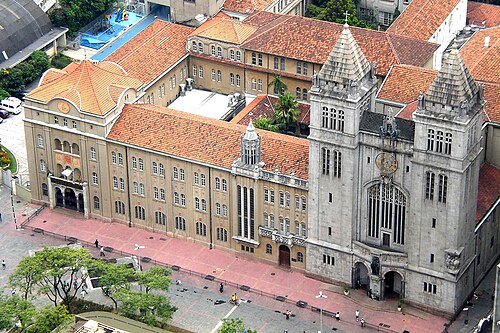
  7. Monastery of Saint Benedict Monastery of Saint Benedict
    08 45 min

    Monastery of Saint Benedict

    Mosteiro de São Bento

    The Monastery of Saint Benedict is a historic Benedictine complex in Sao Paulo's old city center. It anchors one corner of the old-city triangle, a zone of significant historical concentration.

    • Must see
    • Historic monument
    • São Paulo
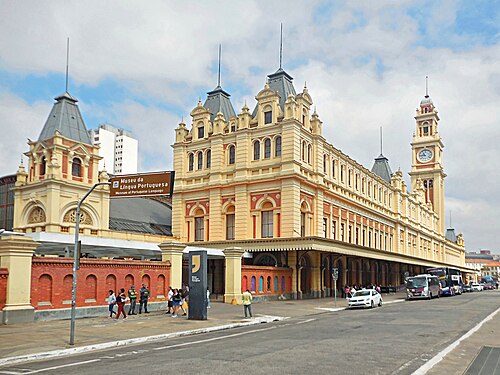
  8. Luz Station Luz Station
    09 45 min

    Luz Station

    Estação da Luz

    Luz Station, or Estação da Luz, is a monumental railway station in São Paulo’s historic centre.

    • Must see
    • Historic monument
    • São Paulo
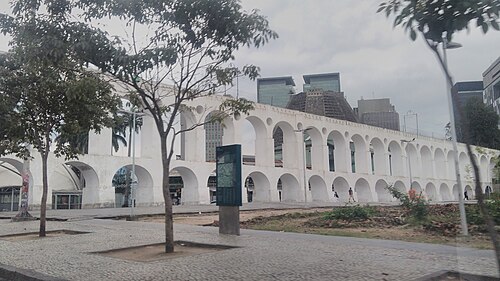
  9. Carioca Aqueduct Carioca Aqueduct
    10 45 min

    Carioca Aqueduct

    Arcos da Lapa

    The Arcos da Lapa is a colonial-era aqueduct in Rio de Janeiro's Lapa neighbourhood. This monumental structure comprises two tiers of arches that originally served as a water supply system for the city.

    • Must see
    • Historic monument
    • Rio de Janeiro
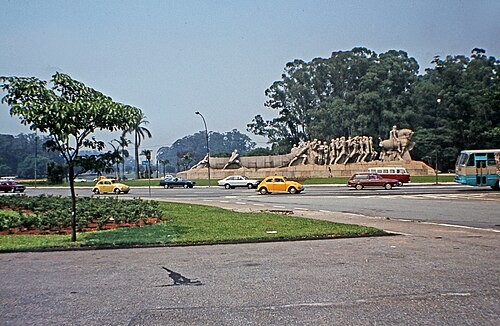
  10. Monument to the Bandeiras Monument to the Bandeiras
    11 45 min

    Monument to the Bandeiras

    Monumento às Bandeiras

    Monument to the Bandeiras is a monumental granite sculpture by Victor Brecheret located in São Paulo, Brazil. The local name is Monumento às Bandeiras. It commemorates the bandeirantes, 17th-century Portuguese Brazilian explorers and fortune hunters who expanded Brazil's territory.

    • Must see
    • Historic monument
    • São Paulo
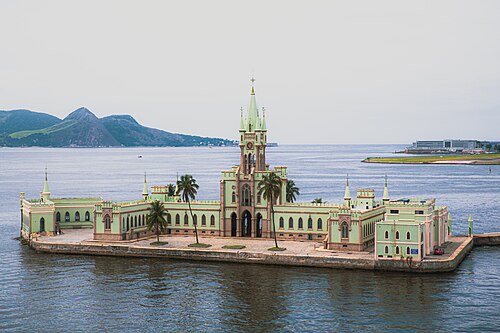
  11. Fiscal Island Fiscal Island
    12 45 min

    Fiscal Island

    Ilha Fiscal

    Ilha Fiscal is a small island in Guanabara Bay, Rio de Janeiro, notable for its distinctive neo-Gothic palace that formerly served as a customs house.

    • Must see
    • Historic monument
    • Rio de Janeiro
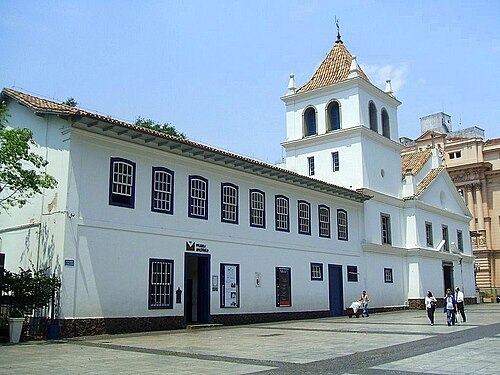
  12. Pátio do Colégio Pátio do Colégio
    13 45 min

    Pátio do Colégio

    Pateo do Collegio

    Pátio do Colégio marks the foundational site of São Paulo, established by Jesuit priests Manuel da Nóbrega and José de Anchieta in 1554. The name references the original Jesuit college courtyard where the city began.

    • Must see
    • Historic monument
    • São Paulo
  13. Municipal Market of São Paulo Municipal Market of São Paulo
    14 45 min

    Municipal Market of São Paulo

    Mercado Municipal de São Paulo

    The Municipal Market of São Paulo, locally called Mercadão, is a historic public market in the city centre. Built in the early twentieth century, it occupies a prominent building with distinctive architecture.

    • Must see
    • Historic monument
    • São Paulo
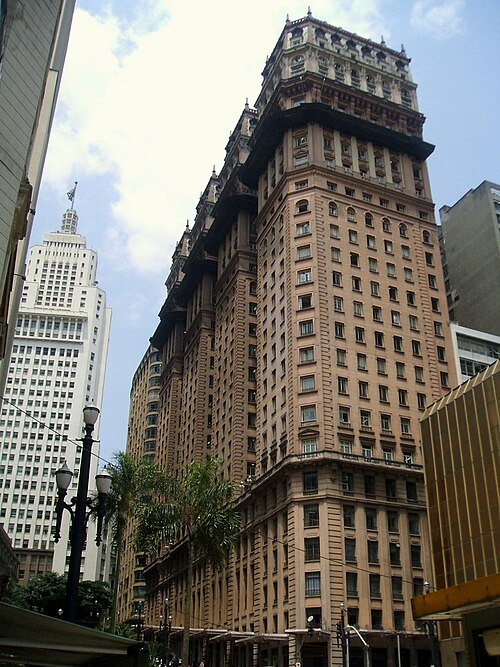
  14. Martinelli Building Martinelli Building
    15 45 min

    Martinelli Building

    Edifício Martinelli

    The Martinelli Building, or Edifício Martinelli, is a landmark skyscraper in central São Paulo. Built in the early twentieth century, it represents the city's first major skyscraper ambition and the commercial expansion that reshaped downtown.

    • High
    • Historic monument
    • São Paulo
  15. Igreja de Nossa Senhora da Penha Igreja de Nossa Senhora da Penha
    16 45 min

    Igreja de Nossa Senhora da Penha

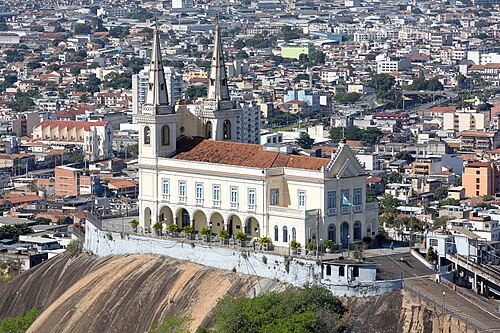
    Penha Church, formally Igreja de Nossa Senhora da Penha, is a Catholic pilgrimage sanctuary on a granite outcrop in Rio de Janeiro’s Penha neighborhood. Its defining feature is the long ceremonial staircase leading up to the church.

    • High
    • Historic monument
    • Rio de Janeiro
  16. Viaduto do Chá Viaduto do Chá
    17 45 min

    Viaduto do Chá

    Viaduto do Chá is a historic bridge in central São Paulo, crossing the Vale do Anhangabaú between the older city centre and newer downtown. Built in the late nineteenth century, it reflects the rapid urban growth of the coffee-boom era.

    • High
    • Historic monument
    • São Paulo
  17. Sugarloaf Cable Car Sugarloaf Cable Car
    18 45 min

    Sugarloaf Cable Car

    Teleférico do Pão de Açúcar

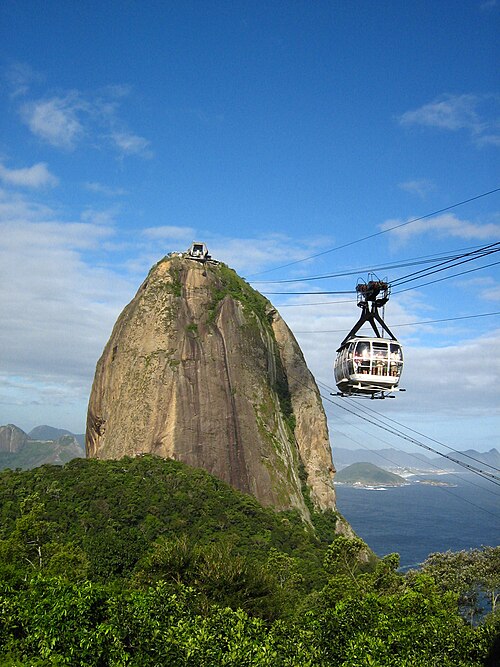
    Sugarloaf Cable Car is the aerial route through Parque Bondinho Pão de Açúcar, connecting the ground station at Praia Vermelha with Morro da Urca and Sugarloaf Mountain.

    • High
    • Historic monument
    • Rio de Janeiro
  18. Colônia crater Colônia crater
    19 45 min

    Colônia crater

    Cratera de Colônia

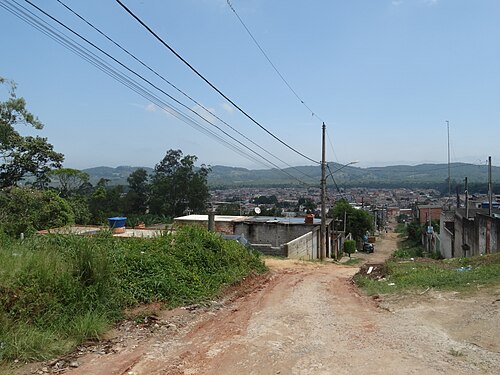
    Colônia Crater, or Cratera de Colônia, is a large meteorite-impact structure in São Paulo’s Parelheiros district. It is recognised as a protected geosite and represents an important geological feature within the metropolitan area.

    • High
    • Historic monument
    • São Paulo
  19. Casa do Grito Casa do Grito
    20 45 min

    Casa do Grito

    Casa do Grito is a historic rammed-earth house in São Paulo’s Ipiranga independence landscape. It belongs to a heritage setting that also includes the Monument to Independence, Parque da Independência, and the Ipiranga Museum.

    • High
    • Historic monument
    • São Paulo
  20. Sala São Paulo Sala São Paulo
    21 45 min

    Sala São Paulo

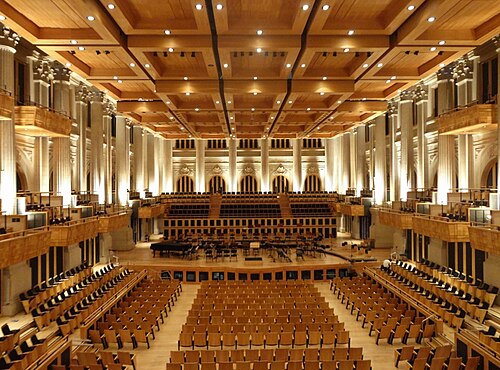
    Sala São Paulo is a major concert hall housed within the historic Júlio Prestes Station, a former railway terminal in central São Paulo. It serves as the permanent home of the São Paulo State Symphony Orchestra (OSESP).

    • High
    • Historic monument
    • São Paulo
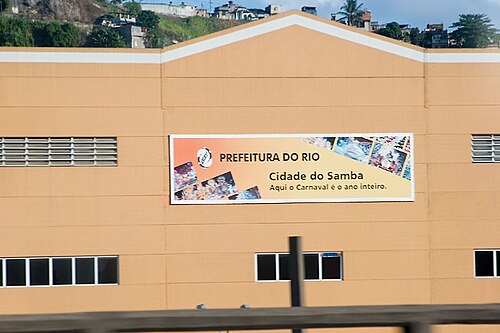
  21. Cidade do Samba Cidade do Samba
    22 45 min

    Cidade do Samba

    Samba City, known locally as Cidade do Samba, is a purpose-built complex in Rio de Janeiro dedicated to the preparation of Carnival floats and costumes.

    • High
    • Historic monument
    • Rio de Janeiro
  22. Batman Alley Batman Alley
    23 45 min

    Batman Alley

    Beco do Batman

    Beco do Batman is a narrow alleyway in São Paulo's Vila Madalena neighbourhood that has become a celebrated open-air gallery of street art.

    • Notable
    • Historic monument
    • São Paulo
  23. Pedra do Arpoador Pedra do Arpoador
    24 45 min

    Pedra do Arpoador

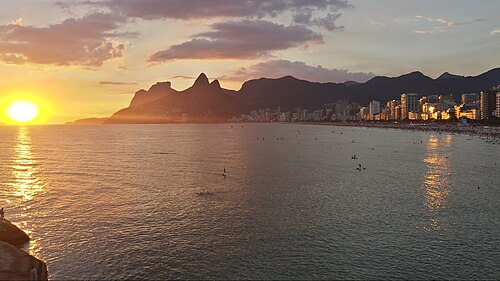
    Arpoador Rock, known locally as Pedra do Arpoador, is a rocky headland situated between two of Rio de Janeiro's most famous beaches: Copacabana and Ipanema.

    • Notable
    • Historic monument
    • Rio de Janeiro

Source: OpenStreetMap contributors, Wikidata ·

Common questions

How long should a first trip to Brazil be?

Brazil’s scale makes 10–16 days appropriate for one region rather than a national circuit. Build around a single gateway such as Rio de Janeiro or São Paulo, then add one coherent coastal, nature or cultural extension.

What entry documents are needed for Brazil?

Visa information is maintained by Brazil’s Ministry of Foreign Affairs through its consular portal. Eligibility depends on nationality and visit purpose; use the ministry’s current table instead of relying on a past visa waiver.

What is the best way to travel around Brazil?

São Paulo and Rio de Janeiro handle major international and domestic connections. Flights bridge the country’s long distances, coaches cover many regional corridors, and national passenger rail is not a general substitute for either.

When is a practical time to visit Brazil?

Brazil has no single best month because Amazon, northeast-coast, Pantanal and southern conditions differ. April–June and August–October are broad shoulder periods, but the chosen region’s rainfall and access cycle should decide the dates.

What money and payment basics apply in Brazil?

The Brazilian real (BRL) is the unit used for prices. This guide does not record current bank fees or acceptance patterns; check the displayed total and conversion currency before authorising a card or cash transaction.

What practical safety details should I save for Brazil?

Brazil separates emergency services: 190 police, 192 ambulance and 193 fire. Type N sockets operate at either 127 or 220 V depending on location, and national tap-water suitability is Not recorded.