


51
1 hour
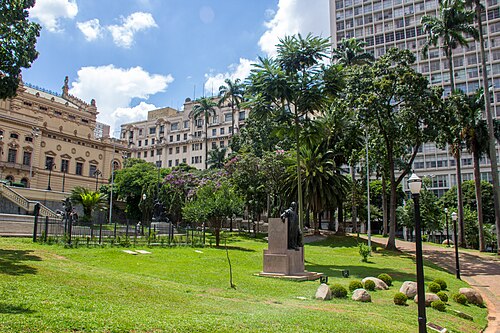
Ramos de Azevedo Park
Praça Ramos de Azevedo
Municipal Theatre Square, known as Praça Ramos de Azevedo, is a formal public square in São Paulo’s historic centre.
- High
- Nature site
- São Paulo

Country guide
Brazil is the largest country in South America and the fifth largest on earth, with over 213 million people, 26 states and a Federal District built to hold the...
Photograph · Tet · CC BY 4.0
Reviewed by Elena Voss · Roavina Travel Editor
Brazil is the largest country in South America and the fifth largest on earth, with over 213 million people, 26 states and a Federal District built to hold the capital, Brasília. Its Atlantic coastline runs 7,491 kilometres and it borders every country on the continent except Ecuador and Chile.
Most of the Amazon basin is Brazilian, including the world's largest river system and the most extensive virgin tropical forest left standing; the same country also holds wetlands, savanna, plateau and low mountains. São Paulo is the most populous city and Rio de Janeiro the second. The distance between any two of these is the planning problem.
Checked 2026-08-25
Every city catalogued in this country so far, ranked by how much there is to see.
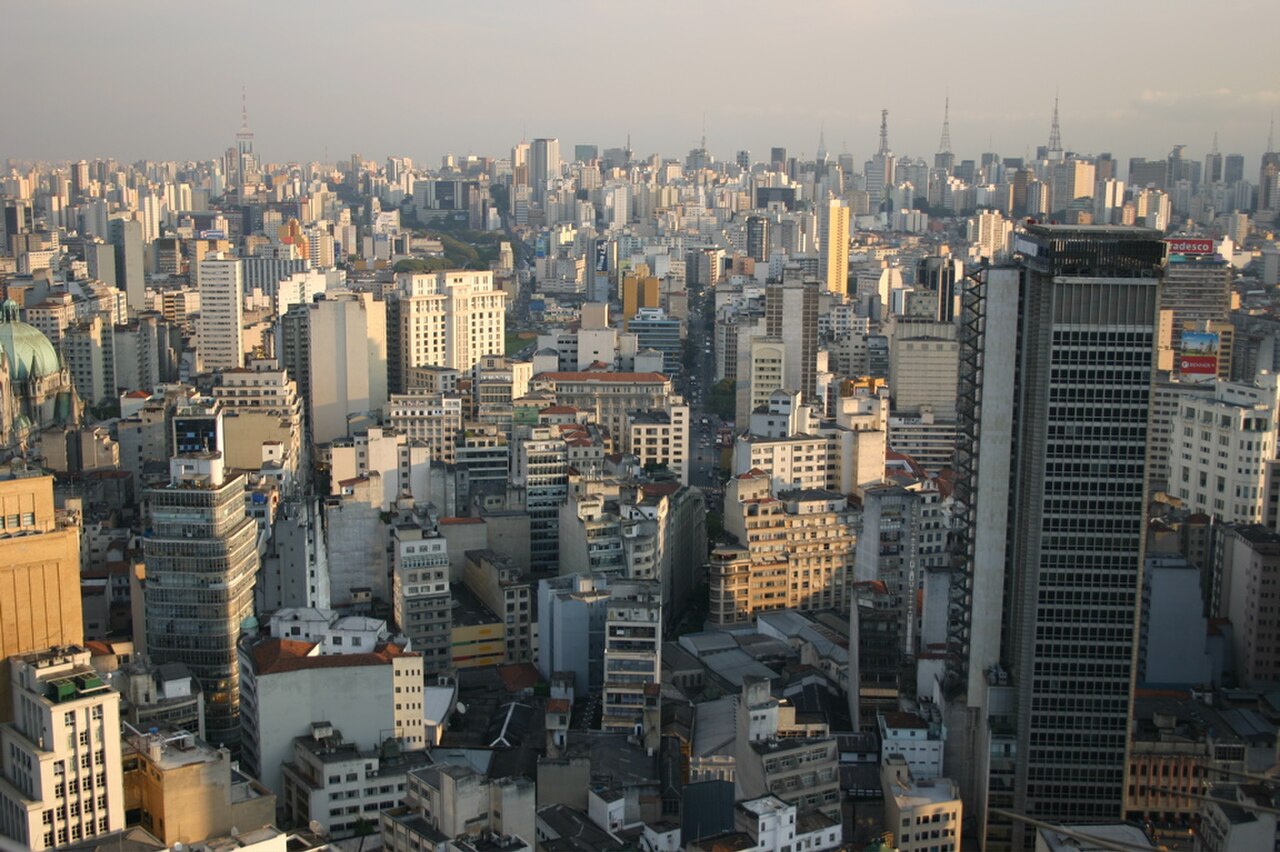
Photograph · Thomas Hobbs · CC BY-SA 2.0
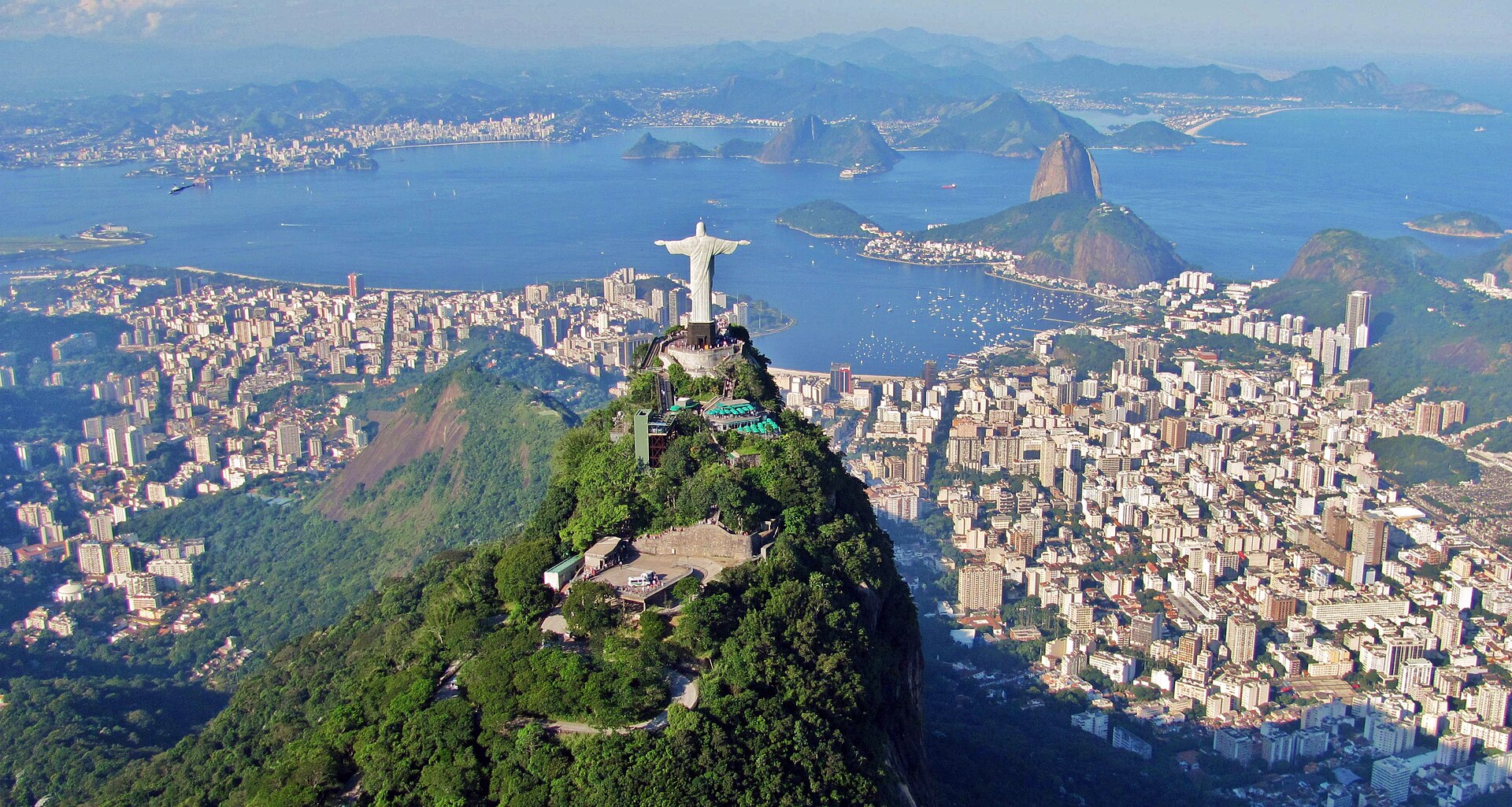
Photograph · Rafael Rabello de Barros · CC BY-SA 3.0
Ranked by importance — sitelinks, pageviews and heritage status, not editor preference.
72 places match
Category
Typical visit duration
Interests
Praça Ramos de Azevedo
Municipal Theatre Square, known as Praça Ramos de Azevedo, is a formal public square in São Paulo’s historic centre.

Itaú Cultural is an arts and cultural research centre on São Paulo’s Avenida Paulista. The institution focuses on researching, preserving and sharing Brazilian cultural heritage.
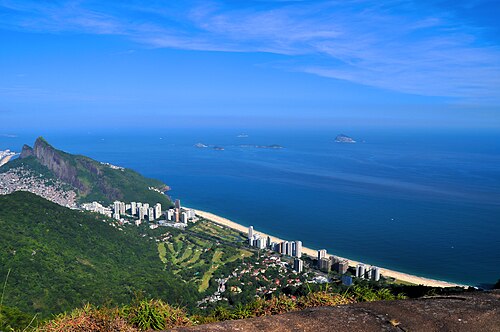
Pedra Bonita is a granite summit in Rio de Janeiro’s Tijuca Forest National Park, above São Conrado and Barra da Tijuca. The mountain combines a natural viewpoint with a launch area for hang-gliding and paragliding.
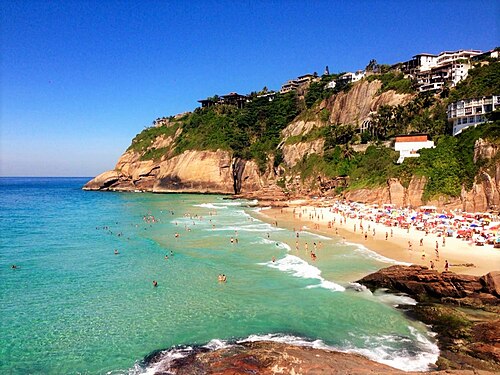
Joatinga Beach is a small, secluded cove in Rio de Janeiro’s western zone, between São Conrado and Barra da Tijuca. Cliffs and coastal vegetation frame the sand, creating a quieter setting than Copacabana or Ipanema.
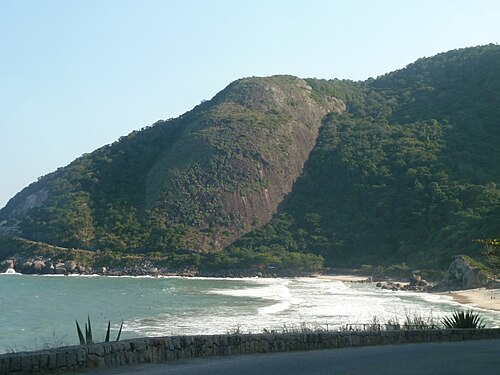
Prainha is a compact crescent-shaped beach in Rio de Janeiro’s far western zone. Atlantic Forest vegetation covers the surrounding hills, giving the cove a distinctly wild setting compared with the city’s built-up waterfront.
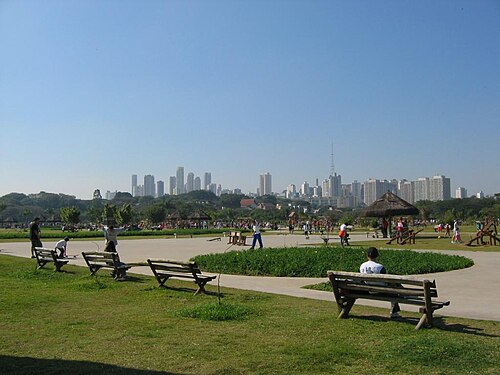
Parque Villa-Lobos
Villa-Lobos Park, Parque Villa-Lobos, is a large public recreation area in western São Paulo named after Brazilian composer Heitor Villa-Lobos.
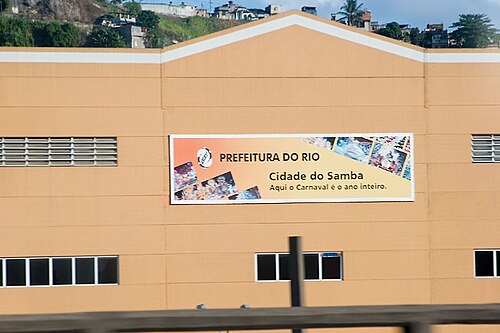
Samba City, known locally as Cidade do Samba, is a purpose-built complex in Rio de Janeiro dedicated to the preparation of Carnival floats and costumes.
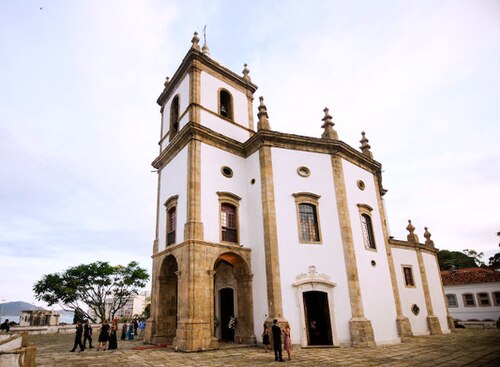
The Church of Our Lady of Glory of the Outeiro is an octagonal colonial church perched on a hill in Rio de Janeiro. Its distinctive geometric form sets it apart from typical Brazilian colonial religious architecture.
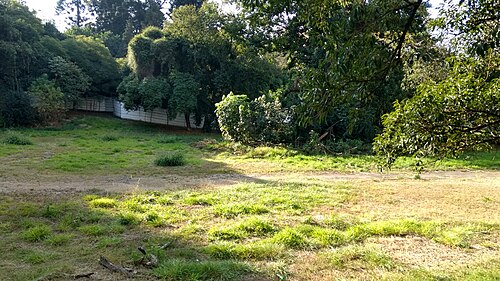
Parque Augusta
Augusta Park, officially Parque Augusta - Prefeito Bruno Covas, is a central public park near Rua Augusta in São Paulo. Mature trees and historic structures give it a distinctive identity within the dense Jardins and Consolação area.
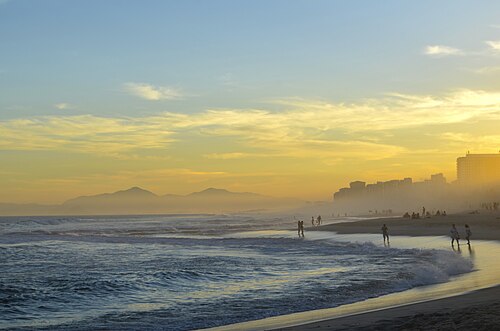
Praia da Barra da Tijuca
Praia da Barra da Tijuca is Rio de Janeiro's longest urban beach, stretching along the West Zone and serving as the district's defining coastal feature.
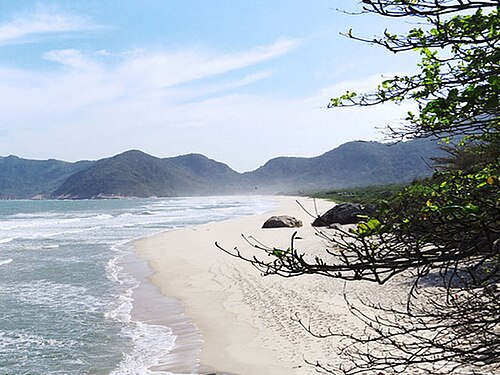
Praia de Grumari
Praia de Grumari is a long, less-developed beach located in Rio de Janeiro's West Zone. It sits within protected Atlantic forest landscapes, offering a more natural setting compared to the city's more urbanized beaches.
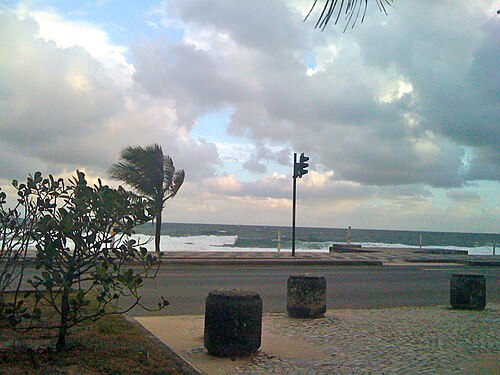
Praia do Leblon is an upscale beach in Rio de Janeiro's Zona Sul, forming the western continuation of Ipanema Beach.

Igreja da Ordem Terceira de São Francisco da Penitência
The Church of the Third Order of Saint Francis of Penitence stands on Santo Antônio hill at Largo da Carioca in central Rio de Janeiro.
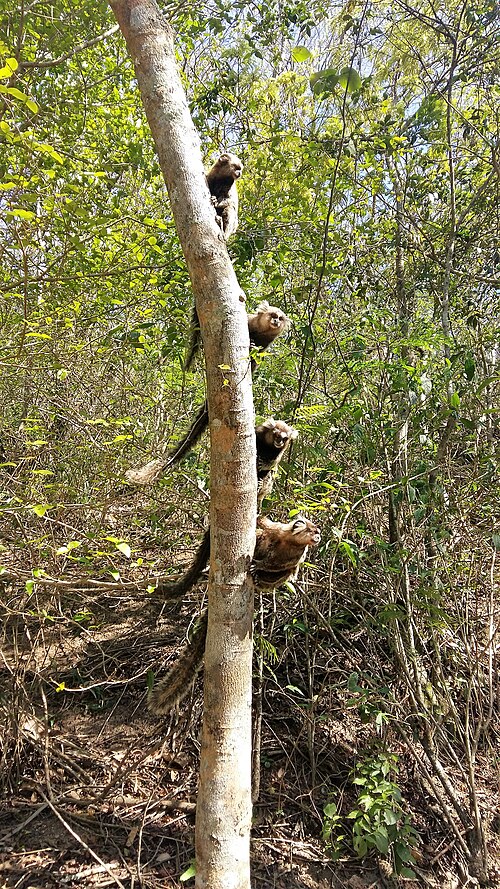
Pedra do Telégrafo
Pedra do Telégrafo, known in English as Telegraph Rock, is a rocky outcrop in the Guaratiba area of Rio de Janeiro's West Zone. The site takes its name from military communications equipment once installed there.
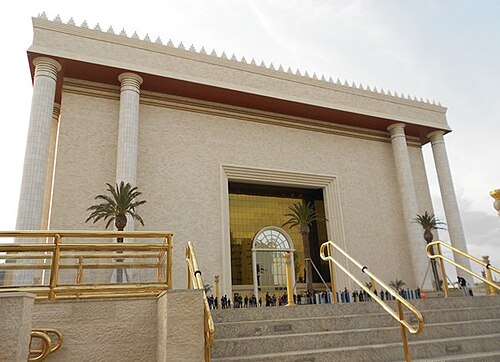
The Templo de Salomão is a monumental religious complex located in the Brás district of São Paulo, Brazil. It serves as the headquarters of the Universal Church of the Kingdom of God.
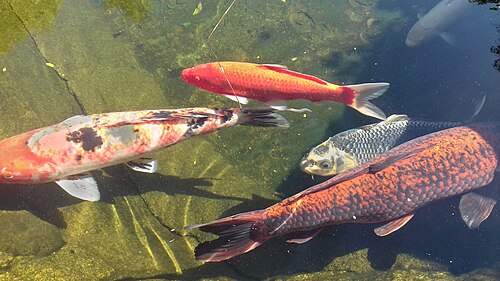
Solo Sagrado de Guarapiranga is a large landscaped sacred garden beside Guarapiranga Reservoir in the southern part of São Paulo. The destination combines designed gardens, natural vegetation and a waterside setting within the metropolitan area.

Beco do Batman
Beco do Batman is a narrow alleyway in São Paulo's Vila Madalena neighbourhood that has become a celebrated open-air gallery of street art.

Dona Marta Viewpoint, or Mirante Dona Marta, is an elevated scenic overlook in Rio de Janeiro with a broad panorama across the city.
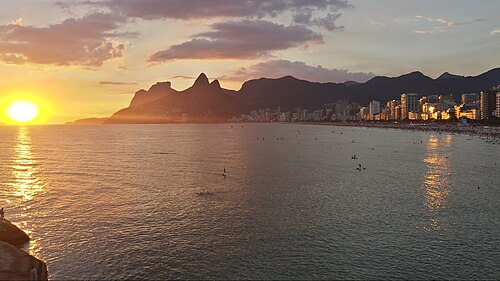
Arpoador Rock, known locally as Pedra do Arpoador, is a rocky headland situated between two of Rio de Janeiro's most famous beaches: Copacabana and Ipanema.
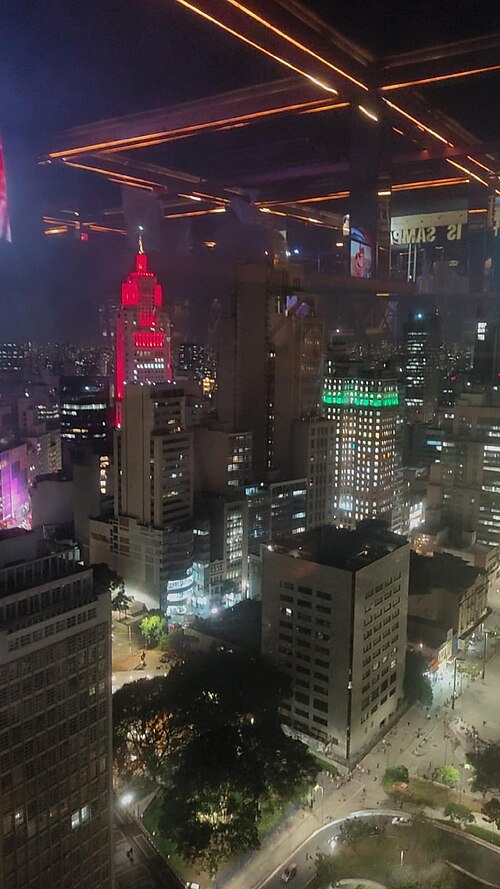
Sampa Sky is a glass-deck viewpoint inside the Mirante do Vale tower in central São Paulo. Its defining experience is standing over transparent flooring while looking down toward the city, alongside panoramic views from a high-rise setting.

Centro Cultural São Paulo
Centro Cultural São Paulo is a large municipal cultural complex operated by the city government. Located in the Paraíso district, it serves as a major public venue for cultural activities.
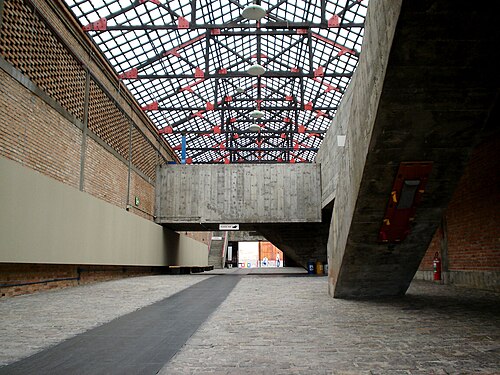
SESC Pompeia
SESC Pompéia is a cultural and sports complex in São Paulo, Brazil, housed in a former industrial factory complex. The internationally significant adaptive-reuse project was designed by Italian-Brazilian architect Lina Bo Bardi and opened in the 1980s.
Brazil’s scale makes 10–16 days appropriate for one region rather than a national circuit. Build around a single gateway such as Rio de Janeiro or São Paulo, then add one coherent coastal, nature or cultural extension.
Visa information is maintained by Brazil’s Ministry of Foreign Affairs through its consular portal. Eligibility depends on nationality and visit purpose; use the ministry’s current table instead of relying on a past visa waiver.
São Paulo and Rio de Janeiro handle major international and domestic connections. Flights bridge the country’s long distances, coaches cover many regional corridors, and national passenger rail is not a general substitute for either.
Brazil has no single best month because Amazon, northeast-coast, Pantanal and southern conditions differ. April–June and August–October are broad shoulder periods, but the chosen region’s rainfall and access cycle should decide the dates.
The Brazilian real (BRL) is the unit used for prices. This guide does not record current bank fees or acceptance patterns; check the displayed total and conversion currency before authorising a card or cash transaction.
Brazil separates emergency services: 190 police, 192 ambulance and 193 fire. Type N sockets operate at either 127 or 220 V depending on location, and national tap-water suitability is Not recorded.