Roavina

City guide · Canada

Vancouver

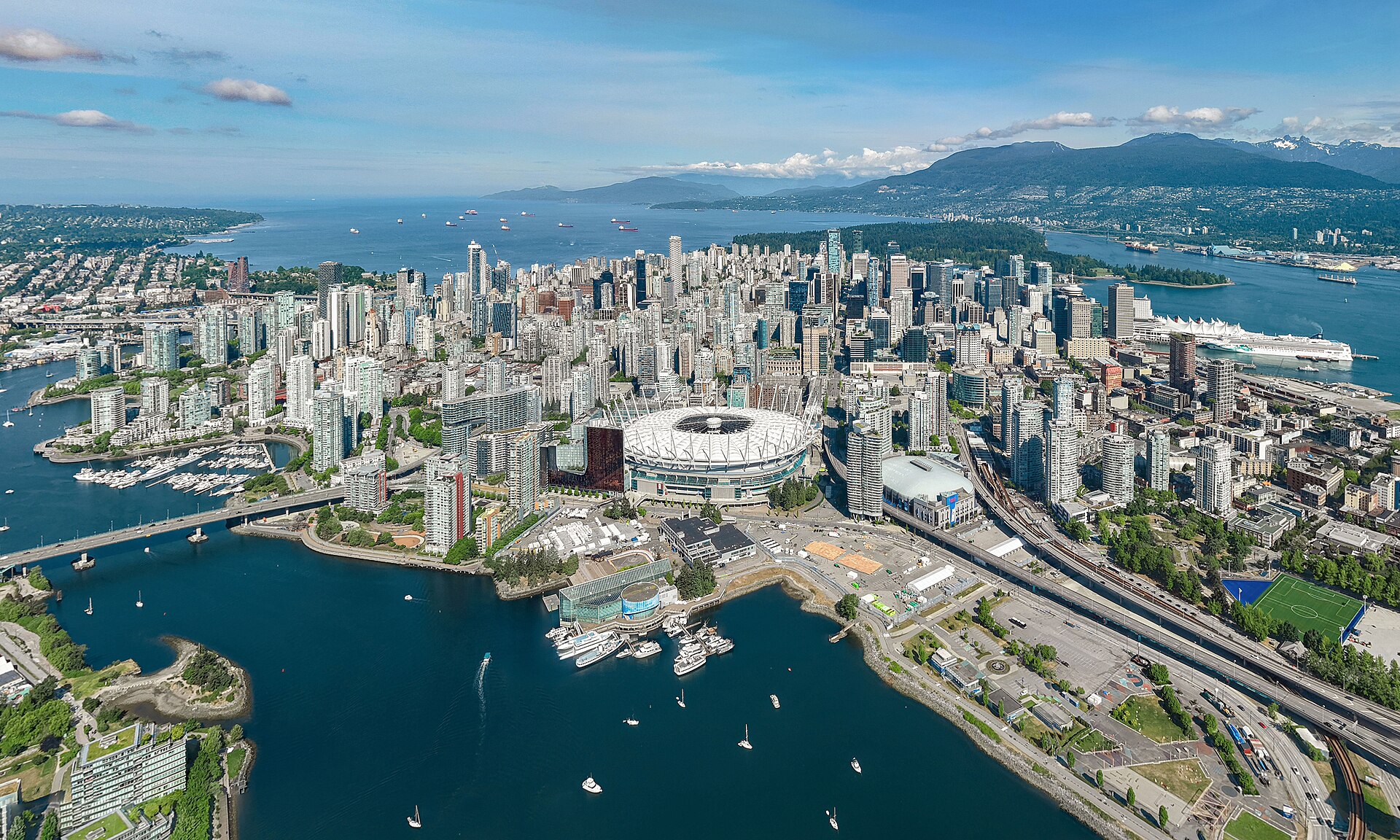
A photograph of Vancouver
Photograph · Quintin Soloviev · CC BY 4.0

Vancouver is a compact waterfront core surrounded by distinct neighbourhoods, parks and mountains. Downtown contains the central business district, West End, Coal Harbour and Yaletown; Stanley Park forms its western edge. Gastown and Chinatown sit east, while False Creek separates downtown from Granville Island, Kitsilano and Mount Pleasant. North Vancouver is across Burrard Inlet and belongs to the wider visitor geography rather than the downtown walking grid.

Reviewed by Elena Voss · Roavina Travel Editor

Practical information

Language spoken
English and French
National practical orientation; regional and minority languages may also be used
Dialling code
+1
International calling code; local area and mobile prefixes still apply
Currency
Canadian dollar (CAD)
Use the official local currency; card acceptance varies by place
Emergency number
911
Use only for an emergency; tourist assistance may use a separate number
Plug type
Type A and B · 120 V
Check that chargers support the recorded voltage before using an adapter
Tap water
Not recorded
Water systems and advisories are managed by multiple jurisdictions

Turn this list into a plan

Set your days, your pace and the hours you actually want to be out. The planner works around closing days and travel time, and leaves room to eat.

Plan Vancouver

Planning a visit

Suggested stay
Not recorded
Getting around
Walk, cycle, transit, SeaBus and False Creek ferries
  1. January: viable with meaningful trade-offs
  2. February: viable with meaningful trade-offs
  3. March: viable with meaningful trade-offs
  4. April: good time to visit
  5. May: good time to visit
  6. June: good time to visit
  7. July: good time to visit
  8. August: good time to visit
  9. September: good time to visit — current month
  10. October: viable with meaningful trade-offs
  11. November: viable with meaningful trade-offs
  12. December: viable with meaningful trade-offs
  • Best time
  • Good time
  • Viable with trade-offs
  • Difficult conditions

Sources

Top things to see

Ranked by importance — sitelinks, pageviews and heritage status, not editor preference.

  1. Museum of Anthropology at UBC Museum of Anthropology at UBC
    02 1 hr 30 min

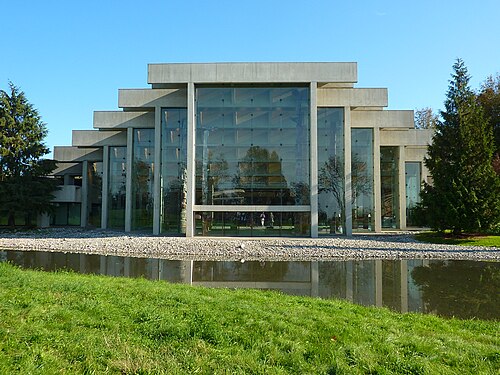
    Museum of Anthropology at UBC

    The Museum of Anthropology at UBC is a museum of world arts and cultures with a particular focus on the First Nations of the Pacific Northwest.

    • Must see
    • Museum
  2. Gastown Gastown
    03 2 hours

    Gastown

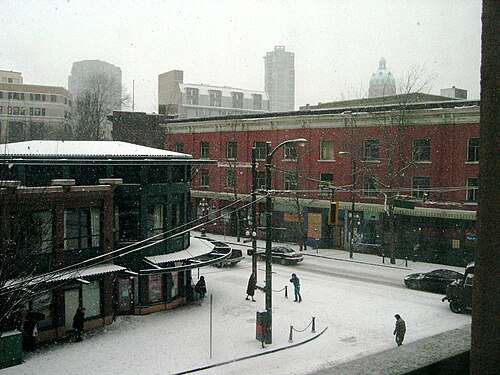
    Gastown is Vancouver's oldest neighbourhood, established in 1867 and designated a National Historic Site of Canada. The district centres on Water Street and retains Victorian-era architecture alongside commercial development.

    • Must see
    • Historic monument
  3. Science World Science World
    04 1 hr 30 min

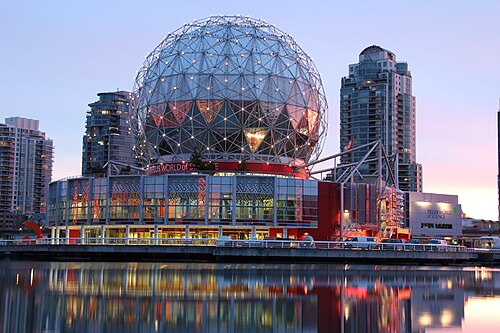
    Science World

    Science World is Vancouver’s hands-on science centre beneath a geodesic dome at the eastern end of False Creek.

    • Must see
    • Museum
  4. FlyOver Canada FlyOver Canada
    05 2 hours

    FlyOver Canada

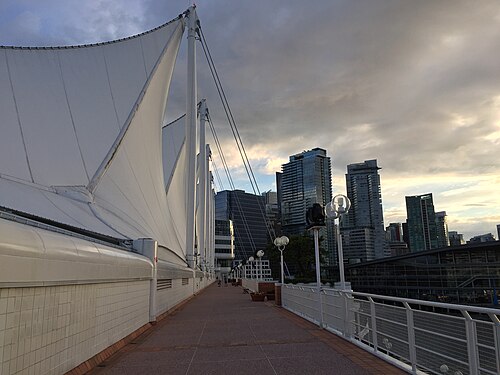
    FlyOver Canada is a flight-simulation attraction located at Canada Place in downtown Vancouver. The experience uses suspended seating and a large spherical screen to create the sensation of flying over Canadian landscapes.

    • Must see
    • Entertainment venue
  5. Museum of Vancouver Museum of Vancouver
    06 1 hr 30 min

    Museum of Vancouver

    The Museum of Vancouver is a civic history museum dedicated to the social, cultural, and built development of Vancouver. It occupies a distinctive modernist building in Vanier Park, with views across False Creek toward downtown.

    • Must see
    • Museum
  6. H. R. MacMillan Space Centre H. R. MacMillan Space Centre
    07 1 hr 30 min

    H. R. MacMillan Space Centre

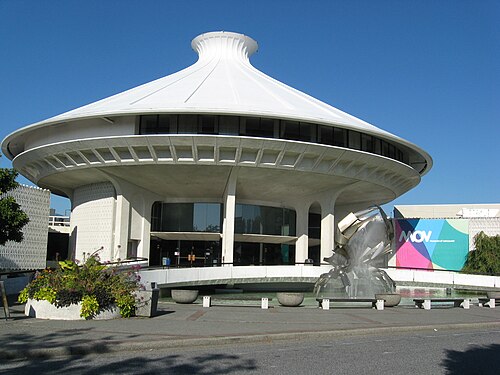
    The H.R. MacMillan Space Centre is a planetarium and astronomy museum located in Vanier Park, Vancouver. It occupies a distinctive building with a domed roof that has become a recognizable landmark on the city's skyline.

    • Must see
    • Museum
  7. Vancouver Maritime Museum Vancouver Maritime Museum
    08 1 hr 30 min

    Vancouver Maritime Museum

    Vancouver Maritime Museum is a heritage museum in Vanier Park beside English Bay. Its subject is the maritime history of the Pacific Northwest and Arctic regions, bringing together stories of seafaring, exploration, shipping, naval activity, and northern waters.

    • Must see
    • Museum
  8. Vancouver Police Museum Vancouver Police Museum
    09 1 hr 30 min

    Vancouver Police Museum

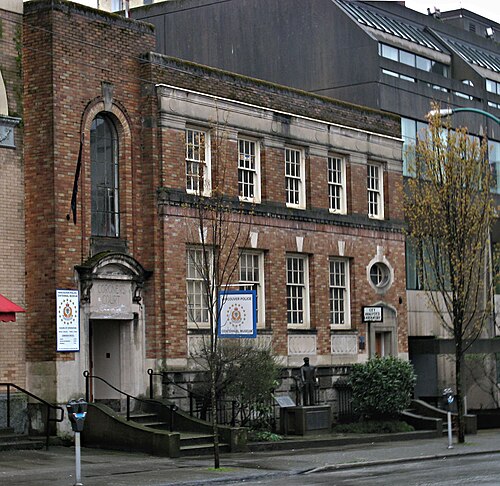
    The Vancouver Police Museum occupies a heritage building that formerly served as the city's coroner's court and morgue. Operated independently of the Vancouver Police Department, it preserves and presents materials related to law enforcement history in Vancouver.

    • Must see
    • Museum
  9. Roedde House Museum Roedde House Museum
    10 1 hr 30 min

    Roedde House Museum

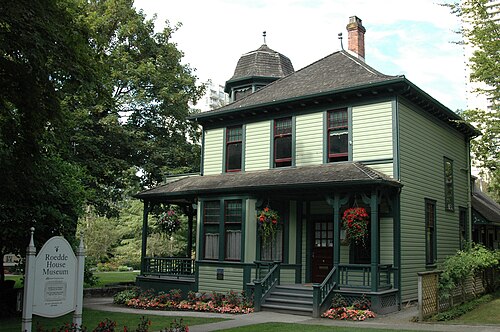
    Roedde House Museum is a restored Victorian-era residence in Vancouver's West End. It preserves the domestic history of the Roedde family, early Vancouver residents. The house represents late-19th-century middle-class family life through its architecture and surviving furnishings.

    • Must see
    • Museum
  10. Chinese Canadian Museum Chinese Canadian Museum
    11 1 hr 30 min

    Chinese Canadian Museum

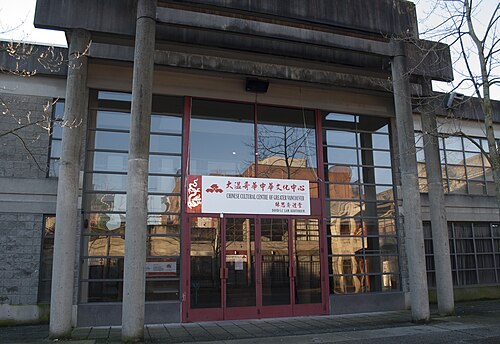
    The Chinese Canadian Museum is a history museum in Vancouver’s Chinatown, dedicated to Chinese Canadian heritage and lived experience. The museum places national stories inside a neighbourhood that has long been a centre of Chinese Canadian community life.

    • Must see
    • Museum

Source: OpenStreetMap contributors, Wikidata ·

How the city is laid out

The downtown peninsula is the easiest orientation point, bounded by Burrard Inlet, English Bay and False Creek. Stanley Park occupies the west; Gastown and Chinatown are east; Yaletown faces False Creek to the south. Granville Island and Kitsilano are across the water, while Commercial Drive and Mount Pleasant sit farther east and southeast. The North Shore requires a harbour crossing and should be planned separately from central neighbourhood walking.

Checked 2026-08-26

Getting around

Walk and cycle within downtown and the seawall network, then use rapid transit and buses for longer city trips. SeaBus connects the waterfront with North Vancouver, while small passenger ferries cross False Creek between central stops and Granville Island. Regional ferries, floatplanes and intercity services leave the urban system for destinations beyond Vancouver. Check official schedules and service notices before any harbour or regional connection.

Checked 2026-08-26

Common questions

How many days should I spend in Vancouver?

A fixed stay length is not recorded. Plan downtown and Stanley Park first, then add Granville Island, neighbourhoods or the North Shore according to your priorities.

Is downtown Vancouver walkable?

Yes. Downtown, the West End, Coal Harbour, Yaletown and the edge of Stanley Park form a compact peninsula suited to walking and cycling.

How do I reach North Vancouver?

SeaBus crosses Burrard Inlet from the downtown waterfront. Treat North Shore attractions as a separate cluster and verify onward bus connections before departure.

Is Granville Island downtown?

No. It sits across False Creek from downtown. Reach it by bus, walking and cycling routes, or a small passenger ferry across the water.

Do I need a car for central Vancouver?

No. Walking, cycling, rapid transit, buses and local ferries cover the central visitor districts. A car is more relevant for dispersed regional excursions.