


07
3 hours
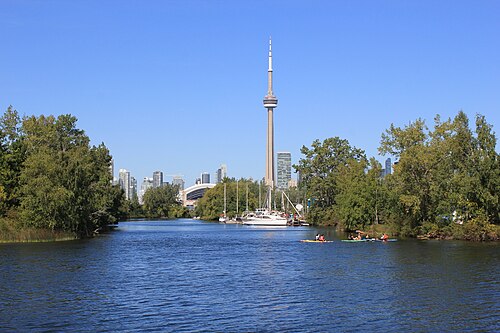
Toronto Islands
The Toronto Islands are a chain of small islands in Lake Ontario, located just offshore from the city's downtown core.
- Must see
- Nature site
- Toronto
Country guide
Canada is the second-largest country in the world by area and has the longest coastline of any, running from the Atlantic to the Pacific and north into the Arct...
Photograph · Chensiyuan · CC BY-SA 4.0
Reviewed by Elena Voss · Roavina Travel Editor
Canada is the second-largest country in the world by area and has the longest coastline of any, running from the Atlantic to the Pacific and north into the Arctic across ten provinces and three territories.
Just over 41 million people live in it, and not evenly: the great majority are in urban areas while very large stretches hold almost nobody. Ottawa is the capital, and Toronto, Montreal and Vancouver are the three largest metropolitan areas and the three realistic starting points. The federal government is officially bilingual in English and French, and which of the two a street is lived in changes as you cross the country.
Checked 2026-08-25
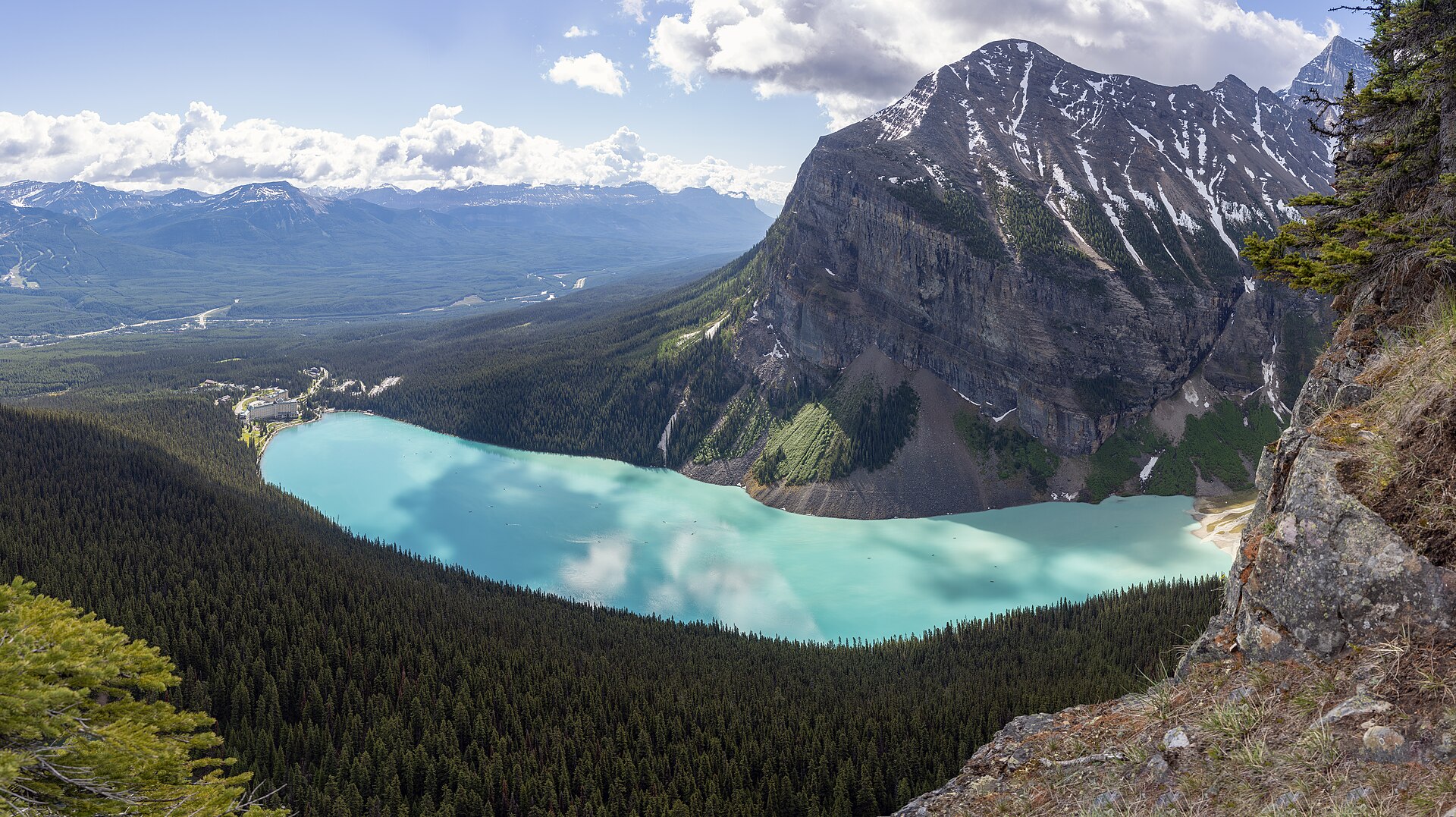
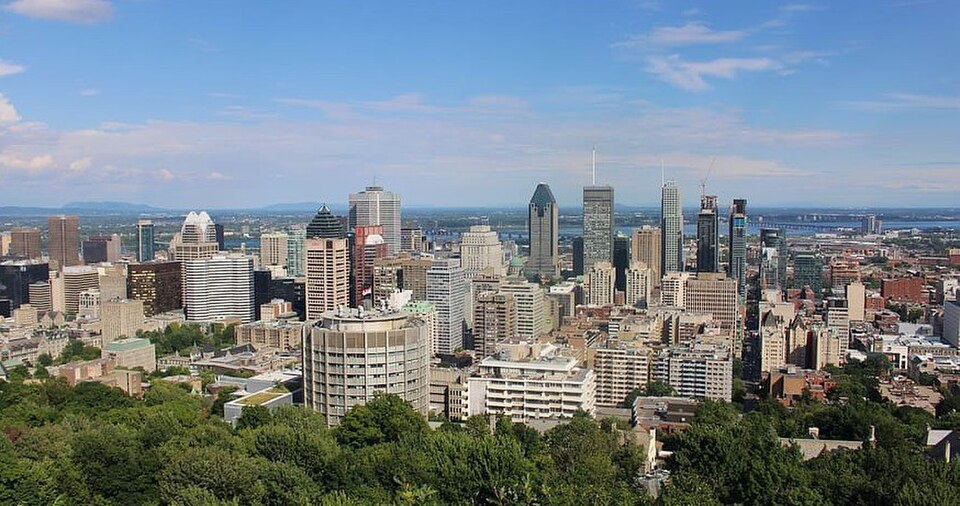
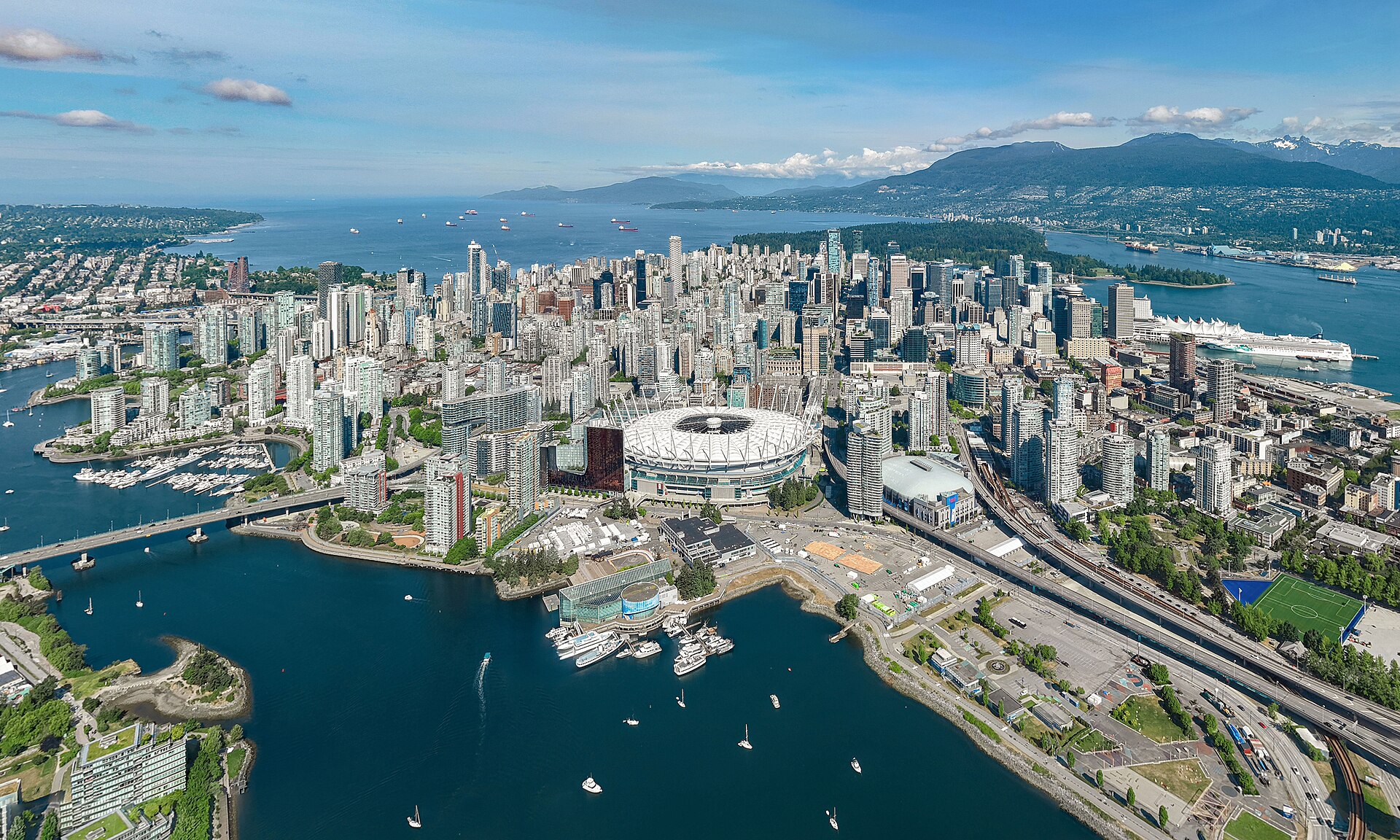
Every city catalogued in this country so far, ranked by how much there is to see.

Photograph · Jchmrt · CC BY-SA 4.0
Photograph · https://www.pxfuel.com/ · CC0
Photograph · Quintin Soloviev · CC BY 4.0
Photograph · Wilfredor · CC0
Ranked by importance — sitelinks, pageviews and heritage status, not editor preference.
224 places match
Category
Typical visit duration
Interests
The Toronto Islands are a chain of small islands in Lake Ontario, located just offshore from the city's downtown core.
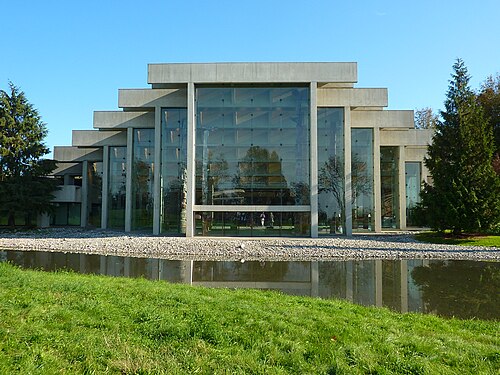
The Museum of Anthropology at UBC is a museum of world arts and cultures with a particular focus on the First Nations of the Pacific Northwest.
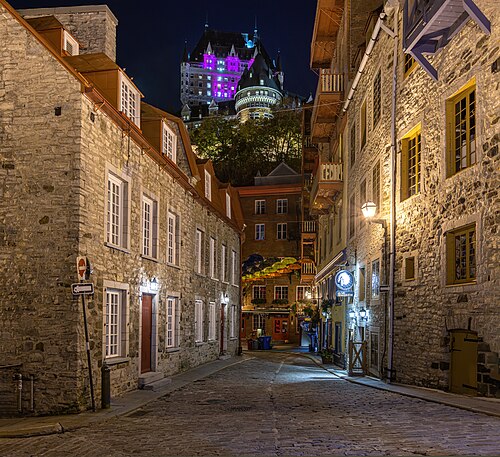
Petit Champlain is a historic quarter in Québec City's Lower Town, situated at the foot of Cap Diamant beneath the Château Frontenac escarpment. The area comprises narrow cobblestone streets and heritage buildings dating to the seventeenth and eighteenth centuries.
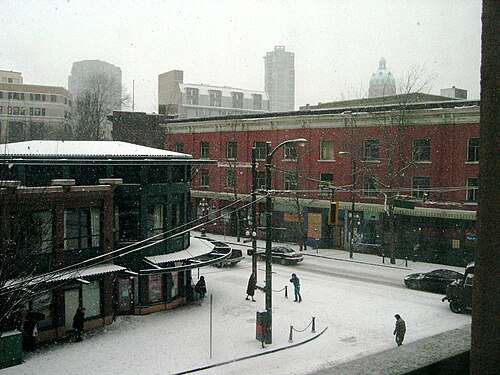
Gastown is Vancouver's oldest neighbourhood, established in 1867 and designated a National Historic Site of Canada. The district centres on Water Street and retains Victorian-era architecture alongside commercial development.
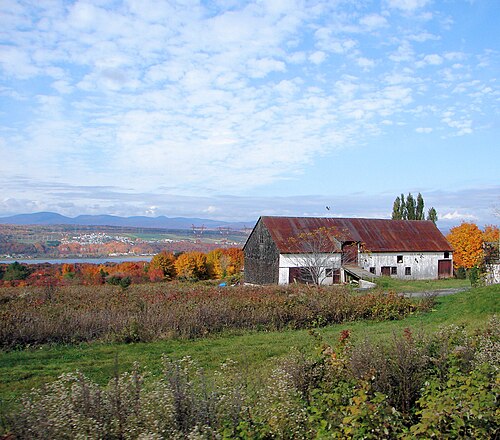
île d'Orléans
Île d’Orléans is a large agricultural island in the Saint Lawrence River downstream from Québec City. It is about 34 kilometres long and up to 8 kilometres wide, connected to the mainland by the Pont de l’Île bridge.
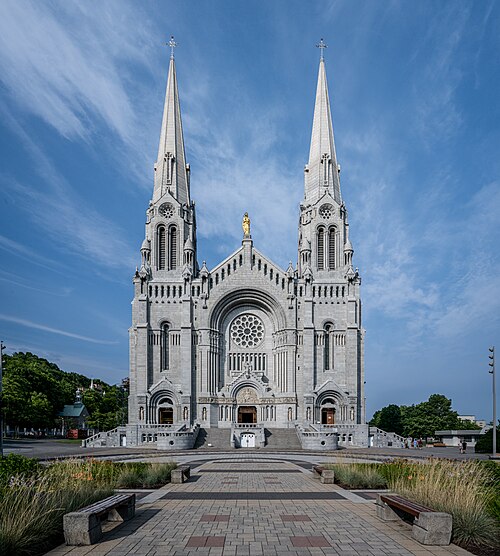
basilique Sainte-Anne-de-Beaupré
The Basilica of Sainte-Anne-de-Beaupré is a major Catholic pilgrimage basilica on the north shore of the Saint Lawrence River, northeast of Québec City. Dedicated to Saint Anne, it has attracted pilgrims for centuries.
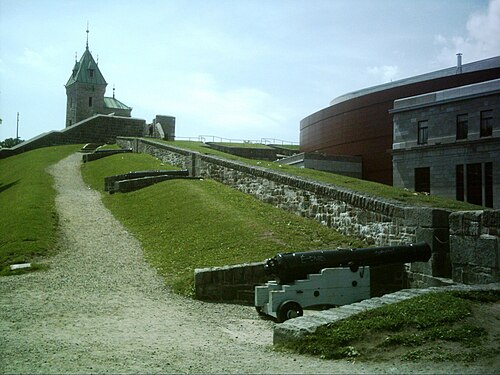
fortifications de Québec
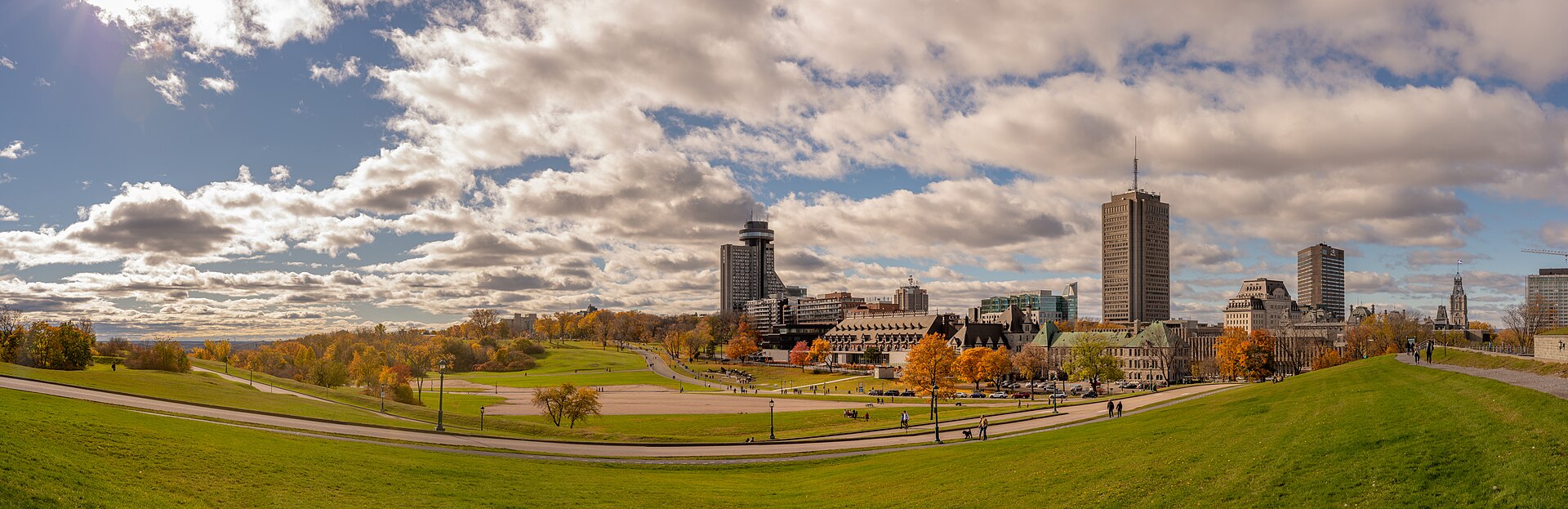
The Fortifications of Quebec are the defensive walls, gates, and ramparts that encircle Old Quebec, forming the only remaining fortified city walls in North America north of Mexico.
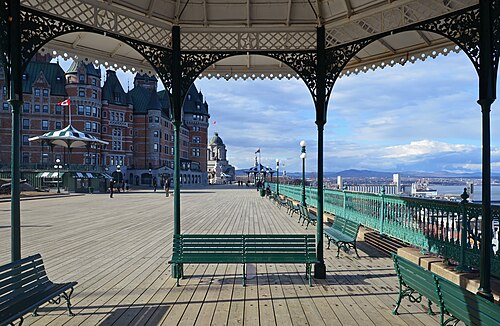
terrasse Dufferin
Dufferin Terrace is a historic boardwalk in Québec City's Upper Town, running alongside the Château Frontenac. This elevated promenade overlooks the St.
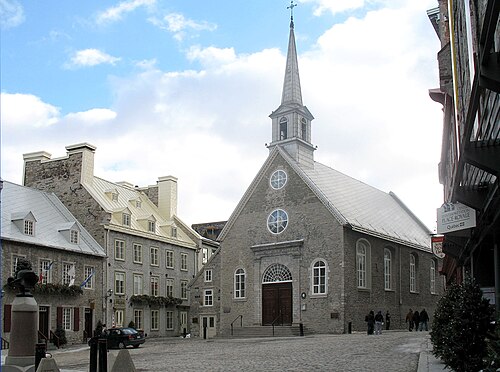
Place Royale is a historic public square in Quebec City's Lower Town, widely recognized as the restored birthplace precinct of French North America.
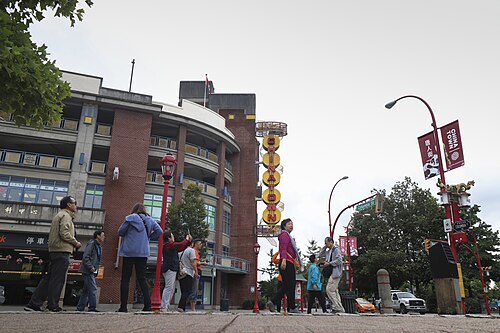
Vancouver Chinatown is one of North America's largest historic Chinatowns, established in the late nineteenth century. It sits east of downtown Vancouver, centred around Pender Street and Main Street.
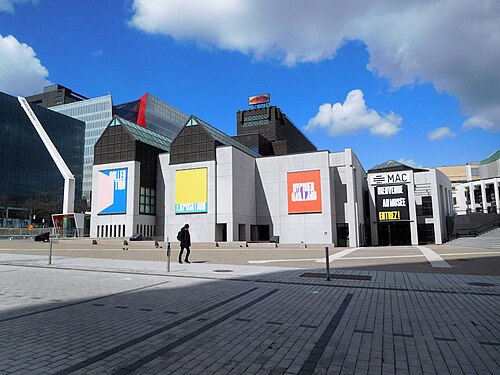
The Musee d'art contemporain de Montreal is Quebec's principal public museum devoted to contemporary art and digital-media practice. Located in Montreal, it serves as a major cultural institution dedicated to collecting, exhibiting, and promoting contemporary artistic creation.
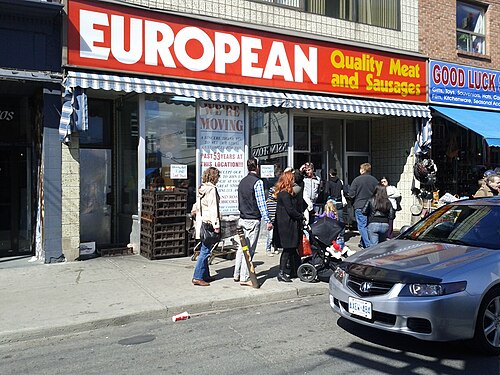
Kensington Market is a dense heritage market neighbourhood in downtown Toronto. It occupies several city blocks northwest of the central business district, centered around Augusta Avenue and Kensington Avenue.
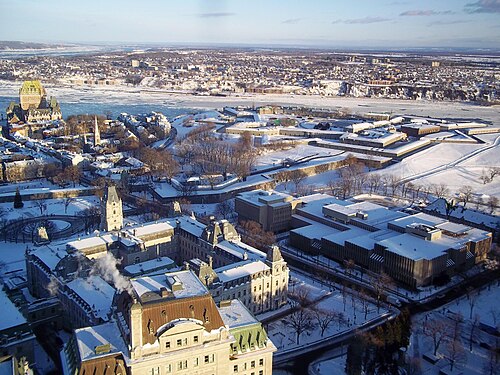
Observatoire de la Capitale
Observatoire de la Capitale is an indoor panoramic viewpoint in the Marie-Guyart Building. Its appeal is the elevated view over Québec City and the chance to understand the city’s geography from above.
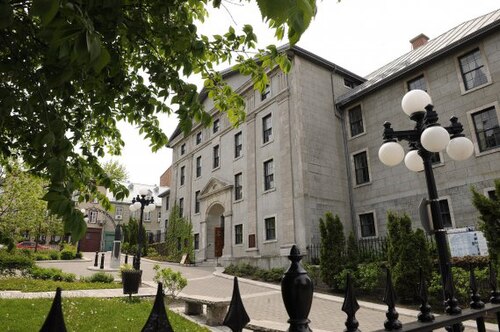
The Morrin Centre is a cultural institution occupying a landmark building in Quebec City's Old Town. The structure served as a prison from 1812 to 1868 before conversion to an educational facility.
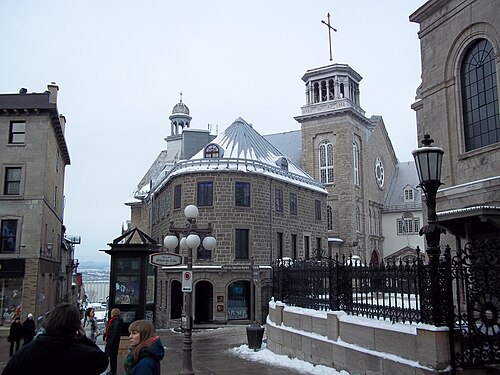
The Musée de l’Amérique francophone is a history museum in the Séminaire de Québec complex in Québec City. It explores French-speaking communities across North America, linking regional history with wider stories of settlement, migration, religion, education, and cultural continuity.

Yaletown is a converted warehouse district on the southern edge of downtown Vancouver. Formerly an industrial rail yard and warehousing area, the neighbourhood has been redeveloped into a dining, design, and waterfront destination.
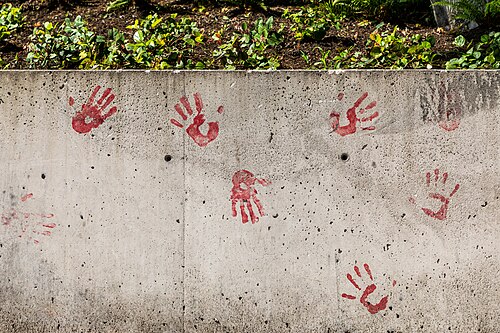
Robson Street is Vancouver's principal central shopping and visitor thoroughfare, stretching through the downtown core.
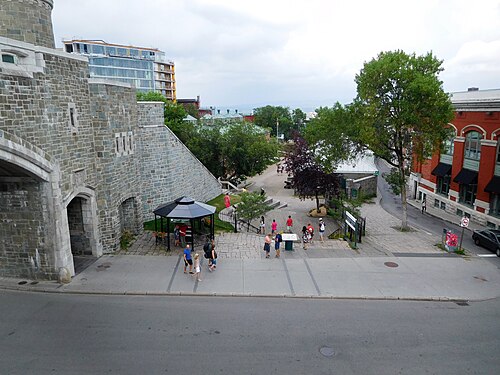
Artillery Park is a staffed national historic site within the Fortifications of Quebec National Historic Site. It preserves military heritage buildings and grounds that served defensive functions from the 18th to 19th centuries.
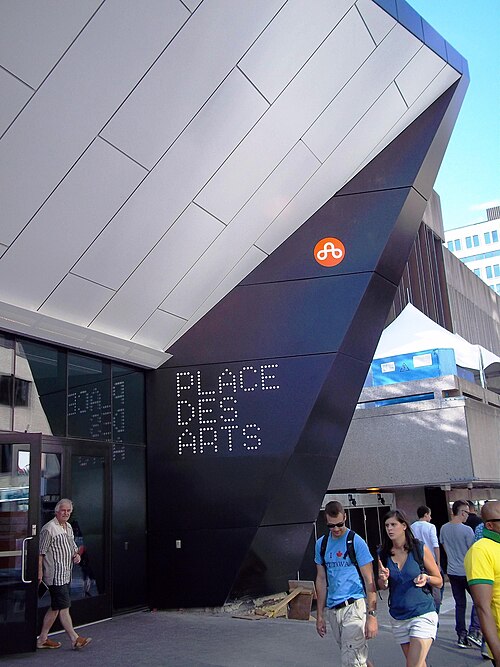
Place des Arts is Montreal's leading performing-arts complex, serving as the cultural anchor of the Quartier des Spectacles district. Opened in 1963, it encompasses multiple concert halls and theatres on a single downtown site.
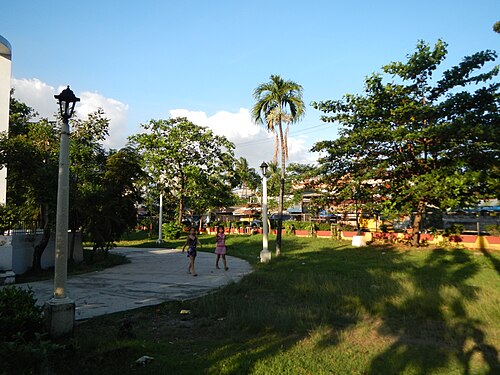
Governors’ Promenade is a cliffside pedestrian boardwalk in Québec City, linking Dufferin Terrace with the Plains of Abraham.
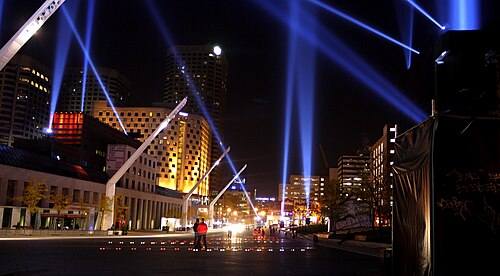
Quartier des spectacles
Quartier des Spectacles is a designated cultural district in downtown Montreal, Quebec. Established as an official zone, it concentrates the city's major performing arts venues, festivals, and public cultural spaces within a compact area.
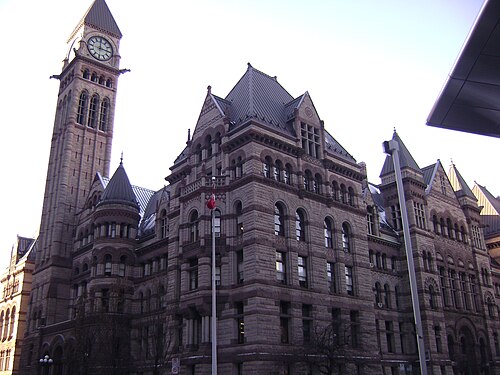
Old City Hall is Toronto’s former civic headquarters, a Richardsonian Romanesque landmark completed in 1899 at Queen Street West and Bay Street. Its clock tower and richly carved sandstone exterior make it one of downtown’s most recognisable historic buildings.
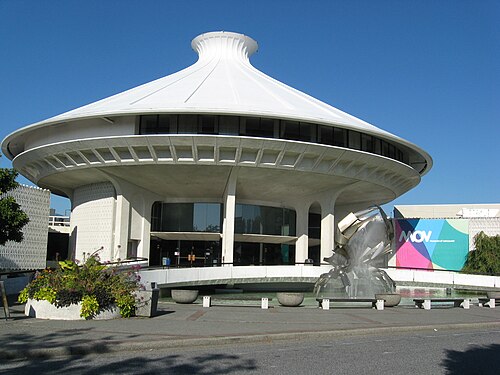
The H.R. MacMillan Space Centre is a planetarium and astronomy museum located in Vanier Park, Vancouver. It occupies a distinctive building with a domed roof that has become a recognizable landmark on the city's skyline.
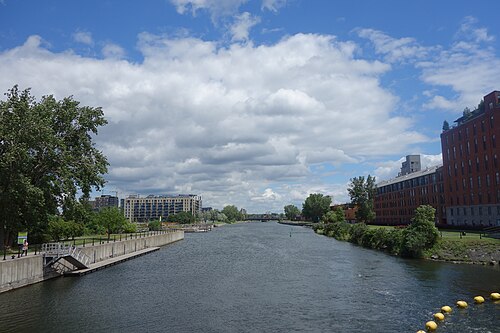
Canal de Lachine
The Lachine Canal is a National Historic Site of Canada and a defining linear park that runs through southwestern Montreal.
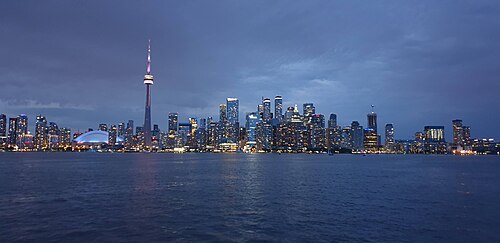
The CN Tower is Toronto's 553.33-metre communications and observation tower, built as a national engineering landmark and now operated as a ticketed visitor attraction.
Ten to sixteen days is realistic for one Canadian region, not for crossing the country. An eastern cities route, a Rockies journey and a Pacific itinerary each work better as their own trip.
Immigration, Refugees and Citizenship Canada lists visitor visa and electronic travel authorisation rules. The required document depends on passport, travel method and status, so complete the official eligibility check for the actual journey.
Toronto, Vancouver and Montréal are the principal air gateways. VIA Rail is most useful in the Québec City–Windsor corridor and on selected long-distance services; outside major centres, a car or domestic flight may be necessary.
May to September suits many city and national-park itineraries, but northern access and mountain conditions have shorter operating seasons. Winter is a separate travel plan with different road, daylight and activity constraints.
Prices are in Canadian dollars (CAD). Payment fees and acceptance are Not recorded at national level here, so verify rental deposits, remote-area fuel payment and card conversion terms directly with each provider.
Call 911 for an emergency in Canada. Electrical supply is 120 V through Type A and B sockets; the source set does not record one nationwide tap-water statement, so local guidance applies.