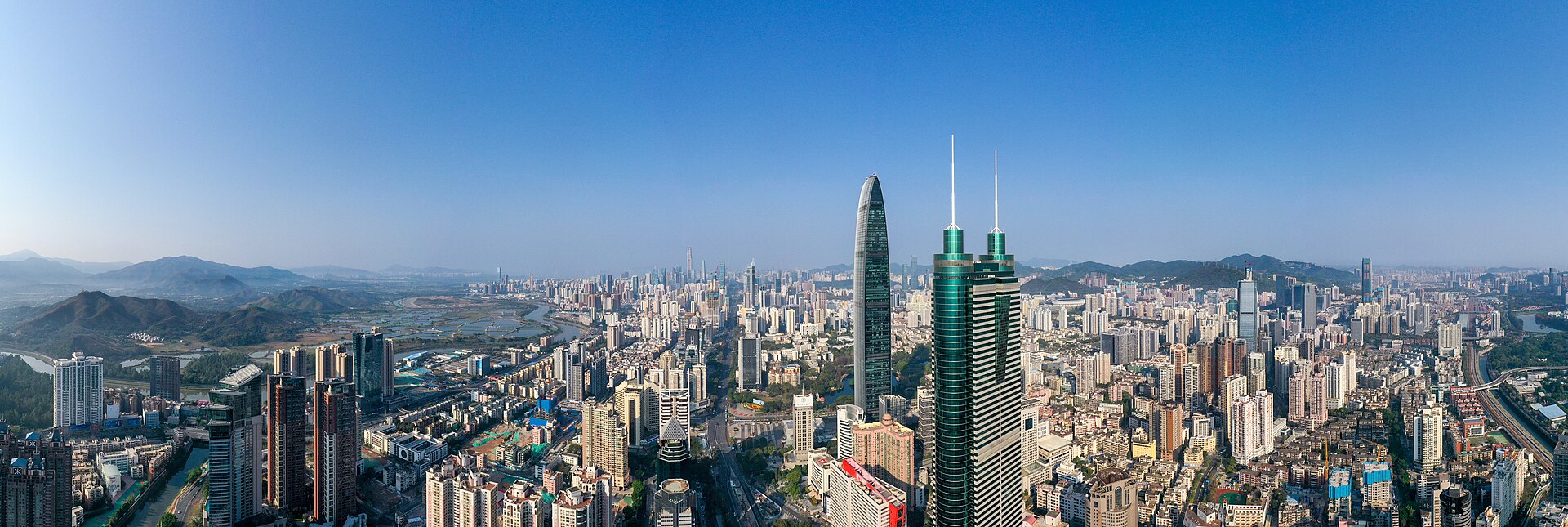
A photograph of Shenzhen

City guide · China

Up to 1 hour in Shenzhen, China — page 2

Shenzhen is a polycentric city stretching along the coast and the Hong Kong border. Futian forms the civic and business centre, Luohu combines an older commerci...

Photograph · Charlie fong · CC BY-SA 4.0

3,880 Places
Suggested stay
Not recorded
Getting around
Walking, metro and rail

Turn this list into a plan

Set your days, your pace and the hours you actually want to be out. The planner works around closing days and travel time, and leaves room to eat.

Plan Shenzhen

Reviewed by Elena Voss · Roavina Travel Editor

Shenzhen is a polycentric city stretching along the coast and the Hong Kong border. Futian forms the civic and business centre, Luohu combines an older commercial core with a major border crossing, and Nanshan holds many museums, theme parks and technology districts. Eastern beaches and mountain areas sit far beyond the central urban sequence.

Checked 2026-08-26

Practical information

Language spoken
Standard Chinese; regional languages are widely used
National practical orientation; regional and minority languages may also be used
Dialling code
+86 mainland · +852 Hong Kong · +853 Macao
International calling code; local area and mobile prefixes still apply
Currency
Renminbi (CNY); HKD and MOP in the SARs
Use the official local currency; card acceptance varies by place
Emergency number
110 police · 120 medical on the mainland
Use only for an emergency; tourist assistance may use a separate number
Plug type
Type A, C and I · 220 V
Check that chargers support the recorded voltage before using an adapter
Tap water
Not recorded
No single verified statement covers mainland China and both SARs

Planning a visit

September · Shenzhen Meteorological Bureau identifies September as part of the July-to-September late flood season, when an average three to four tropical cyclones affect the city.

  1. January: best time to visit
  2. February: best time to visit
  3. March: good time to visit
  4. April: viable with meaningful trade-offs
  5. May: viable with meaningful trade-offs
  6. June: viable with meaningful trade-offs
  7. July: recurring difficult conditions
  8. August: recurring difficult conditions
  9. September: recurring difficult conditions — current month
  10. October: good time to visit
  11. November: best time to visit
  12. December: best time to visit

Sources

Top things to see

Ranked by importance — sitelinks, pageviews and heritage status, not editor preference.

  1. He Xiangning Art Museum He Xiangning Art Museum
    26 1 hour

    He Xiangning Art Museum

    何香凝美术馆

    He Xiangning Art Museum is a public art museum in Shenzhen devoted to the work and legacy of He Xiangning, an artist and prominent figure in modern Chinese history.

    • Must see
    • Art and culture venue
  2. Gankeng Hakka Town Gankeng Hakka Town
    27 45 min

    Gankeng Hakka Town

    甘坑客家小镇

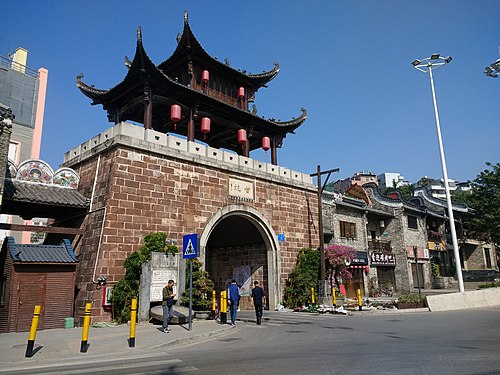
    Gankeng Hakka Town is a cultural heritage destination in Shenzhen’s Longgang District, centred on Hakka architecture, settlement patterns and folk culture.

    • Must see
    • Historic monument
  3. Guanlan Printmaking Village Guanlan Printmaking Village
    28 45 min

    Guanlan Printmaking Village

    观澜版画村

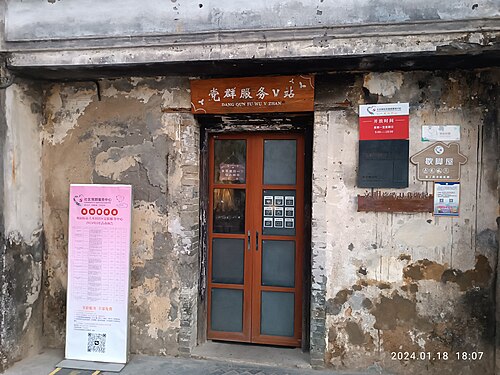
    Guanlan Printmaking Village is a cultural heritage site in Shenzhen's Longhua District, known for its historical architecture and contemporary printmaking tradition. The village preserves traditional Hakka-style buildings while functioning as an active base for printmaking artists.

    • Must see
    • Historic monument
  4. 光明农场大观园
    29 45 min

    光明农场大观园

    Guangming Farm Grand View Garden is an agricultural tourism attraction in Shenzhen’s Guangming District. It offers a rural counterpoint to the city’s dense urban landscape, bringing visitors into a farm-oriented setting within the metropolitan area.

    • Must see
    • Historic monument
  5. 玫瑰海岸
    30 1 hour

    玫瑰海岸

    Rose Coast, also known locally as 玫瑰海岸, is a coastal scenic destination in Shenzhen. The experience centers on shoreline scenery and landscaped outdoor spaces, offering a change from the city’s towers and commercial streets.

    • Must see
    • Nature site
  6. Shenzhen Reservoir Shenzhen Reservoir
    31 1 hour

    Shenzhen Reservoir

    深圳水库

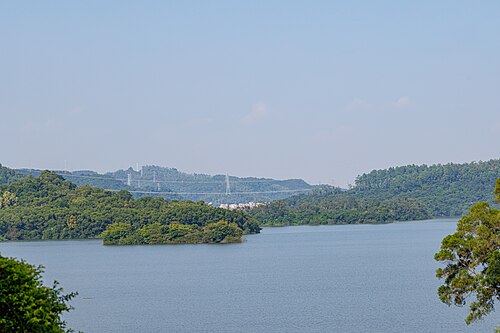
    Shenzhen Reservoir, known locally as 深圳水库, is a major water-storage facility in Shenzhen, Guangdong.

    • Must see
    • Art and culture venue
  7. Donghu Park Donghu Park
    32 1 hour

    Donghu Park

    东湖公园

    East Lake Park, known locally as 东湖公园, is a public green space in Shenzhen. It offers an urban setting for walking, rest, and contact with trees and water within a dense metropolitan environment.

    • Must see
    • Nature site
  8. Xili Eco Park
    33 1 hour

    Xili Eco Park

    西丽生态公园

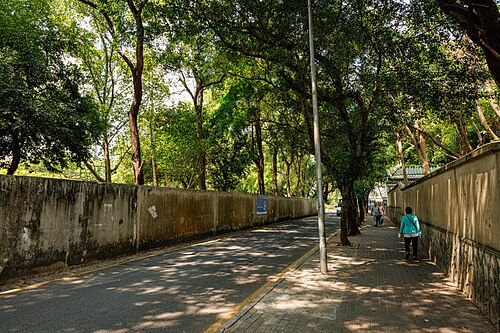
    Xili Ecological Park, locally called 西丽生态公园, is a green space in Xili, within Shenzhen’s Nanshan District. It gives visitors an outdoor setting among natural surroundings in one of the city’s densely developed metropolitan areas.

    • Must see
    • Nature site
  9. Xiangmi Park
    34 1 hour

    Xiangmi Park

    香蜜公园

    Honey Park is a mapped public green space in Shenzhen, identified by OSM way 540340500.

    • Must see
    • Nature site
  10. Shenzhen Bay Mixc Shenzhen Bay Mixc
    35 45 min

    Shenzhen Bay Mixc

    深圳湾万象城

    MixC Shenzhen Bay is a major shopping complex in Shenzhen, a city in southern China adjacent to Hong Kong. It forms part of the MixC portfolio developed by China Resources Land, a prominent mainland property developer.

    • Must see
    • Market
  11. Qianhai Snow World Qianhai Snow World
    36 45 min

    Qianhai Snow World

    前海冰雪世界

    Qianhai Snow World is an indoor snow and ice entertainment complex in Shenzhen’s Qianhai area. It offers a winter-themed leisure experience in a subtropical coastal city where natural snow is not part of everyday life.

    • High
    • Market
  12. Nanshan Mountains (Shenzhen) Nanshan Mountains (Shenzhen)
    37 20 min

    Nanshan Mountains (Shenzhen)

    大南山

    Dananshan Mountain, or 大南山, is an urban green hill in Shenzhen’s Nanshan District near the Shekou peninsula. Its trails lead through subtropical vegetation to elevated viewpoints over Shenzhen, Shenzhen Bay, and the surrounding built-up landscape.

    • High
    • Viewpoint

Source: OpenStreetMap contributors, Wikidata ·

How the city is laid out

Treat Futian, Luohu and Nanshan as separate day clusters linked by metro. Civic Centre, Lianhuashan and the central skyline fit together in Futian; Dongmen and the border area define Luohu; OCT, Shekou and the bayfront spread across Nanshan. Dapeng Peninsula and eastern coastal sites require a dedicated outward journey.

Checked 2026-08-26

Getting around

Shenzhen Government Online describes a broad rail-transit network and four high-speed railway stations, including a direct rail connection to Hong Kong. Use rail for movement between the city's widely separated districts and walk within one selected cluster at a time. The official guide does not provide a single universal route for every attraction, so consult current station and service information separately before a cross-city journey or onward travel to Hong Kong.

Checked 2026-08-26

More city guides

Common questions

How many days should I spend in Shenzhen?

A fixed stay length is not recorded. Build the visit around Futian, Luohu and Nanshan, then add Dapeng and the eastern coast only when the available time supports a separate journey.

What is the best way to organise sightseeing in Shenzhen?

Group places by district instead of crossing the city repeatedly. Start with Futian, Luohu and Nanshan; treat Dapeng and the eastern coast as separate routes with their own travel allowance.

How do I get around Shenzhen?

Walk within one district cluster and use the metro or rail network for longer journeys. Consult current official station and service information before relying on a particular connection.

Can I explore Shenzhen mainly on foot?

Only within individual neighbourhood clusters. The main visitor areas are separated by distances, waterways, major roads or regional approaches, so longer links normally need public transport or a licensed vehicle.

Which Shenzhen sights need separate transport planning?

Plan Dapeng and the eastern coast separately from Futian, Luohu and Nanshan. Check the current route, return connection and any access requirements on the official source before departure.