


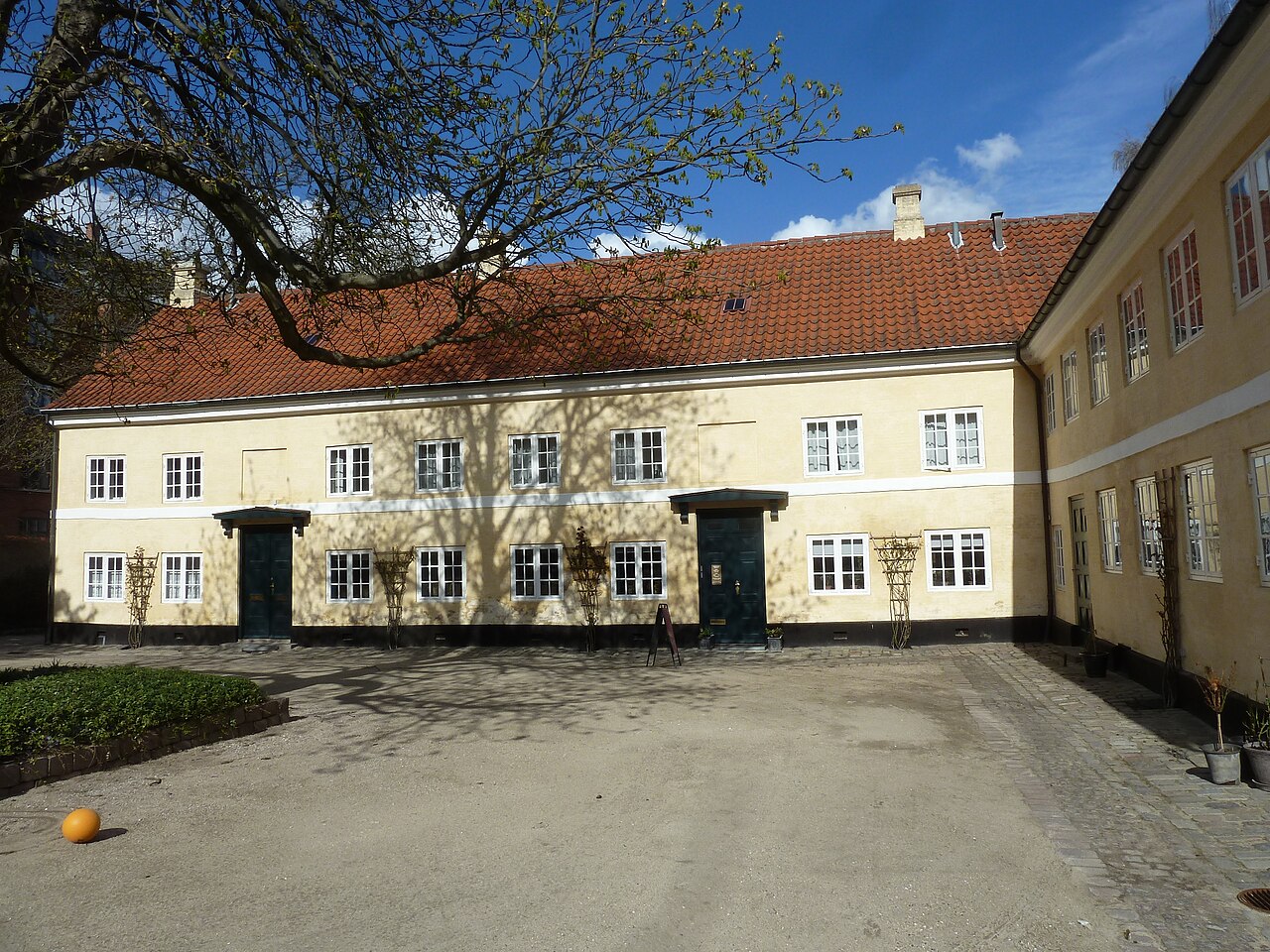
11 min walk
Bakkehuset
- High
- Museum
Place of worship · Copenhagen
Mosaisk Vestre Begravelsesplads
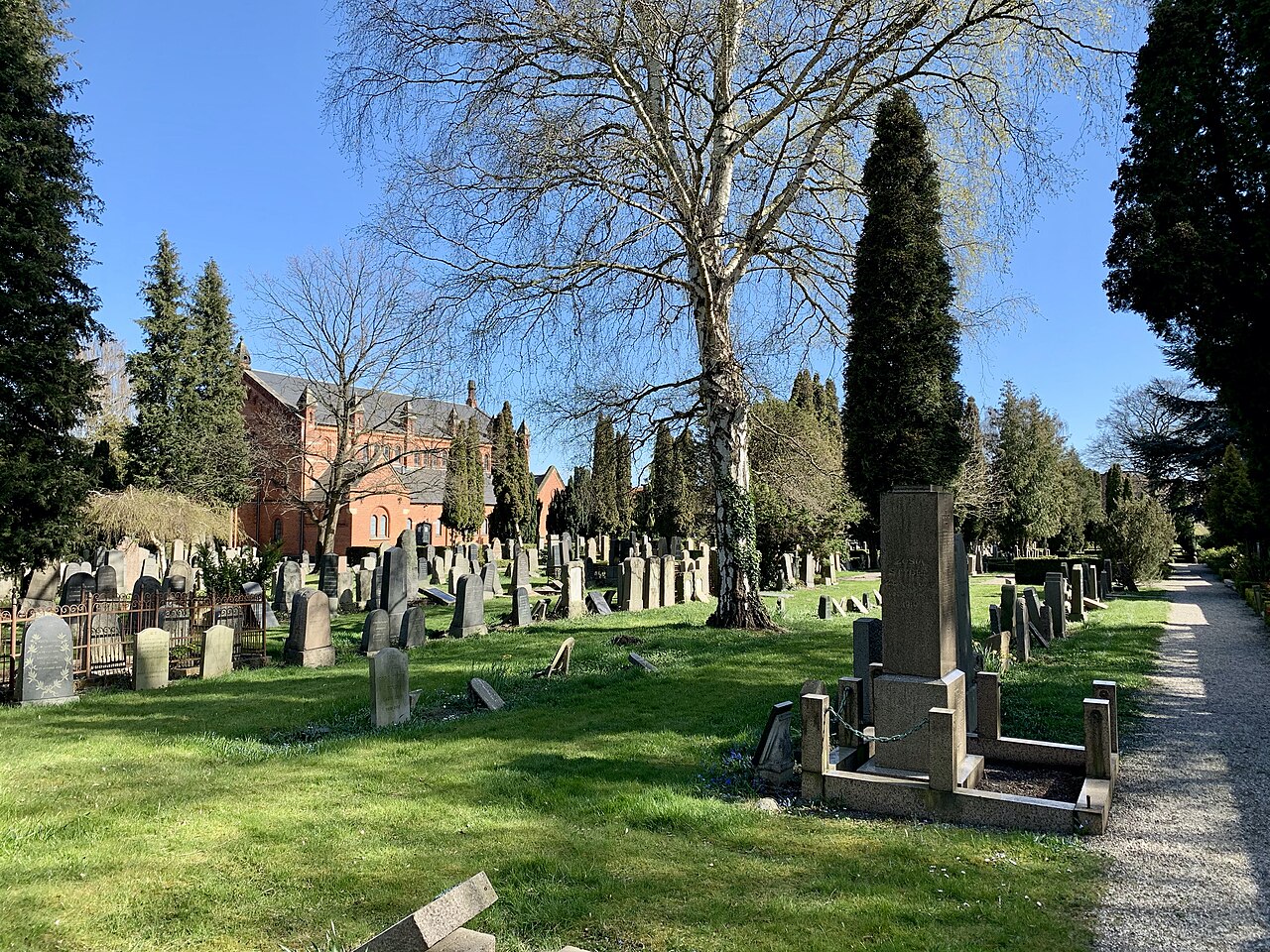
Jewish Western Cemetery, also known locally as Mosaisk Vestre Begravelsesplads, is a historic Jewish burial ground in western Copenhagen. The cemetery serves the Jewish community and also reflects the long presence of Jewish life in Denmark. Established in the nineteenth century, the site contains graves from multiple generations and remains an active religious place. Visitors should approach the cemetery as a sacred space first and a heritage site second. Its importance lies in the continuity of community memory, the quiet landscape and the personal histories represented by the graves. A visit calls for patience, modesty and respect for families connected with those buried here.
Checked 2026-08-26 · Source
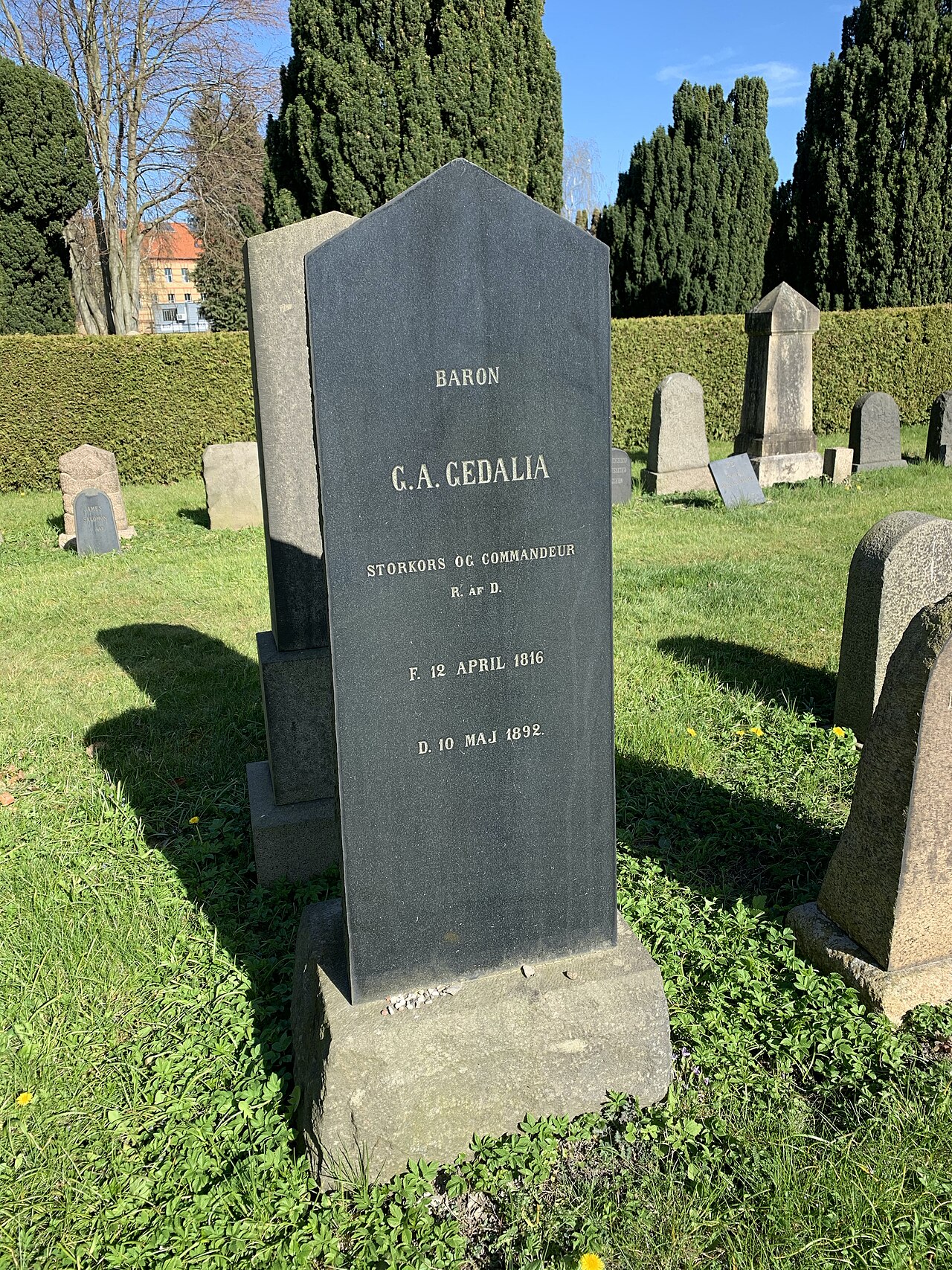
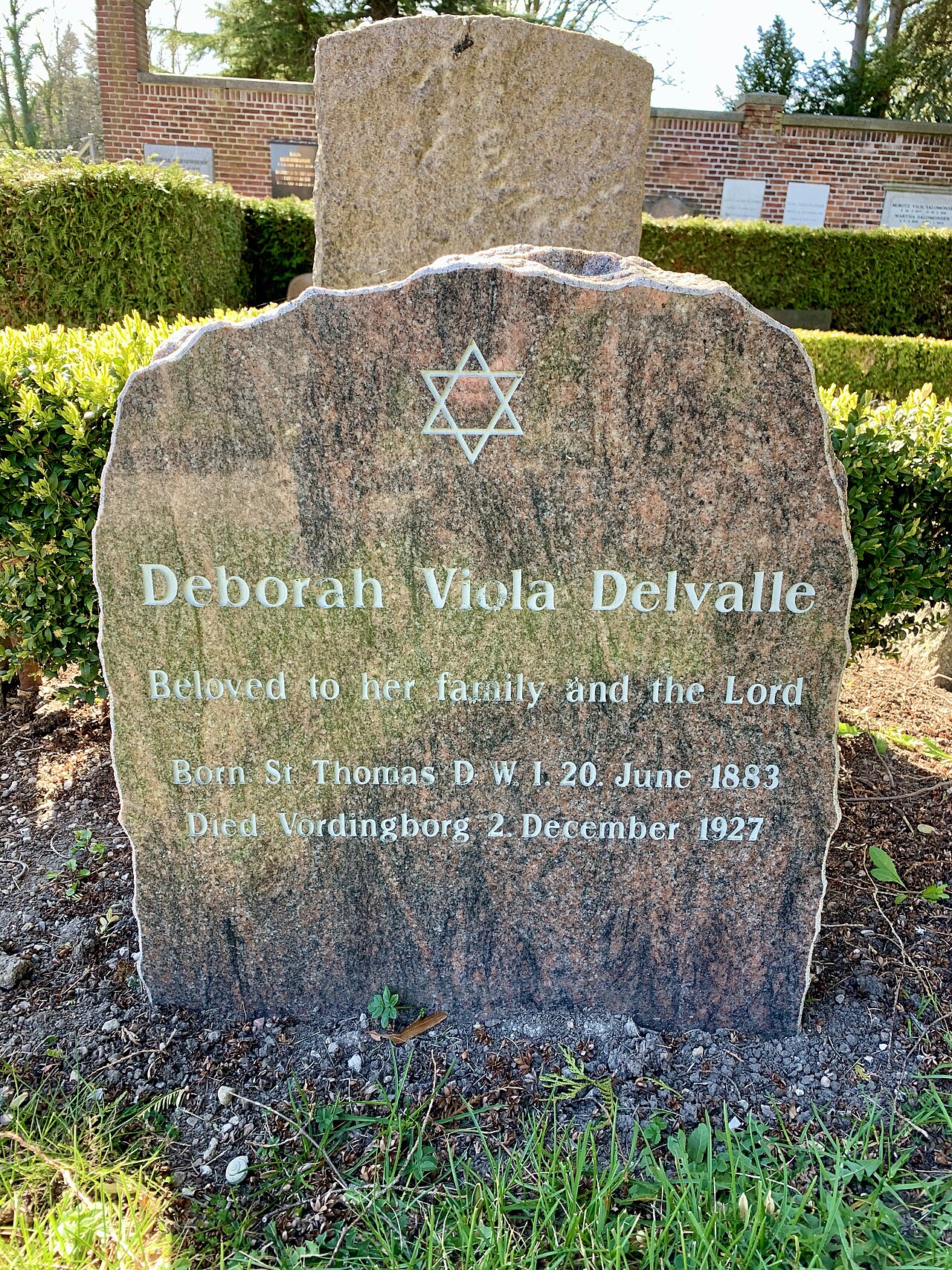
The cemetery grounds contain grave markers and monuments from different periods of Jewish burial history in Copenhagen. Mature trees and maintained greenery create a quiet setting, while inscriptions may appear in Hebrew, Danish or other languages connected with the community’s varied backgrounds. The arrangement of graves and the dignity of the landscape communicate Jewish customs and remembrance without the atmosphere of a conventional museum. Visitors can observe the age, materials and patterns of the markers, but should keep the focus on respectful understanding rather than close inspection of private memorials. The cemetery’s active religious purpose remains visible in its careful maintenance and contemplative character.
Checked 2026-08-26 · Source
Allow twenty minutes to one hour for a quiet visit to Jewish Western Cemetery. A short visit can involve walking through part of the grounds, observing the landscape and taking time for reflection. Visitors tracing family history may need much longer to locate graves, read inscriptions and move carefully between sections. The cemetery does not function as a timed exhibition, so duration should follow the visitor’s purpose rather than a fixed route. Leave enough time to remain unhurried and to step aside if mourners or community activities require privacy. The quality of the visit depends more on respectful attention than on covering every part of the grounds.
Checked 2026-08-26 · Source
Plan a visit during daylight and choose a time that allows the cemetery to remain quiet. Copenhagen’s summer months offer longer daylight for outdoor observation, while winter visits require warm clothing and attention to the earlier sunset. Avoid entering during a funeral, memorial gathering or other religious activity, and withdraw quietly if mourners need the area. The atmosphere changes from leafy shade in summer to a more open, spare landscape in winter. A calm daytime visit supports reflection and careful movement. Because this is an active cemetery, respect for community use should guide the timing of every visit.
Checked 2026-08-26 · Source
Jewish Western Cemetery is a religious and community burial ground rather than a conventional paid attraction. Visitors seeking historical or genealogical context should treat the site with the same care as a place of worship and remembrance. Do not turn the cemetery into a casual sightseeing shortcut. The value of the visit comes from the community history, grave markers and atmosphere of remembrance, not from commercial facilities or a programmed visitor route.
Checked 2026-08-26 · Source
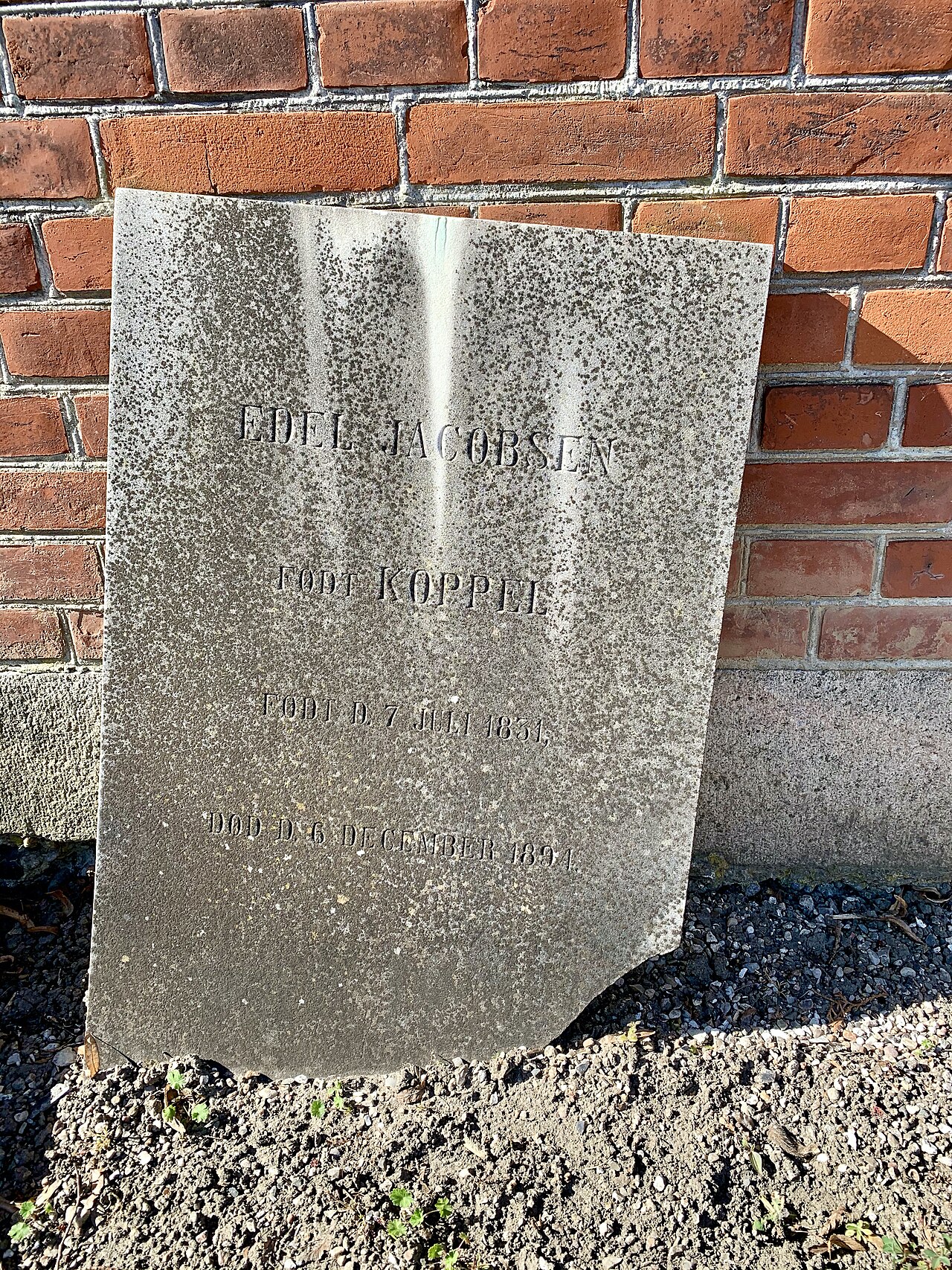
Jewish Western Cemetery lies in western Copenhagen. Bus services connect the surrounding neighbourhood, and cycling is a practical way to travel through the city. Visitors arriving by public transport can continue on foot from a suitable nearby stop, while those staying in western districts may find walking a natural part of the route. The supplied description does not name a precise street address, route number or closest landmark, so navigation should use the cemetery’s mapped location rather than a guessed reference point. Arrive with enough time to find the entrance calmly and avoid rushing into a sacred place.
Checked 2026-08-26 · Source
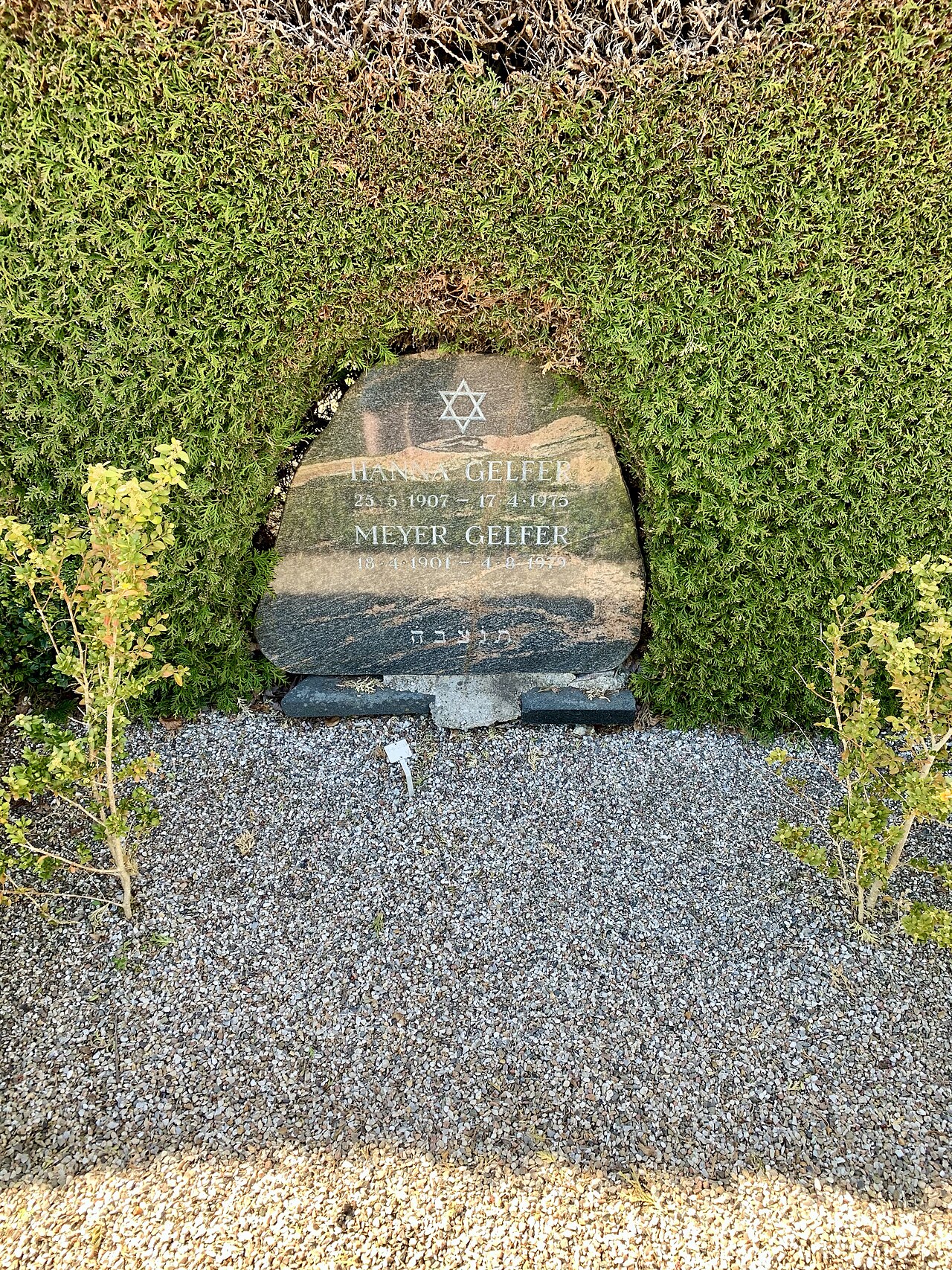
Dress and conduct should reflect the cemetery’s sacred Jewish purpose. Wear modest clothing, remain on designated paths and avoid touching, leaning on or stepping across grave markers. Keep voices low, especially when other visitors are mourning or attending a religious activity. Older surfaces may be uneven, and rain can affect footing, so walk carefully. Never photograph mourners without permission, and leave promptly and quietly if a funeral or community ceremony is taking place.
Checked 2026-08-26 · Source
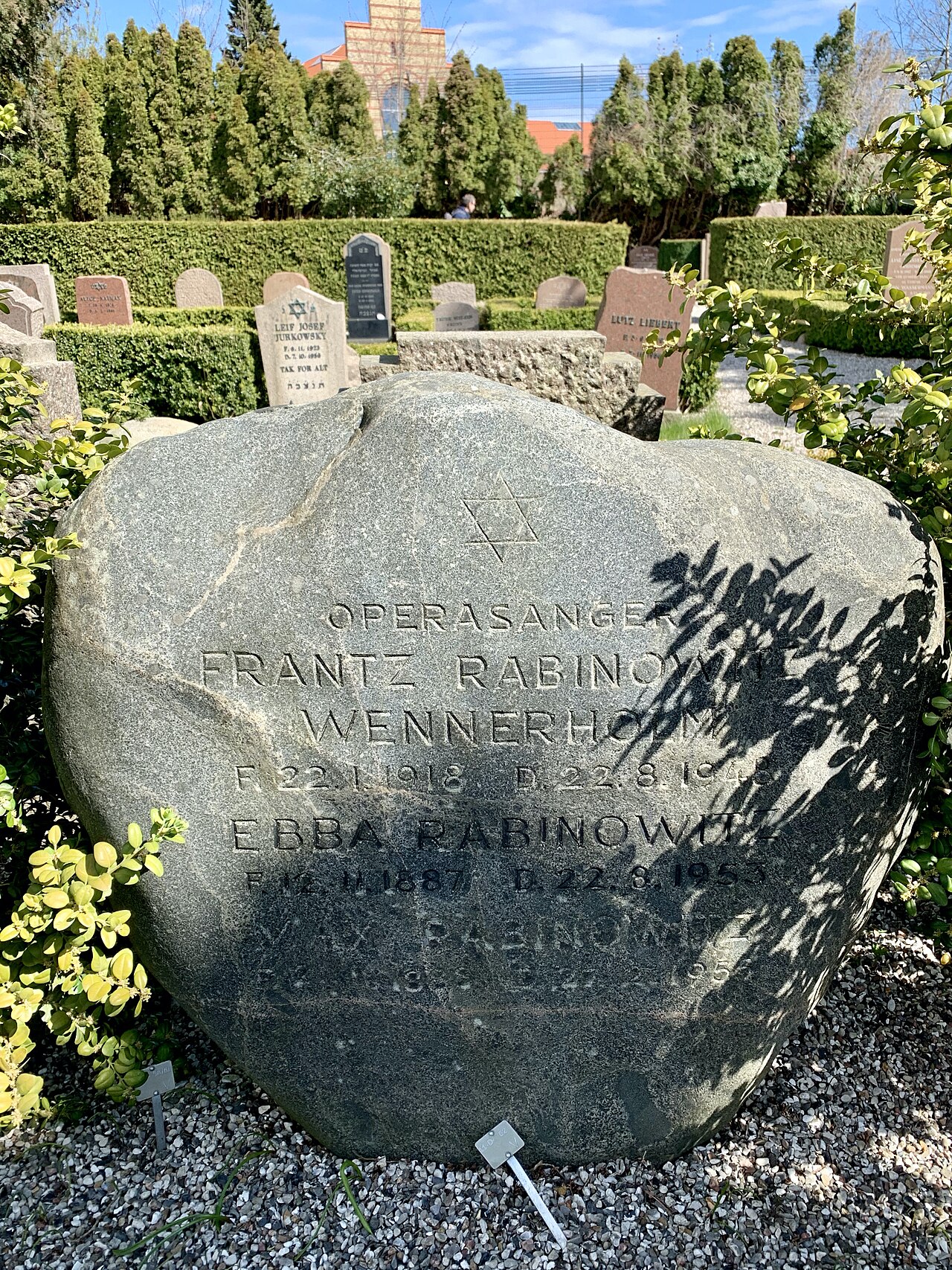
Photography at Jewish Western Cemetery requires particular sensitivity because the grounds are an active place of mourning and religious memory. Landscape images can record the trees, paths and overall atmosphere without focusing on individual people. Avoid photographing mourners, funerals or private moments, and do not treat grave inscriptions as casual subjects. Follow signs and any instructions from cemetery staff or community representatives. When a scene feels intrusive, lower the camera and continue walking. Respectful observation is more important than obtaining a complete visual record. If photography is appropriate, use quiet, unobtrusive framing and keep equipment from obstructing paths or other visitors.
Checked 2026-08-26 · Source
It is a historic Jewish burial ground in western Copenhagen, also known locally as Mosaisk Vestre Begravelsesplads, serving the Jewish community since the nineteenth century.
The cemetery reflects the long presence of Jewish life in Denmark and contains graves from multiple generations of Copenhagen’s Jewish community.
Visitors see grave markers, monuments, inscriptions and maintained greenery representing different periods of Jewish burial history in Copenhagen.
Allow twenty minutes to one hour for a quiet visit, with extra time needed for genealogy, grave searches or careful reading of inscriptions.
Dress modestly, keep voices low, remain on paths, avoid touching graves and leave quietly if funerals, mourning or religious activities are taking place.
Use particular sensitivity: avoid photographing mourners, funerals and private moments, follow cemetery instructions and favour unobtrusive landscape images when appropriate.
Loading the interactive map…
The interactive map could not be loaded.
Last updated:
Source: OpenStreetMap contributors, Wikidata ·