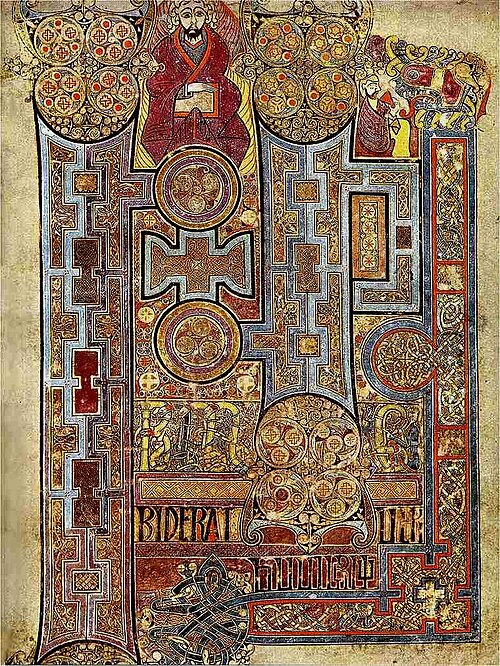
Book of Kells
The Book of Kells is an illuminated manuscript Gospel book in Latin, containing the four Gospels of the New Testament. It is housed at Trinity College Dublin.
- Must see
- Historic monument
City guide · Ireland
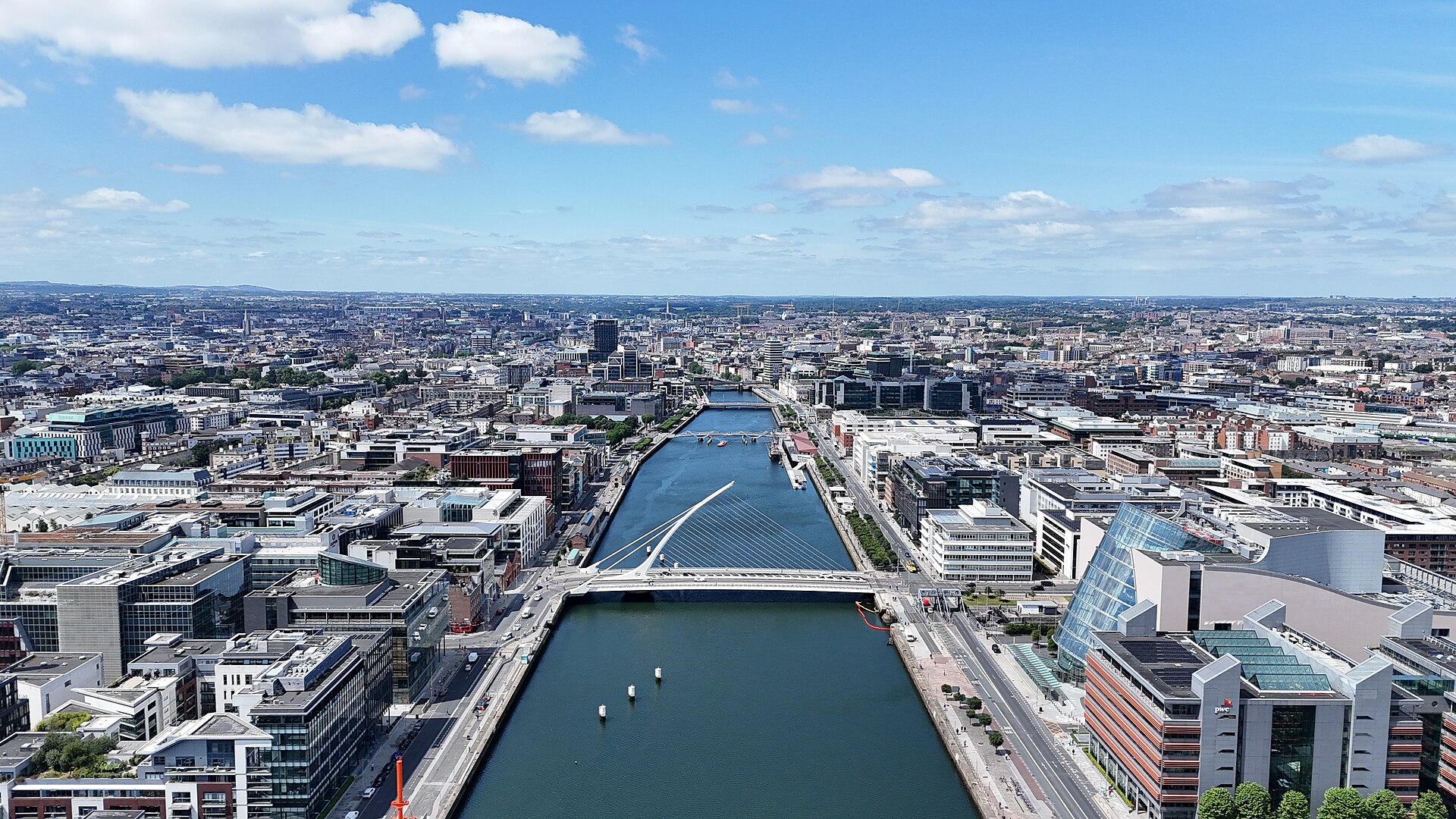
Dublin is a compact capital divided by the River Liffey, with most central sights within a practical walking area. The medieval and Georgian cores sit south of...
Photograph · 瑞丽江的河水 · CC BY-SA 4.0
Set your days, your pace and the hours you actually want to be out. The planner works around closing days and travel time, and leaves room to eat.
Reviewed by Elena Voss · Roavina Travel Editor
Dublin is a compact capital divided by the River Liffey, with most central sights within a practical walking area. The medieval and Georgian cores sit south of the river, while O’Connell Street and several cultural districts lie north. DART rail opens the coast in both directions, and Luas trams and buses cover trips beyond the centre. Keep the central day on foot and use rail for a dedicated coastal outing.
Checked 2026-08-26
September · September balances a 17°C mean high and 9.8°C mean low in Dublin with 59.5 mm of normal rain across 10.2 rain days.
Ranked by importance — sitelinks, pageviews and heritage status, not editor preference.
26 places match
Category
Typical visit duration
Interests
The Book of Kells is an illuminated manuscript Gospel book in Latin, containing the four Gospels of the New Testament. It is housed at Trinity College Dublin.
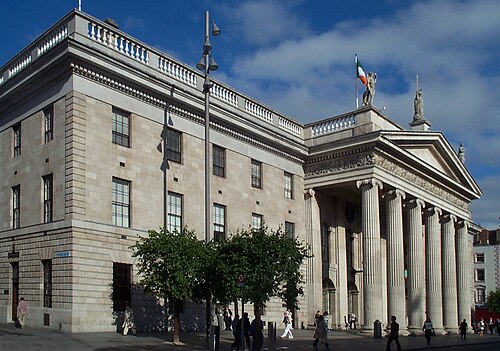
The General Post Office stands on O'Connell Street in Dublin as one of Ireland's most recognisable civic buildings. Designed by Francis Johnston and completed in 1818, it serves as the headquarters of An Post, the Irish postal service.
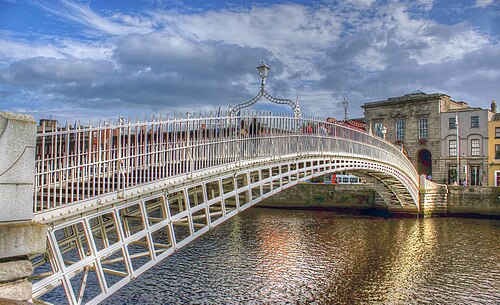
Ha'penny Bridge is a historic pedestrian bridge spanning the River Liffey in Dublin city centre. Its local name and common name are identical: Ha'penny Bridge.
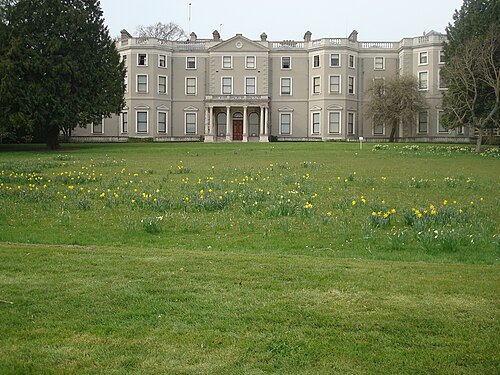
Farmleigh is a historic estate and official Irish State guest house located in the Phoenix Park area of Dublin. The property serves as a venue for state functions and is also open to public visitors.
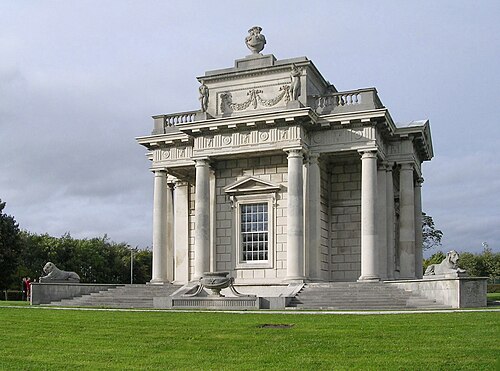
The Casino at Marino is a small pleasure house located in the northern suburbs of Dublin, Ireland.
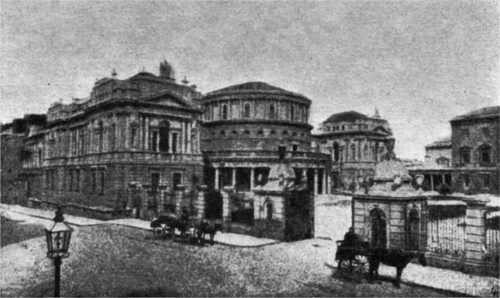
The National Library of Ireland is a cultural institution on Kildare Street in Dublin. It serves as the country's principal repository for Irish documentary heritage, holding extensive collections of books, manuscripts, newspapers, and visual materials.
The River Liffey is Dublin’s clearest organising line. South of it, Trinity College, Temple Bar, Dublin Castle, the cathedrals and the Georgian squares form overlapping walking zones. North of it, O’Connell Street, the Custom House and the Docklands lead toward the coast. Phoenix Park lies west of the centre and needs its own transport connection. DART stations extend the visitor map to coastal places such as Howth and Dún Laoghaire without turning them into central stops.
Checked 2026-08-26
Walk through the central core, then use Dublin Bus, Luas, DART and commuter rail for longer journeys. Transport for Ireland presents these as the main visitor network and provides a combined journey planner. A Leap product can simplify payment across supported services, but route choice still matters because the two Luas lines, coastal DART and city buses serve different corridors. Give coastal destinations a separate half-day rather than combining opposite ends of the DART line.
Checked 2026-08-26
Two to three days cover the principal central sights at a comfortable pace. Add the third day for a DART trip along the coast, Phoenix Park or a less compressed museum route.
May through September offers longer daylight for walking and coastal trips. Dublin can be wet in any season, so a flexible indoor alternative matters more than choosing a supposedly rain-free month.
Yes. Most central sights on both sides of the Liffey fit into connected walking routes. Use public transport for Phoenix Park, farther neighbourhoods and coastal destinations rather than stretching one central itinerary.
Dublin Bus, Luas trams, DART and commuter rail form the main network. Transport for Ireland provides visitor guidance and a journey planner covering these services.
Treat the coast as a separate half-day or day. DART makes places north and south of the city accessible, but combining opposite coastal branches with a full central route creates unnecessary backtracking.