
1 min walk
Mount Zion
- Must see
- Historic monument
Language · 11 published
Historic monument · Jerusalem
كنيسة رقاد السيدة العذراء
Reviewed by Elena Voss · Roavina Travel Editor
| Monday | 09:00 – 17:00 |
|---|---|
| Tuesday | 09:00 – 17:00 |
| Wednesday | 09:00 – 17:00 |
| Thursday | 09:00 – 17:00 |
| Friday | 09:00 – 17:00 |
| Saturday | 09:00 – 17:00 |
| Sunday | 11:30 – 17:00 |
Checked 2026-08-31 · Source
Read from the OpenStreetMap access tags; anything not listed has no tag recorded.
Set the group type to family in the planner and the day window contracts to about three quarters of a solo day.
It was established in 1910. It carries the heritage site in Israel heritage designation.
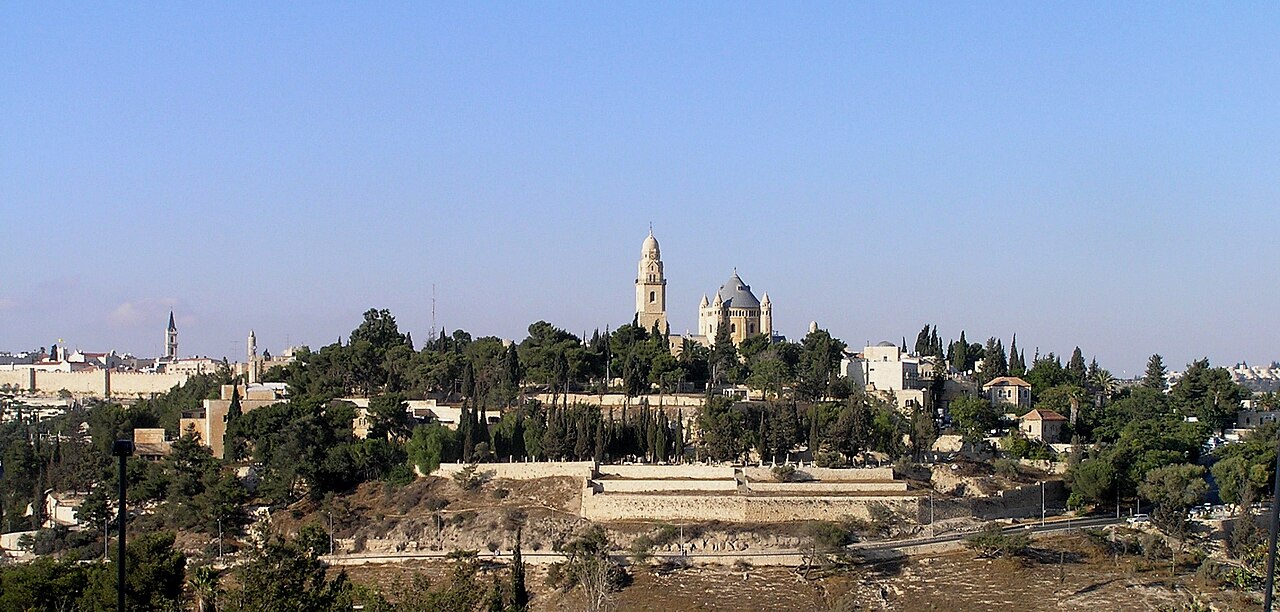
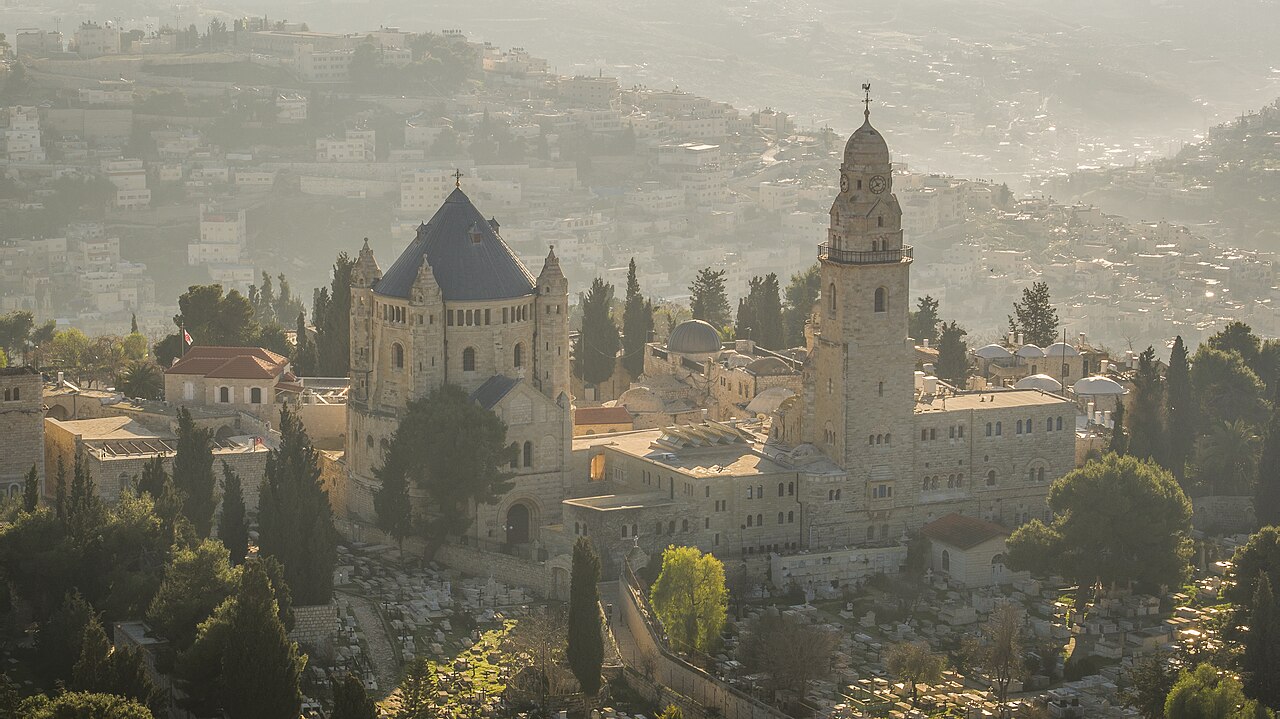
Dormition Abbey is a Benedictine monastery on Mount Zion, southwest of Jerusalem’s Old City walls. The early twentieth-century church commemorates the dormition, or falling asleep, of the Virgin Mary according to Christian tradition. Its German Romanesque design, prominent dome, and bell tower make it one of Mount Zion’s most recognisable landmarks. The abbey remains an active monastic and religious setting, while welcoming visitors and pilgrims interested in architecture, worship, and Jerusalem’s layered history. Dormition Abbey is a Benedictine monastery located on Mount Zion in Jerusalem, near the traditional site of the Last Supper. The abbey was completed in the early twentieth century and serves as a significant religious site commemorating the dormition of the Virgin Mary. The building features distinctive German Romanesque architecture with a prominent conical dome and bell tower. It functions as an active monastery while also welcoming visitors and pilgrims who come to explore its spiritual and historical significance within the complex religious landscape of Jerusalem. It is an active Benedictine monastery that also receives visitors and pilgrims.
Checked 2026-08-26 · Source
The church is organised around a circular central space with vaulted ceilings, stained glass, religious artwork, and side chapels. The crypt contains a revered statue of the sleeping Virgin Mary, which gives the lower level its principal devotional focus. Cloisters and other architectural details add quieter spaces for contemplation. Monastic living quarters are part of the abbey complex but are not visitor areas. Upper levels may provide additional viewpoints when access is available within the monastery’s routine. The interior of Dormition Abbey contains a circular central church with vaulted ceilings and stained glass windows depicting biblical scenes.
Checked 2026-08-26 · Source
A visit to the main church and crypt generally takes thirty to sixty minutes. Allow additional time if you want to sit quietly, study the stained glass, or include prayer in the visit. The accessible visitor areas are compact, although stairs in the crypt can slow the route. Dormition Abbey works well in a Mount Zion itinerary alongside the Cenacle and other nearby religious landmarks, creating a concentrated walk through one of Jerusalem’s most historically significant hilltop areas.
Checked 2026-08-26 · Source
Spring and autumn are comfortable seasons for walking across Mount Zion, while summer visits require preparation for strong heat. Religious holidays and pilgrimage periods can make the area busier and may place worship ahead of sightseeing. Quieter times can make it easier to appreciate the church’s interior details, but the abbey’s monastic rhythm remains central to the experience. Build flexibility into a Mount Zion route because services and monastic activity can influence how visitors move through the church.
Checked 2026-08-26 · Source
Dormition Abbey is a religious destination rather than a conventional ticketed museum. Visitors should treat any contribution connected with entry or maintenance as part of supporting an active monastery. A small amount of local currency is useful for religious-site visits in Jerusalem, including voluntary giving. The abbey forms one stop within a wider Mount Zion walk, so plan the day around the concentration of churches, chapels, and historic sites rather than around a single paid exhibition.
Checked 2026-08-26 · Source
Dormition Abbey stands on Mount Zion, southwest of the Old City walls. Visitors already exploring the Old City can walk from Zion Gate through the surrounding historic streets. Buses, taxis, and rideshare vehicles serve the wider area, but the final approach is best planned as a short pedestrian route. Narrow streets and limited nearby parking make walking practical once you reach Mount Zion. Comfortable shoes are important because a day here naturally links several sites over uneven urban ground.
Checked 2026-08-26 · Source
This is an active monastery, so visitors should wear clothing that covers shoulders and knees and keep voices low inside the church. The crypt has narrow staircases that may be difficult for visitors with mobility limitations. Religious services can change the atmosphere and the available space. Jerusalem’s religious and political sensitivities call for calm, respectful behaviour, particularly around crowded historic areas. Follow any signs and directions from abbey staff, and give worshippers and monastic residents priority throughout the visit.
Checked 2026-08-26 · Source
The dome, bell tower, limestone exterior, circular church, stained glass, and crypt provide distinctive subjects for photography. Interior images should be taken quietly and without interrupting prayer or services. Avoid flash in the crypt and other reverential spaces, especially near artwork and the statue of the sleeping Virgin Mary. Ask abbey staff before photographing areas beyond the ordinary visitor route. Professional equipment, tripods, and commercial projects need separate permission from the monastery.
Checked 2026-08-26 · Source
It is an active Benedictine monastery and church on Mount Zion in Jerusalem, also visited for its architecture and religious significance.
The abbey commemorates the dormition, or falling asleep, of the Virgin Mary according to Christian tradition.
Visitors can see the circular church, vaulted interior, stained glass, side chapels, cloisters, and the crypt’s statue of the sleeping Virgin Mary.
It is on Mount Zion, southwest of Jerusalem’s Old City walls and within walking distance of Zion Gate.
Yes. The crypt includes narrow staircases, which can make the lower level difficult for some visitors with mobility limitations.
Wear respectful clothing that covers the shoulders and knees, and keep a quiet manner inside this active religious community.
Loading the interactive map…
The interactive map could not be loaded.
Last updated:
Source: OpenStreetMap contributors, Wikidata ·