_P065_Jerusalem_Lithostrotos_Roman_Games.jpg)
1 min walk
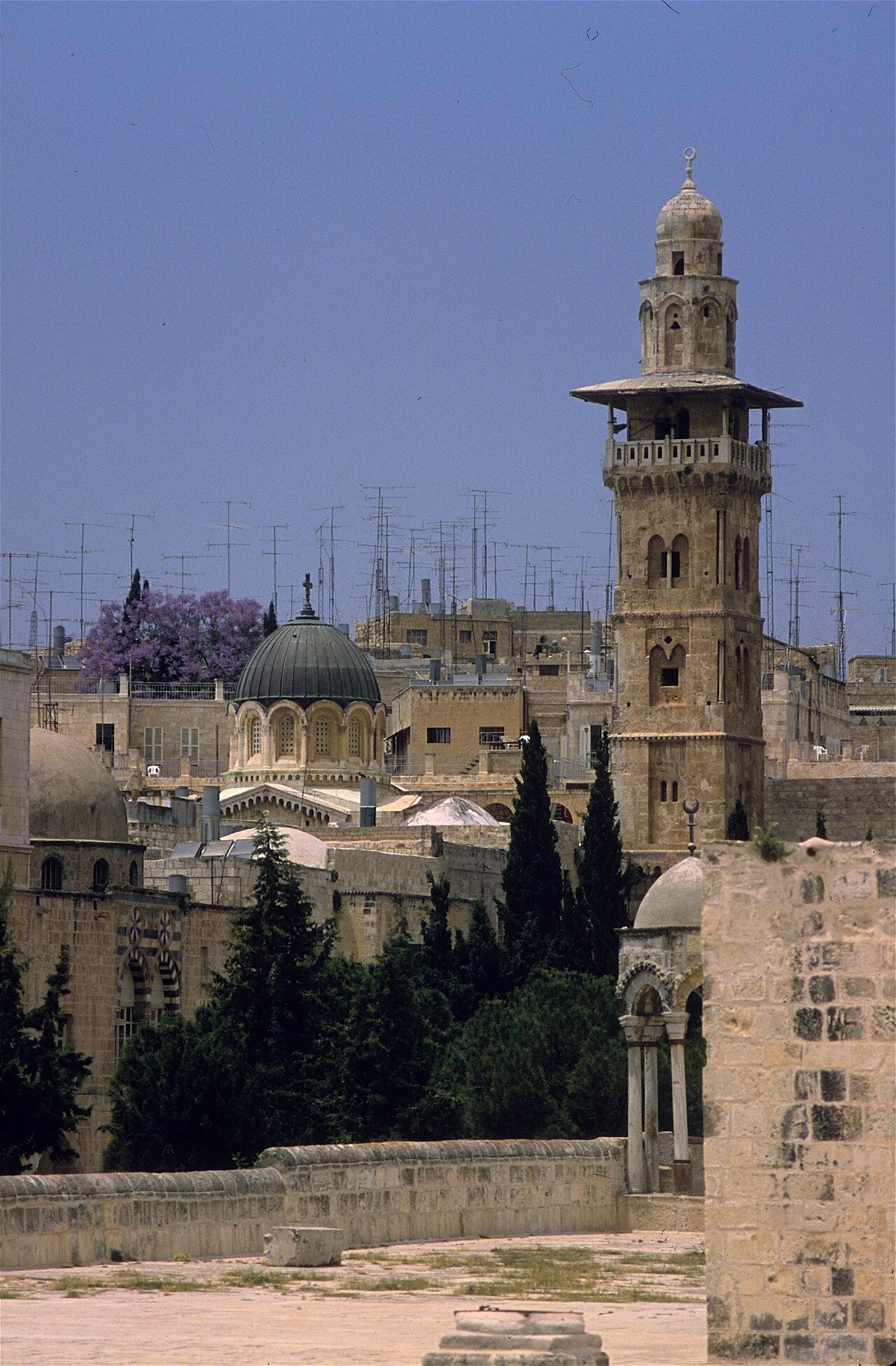
Ghawanima minaret
- High
- Historic monument
Language · 11 published
Historic monument · Jerusalem
Lithostrotos
Reviewed by Elena Voss · Roavina Travel Editor
This place is a Archaeological site.
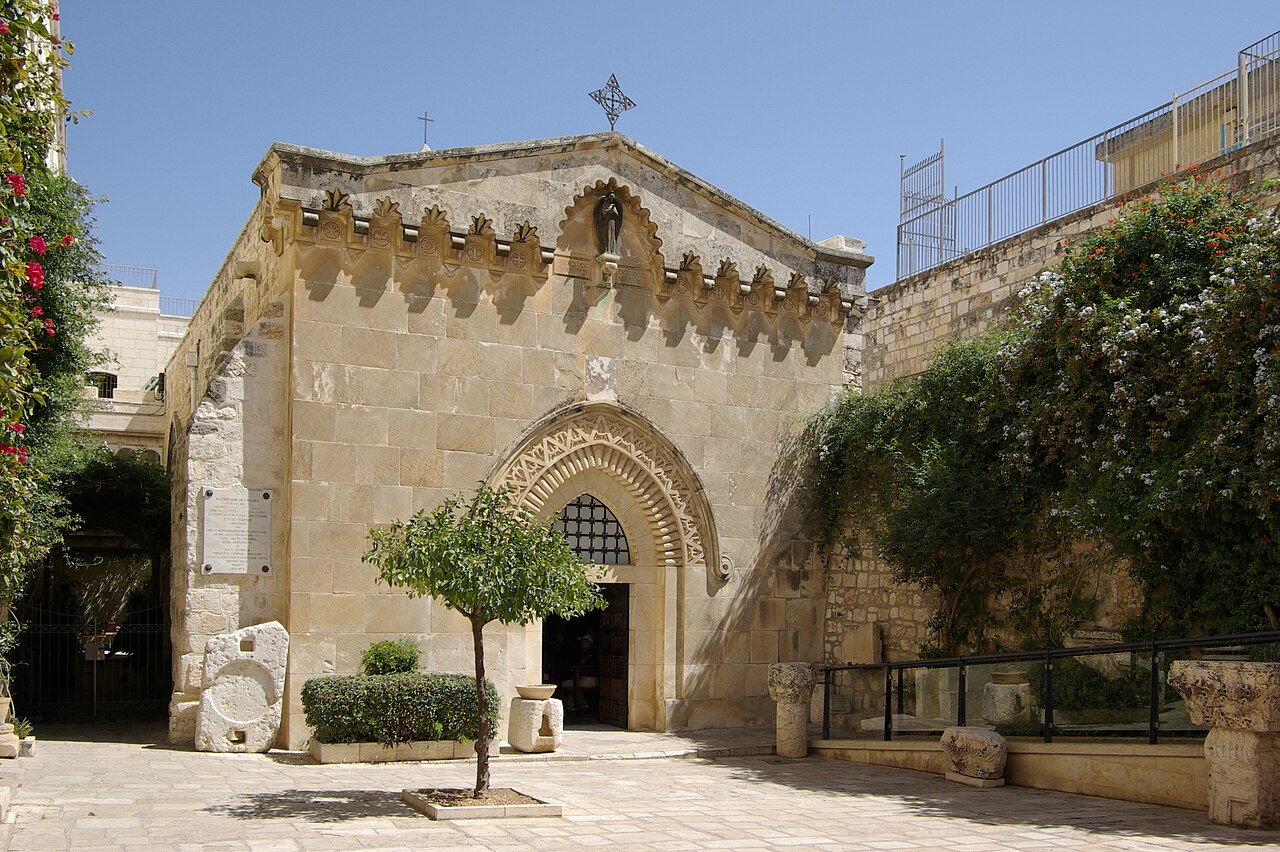
Lithostrotos is an exposed stone-pavement site inside the Convent of the Sisters of Zion in Jerusalem’s Old City. Christian tradition associates the pavement with the Praetorium and the trial of Jesus, while archaeological interpretation places some of the visible Roman construction in a later period. The site is therefore valuable both as a pilgrimage destination and as a compact lesson in how tradition and archaeology meet. Lithostrotos is a stone pavement site in Jerusalem's Old City, traditionally associated with the Praetorium where Jesus was presented to the crowd according to some Christian traditions. The name derives from Greek, meaning stone pavement or mosaic. The site lies within the Convent of the Sisters of Zion, which was built over archaeological remains. Its identification as the biblical Lithostrotos remains debated among scholars, with some archaeological evidence pointing to Roman-era construction under Hadrian rather than the first century. This identification is traditional but debated among archaeologists and historians. Some evidence suggests the pavement dates to Hadrian's era, later than the first century.
Checked 2026-08-26 · Source
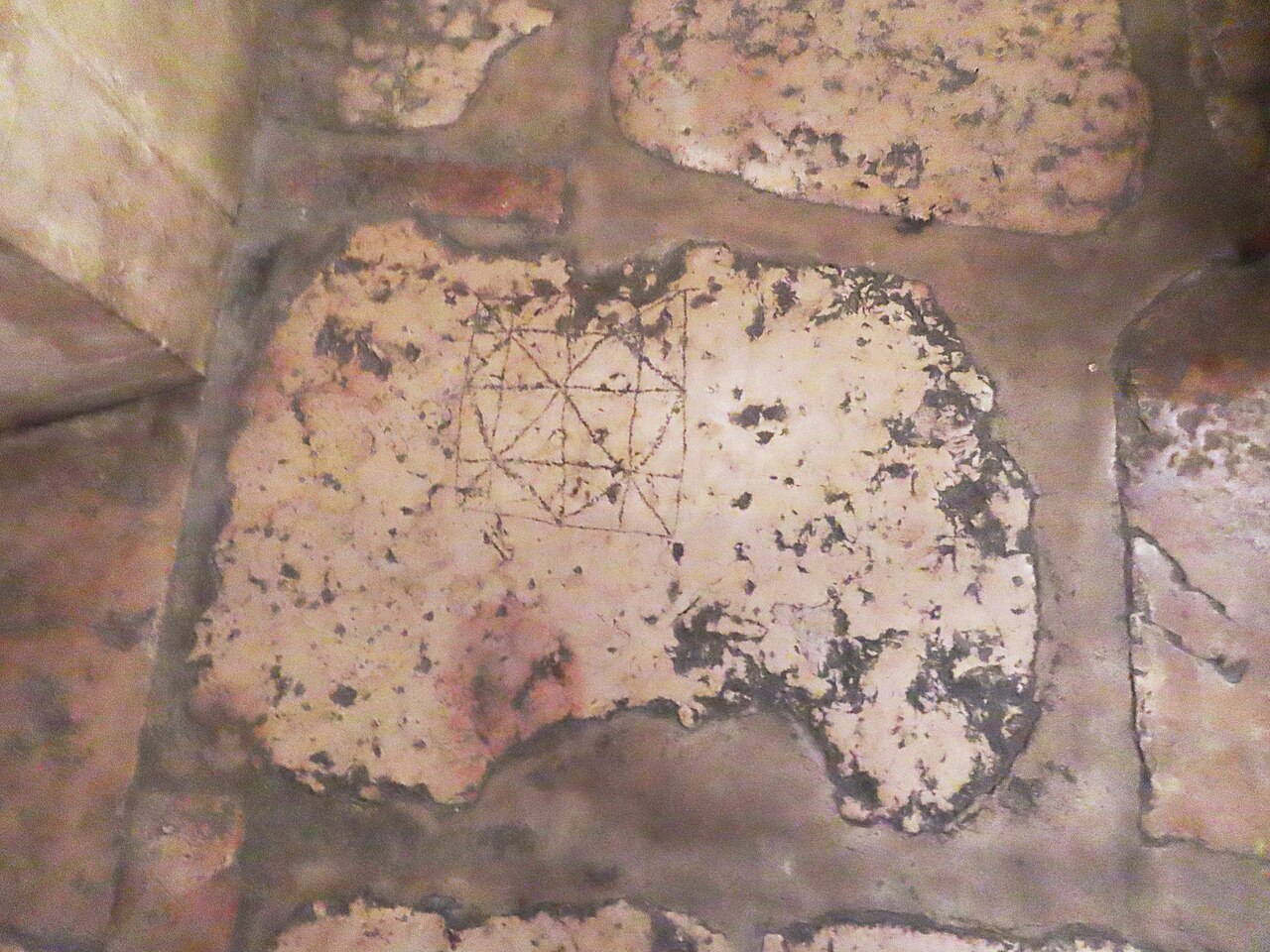
The visit includes ancient flagstones visible in the convent and underground chambers, with markings and games etched into some of the stone surfaces. The complex also gives access to the Struthion Pool, an ancient water reservoir, along with vaulted spaces, chapels and religious rooms. Look closely at the pavement’s texture and construction, then place it within the wider Roman and Christian history of the Old City. The site features exposed ancient stone pavement, visible through openings in the convent's floor and in an underground chamber. Visitors can observe large flagstones with markings and games etched by Roman soldiers. The Struthion Pool, an ancient water reservoir, is accessible nearby within the same complex. The convent itself contains chapels and religious spaces. The underground areas include vaulted chambers and archaeological displays. The presentation emphasizes both the religious significance and the historical layering of Jerusalem's built heritage across multiple periods.
Checked 2026-08-26 · Source
A focused visit usually takes thirty to sixty minutes. Visitors interested in biblical archaeology, Roman Jerusalem or the stone markings may spend up to ninety minutes examining the chambers and architectural details. The site is compact, so it works well as one stop on a longer Old City walk. Combine it with the nearby Via Dolorosa and other Muslim Quarter landmarks for a fuller route. Most visitors spend approximately thirty to sixty minutes exploring the Lithostrotos site and associated underground areas. Those with strong interest in biblical archaeology or early Roman Jerusalem may extend their visit to ninety minutes, particularly if examining the stone markings and architectural details carefully.
Checked 2026-08-26 · Source
Weekday mornings are a good choice when you want quieter lanes and cooler conditions in the Old City. The underground rooms provide relief from summer heat, although the approach streets can be hot. Friday afternoons and Saturdays may have reduced activity because of Sabbath observance nearby. Easter and Christmas pilgrimage periods can bring heavier crowds, so allow extra time around the Via Dolorosa.
Checked 2026-08-26 · Source
Lithostrotos is located within an active convent, and the visit follows the character of a religious and archaeological site. Access arrangements can include donation-based entry or an admission fee, while pilgrimage groups may organise visits in advance. Once inside, visitors encounter the pavement, underground areas, Struthion Pool and convent spaces. Modest clothing and quiet conduct are appropriate throughout the complex.
Checked 2026-08-26 · Source
The site lies inside the Old City’s Muslim Quarter near the Via Dolorosa and El-Wad Street. Enter through Damascus Gate or Lions’ Gate, then walk through narrow lanes to the convent. Vehicles cannot reach the immediate entrance. Buses serve areas outside the walls, while approaches from Jaffa Gate or the Western Wall plaza require a longer walk through crowded pedestrian streets and limited signage.
Checked 2026-08-26 · Source
Expect steps, uneven surfaces and limited lighting in the underground areas. Wear stable footwear and move carefully around ancient stonework. The surrounding Muslim Quarter can be busy and politically sensitive, so keep your behaviour calm and respectful. Modest clothing is essential inside the religious complex. Vendor solicitation can occur nearby, and the site may close for religious services or private events.
Checked 2026-08-26 · Source
The pavement, Roman markings and vaulted chambers reward close observation and detail-focused photography. Keep equipment compact in the underground spaces and leave passageways open for other visitors. Give priority to worshippers, convent activities and the quiet atmosphere of the site. Follow any instructions from attendants, especially around chapels and religious rooms, and avoid using a tripod where it would obstruct movement in the narrow route.
Checked 2026-08-26 · Source
Christian tradition associates Lithostrotos with the Praetorium and the trial of Jesus, although archaeological interpretation of the pavement’s date remains debated.
Most visitors spend thirty to sixty minutes, while detailed exploration of the archaeology can take up to ninety minutes.
The complex includes underground chambers, the Struthion Pool, vaulted spaces, chapels and religious rooms within the Convent of the Sisters of Zion.
It is in the Muslim Quarter near the Via Dolorosa and El-Wad Street, inside the Convent of the Sisters of Zion.
Wear modest clothing suitable for a religious complex and stable shoes for steps, uneven surfaces and underground stone floors.
Yes. Lithostrotos lies near the Via Dolorosa, making it practical to combine with the route’s Stations of the Cross and other nearby Old City sites.
Loading the interactive map…
The interactive map could not be loaded.
Last updated:
Source: OpenStreetMap contributors, Wikidata ·