
2 min walk
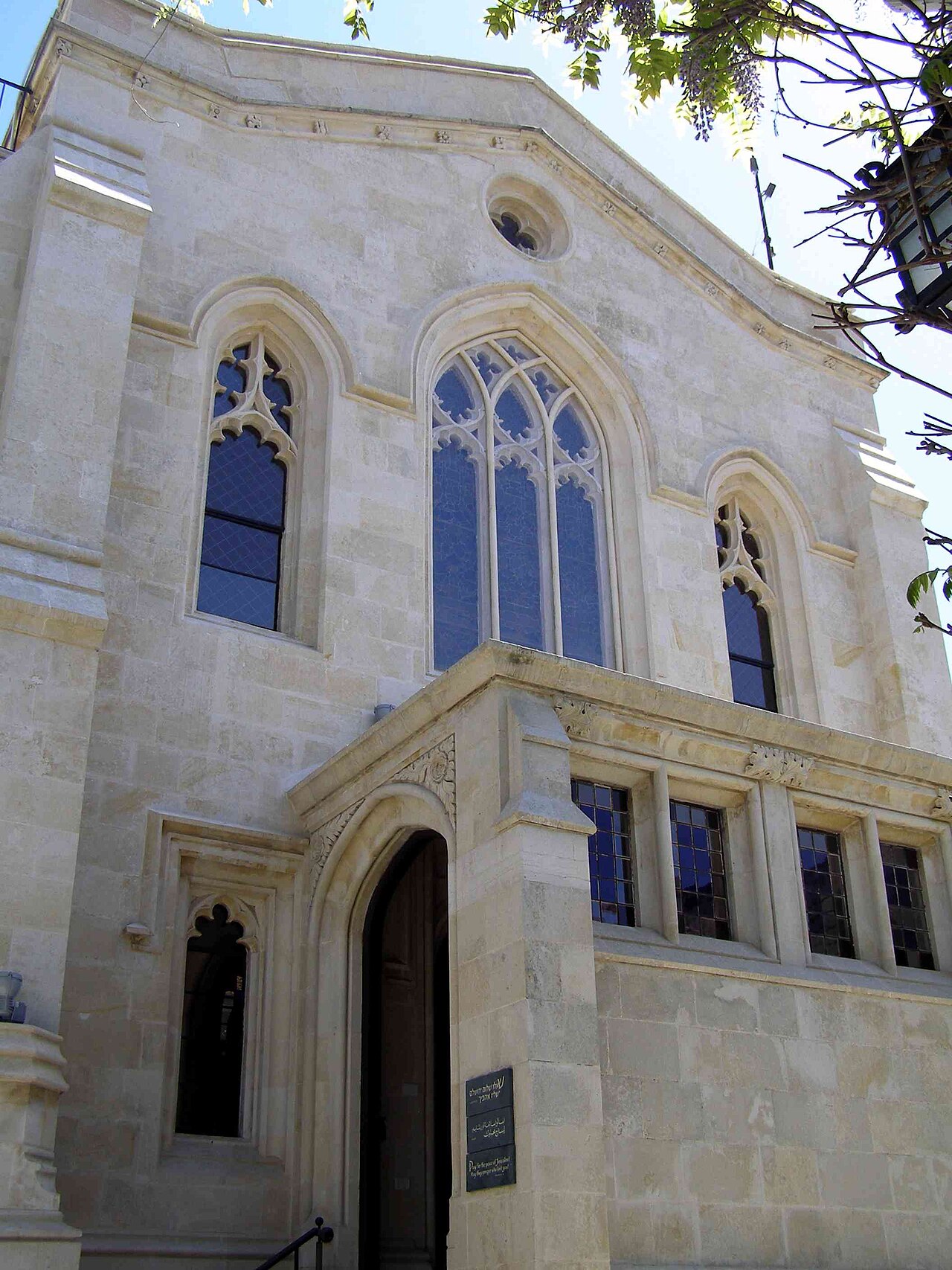
Christ Church, Jerusalem
- Must see
- Place of worship
Language · 11 published
Historic monument · Jerusalem
מגדל דוד
Reviewed by Elena Voss · Roavina Travel Editor
| Monday | 09:00 – 18:00 |
|---|---|
| Tuesday | 09:00 – 20:00 |
| Wednesday | 09:00 – 18:00 |
| Thursday | 09:00 – 18:00 |
| Friday | 09:00 – 15:00 |
| Saturday | 09:00 – 15:00 |
| Sunday | 12:00 – 18:00 |
Checked 2026-08-31 · Source
Read from the OpenStreetMap access tags; anything not listed has no tag recorded.
Set the group type to family in the planner and the day window contracts to about three quarters of a solo day.
It is built of ashlar.
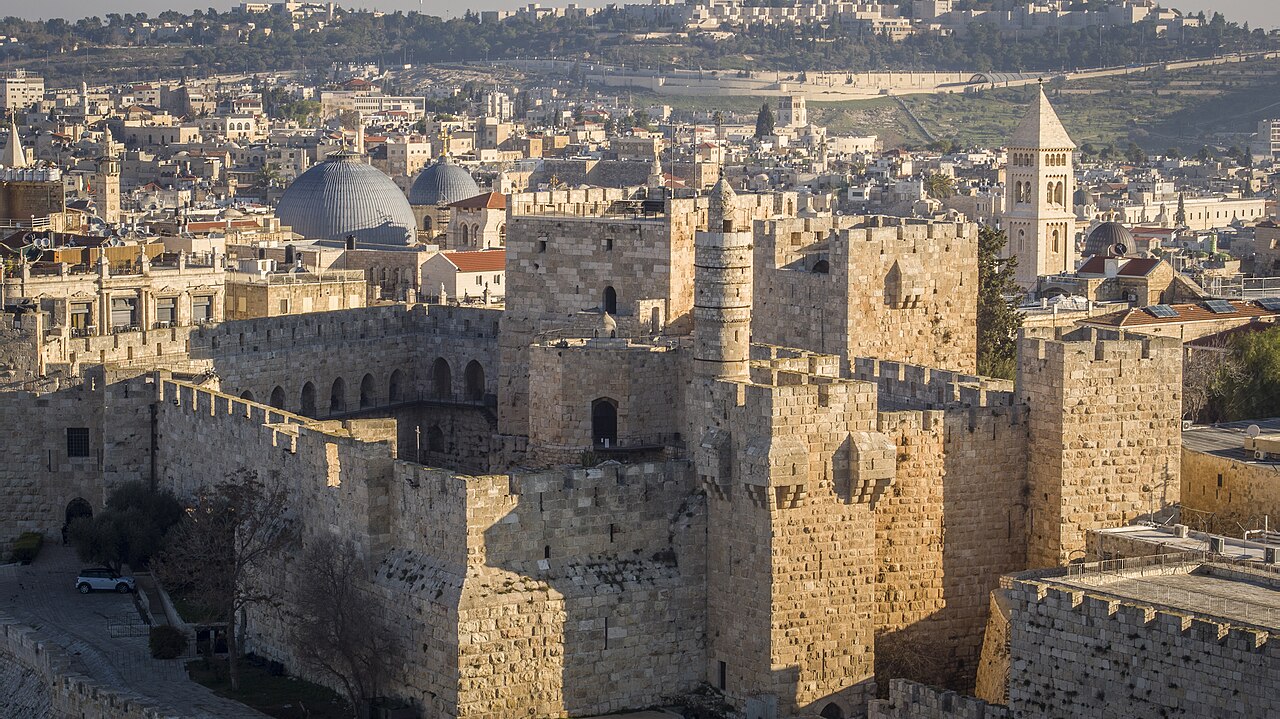
The Tower of David is a historic citadel beside Jaffa Gate, at the western edge of Jerusalem’s Old City. Its name reflects a later identification rather than a direct connection with King David. The fortress contains architectural layers and archaeological evidence from several periods, and today functions as the Tower of David Museum of the History of Jerusalem. Its walls, towers and elevated position make it both a history stop and a viewpoint. The Tower of David is an ancient citadel located near the Jaffa Gate entrance to the Old City of Jerusalem. Despite its name, the fortress has no direct connection to King David. The site contains archaeological findings spanning multiple periods of Jerusalem's history. The present structure includes towers and walls built and rebuilt by various rulers over centuries. The compound now serves as a museum and venue for cultural events, offering visitors panoramic views of the Old City from its elevated position. No. Despite the name, the fortress has no direct historical connection to King David. The name originated from a Byzantine misidentification of a tower near the site.
Checked 2026-08-26 · Source
Inside the citadel, the museum presents Jerusalem’s history through archaeological remains, displays, courtyards, chambers and defensive structures. You can move through the fortress, explore excavated layers and climb toward viewpoints over the Old City and surrounding landscape. Ramparts and towers provide the strongest sense of the site’s military architecture. The complex also hosts cultural events and has presented nighttime sound-and-light shows on its walls as separate evening experiences. The citadel houses the Tower of David Museum of the History of Jerusalem, which presents the city's chronological narrative through archaeological remains and exhibits. Visitors can explore courtyards, ramparts, and chambers within the fortress complex. Archaeological excavations have revealed layers from different historical periods. The site includes lookout points with vistas across Jerusalem's Old City and surrounding areas.
Checked 2026-08-26 · Source
Allow around ninety minutes to two hours for the museum, courtyards, archaeological remains and principal viewpoints. Add time if you want to linger over the historical displays or photograph the Old City from several positions. Evening sound-and-light presentations are separate events and need their own schedule. The citadel is compact compared with Jerusalem’s larger museums, but stairs, uneven stone and ramparts can slow the visit.
Checked 2026-08-26 · Source
Morning offers softer light on the limestone and can make the citadel easier to explore before the Jaffa Gate area becomes busy. Spring and autumn are comfortable for ramparts and courtyards, while summer afternoons expose visitors to strong heat on the stone. Evening is the natural choice for a scheduled light show. The site’s Old City position also makes it practical to pair with nearby streets, gates and religious landmarks.
Checked 2026-08-26 · Source
The Tower of David is a ticketed attraction, and museum admission is distinct from special evening events such as sound-and-light shows. A visit centred on the permanent history museum therefore differs from a night planned around a presentation on the walls. Allow time for entry before exploring the courtyards and ramparts. The citadel’s position near Jaffa Gate makes it easy to connect a paid museum visit with a longer walk through the Old City.
Checked 2026-08-26 · Source
The citadel stands immediately inside Jaffa Gate, the western entrance to Jerusalem’s Old City. Reach the gate by walking from central Jerusalem, by bus to the surrounding area or by taxi, then continue on foot through the pedestrian approach. Immediate parking is limited. Once inside, the site is naturally combined with an Old City route, although crowded passages and stone paving make the final approach slower than the map distance suggests.
Checked 2026-08-26 · Source
Expect stairs, uneven stone, exposed ramparts and changing levels throughout the ancient fortress. Take extra care after rain and in strong summer heat, especially on open walls. Jaffa Gate can be crowded, and the approach may slow during busy tourism periods or religious holidays. Security screening is part of entry. Carry water for the outdoor sections, keep valuables secure in congested streets and leave room in your schedule for careful movement.
Checked 2026-08-26 · Source
The Tower of David is one of Jerusalem’s strongest places for photographing Old City walls, domes and limestone architecture. Early and late daylight brings warmth and texture to the stone, while ramparts provide changing elevations and sightlines. Interior galleries may have different restrictions from outdoor spaces. Keep equipment unobtrusive in narrow passages, and avoid blocking other visitors on viewpoints. A scheduled nighttime light show offers a separate photographic subject from the daytime citadel.
Checked 2026-08-26 · Source
No direct connection links the fortress to King David. The name comes from a later Byzantine identification of a tower in the area with the biblical king.
The citadel’s elevated viewpoints look across much of Jerusalem’s Old City and toward surrounding areas. The precise view changes with the rampart or tower you reach.
Allow about ninety minutes to two hours for the museum, archaeological remains, courtyards, ramparts and viewpoints. A nighttime show requires additional time as a separate event.
The citadel is immediately inside Jaffa Gate on the western side of Jerusalem’s Old City. The final approach from buses, taxis or central accommodation is on foot.
The complex hosts cultural events and has presented nighttime sound-and-light shows on the citadel walls. These experiences are separate from exploring the historical museum during the day.
Stairs, uneven stone, changing levels and exposed ramparts can make movement demanding. Crowds around Jaffa Gate may also slow the approach, particularly during busy tourism periods.
Loading the interactive map…
The interactive map could not be loaded.
Last updated:
Source: OpenStreetMap contributors, Wikidata ·