Roavina

City guide · Israel

Jerusalem

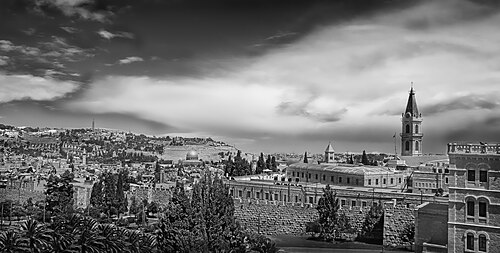
A photograph of Jerusalem
Photograph · askii · CC BY-SA 2.0

Jerusalem’s visitor geography centres on the Old City, but major museums, markets and neighbourhoods extend far beyond its walls. The Old City is a dense walking zone divided into distinct quarters, while the modern centre follows Jaffa Road toward Mahane Yehuda. Yad Vashem, the Israel Museum, Mount Herzl and Ein Karem require separate journeys, so avoid treating every landmark as one continuous walk.

Reviewed by Elena Voss · Roavina Travel Editor

Practical information

Language spoken
Hebrew; Arabic has special status
National practical orientation; regional and minority languages may also be used
Dialling code
+972
International calling code; local area and mobile prefixes still apply
Currency
Israeli new shekel (ILS)
Use the official local currency; card acceptance varies by place
Emergency number
100 police · 101 ambulance · 102 fire
Use only for an emergency; tourist assistance may use a separate number
Plug type
Type C and H · 230 V
Check that chargers support the recorded voltage before using an adapter
Tap water
Not recorded
No verified nationwide visitor statement was recorded for this content pack

Turn this list into a plan

Set your days, your pace and the hours you actually want to be out. The planner works around closing days and travel time, and leaves room to eat.

Plan Jerusalem

Planning a visit

Suggested stay
Not recorded
Getting around
Walk, light rail and bus
  1. January: viable with meaningful trade-offs
  2. February: viable with meaningful trade-offs
  3. March: good time to visit
  4. April: best time to visit
  5. May: best time to visit
  6. June: good time to visit
  7. July: good time to visit
  8. August: good time to visit
  9. September: best time to visit — current month
  10. October: best time to visit
  11. November: good time to visit
  12. December: viable with meaningful trade-offs
  • Best time
  • Good time
  • Viable with trade-offs
  • Difficult conditions

Sources

Top things to see

Ranked by importance — sitelinks, pageviews and heritage status, not editor preference.

  1. Tower of David Tower of David
    02 45 min

    Tower of David

    מגדל דוד

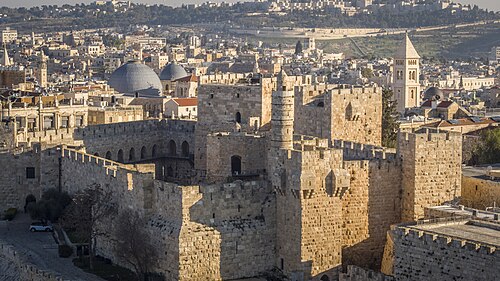
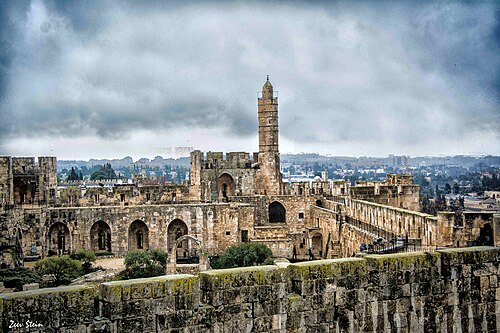
    The Tower of David is a historic citadel beside Jaffa Gate, at the western edge of Jerusalem’s Old City. Its name reflects a later identification rather than a direct connection with King David.

    • Must see
    • Historic monument
  2. City of David Archaeological Park City of David Archaeological Park
    03 2 hours

    City of David Archaeological Park

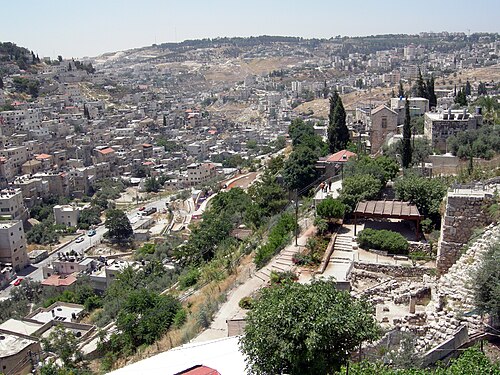
    The City of David Archaeological Park is an independent ticketed archaeological park situated south of Jerusalem's Old City walls. It encompasses excavated remains associated with the ancient core of Jerusalem, identified with the biblical City of David.

    • Must see
    • Historic monument
  3. Mount Zion Mount Zion
    04 1 hour

    Mount Zion

    Mount Zion is a hill in Jerusalem with deep historical and religious significance across multiple faiths.

    • Must see
    • Historic monument
  4. Dormition Abbey Dormition Abbey
    05 45 min

    Dormition Abbey

    كنيسة رقاد السيدة العذراء

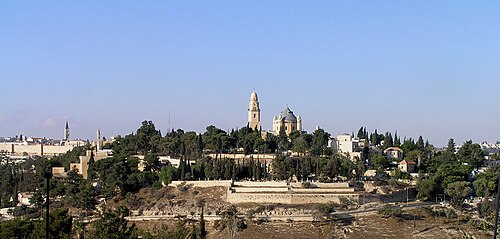
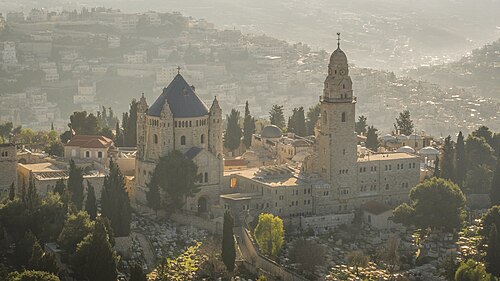
    Dormition Abbey is a Benedictine monastery on Mount Zion, southwest of Jerusalem’s Old City walls. The early twentieth-century church commemorates the dormition, or falling asleep, of the Virgin Mary according to Christian tradition.

    • Must see
    • Historic monument
  5. Kidron Valley Kidron Valley
    06 2 hours

    Kidron Valley

    Kidron Valley is a deep ravine on the eastern side of the Old City of Jerusalem, running between the Temple Mount and the Mount of Olives.

    • Must see
    • Historic monument
  6. Gabbatha Gabbatha
    07 45 min

    Gabbatha

    Lithostrotos

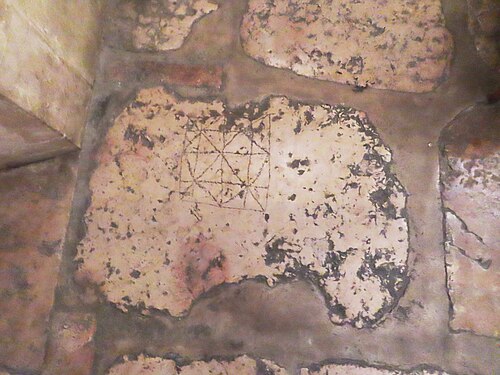
    Lithostrotos is an exposed stone-pavement site inside the Convent of the Sisters of Zion in Jerusalem’s Old City.

    • Must see
    • Historic monument
  7. Montefiore Windmill Montefiore Windmill
    08 45 min

    Montefiore Windmill

    טחנת הרוח

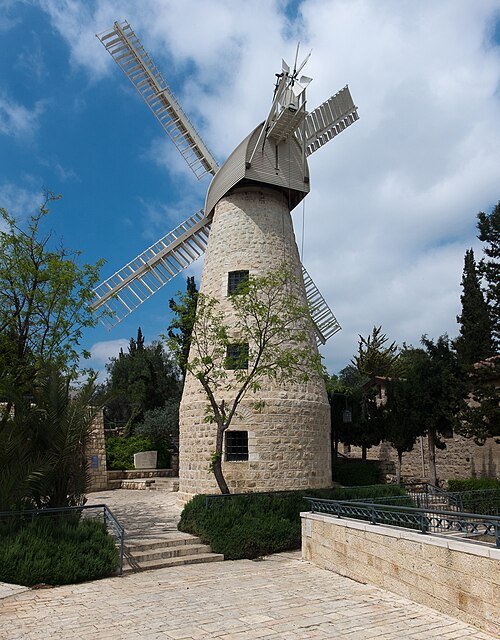
    Montefiore Windmill is a historic landmark in Jerusalem’s Yemin Moshe neighborhood. Funded by the British Jewish philanthropist Moses Montefiore in the nineteenth century, it represents an effort to support Jewish settlement, agriculture and economic activity beyond the Old City walls.

    • Must see
    • Historic monument

Source: OpenStreetMap contributors, Wikidata ·

How the city is laid out

The walled Old City forms the historic core, with Jaffa Gate linking it to Mamilla and the modern centre. Jaffa Road runs northwest through the city centre and Mahane Yehuda toward the main transport corridor. The Israel Museum and government precinct lie to the west, while Mount Herzl and Yad Vashem are farther out. Mount Zion and the Mount of Olives should be planned as separate elevated clusters.

Checked 2026-08-26

Getting around

Walk inside the Old City and between nearby central districts, allowing extra time for stone surfaces, slopes and security checks. Use light rail and buses for the modern centre and outer museums. The government tourist office provides maps and current public-transport guidance; consult it or the relevant operator before travel because services and access arrangements can change.

Checked 2026-08-26

Common questions

How many days should I spend in Jerusalem?

A fixed official stay length is not recorded. Build the visit around the Old City first, then add the modern centre, major museums and separate hilltop clusters according to time.

Is Jerusalem’s Old City walkable?

Yes, and walking is the practical way to explore its lanes. Expect slopes, worn stone surfaces, stairs and busy access points.

Which Jerusalem sights need public transport?

Yad Vashem, Mount Herzl, the Israel Museum and some outer neighbourhoods sit beyond the compact Old City and central walking area. Use light rail or buses where appropriate.

Where can visitors get official Jerusalem maps?

The Ministry of Tourism’s Jerusalem office provides maps, brochures and guidance on sites, tours and public transportation.

Should the Mount of Olives be combined with the Old City?

Treat it as a separate elevated cluster. Although visually close to the Old City, the terrain and approach make a dedicated route more practical.