

%D7%98%D7%97%D7%A0%D7%AA_%D7%94%D7%A8%D7%95%D7%97_%D7%91%D7%9E%D7%A9%D7%9B%D7%A0%D7%95%D7%AA_%D7%A9%D7%90%D7%A0%D7%A0%D7%99%D7%9D.jpg)


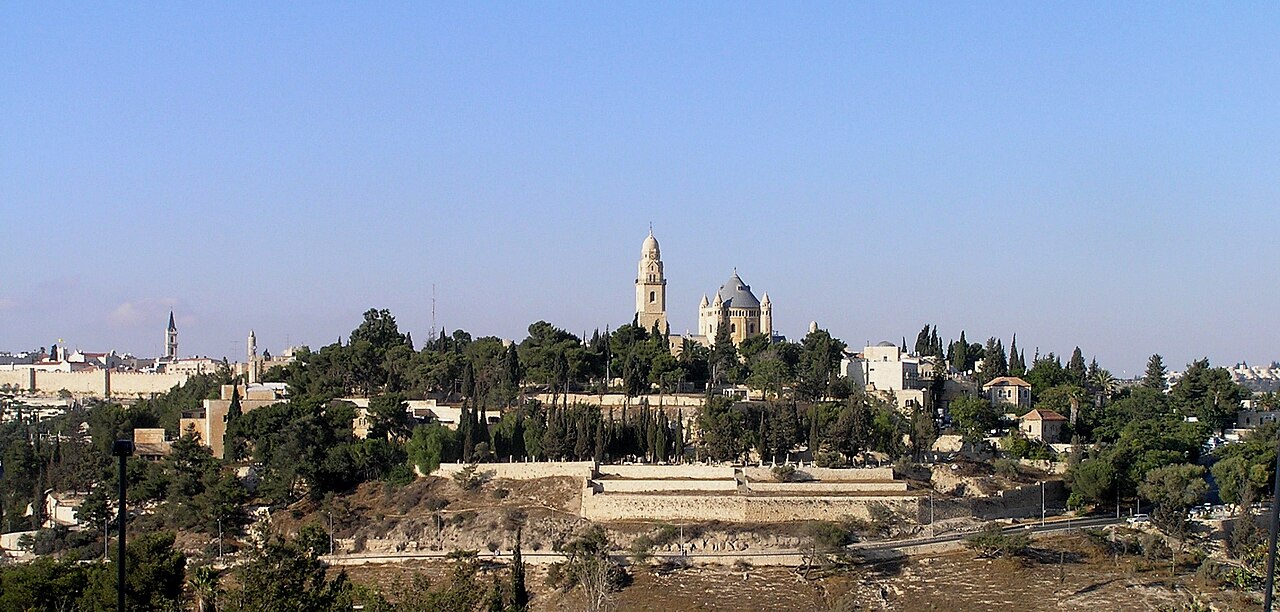
6 min walk
Mount Zion
- Must see
- Historic monument
Language · 11 published
Historic monument · Jerusalem
טחנת הרוח
Reviewed by Elena Voss · Roavina Travel Editor
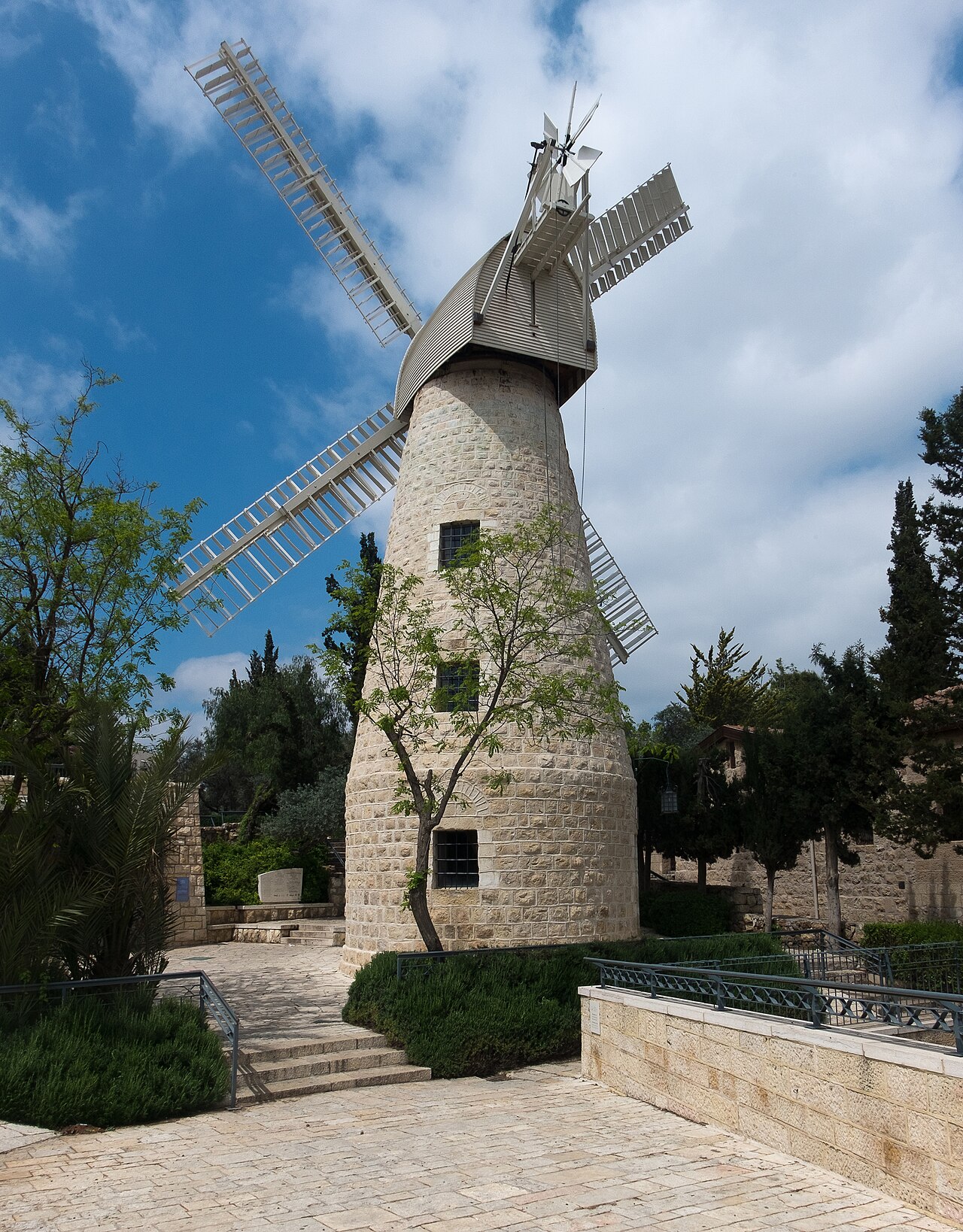
This place is a Attraction. It was established in 1858. It carries the heritage site in Israel heritage designation.
Montefiore Windmill is a historic landmark in Jerusalem’s Yemin Moshe neighborhood. Funded by the British Jewish philanthropist Moses Montefiore in the nineteenth century, it represents an effort to support Jewish settlement, agriculture and economic activity beyond the Old City walls. The restored structure is valuable both as architecture and as a marker of Jerusalem’s changing urban history. Its stone form, blades and setting make it a memorable short visit close to the historic center. Montefiore Windmill stands as a historic landmark in Jerusalem, built in the 19th century with funding from British Jewish philanthropist Moses Montefiore. The structure represents an early attempt to introduce modern industry to the region and symbolizes Jewish renewal outside the Old City walls. The windmill has undergone restoration and serves as a heritage site commemorating Montefiore's vision for Jewish agricultural and economic development in Palestine during the Ottoman period. A flexible visit lets travellers connect Montefiore Windmill with the rest of the day without treating one room, viewpoint or photograph as the whole experience. The windmill is not operational for industrial milling. It functions as a heritage site and museum. Moses Montefiore was a British Jewish philanthropist who funded the windmill and supported Jewish settlement in 19th-century Palestine.
Checked 2026-08-26 · Source
The windmill presents exhibits connected with Moses Montefiore, the building’s construction and the development of Mishkenot Sha’ananim. Historical photographs and documents help place the structure within nineteenth-century Jerusalem, while the blades and machinery give the landmark a tangible industrial character. The surrounding area contributes to the visit through stone lanes, gardens and views across the city. Read the displays before stepping back outside, where the architecture can be understood in its neighborhood setting.
Checked 2026-08-26 · Source
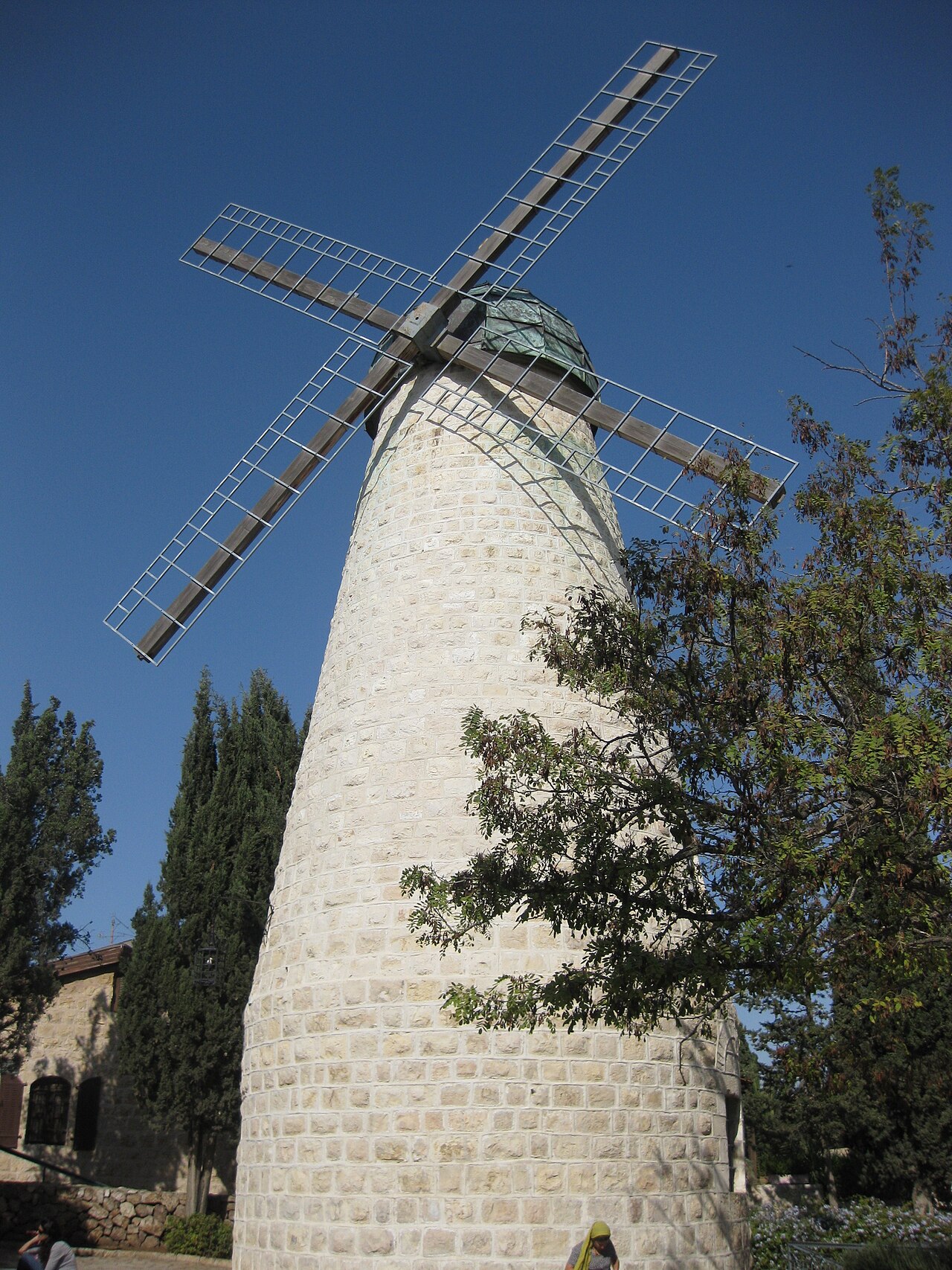
Allow thirty minutes to one hour for the windmill and its immediate surroundings. That is enough time to examine the exterior, view the interior displays, consider the machinery and pause for the landscape. Travelers with a strong interest in Jerusalem’s nineteenth-century Jewish history may want more time for the photographs and documents. The landmark is compact, so combine it with a walk through Yemin Moshe or with nearby sights rather than treating it as a full-day destination.
Checked 2026-08-26 · Source

Daylight is the most useful time for seeing the windmill, its stonework and the surrounding Jerusalem landscape. Spring and autumn are comfortable seasons for exploring the nearby hillside streets, while summer visits benefit from cooler morning or late afternoon conditions. Winter can bring rain and slippery surfaces. Morning and golden-hour light give the structure stronger texture for photographs. Pair the visit with other outdoor stops when the weather is pleasant, leaving the surrounding neighborhood time to unfold on foot.
Checked 2026-08-26 · Source
The windmill’s importance comes from its heritage setting, exhibits and connection with Jerusalem’s urban development. If your visit includes the interior museum space or a special programme, follow the entry arrangements in force for that experience. Budget time for the landmark itself and for the surrounding Yemin Moshe walk, where the neighborhood provides much of the context. This is a compact cultural stop, useful for travelers who want history and architecture without spending several hours inside a large museum.
Checked 2026-08-26 · Source

Montefiore Windmill stands in Yemin Moshe, within walking distance of the Old City walls and central Jerusalem. Buses serve the wider area, and taxis can shorten the approach when you are carrying luggage or traveling in hot weather. The neighborhood is hilly, with inclines and changes in elevation on the way to the landmark. Wear shoes suited to stone streets and plan a little extra effort for the final walk from central areas.
Checked 2026-08-26 · Source
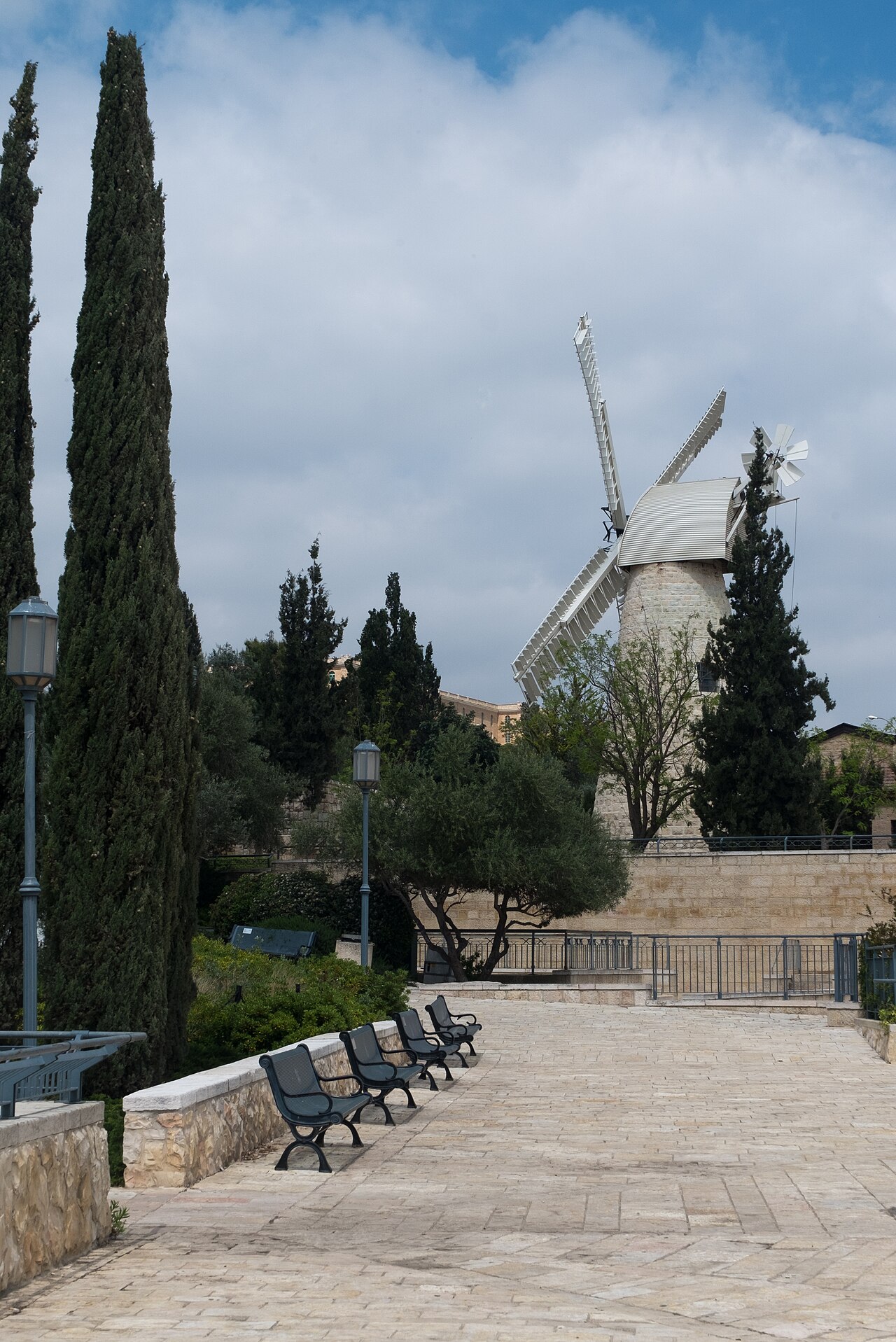
The historic setting includes elevated ground, uneven surfaces and steps, so take care on the approach and inside older parts of the site. Summer sun can be intense, and nearby shade may be limited. Water, a hat and comfortable footwear improve the visit. Jerusalem’s religious and cultural life calls for respectful clothing and behavior. Keep valuables secure in busy areas, follow signs and staff direction, and leave enough space for other visitors around the narrow landmark.
Checked 2026-08-26 · Source
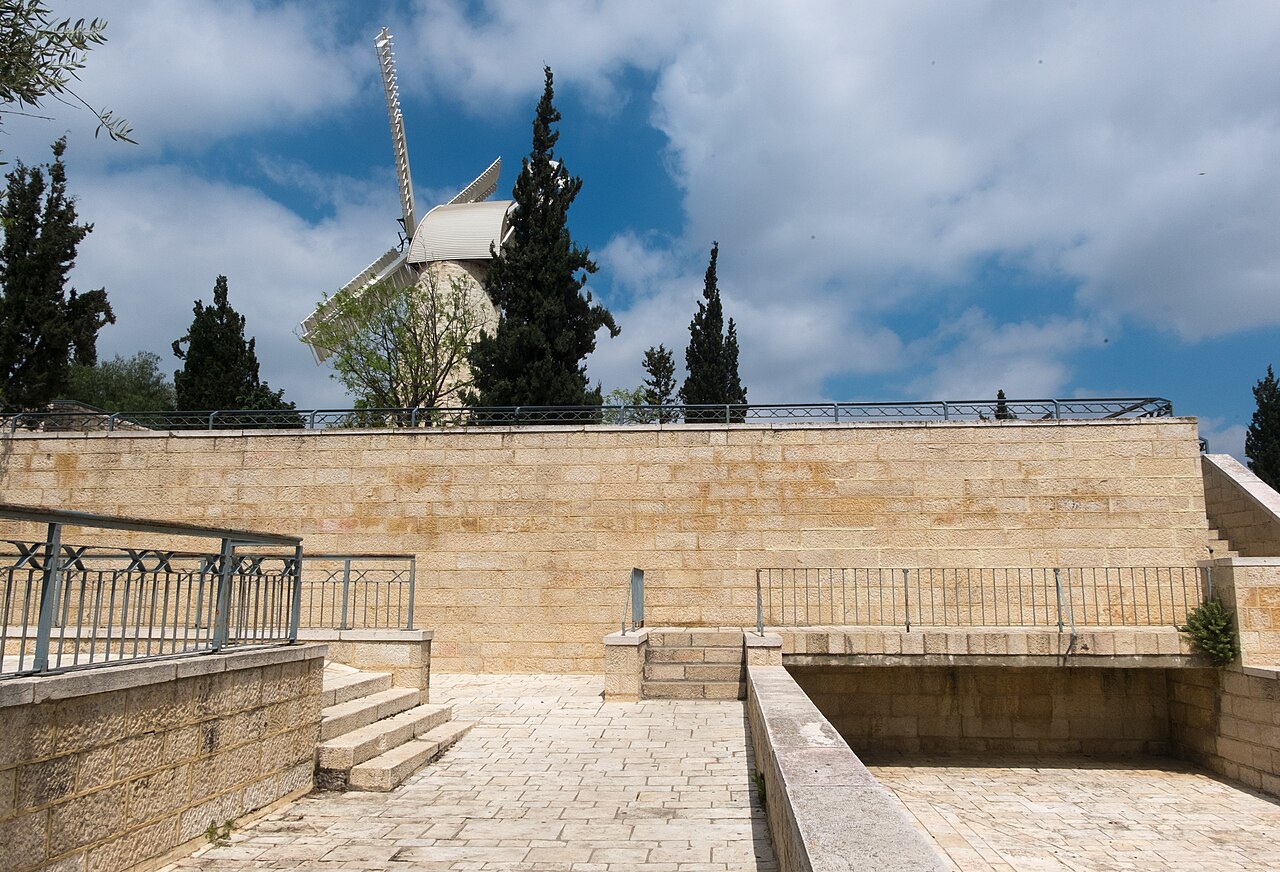
The windmill gives photographers several layers to work with: the stone tower, wooden blades, nearby gardens and the Jerusalem skyline. Early morning or golden-hour light brings out texture in the masonry and creates warmer views toward the city. Use the surrounding lanes for contextual compositions that show the structure within Yemin Moshe. Keep equipment clear of the walkway, use restraint inside the exhibition space and follow any posted direction about interior photography or tripod placement.
Checked 2026-08-26 · Source
No. It functions as a heritage landmark and museum rather than an operating industrial mill.
The windmill was funded by Moses Montefiore, a British Jewish philanthropist whose work supported Jewish settlement and economic development in nineteenth-century Palestine.
The interior includes displays about Moses Montefiore, the windmill’s construction and operation, nineteenth-century Jerusalem, historical photographs and documents.
It is in the Yemin Moshe neighborhood of Jerusalem, within walking distance of the Old City walls and central Jerusalem’s historic areas.
Most visitors need thirty minutes to one hour for the exterior, interior displays, machinery and surrounding views. A neighborhood walk can extend the outing.
It symbolizes nineteenth-century development beyond the Old City walls and connects Moses Montefiore’s philanthropy with the growth of Mishkenot Sha’ananim and Yemin Moshe.
Loading the interactive map…
The interactive map could not be loaded.
Last updated:
Source: OpenStreetMap contributors, Wikidata ·