

3 min walk
Santissima Annunziata
- Must see · Heritage site
- Historic monument
Museum · Florence
Giardino dei Semplici
Closed today, Monday. Next open Tuesday at 10:00 — the planner will not place a stop here on a Monday.
Plan around it| Monday |
Closed
Valid 2027-04-01 – 2027-05-31 |
|---|---|
| Monday |
Closed
Valid 2027-06-01 – 2027-08-31 |
| Monday |
Closed
Valid 2026-09-01 – 2026-10-31 |
| Monday |
Closed
Valid 2026-11-01 – 2027-03-31 |
| Tuesday |
10:00 – 18:00
Valid 2027-04-01 – 2027-05-31 |
| Tuesday |
10:00 – 19:00
Valid 2027-06-01 – 2027-08-31 |
| Tuesday |
10:00 – 18:00
Valid 2026-09-01 – 2026-10-31 |
| Tuesday |
10:00 – 16:00
Valid 2026-11-01 – 2027-03-31 |
| Wednesday |
10:00 – 18:00
Valid 2027-04-01 – 2027-05-31 |
| Wednesday |
10:00 – 19:00
Valid 2027-06-01 – 2027-08-31 |
| Wednesday |
10:00 – 18:00
Valid 2026-09-01 – 2026-10-31 |
| Wednesday |
10:00 – 16:00
Valid 2026-11-01 – 2027-03-31 |
| Thursday |
10:00 – 18:00
Valid 2027-04-01 – 2027-05-31 |
| Thursday |
10:00 – 19:00
Valid 2027-06-01 – 2027-08-31 |
| Thursday |
10:00 – 18:00
Valid 2026-09-01 – 2026-10-31 |
| Thursday |
10:00 – 16:00
Valid 2026-11-01 – 2027-03-31 |
| Friday |
10:00 – 18:00
Valid 2027-04-01 – 2027-05-31 |
| Friday |
10:00 – 19:00
Valid 2027-06-01 – 2027-08-31 |
| Friday |
10:00 – 18:00
Valid 2026-09-01 – 2026-10-31 |
| Friday |
10:00 – 16:00
Valid 2026-11-01 – 2027-03-31 |
| Saturday |
10:00 – 18:00
Valid 2027-04-01 – 2027-05-31 |
| Saturday |
10:00 – 19:00
Valid 2027-06-01 – 2027-08-31 |
| Saturday |
10:00 – 18:00
Valid 2026-09-01 – 2026-10-31 |
| Saturday |
10:00 – 16:00
Valid 2026-11-01 – 2027-03-31 |
| Sunday |
10:00 – 18:00
Valid 2027-04-01 – 2027-05-31 |
| Sunday |
10:00 – 19:00
Valid 2027-06-01 – 2027-08-31 |
| Sunday |
10:00 – 18:00
Valid 2026-09-01 – 2026-10-31 |
| Sunday |
10:00 – 16:00
Valid 2026-11-01 – 2027-03-31 |
Parsed from OpenStreetMap opening hours on 2026-09-09.
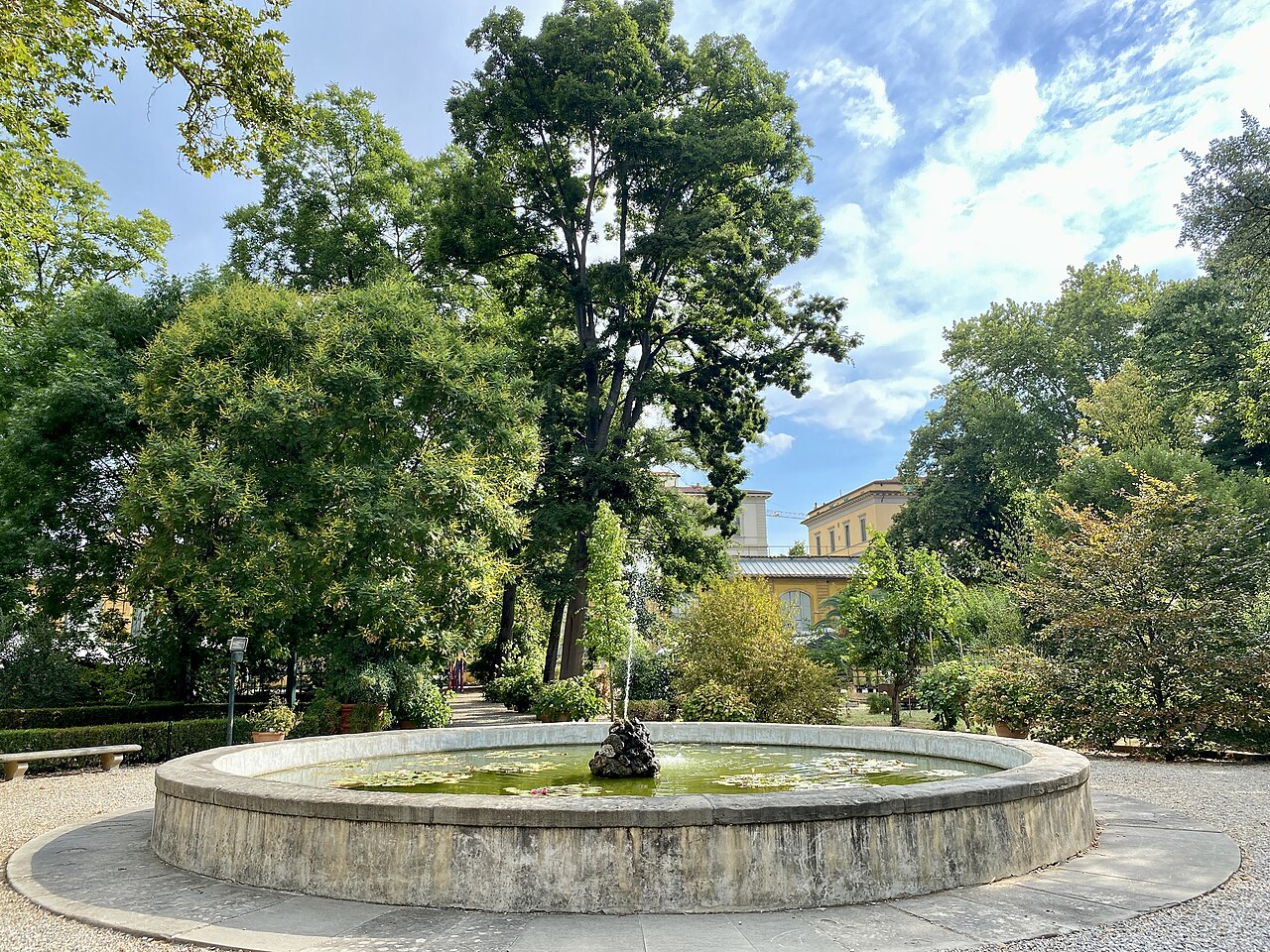
The Botanical Garden of Florence, known as Giardino dei Semplici, is a historic garden operated by the University of Florence. Founded in the sixteenth century, it began as a place for cultivating medicinal plants, or semplici. Today it combines the character of a historic Florentine garden with the educational and scientific role of an academic botanical collection. It offers a slower, greener experience for travelers who want natural detail and university history within the city. The Botanical Garden of Florence, locally named Giardino dei Semplici, is a historic botanical garden in Florence, Tuscany. Established in the sixteenth century, it was originally created for the cultivation of medicinal plants, known as semplici. The garden belongs to the University of Florence and serves both research and educational purposes. It represents one of Italy's significant academic botanical collections, reflecting Renaissance traditions of studying natural sciences through direct observation of plant species. The garden serves university functions while generally permitting public access, though current admission policies should be confirmed through official University of Florence channels.
Checked 2026-08-26 · Source
The garden’s grounds contain trees, shrubs, herbaceous plants, outdoor beds, structured paths, water features, and greenhouse collections. Mediterranean flora is presented alongside plants from other climatic zones, giving the visit variety despite its urban setting. Labels and organized plantings support close observation, while the historic layout preserves the connection with Florence’s long interest in medicine and natural science. Walk slowly enough to notice seasonal changes, mature vegetation, and the contrast between formal beds and research-oriented areas. The garden contains diverse plant collections arranged across its grounds.
Checked 2026-08-26 · Source
Set aside about one hour for the principal paths and collections. A visit of up to ninety minutes suits travelers who want to read labels, compare plant groups, and spend time in the greenhouses or outdoor beds. The garden is compact enough to fit into a wider walking itinerary, yet it rewards a measured pace. Add it to a day of museums and historic buildings when you want a calm interval among living plants rather than another crowded interior.
Checked 2026-08-26 · Source
Spring brings flowering plants and fresh growth, while autumn adds changing foliage and warm color to the garden structure. Summer can be comfortable for a green escape from the streets, though sun exposure varies across the grounds. Winter highlights evergreen specimens, trees, paths, and the garden’s underlying design. Choose the season according to what you want to observe: flowers, foliage, plant structure, or the academic garden setting. A morning or late-afternoon visit suits travelers seeking a gentler pace.
Checked 2026-08-26 · Source
The garden’s university affiliation gives the visit an academic character distinct from Florence’s major art museums. Plan to spend time with the collections themselves: labeled plants, historic beds, greenhouse displays, and the relationship between scientific study and garden design. It is particularly useful for travelers who want a short botanical stop within a larger city route. Combine it with nearby cultural attractions, but leave enough space to pause beside interesting specimens rather than rushing from entrance to exit.
Checked 2026-08-26 · Source
The garden sits within Florence’s urban fabric and can be reached as part of a central walking route. The historic center is compact, making pedestrian travel practical from many landmarks. Public buses serve the city and can shorten the approach from farther districts. Cycling infrastructure is limited in parts of the center, while private vehicles face restricted traffic and scarce parking. Plan the final section on foot, allowing time to move through the streets rather than expecting a car-accessible destination.
Checked 2026-08-26 · Source
Stay on marked paths and do not pick, move, or handle plants. Some areas support university research or teaching and may have access limits. Historic surfaces can be uneven, so sturdy shoes make the walk more comfortable. Bring protection from sun or light rain because shade is not uniform across the garden. Keep noise low around study areas and respect other visitors. The best experience comes from observing the collections closely while leaving beds, greenhouses, and scientific work undisturbed.
Checked 2026-08-26 · Source
The garden provides varied subjects for personal photography: structured beds, mature trees, greenhouse forms, water features, labeled plants, and seasonal color. Morning and late-afternoon light can bring out texture and leaf detail. Keep equipment within the paths and avoid blocking circulation. Tripods or photography that interferes with research or teaching may be unsuitable. Photograph plants without touching them, and give priority to the garden’s educational purpose and the quiet enjoyment of people walking through the grounds.
Checked 2026-08-26 · Source
It is known as Giardino dei Semplici, a name connected with the medicinal plants cultivated there historically.
The garden belongs to the University of Florence and serves educational, research, and botanical collection purposes.
Visitors can explore outdoor plant beds, trees, shrubs, herbaceous plants, water features, greenhouses, and collections including Mediterranean flora.
Allow about sixty to ninety minutes for the main paths, outdoor collections, greenhouse areas, and close reading of plant labels.
Spring emphasizes flowering and fresh growth, while autumn brings changing foliage; winter and summer offer different views of evergreen structure and garden design.
Remain on designated paths, leave plants untouched, respect research areas, and keep noise low around university activities and other visitors.
Loading the interactive map…
The interactive map could not be loaded.

Last updated:
Source: OpenStreetMap contributors, Wikidata ·