
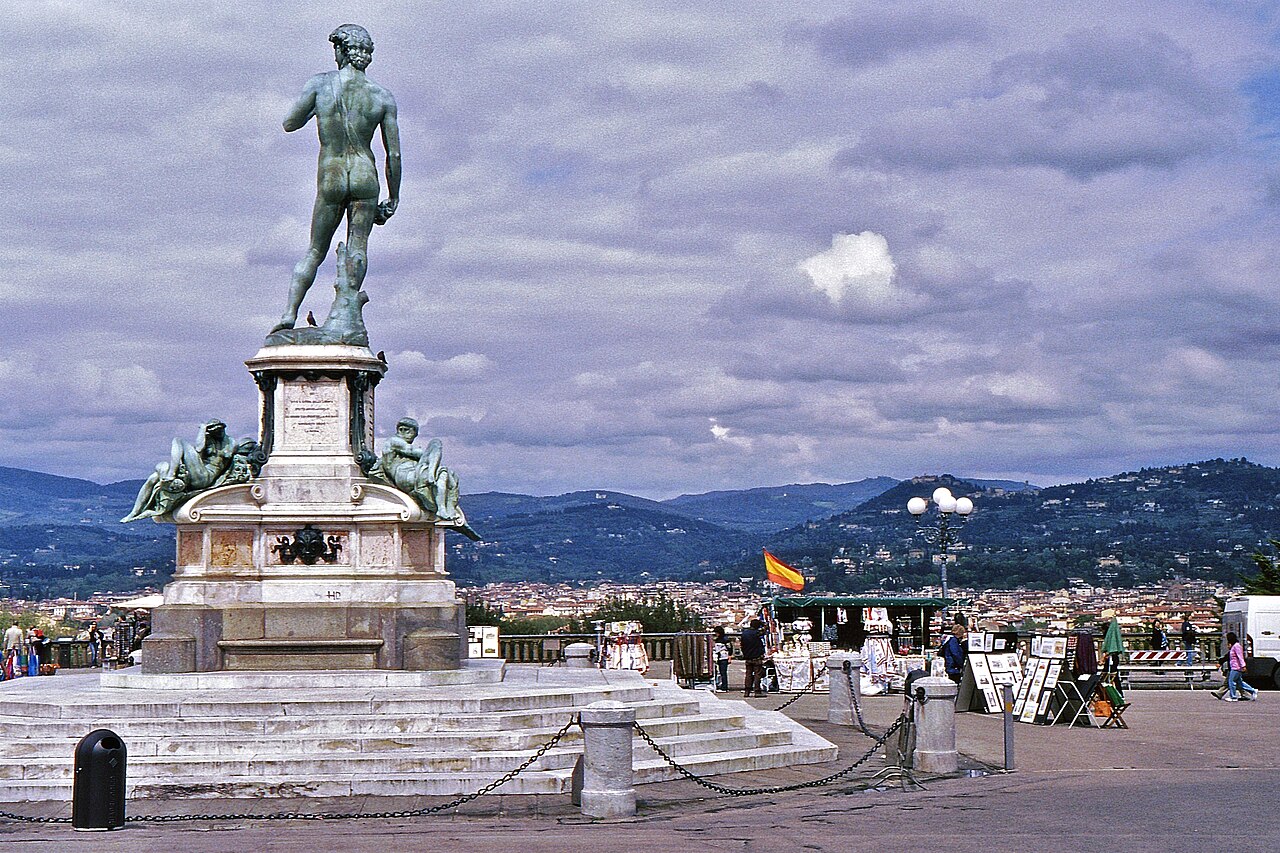
4 min walk
piazzale Michelangelo
- Must see
- Historic monument
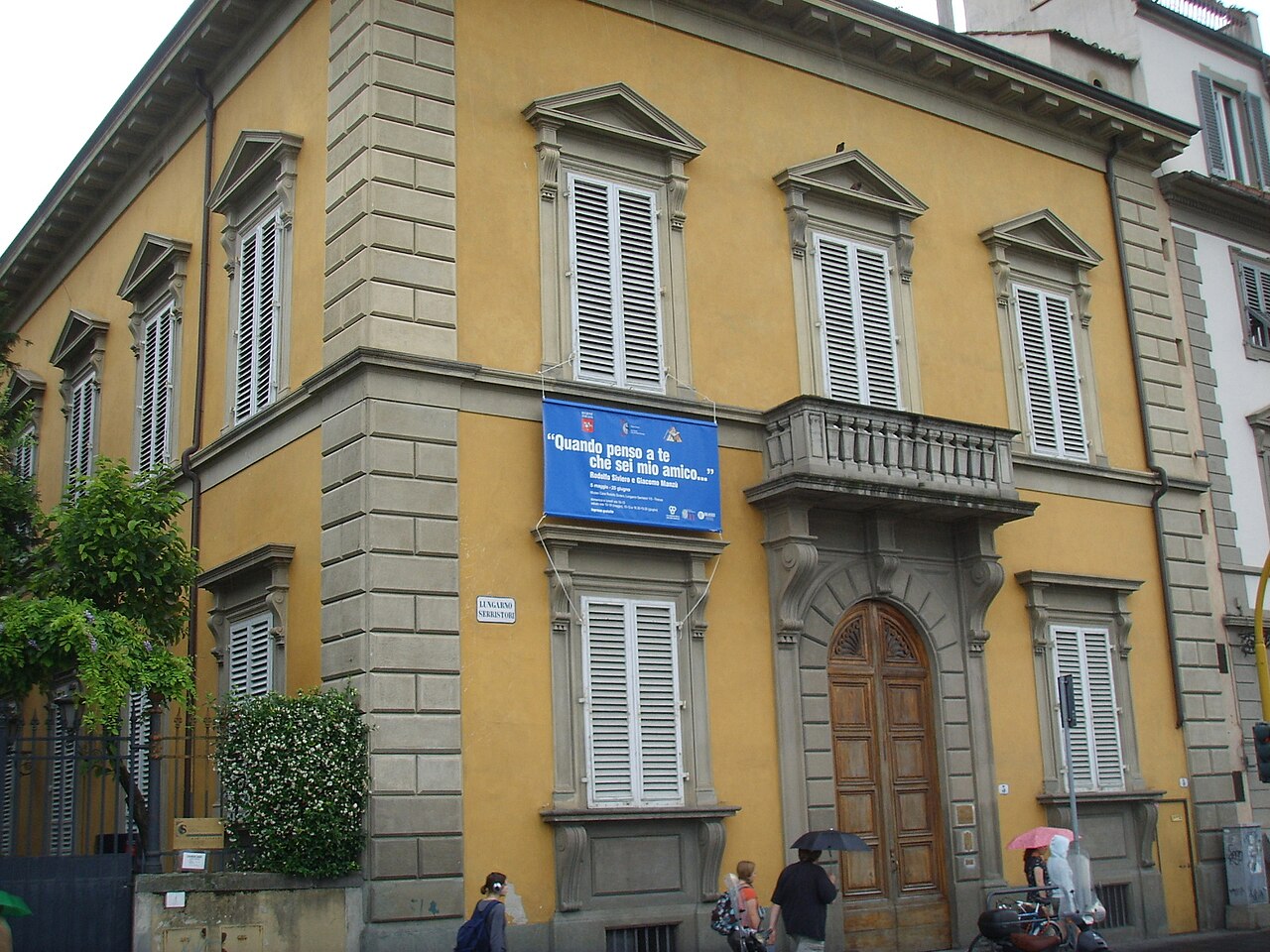
Museum · Florence
Museo Casa Rodolfo Siviero
Casa museo Rodolfo Siviero is a house museum in Florence devoted to Rodolfo Siviero, the art historian and secret agent known for recovering Italian artworks looted during World War II. The museum occupies his former residence, so the experience combines a personal domestic setting with the story of cultural-heritage recovery. Siviero lived among art, books, furniture and papers connected with his work. This makes the visit different from a conventional gallery: the rooms help you understand both the collector and the investigator. The museum is especially relevant for travelers interested in provenance, wartime history, Italian art and the protection of cultural property.
Checked 2026-08-26 · Source
Inside, you encounter Siviero's personal art collection, furniture, books and documents. The rooms preserve the character of the residence and show how he lived with the objects that shaped his professional world. Manuscripts, photographs and correspondence help explain his efforts to locate and return artworks taken by Nazi forces. Personal effects place the political and historical story in a human setting, while the collection reflects his broad interests in art history. Take time to look at the relationship between the rooms and their contents: this is a home arranged around a life of study, collecting and recovery rather than a large chronological exhibition.
Checked 2026-08-26 · Source
Allow about one hour for a focused visit. The house is compact, and its scale favors close attention to rooms, documents and personal objects rather than a long walk between galleries. Travelers especially interested in World War II art recovery, provenance or Italian cultural heritage may want more time to read correspondence and examine the personal setting carefully. Because the museum is intimate, a visit can fit comfortably beside other central Florence stops, but it rewards concentration more than a hurried checklist approach.
Checked 2026-08-26 · Source
The museum suits a quiet cultural stop during a Florence day. A morning visit can make it easier to concentrate on the rooms, documents and photographs before a busy sightseeing schedule takes over. Its subject is historical and text-led, so choose a time when you can read without rushing. The intimate domestic setting also works well as a change of pace after larger galleries and monumental churches. Build the visit around the museum itself rather than treating it as a background stop, since its interest comes from sustained attention to Siviero's life and work.
Checked 2026-08-26 · Source
Casa museo Rodolfo Siviero is a small house museum rather than a broad museum complex, and the visit centers on the preserved residence and collection. Set aside time for the interior experience itself, including the objects, books and papers associated with Siviero. The square and surrounding streets can be combined with the visit when planning a cultural walk through Florence. Since no admission details are included here, do not build a precise ticket budget from this guide. The museum's value lies in its distinctive subject: the recovery of looted Italian art and the personal world of the person who pursued it.
Checked 2026-08-26 · Source
The museum is in Florence's historic urban fabric, where walking is a practical way to connect cultural sights. Santa Maria Novella station is the city's main rail arrival point and links Florence with national and regional services. From the central area, continue through the historic streets on foot or use the city's public transport for the broader approach. Florence's central limited-traffic zone makes private-car access inconvenient, so a car is a poor choice for a short city-center museum visit. Taxis can provide a direct arrival near the surrounding streets, followed by the final approach on foot.
Checked 2026-08-26 · Source
This is a historic house, not a spacious modern museum. Narrow doorways, stairs and uneven flooring may make movement difficult for some visitors, while original furnishings and display cases require careful navigation. The rooms can feel more domestic and confined than a conventional gallery, which is part of the character but may affect comfort. The material is specialized: the strongest experience comes to travelers willing to spend time with Italian art history, wartime loss and cultural restitution. Treat the residence as a preserved personal environment, keep pathways clear and follow staff directions around fragile objects.
Checked 2026-08-26 · Source
The preserved rooms, furniture and personal objects provide the most meaningful photographic subjects, but the domestic scale leaves little room for elaborate equipment. Frame details that connect Siviero's private life with his work in art recovery: books, documents, correspondence and the arrangement of the residence. Keep the camera discreet in confined rooms and avoid blocking other visitors. The house's atmosphere matters as much as individual objects, so photographs work best when they show relationships between furnishings and collection pieces. Follow any signs and staff instructions inside, especially around archival material and original interiors.
Checked 2026-08-26 · Source
It is a house museum in Rodolfo Siviero's former residence, presenting his personal collection, domestic surroundings and work recovering Italian artworks looted during World War II.
The collection includes art, furniture, books, manuscripts, photographs, correspondence and personal effects connected with Siviero's life and art-recovery work.
Plan for about one hour, with extra time if you want to study the documents and personal setting closely.
Siviero tracked down and helped return Italian artworks looted during World War II, linking art history with the protection of cultural heritage.
No. It is a preserved residence where the collection, furniture, books and papers are experienced within the domestic setting in which Siviero lived.
Use it as an intimate, text-led cultural stop alongside a walking route through Florence's historic center and larger museums.
Loading the interactive map…
The interactive map could not be loaded.
Last updated:
Source: OpenStreetMap contributors, Wikidata ·