
7 min walk
Museum Bandini
- Must see · Heritage site
- Museum
Language · 11 published
Museum · Florence
Museo della Fondazione Primo Conti
Reviewed by Elena Voss · Roavina Travel Editor
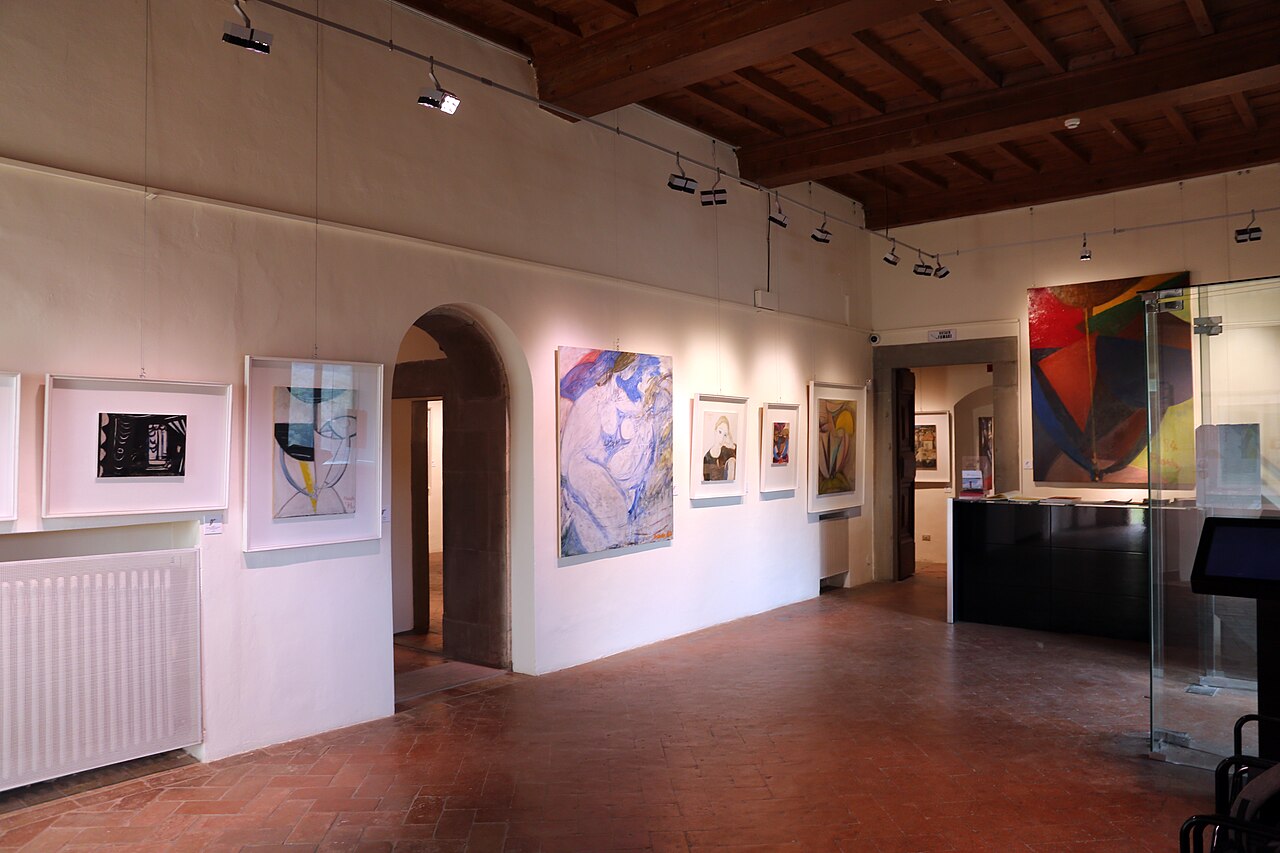
This place is a Museum. It was established in 1987. It carries the Italian national heritage heritage designation.
Museo Primo Conti, also known as Museo della Fondazione Primo Conti, is a specialized Florence museum devoted to the Italian painter Primo Conti. Conti is associated with the Futurist movement, and the museum presents his artistic career through works and personal materials. This focused collection offers a quieter alternative to Florence’s major Renaissance institutions. It suits travelers interested in twentieth-century Italian art, modern painting, and the development of one artist’s creative practice. Museo Primo Conti is a museum in Florence dedicated to the work of Italian painter Primo Conti, a figure associated with the Futurist movement. Housed in a historic building, the institution preserves and displays the artist's personal collection. The local name, Museo della Fondazione Primo Conti, reflects its operation under a foundation established for this purpose. The museum offers visitors insight into twentieth-century Italian art through the lens of one painter's career. It stands as a specialized cultural destination within Florence's dense landscape of artistic institutions, appealing to those with particular interest in modern Italian painting and Futurist heritage. The museum's specialized focus on a single twentieth-century painter appeals most to visitors with existing art interest. Children without such background may find limited engagement compared to interactive or broader collections elsewhere in Florence.
Checked 2026-08-26 · Source
The collection includes works from different stages of Primo Conti’s career, including paintings, drawings, and archival materials. Futurist influences can be considered alongside later artistic directions, allowing visitors to follow changes in style and subject over time. Personal effects and documentary material add biographical context to the artworks. The museum is best understood as an artist-centered presentation: its strength is close attention to Conti rather than a broad survey of Italian art. The museum contains works by Primo Conti spanning various periods of his artistic development. Visitors encounter paintings, drawings, and archival materials that document the artist's evolution and his connections to broader artistic movements.
Checked 2026-08-26 · Source
Allow about one to two hours for a comfortable visit. That time suits a focused collection of paintings, drawings, archival material, and personal context. Visitors familiar with Italian Futurism or modern art may want to linger over individual works and stylistic changes. The museum can be paired with other Florence activities because it is a specialized stop rather than a full-day institution. Read slowly enough to connect the objects with Conti’s career.
Checked 2026-08-26 · Source
A visit fits well into a walking-focused day in Florence, especially in spring or autumn when moving between cultural sites is comfortable. Summer brings heat and heavy visitor activity across the city, while winter offers quieter streets and shorter daylight. Morning can provide a calmer setting for close looking. The museum’s specialized subject makes it a good choice when you want modern Italian art after visiting Florence’s better-known Renaissance collections.
Checked 2026-08-26 · Source
Museo Primo Conti is a dedicated museum visit rather than an open street attraction. Plan the stop around viewing the paintings, drawings, archival materials, and personal context connected with Primo Conti. Its focused subject gives the visit a clear rhythm: begin with the works, consider the Futurist connection, and then look for evidence of later artistic development. It is well suited to travelers building a specialized modern-art itinerary in Florence.
Checked 2026-08-26 · Source
The museum is within Florence’s urban area and can be included in a route using walking and city buses. Visitors arriving through Santa Maria Novella station can continue toward the museum’s area through the city network. Florence’s restricted traffic zones make private-car travel inconvenient around historic districts. Use comfortable shoes for cobbled streets and allow time for the connection from central landmarks. A focused route works better than trying to combine it with every major museum.
Checked 2026-08-26 · Source
This is a single-artist museum, so it rewards visitors who enjoy sustained attention to one painter rather than a rapid sequence of famous masterpieces. Historic buildings can include stairs, narrow passages, and other limits for movement. Crowds are generally less intense than at Florence’s headline attractions, but patience is still useful during busy periods. Keep belongings secure in the city, move carefully over cobbles, and give each artwork enough space for other visitors.
Checked 2026-08-26 · Source
The museum offers photographic subjects through Primo Conti’s paintings, drawings, archival materials, and the historic setting that frames them. Look for details that show changes in style and the relationship between Futurist influence and later work. Keep cameras unobtrusive around other visitors and artwork. Avoid flash, tripods, or equipment that blocks circulation unless museum staff permit them. A quiet, detail-focused approach suits this intimate artist collection best.
Checked 2026-08-26 · Source
Primo Conti was an Italian painter associated with the Futurist movement and the subject of this Florence museum’s collection.
The museum presents Primo Conti’s paintings, drawings, archival materials, and personal context from different stages of his artistic career.
Yes. The collection includes works reflecting Primo Conti’s association with Futurism, alongside later stylistic directions in his career.
Plan approximately one to two hours, with extra time for close study of the paintings, drawings, and archival material.
Yes. Its focused presentation is especially suited to visitors interested in twentieth-century Italian painting, Futurism, and the development of one artist’s work.
Treat it as a one- to two-hour specialist stop and connect it with other cultural sites by walking or city bus, rather than planning it as a full-day attraction.
Loading the interactive map…
The interactive map could not be loaded.
Last updated:
Source: OpenStreetMap contributors, Wikidata ·