
1 min walk
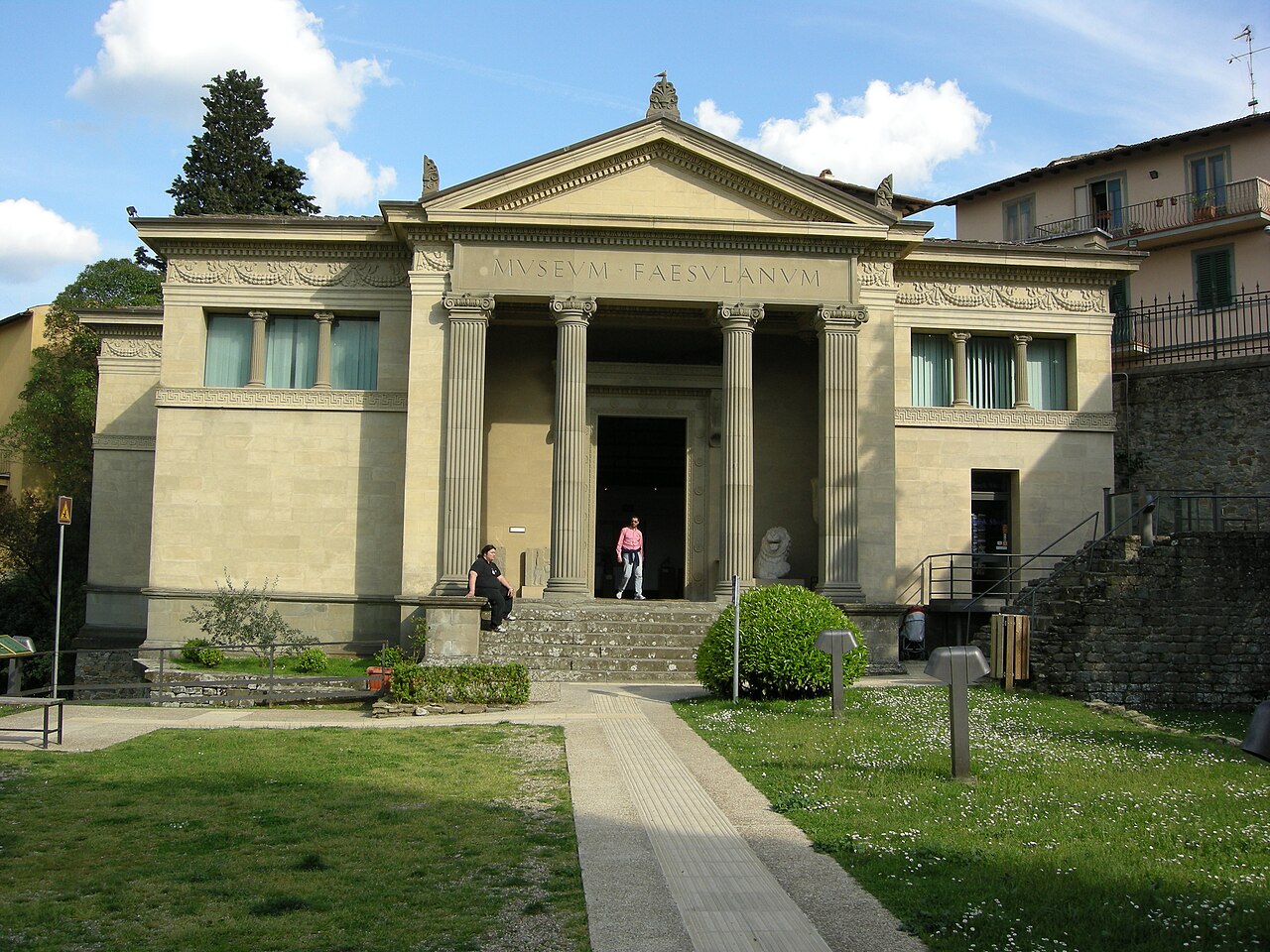
Archaeological Museum of Fiesole
- Must see · Heritage site
- Museum
Language · 11 published
Museum · Florence
Museo Bandini
Reviewed by Elena Voss · Roavina Travel Editor
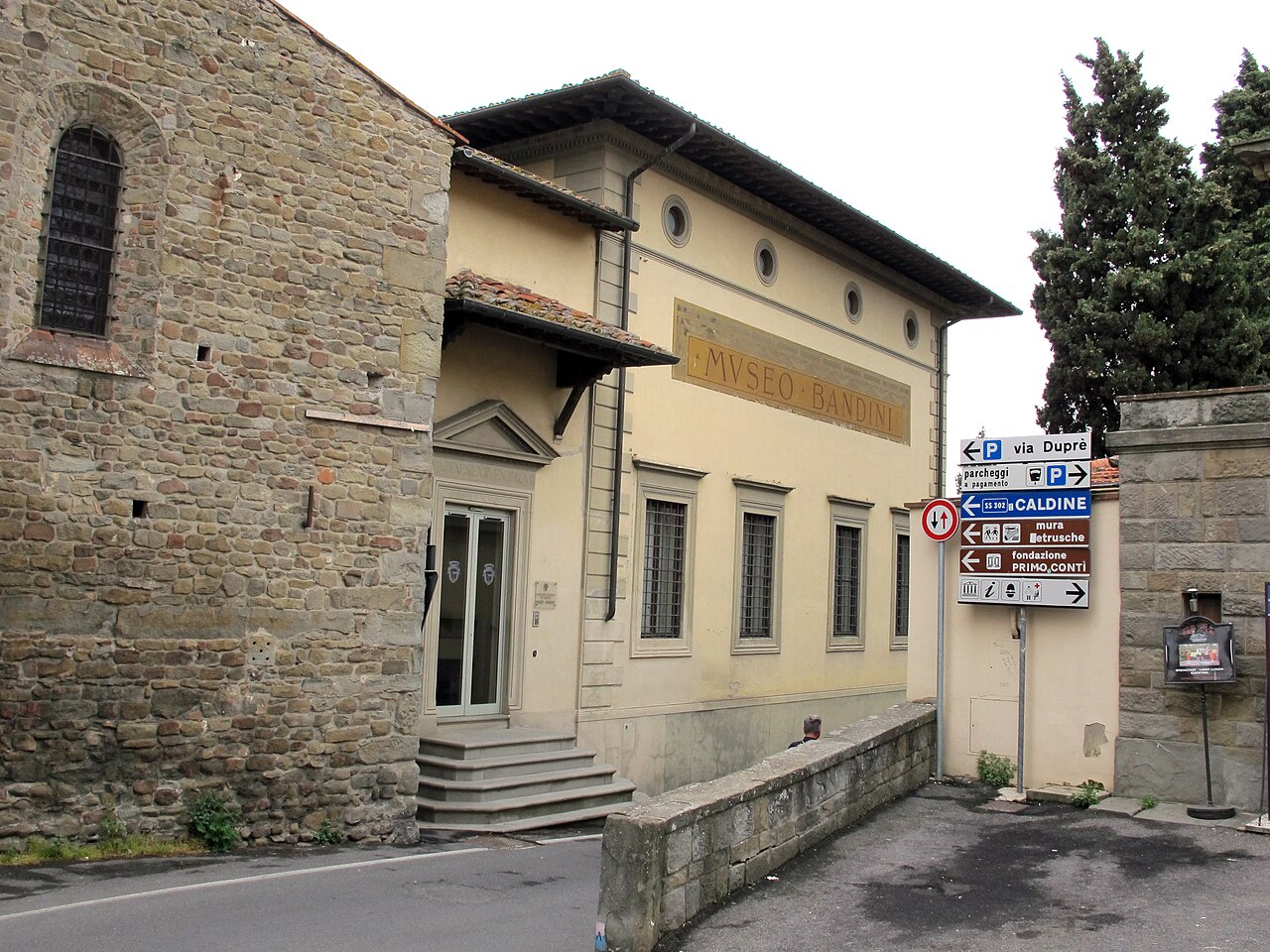
This place is a Museum. It was established in 1913. It was designed by Giuseppe Castellucci. It carries the Italian national heritage heritage designation.
Museum Bandini, also known as Museo Bandini, is a Florence museum included within the city's wider cultural landscape. Its local name is useful when reading Italian directions or referring to the museum in the city. The museum suits travelers building a cultural itinerary beyond Florence's most famous large institutions. Treat it as a focused museum stop, with time to engage with the collection and its place in the city's artistic setting. Its importance within a Florence visit comes from adding another layer to the city's museum network, alongside the streets, churches and galleries that make the historic center so rich.
Checked 2026-08-26 · Source
The museum is a collection-based cultural stop in Florence. Approach it as a place for looking closely and spending time with the works rather than as a landmark designed to be understood from the outside. The name Museo Bandini identifies the institution locally and helps distinguish it within Florence's dense museum network. Its setting makes it a natural companion to a day focused on art and historic streets. Give yourself room to pause, compare details and connect the museum experience with the broader artistic traditions visible throughout Florence.
Checked 2026-08-26 · Source
Plan a flexible museum visit rather than assigning it the same amount of time as Florence's largest galleries. A focused stop can fit into a cultural walking day, while visitors who enjoy close examination may stay longer. Let your interest in the collection determine the pace: read the available interpretation, look carefully at the works and pause when a detail catches your attention. Pairing the museum with nearby streets or another cultural site creates a balanced day, especially if you prefer several smaller experiences to one extended museum visit.
Checked 2026-08-26 · Source
A morning cultural visit can leave you more time and energy for the rest of Florence, while a later visit can provide a quieter pause between outdoor walks and larger attractions. The museum works best when you are ready to look attentively rather than rush through another checklist stop. Consider the season mainly in relation to the walking route around it: Florence can feel hot in summer and cooler in winter. Build the day around the museum's place in your route, keeping enough time for the collection to hold your attention.
Checked 2026-08-26 · Source
Museum Bandini should be treated as a distinct museum stop within a Florence cultural day. Keep your planning flexible around the collection rather than assuming it can be combined with every major attraction at a fixed time. The visit is most rewarding when you have enough space to look closely and absorb the museum's artistic setting. Since this guide does not include a ticket amount or admission arrangement, avoid presenting an invented price. The practical value of the stop is its contribution to a broader, less repetitive exploration of Florence's museums.
Checked 2026-08-26 · Source
Florence's historic center is compact and often easiest to cross on foot, so include the museum in a walking route with nearby cultural landmarks. Santa Maria Novella station is the city's main rail gateway and connects with national and regional services. Public buses serve the wider urban area, while taxis provide a direct option when your route or weather makes walking less convenient. If arriving by car, remember that central Florence has restricted traffic zones and limited convenient parking. Use a current map to place the museum accurately within your chosen route before setting out.
Checked 2026-08-26 · Source
Historic museums can involve rooms, thresholds or circulation patterns that feel less spacious than modern galleries. Keep bags close and follow any instructions about where they may be carried. Florence's busiest streets can be crowded, especially around famous landmarks, so allow calm walking time between stops. If you are traveling with a reduced-fare ticket or a large bag, practical arrangements may affect the visit. Museum interiors can also feel cooler or warmer than outside streets. Move at a pace that leaves room for careful viewing, especially when the collection rewards attention to detail.
Checked 2026-08-26 · Source
Treat photography as a way to remember the museum's atmosphere and visual details, not as a substitute for looking closely. Compact equipment is practical in interior rooms, particularly when other visitors are viewing the same works. Avoid blocking circulation or using a setup that turns a focused museum space into a photography station. Details, frames and relationships between works may produce more useful images than hurried wide shots. Follow all posted instructions inside the museum, and keep your attention on the collection even when photography is part of your visit.
Checked 2026-08-26 · Source
Its local Italian name is Museo Bandini.
Use it as a focused museum stop within a wider cultural walking route through Florence.
Yes. Its museum setting makes it a natural addition to a Florence day centered on art, historic streets and cultural landmarks.
Allow a flexible period for close viewing, with the exact length shaped by your interest in the collection and the rest of your route.
Walking is practical in Florence's compact historic center; buses and taxis serve the wider city, while central driving is complicated by restricted traffic zones.
Yes. Combine it with nearby streets, churches or other museums to create a varied cultural day rather than a single extended stop.
Loading the interactive map…
The interactive map could not be loaded.
Last updated:
Source: OpenStreetMap contributors, Wikidata ·