.jpg)
2 min walk
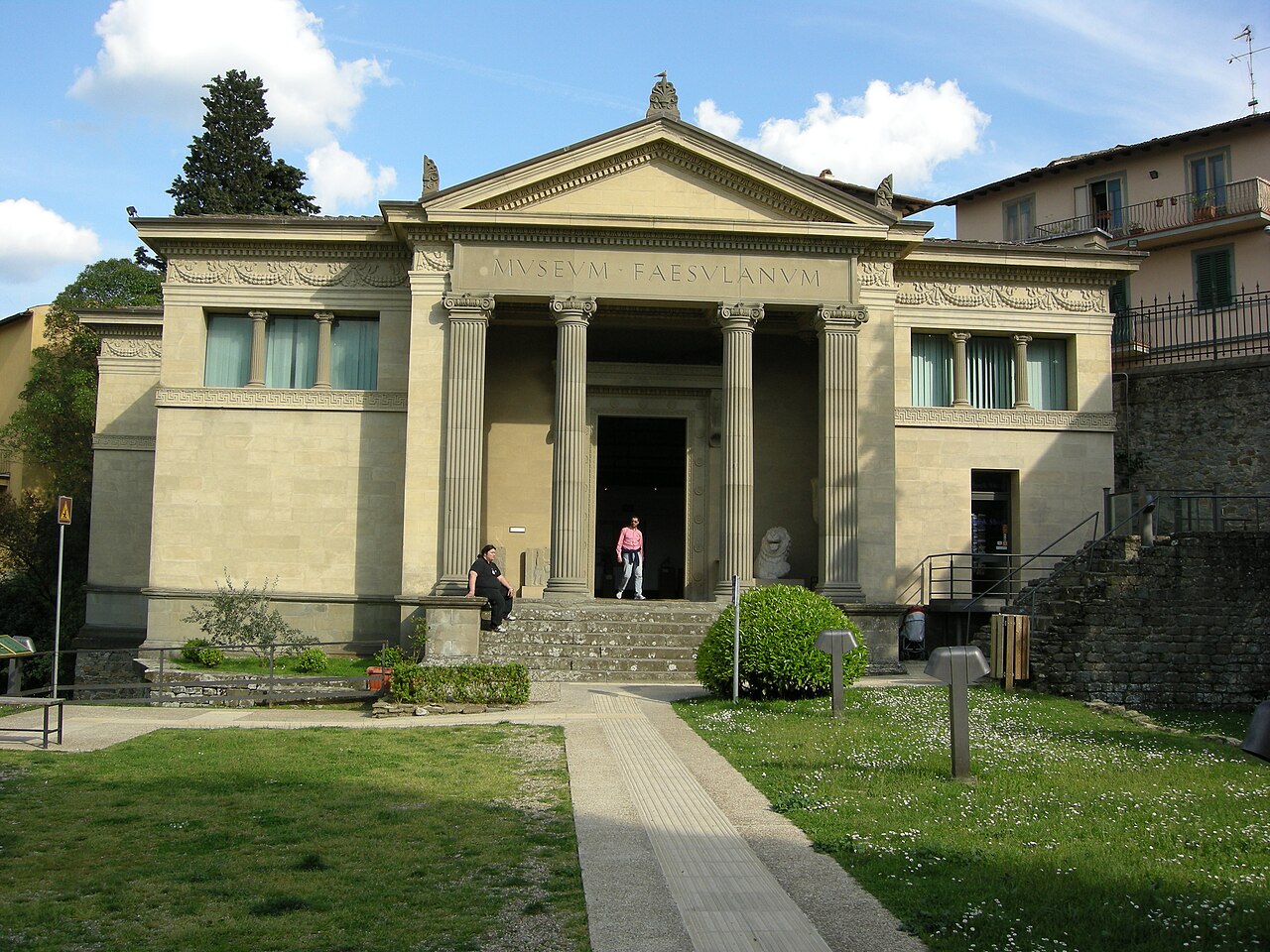
Archaeological Museum of Fiesole
- Must see · Heritage site
- Museum
Historic monument · Florence
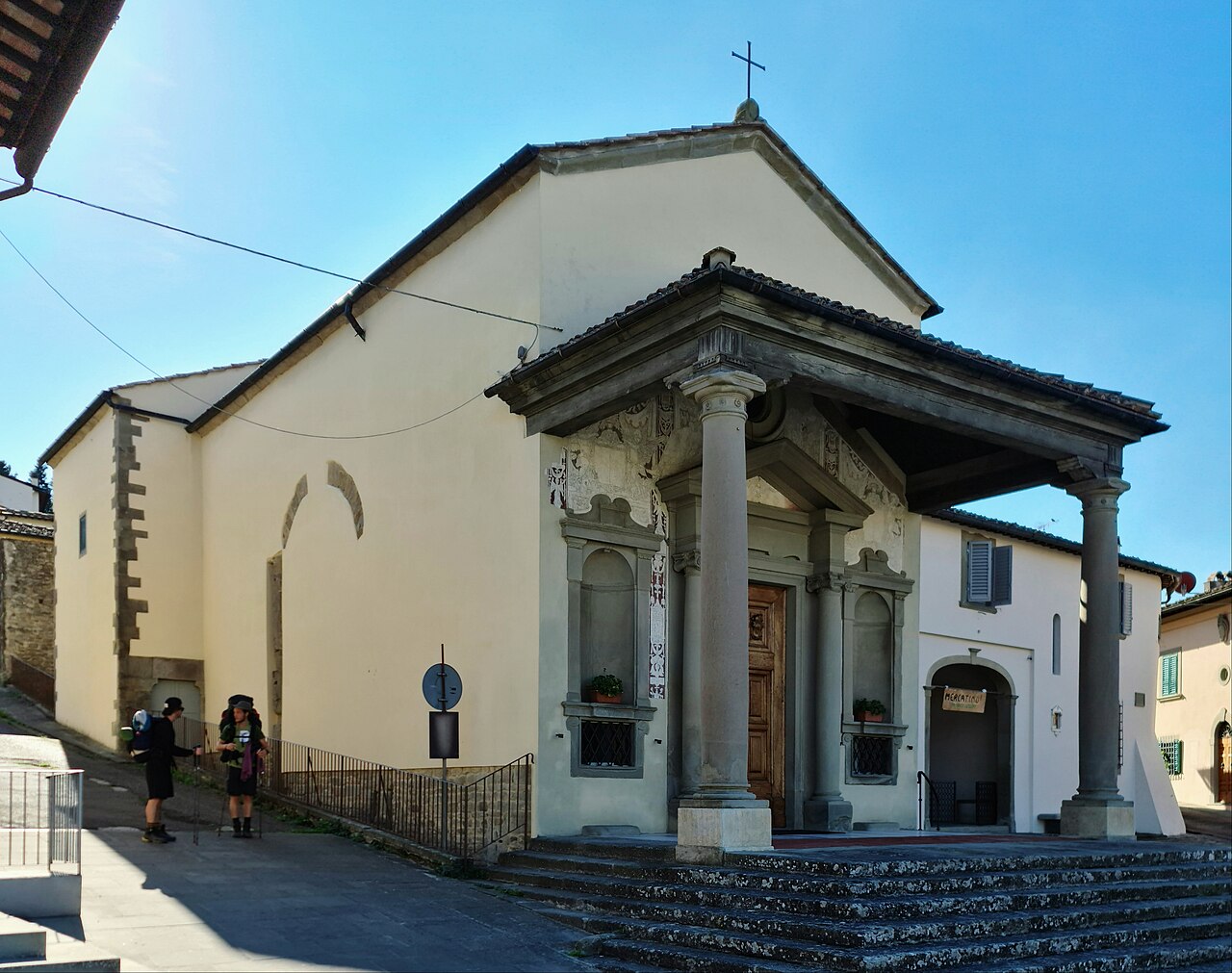
Santa Maria Primerana
Santa Maria Primerana is a historic church in Florence and one of the many sacred buildings that give the city its exceptional concentration of heritage. It belongs to the historical visitor landscape rather than the city’s headline monuments. The church rewards travellers who want to explore Florence’s religious architecture at a quieter scale, adding a less prominent but still meaningful stop to a day among the city’s churches, streets and historic spaces. Santa Maria Primerana is a historical church in Florence, Italy, recognized in the city's curated visitor rankings. The building holds significance as a ranked historical site within Florence's established cultural inventory, matched precisely to the production city pool at position 89 of 100. Its classification as HISTORICAL indicates architectural, religious, or civic heritage value warranting preservation and visitor attention. The church represents one of numerous sacred structures contributing to Florence's exceptional density of monuments. It ranks 89 of 100 in curated city rankings, indicating recognition but not premier status among Florence's numerous monuments.
Checked 2026-08-26 · Source
The experience centres on the church interior and its devotional atmosphere. The place information does not identify named artworks, chapels or a specific exhibition sequence, so allow the building itself to guide your attention. Look at the scale, light, religious furnishings and signs of historical development that can be appreciated during a calm visit. Santa Maria Primerana works best for travellers who enjoy close observation rather than a large museum circuit. Visitors should anticipate a church interior consistent with Florentine religious architecture, potentially including altars, devotional imagery, and structural elements from its historical development period. The absence of documented pointers suggests either limited public documentation or reliance on direct visitation for appreciation. Cautious visitors should verify contents through official channels or on-site observation rather than presuming particular masterpieces. A flexible visit lets travellers connect Church of Santa Maria Primerana with the rest of the day without treating one room, viewpoint or photograph as the whole experience. The useful pace depends on personal interest and conditions on arrival.
Checked 2026-08-26 · Source
A short visit of fifteen to thirty minutes is a practical starting point for Santa Maria Primerana. That gives enough time to enter, absorb the atmosphere and observe the church without forcing it into a long museum-style schedule. Visitors drawn to religious architecture, historical details or quiet contemplation may stay longer. Pairing the church with other central Florence sights creates a balanced day of major landmarks and smaller heritage places.
Checked 2026-08-26 · Source
Choose a flexible daytime slot and leave room for the rhythms of an active religious building. Morning can suit travellers seeking a calm beginning to a church-focused walk, while services or private events may affect the interior experience. Santa Maria Primerana fits naturally into a day of Florence’s historic centre, where walking between churches, squares and major landmarks lets the visit remain worthwhile even when the pace changes.
Checked 2026-08-26 · Source
Plan the stop as a religious and architectural encounter rather than around a confirmed ticketed exhibition. If entry arrangements change during your day, the surrounding historic centre still offers many connected places to explore. Keep any contribution or local request separate from the purpose of worship.
Checked 2026-08-26 · Source
Santa Maria Primerana belongs to Florence’s urban heritage landscape and is best approached on foot as part of a historic-centre route. The city’s major reference points, including the Duomo, Piazza della Signoria and Santa Maria Novella station, provide useful anchors for planning a wider walk. Buses serve the city as well. If driving, remember that central Florence includes restricted traffic areas, making a parked-car approach less convenient.
Checked 2026-08-26 · Source
Observe the usual care required in an active church: modest clothing, quiet behaviour and respect for worshippers. Historic interiors may include steps, uneven flooring, narrow passages and low light, so take your time while moving through the building. Florence’s busy centre also calls for attention to bags and personal belongings. Santa Maria Primerana is most enjoyable when treated as a calm heritage stop rather than a rushed checklist attraction.
Checked 2026-08-26 · Source
Photograph the exterior as part of your walk through Florence. For interior images, follow signs and any instructions from attendants, keep flash off unless clearly permitted, and never interrupt worship for a picture. A compact handheld camera is more suitable than a tripod in a working church. Architectural lines, light and devotional atmosphere provide the strongest subjects, especially when approached with restraint and attention to the sacred setting.
Checked 2026-08-26 · Source
It is a historic church in Florence and part of the city’s dense network of religious and architectural heritage.
Allow about fifteen to thirty minutes for a short visit, with more time if you enjoy architecture, devotional spaces or quiet contemplation.
Include it within a walking day that links smaller churches with the Duomo, Piazza della Signoria, Santa Maria Novella and nearby historic streets.
Wear respectful clothing and behave quietly, as the building is a church and may be serving worshippers during your visit.
Exterior photography fits naturally into a city walk; inside, follow posted rules, avoid flash and never disturb worship for a photograph.
It is a historical church within Florence’s rich heritage network and offers a quieter experience than the city’s headline monuments.
Loading the interactive map…
The interactive map could not be loaded.
Last updated:
Source: OpenStreetMap contributors, Wikidata ·